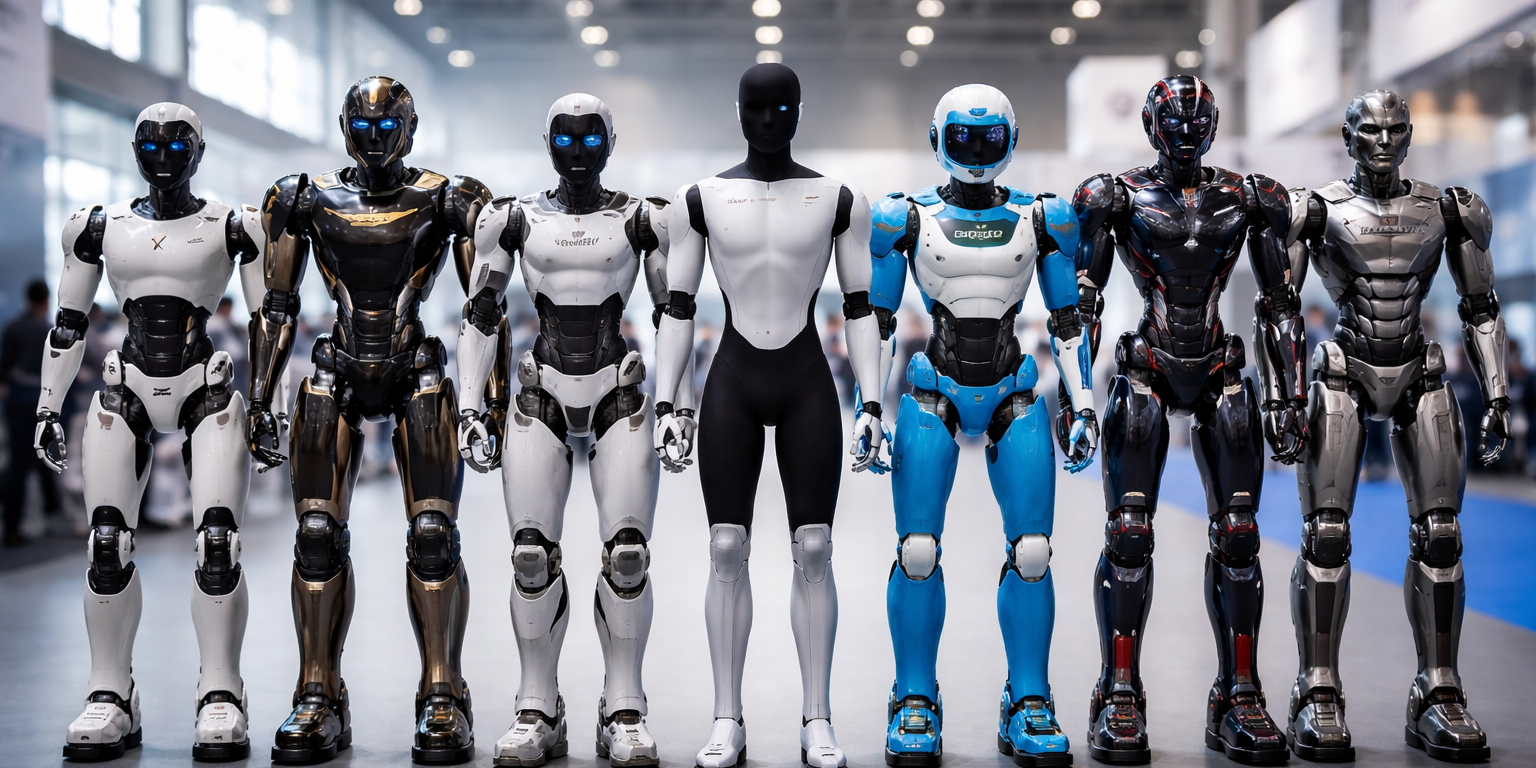
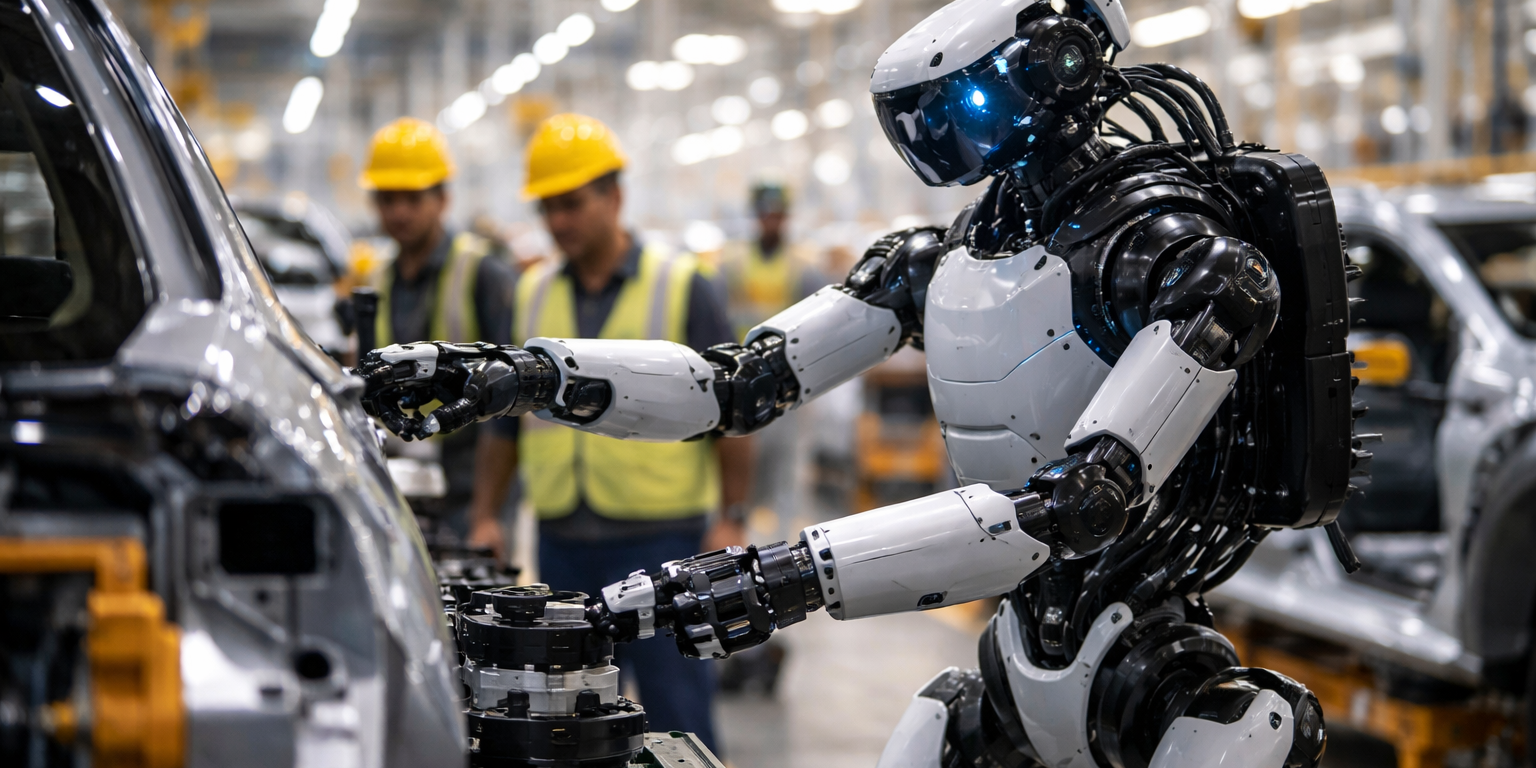
YY Group, a facility management operator with nearly 12 million square feet under contract across Singapore, Malaysia, and Thailand, now owns at least one fleet of Unitree G1 humanoid robots—hardware it plans to deploy not for immediate labor replacement, but to build the training datasets that will power its own automation stack. The company disclosed the initiative in a June 9 release but provided no unit counts, deployment timelines, or capital figures. What matters is the strategy: YY Group is betting that the competitive advantage in commercial humanoids will belong to whoever accumulates the most task-specific data first, and it is moving before purpose-built enterprise robots reach the market.
The Unitree G1, priced at approximately $16,000 per unit in its base configuration, has become the de facto reference platform for developers building humanoid control systems. Its availability, paired with a relatively open software stack, has made it attractive to companies outside the traditional robotics ecosystem. YY Group operates what it calls an Integrated Facility Management platform—a software layer that coordinates cleaning, maintenance, security, and HVAC services across commercial properties. Adding robotic task execution to that layer requires training data that reflects real-world facilities: narrow corridors, varying floor surfaces, elevator protocols, and the unpredictability of occupied spaces. The company cannot wait for a vendor to sell it that dataset. It must generate the data itself, and the Unitree platform is the most accessible hardware on which to do so.
The labor calculus is straightforward. Facility management companies across Southeast Asia face tightening labor markets and rising wage pressures, particularly for low-skill repetitive tasks like floor cleaning, waste collection, and basic inspection rounds. YY Group has not disclosed its total headcount, but companies of similar scale typically employ several hundred to over a thousand frontline workers. Automating even 15 to 20 percent of those hours would materially impact operating margins, especially if the automation stack is proprietary and integrated directly into dispatch and scheduling software. The challenge is that no commercial humanoid yet exists that can handle the variability of a hospital corridor at 3 a.m. or a hotel lobby during checkout. The robots that will do those jobs in 2028 or 2029 will be trained on data collected in 2026 and 2027. YY Group appears to understand this.
The broader industry context is worth noting. Boston Dynamics, Figure AI, Agility Robotics, and Apptronik have all announced commercial humanoid platforms targeting logistics and manufacturing. None have yet prioritized facility management, which requires finer manipulation, more nuanced navigation, and tolerance for human proximity in unstructured environments. That leaves an opening for incumbents like YY Group to define the use cases and own the data before the robotics companies arrive. Whether YY Group can execute on that vision depends on questions the company has not yet answered: who is leading the technical development, whether it is building in-house ML capabilities or partnering with a third party, and how quickly it can move from data collection to deployed automation. The company's stock, which trades on the NASDAQ under the ticker YYGH, has fluctuated between $2 and $5 over the past year, and its market capitalization sits below $100 million. It is not a well-capitalized bet, which makes the humanoid initiative either bold or premature.
What to Watch: Track whether YY Group discloses partnerships with foundation model developers or simulation software providers in the next 90 days—companies like NVIDIA, Sanctuary AI, or Physical Intelligence that could accelerate its dataset pipeline. Monitor whether competitors in the Asia-Pacific facility management space, such as ISS Facility Services or Sodexo, announce similar robotics initiatives. Finally, watch for any indication that YY Group is raising capital specifically for this effort; if it intends to scale deployment beyond a pilot, it will need more than its current balance sheet allows.