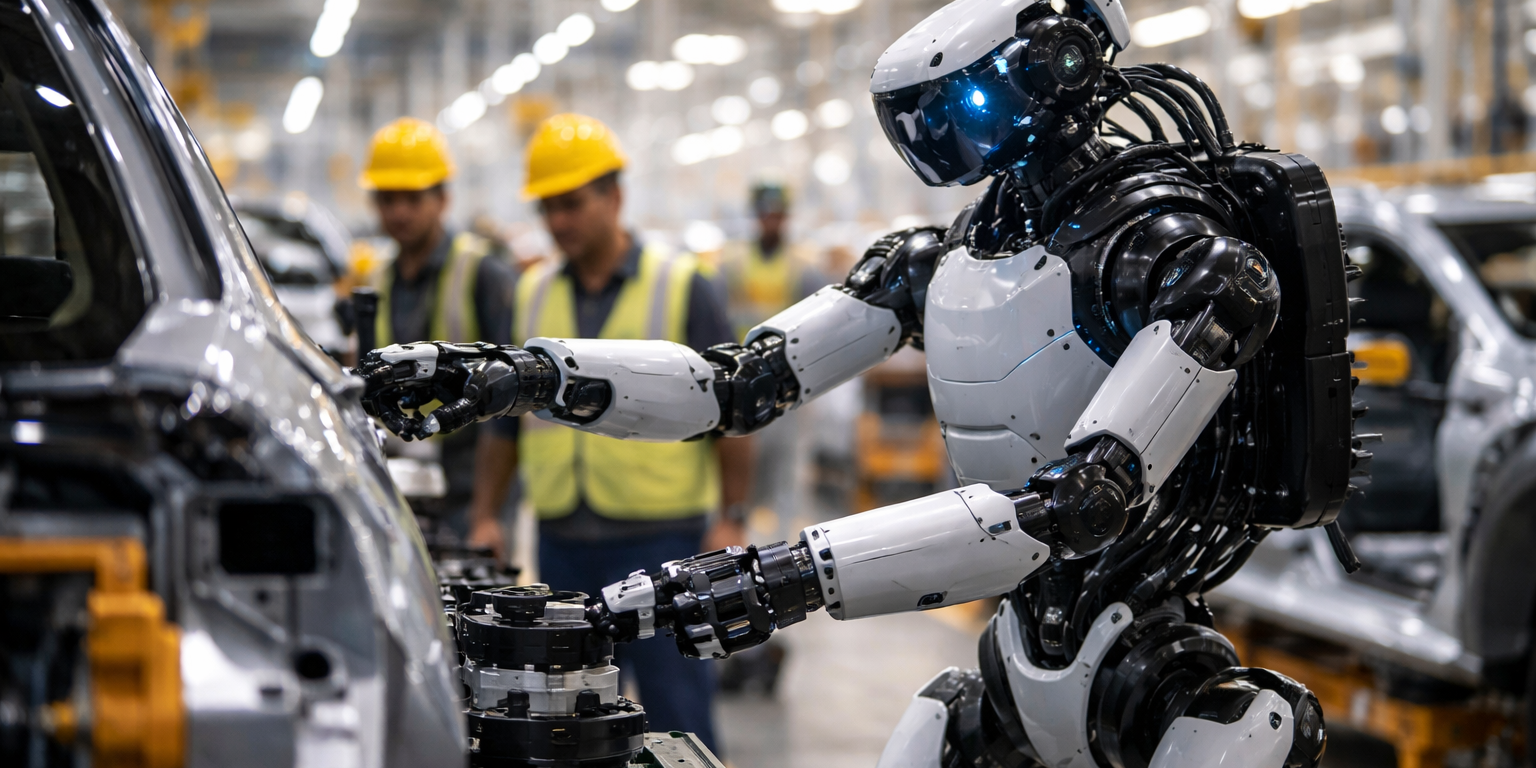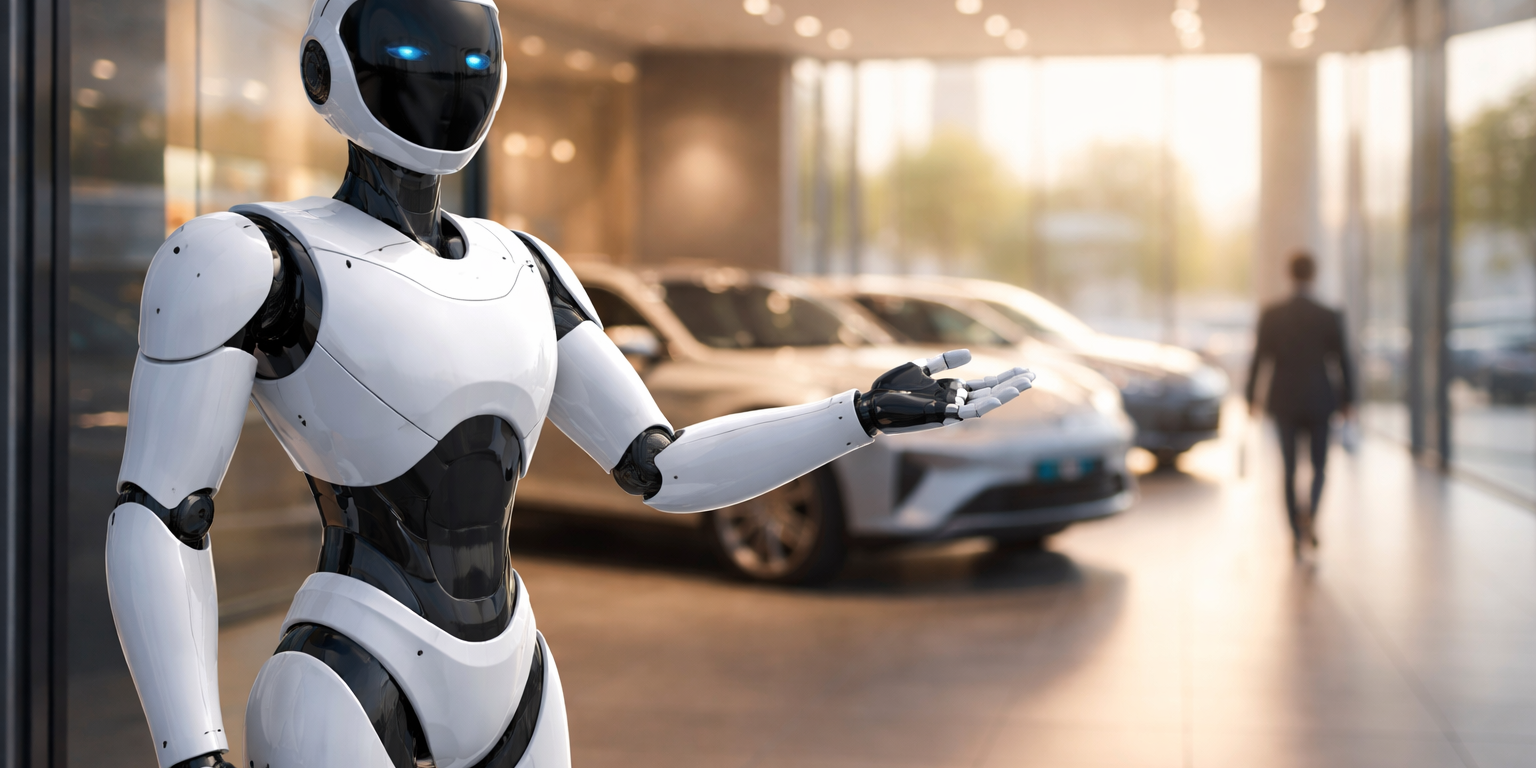
BYD's Xiao Di humanoid begins greeting customers at select Chinese car dealerships this month, making the electric vehicle manufacturer the latest automaker to deploy robots in retail environments. The company confirmed the android will staff showroom floors starting in early August, positioned near entrances to welcome visitors and answer basic product questions. BYD has not disclosed the number of units in the initial rollout or which dealership groups will receive them first.
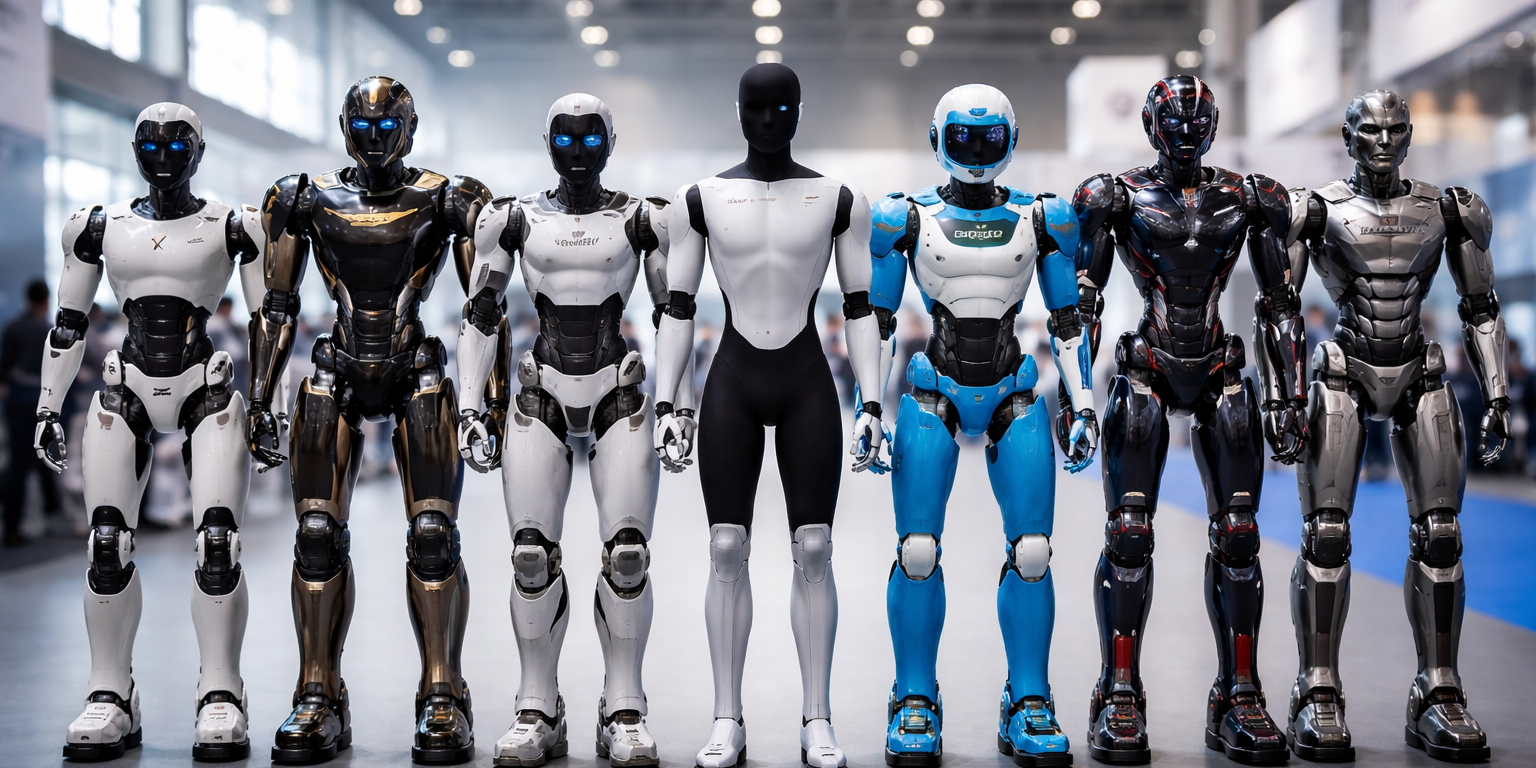
The timing puts BYD roughly 18 months behind Tesla in humanoid retail deployment. Tesla placed its first Optimus units in showrooms in February 2025, though those robots operated in demonstration mode rather than customer-facing roles. Toyota introduced its T-HR3 assistant robot in Japanese dealerships in late 2024, while BMW has tested similar concepts in Germany. The automotive industry's sudden interest in humanoid retail staff reflects two converging pressures: persistent labor shortages in sales roles and the marketing value of appearing technologically sophisticated. Dealerships see robots as both functional greeters and brand statements, particularly for electric vehicle manufacturers competing on innovation narratives. BYD's entry suggests the company views robotics capability as essential to its premium market positioning, especially as it expands beyond China into European and Southeast Asian markets where Tesla has established itself as the technology leader.
Xiao Di stands roughly 5 feet 7 inches tall, according to promotional materials visible in leaked internal presentations. The robot features articulated arms and hands designed for gesture-based communication, though its lower body remains stationary, mounted on a wheeled base rather than bipedal legs. This design choice significantly reduces mechanical complexity and cost compared to fully ambulatory humanoids like Optimus or Figure's commercial units. BYD has not released technical specifications for the robot's vision systems, language processing capabilities, or onboard computing hardware. Industry analysts estimate the unit likely relies on cloud-connected AI models rather than edge processing, given BYD's limited history in robotics development. The company has operated an AI research division since 2024, focused primarily on autonomous driving systems for its vehicle lineup, but Xiao Di represents its first purpose-built robotics product. Whether BYD developed the hardware internally or partnered with an established robotics manufacturer remains unclear; the company declined to comment on supply chain details.
The United States government moved swiftly to block Xiao Di's potential entry into American markets, citing national security concerns common to Chinese technology products in recent years. The Department of Commerce added BYD's robotics division to its Entity List in late July, effectively prohibiting U.S. companies from sourcing components for or importing the humanoid. The decision follows similar restrictions placed on DJI drones, Huawei telecommunications equipment, and various AI software tools from Chinese developers. For BYD, the ban eliminates access to what would have been a lucrative market; the company had planned to open 200 U.S. dealerships by 2028 as part of its North American expansion strategy. Those plans now face significant complications. The regulatory roadblock also affects BYD's ability to source certain high-performance chips and sensors manufactured by American companies, potentially forcing design modifications for future robot iterations. Several Washington-based trade groups representing automotive dealers criticized the ban, arguing it limits their operational flexibility and unfairly targets Chinese manufacturers. The restrictions do not affect BYD's vehicle sales in markets outside the United States, where the company has grown rapidly. European regulators have not indicated similar concerns, though scrutiny of Chinese robotics products has increased across EU member states following a series of data privacy investigations.
What to Watch: BYD's dealership deployment numbers through September will signal whether Xiao Di functions as a serious retail tool or primarily as a marketing prop. Tesla is expected to announce third-generation Optimus capabilities at its October shareholder meeting, likely raising competitive pressure on BYD to demonstrate comparable functionality. European regulators in Germany and France have scheduled hearings on Chinese robotics imports for late August, which could determine whether Xiao Di faces similar barriers outside the U.S. market. Several Chinese robotics startups, including Unitree and UBTECH, are developing competing automotive retail robots, suggesting a domestic market battle will emerge regardless of export restrictions.