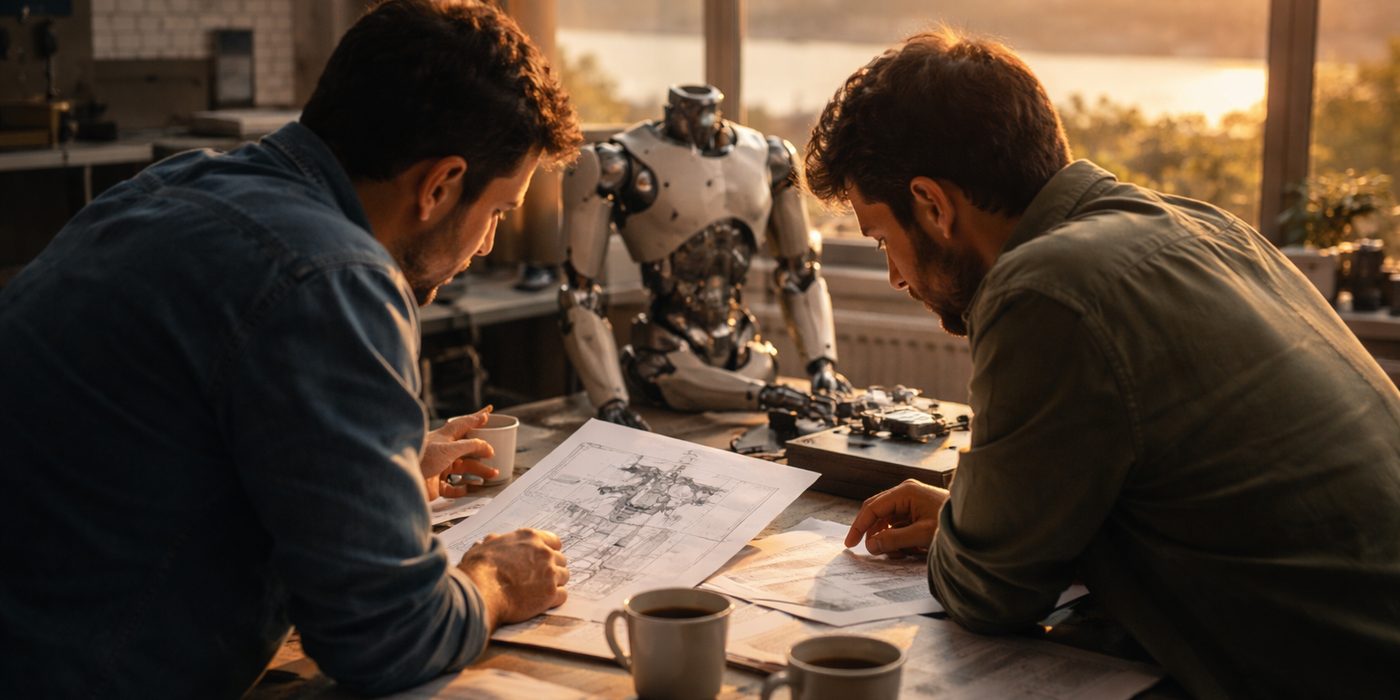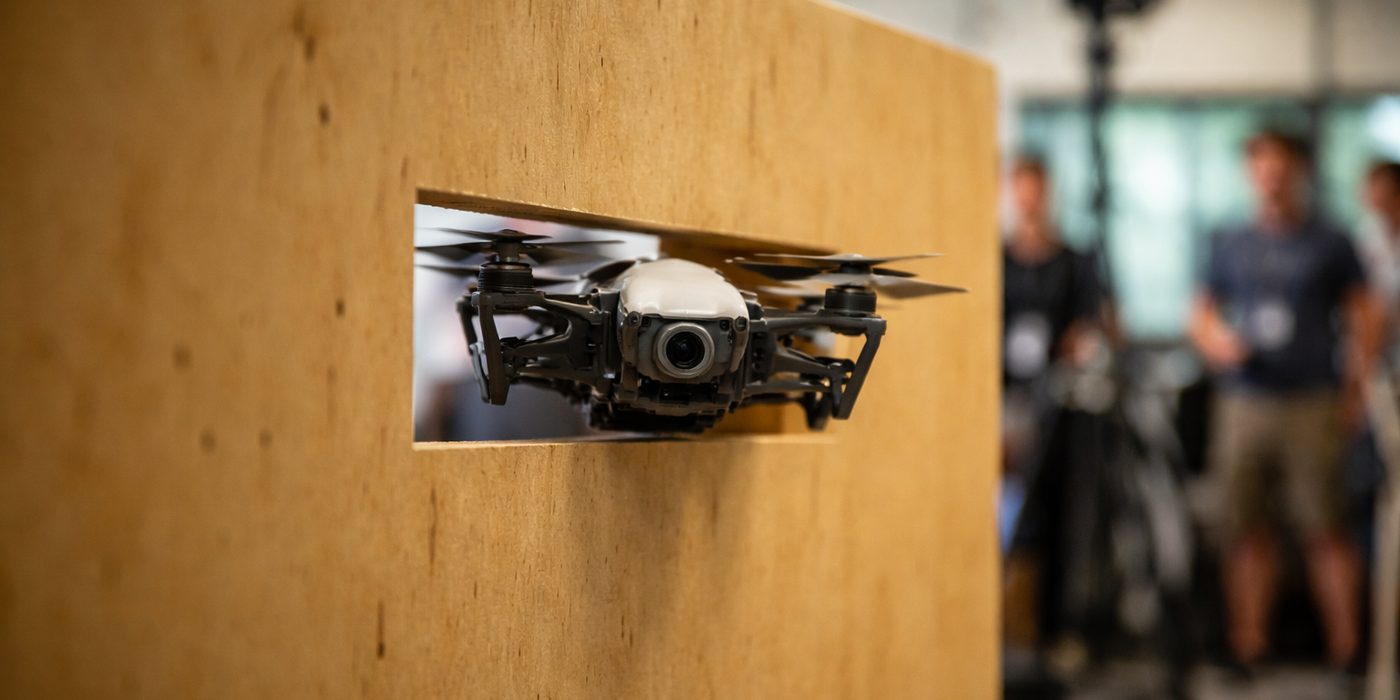
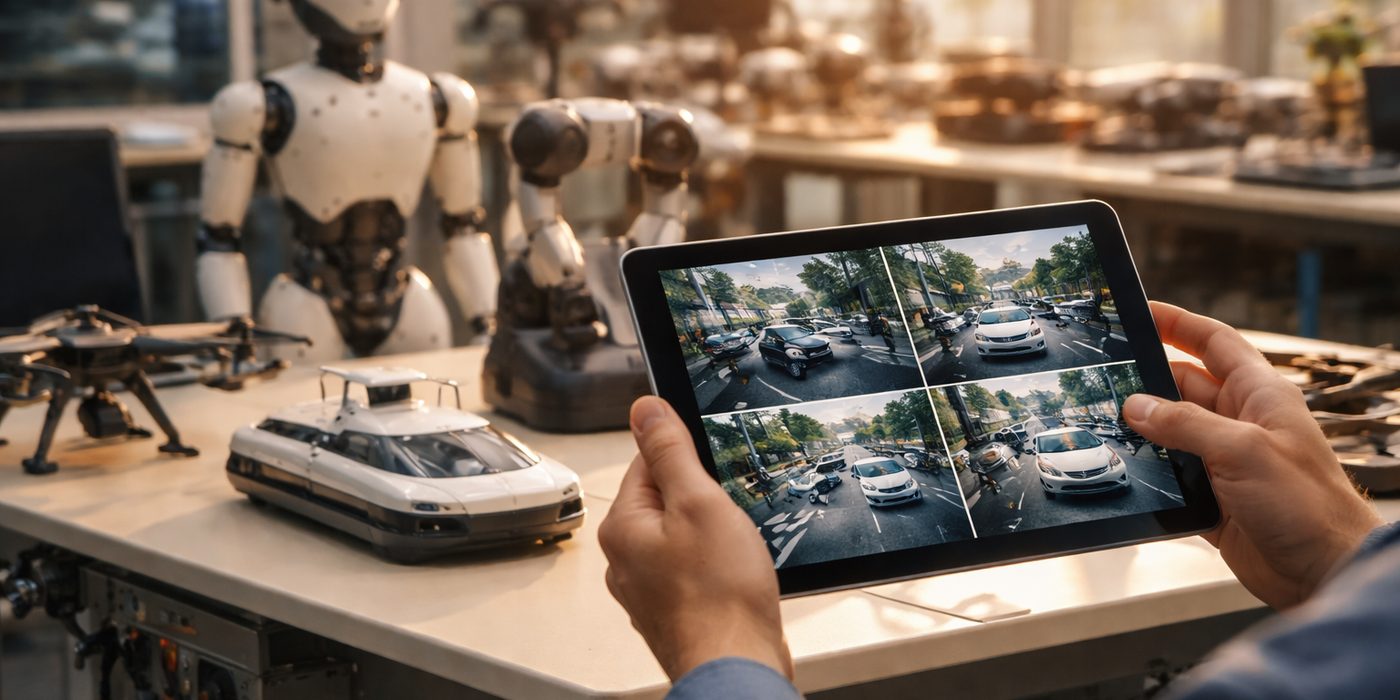
A boat and a humanoid have almost nothing in common mechanically. XPENG is betting they can still learn from each other. The Chinese electric-vehicle maker announced WorldGPT on November 24, 2026, a world action model trained across six embodiments: cars, boats, drones, single-arm robots, dual-arm robots and humanoids. According to the project site, the system takes about one second of video from one or several cameras plus a text instruction, then generates multi-camera video of what happens next while planning the actions needed to get there. In effect, it imagines the physical future and picks a path through it. The model sits inside XPENG's Turing World Model family, a lineage the company has built around its autonomous-driving stack.
The idea of a world model is not new, but the breadth of this one is unusual. Most embodied-AI efforts pick a lane. Autonomous-driving teams train on road video, manipulation labs train on arm trajectories, and humanoid developers lean on teleoperation data that is expensive to collect and narrow in scope. WorldGPT collapses those silos into a single training run. The logic is that physics is physics: a drone judging wind drift, a car anticipating a cut-in and a gripper approaching a cup all depend on predicting how objects and surfaces behave over the next few seconds. If one model absorbs that regularity from six kinds of machines, each kind may benefit from data it never collected itself.
The practical appeal is data economics. Cars generate enormous volumes of driving footage, and XPENG sells vehicles that already carry multi-camera rigs. Humanoid and dual-arm manipulation data, by contrast, remains scarce and costly, often requiring human operators in motion-capture suits or on teleoperation rigs. A shared model could let abundant vehicle video shape how a humanoid anticipates motion, while scarce robot data refines how the same system handles contact and grasping. That cross-pollination is the thesis, and it is the part engineers should scrutinize. XPENG has published a project site describing the architecture and inputs, but transfer between embodiments is exactly the claim that needs independent benchmarks. Predicting plausible video is one thing. Turning that prediction into reliable torque commands on a specific actuator stack is another.
The announcement also fits a pattern in how XPENG positions itself. The company has spent recent years arguing that it is a physical-AI firm that happens to sell cars, extending its autonomy research toward humanoids, flying vehicles and robotics. WorldGPT gives that narrative a unifying technical layer. For the wider industry, the sharper question is whether a single generalist model can match specialists on any one platform. Control engineers have long traded generality for performance, and a model that is merely adequate on six embodiments may lose to a purpose-built stack on each. Investors weighing robotics foundation-model plays, from Nvidia's GR00T efforts to Google DeepMind's Gemini Robotics line, will want to see where WorldGPT lands against them. The auto industry's scale advantage in sensors and fleet data is the factor that could tilt that comparison.
What to Watch
Watch for XPENG to publish quantitative results showing whether training on cars and drones measurably improves humanoid and dual-arm performance, since cross-embodiment transfer is the central claim. Track whether the model or its weights reach outside developers, and whether XPENG ties WorldGPT to its IRON humanoid or its vehicle driver-assistance releases in the coming months. Compare its real-hardware demonstrations against Nvidia's GR00T models and Google DeepMind's Gemini Robotics releases through early 2027. Also watch how latency is handled: generating multi-camera video in the loop is computationally heavy, and onboard inference speed will decide whether this runs on a robot or only in a data center.