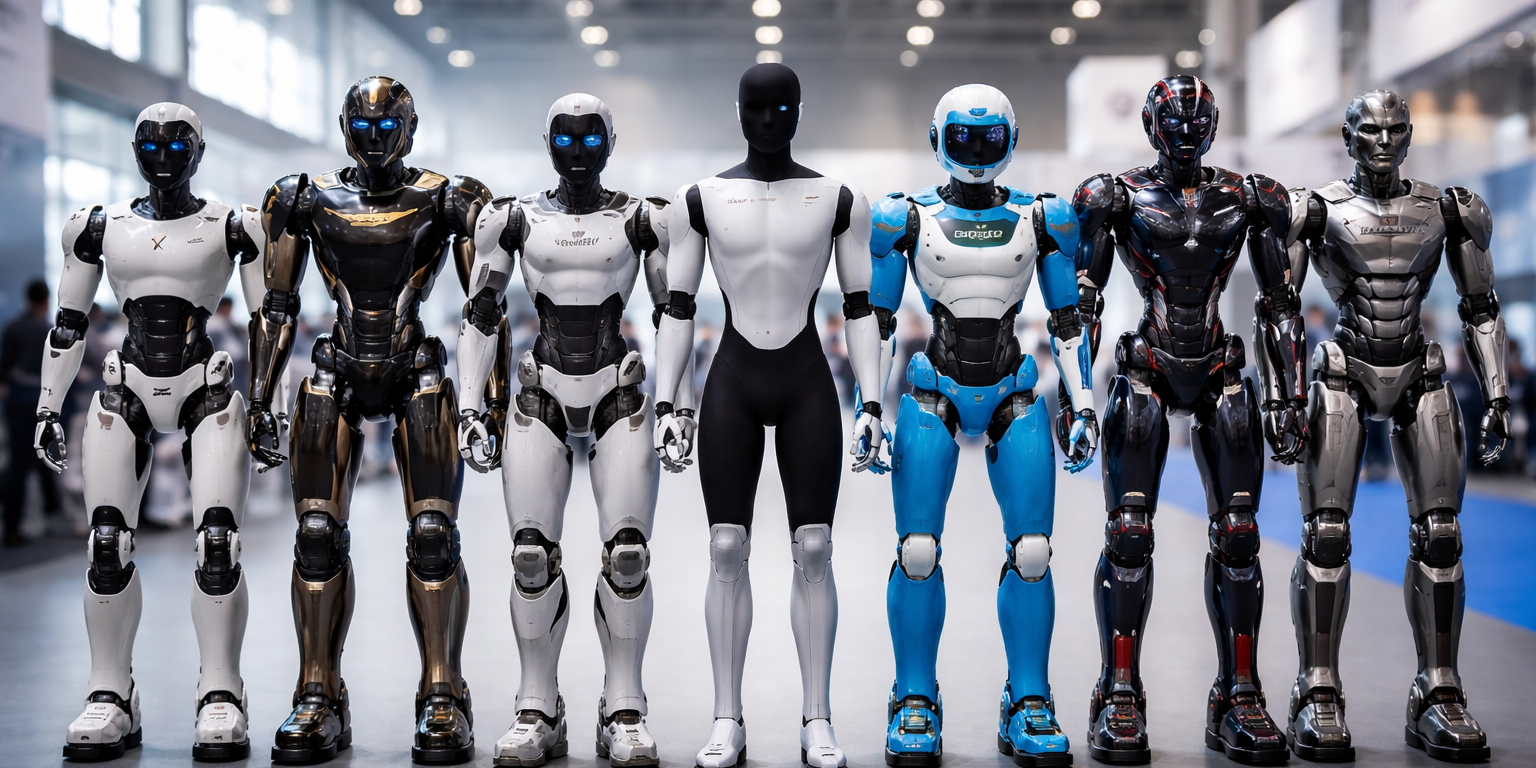
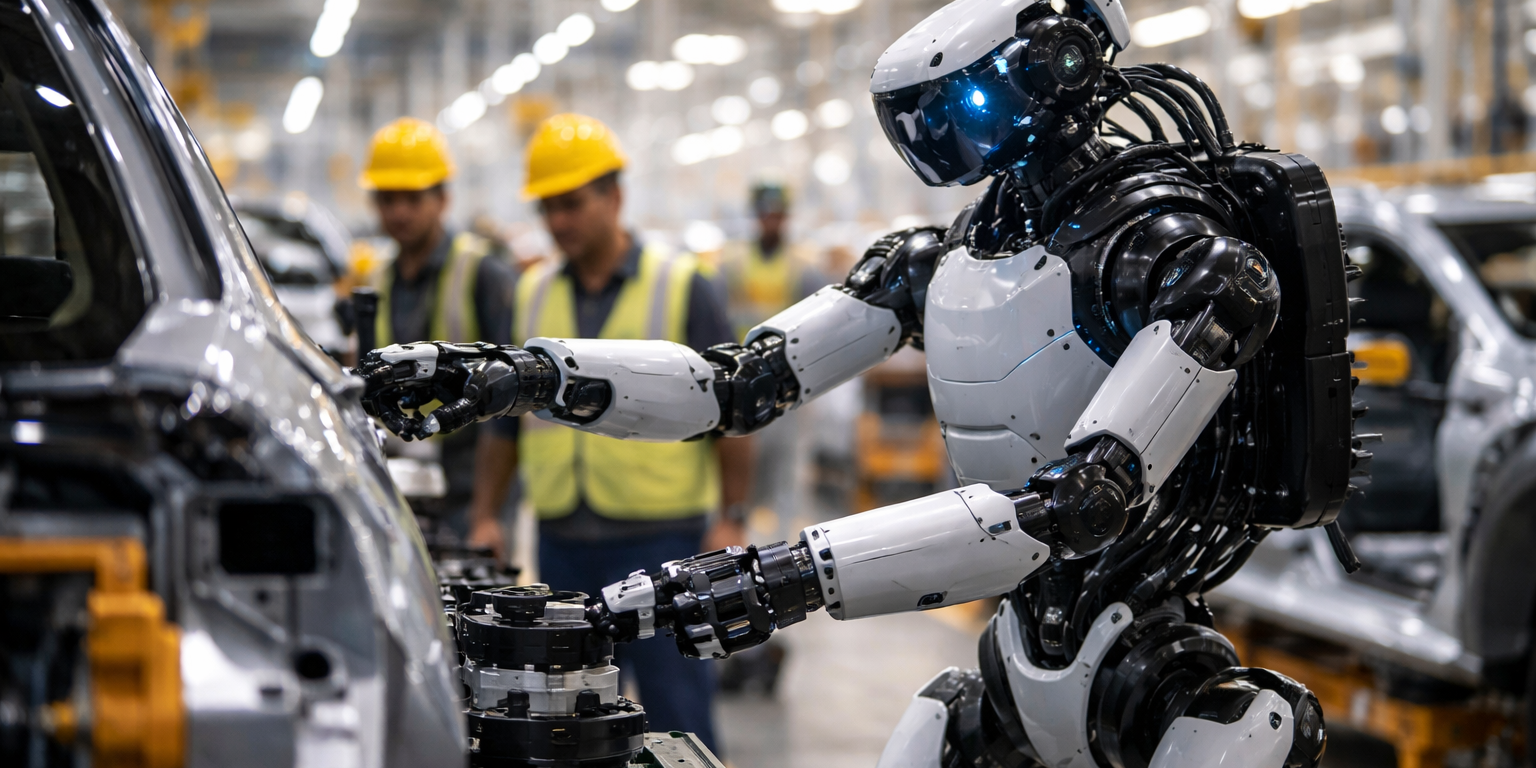
WisdomTree Inc. opened trading for its Physical AI, Humanoids, and Drones Fund on May 14, creating a dedicated investment vehicle for companies building hardware that moves, manipulates objects, and operates autonomously in physical environments. The exchange-traded fund launches under ticker WDRN, targeting the subset of artificial intelligence that requires mechanical embodiment rather than cloud-based inference alone. For an asset manager better known for commodity and currency funds, the move signals institutional recognition that robotics investment requires differentiation from broader technology indices already saturated with software and semiconductor names.
The timing reflects a shift in how institutional capital approaches robotics exposure. Traditional technology ETFs lump robotics companies alongside enterprise software, cybersecurity, and consumer electronics, diluting the specific dynamics of hardware development cycles, manufacturing scale-up risk, and regulatory approval timelines that define physical automation. WDRN attempts to isolate pure-play exposure to companies whose revenue depends on units shipped, installed, and operating in warehouses, factories, hospitals, and battlefields. WisdomTree has not disclosed the fund's initial holdings or expense ratio, but the narrow mandate suggests concentration in a sector where only a handful of publicly traded pure-plays exist alongside divisions within larger conglomerates like Boston Dynamics under Hyundai, Agility Robotics still private, and Tesla's Optimus program buried within automotive financials.
The fund's focus on drones alongside humanoids reveals strategic thinking about where capital deployment intersects with regulatory clarity. Drones benefit from more than a decade of FAA framework development, established supply chains, and measurable unit economics in agriculture, inspection, and defense applications. Humanoids remain largely pre-revenue or pilot-stage, with companies like Figure AI, 1X Technologies, and Apptronik still navigating manufacturing scale-up and market fit. By bundling both categories under physical AI, WisdomTree positions the fund to capture near-term revenue from drone manufacturers like AeroVironment and Kratos Defense while maintaining exposure to the longer-term humanoid thesis. This structure hedges against the reality that humanoid robotics may take five to seven years to reach the unit volumes and cost curves necessary for broad commercial deployment, a timeline incompatible with quarterly earnings pressure.
The launch also highlights a gap in existing investment products. The Global X Robotics & Artificial Intelligence ETF, the largest robotics-focused fund with over $1.8 billion in assets, holds significant positions in industrial automation giants like FANUC and ABB but minimal exposure to humanoid developers or autonomous drone platforms. Similarly, the ROBO Global Robotics and Automation Index ETF spreads capital across enabling technologies like sensors, machine vision, and programmable logic controllers rather than concentrating on end-effector hardware. WDRN's mandate excludes those component suppliers, betting instead that final integrators who sell complete robotic systems will capture disproportionate value as deployment accelerates. This thesis assumes that robotics follows a different value chain than smartphones, where component makers like Qualcomm and TSMC captured more profit than device assemblers. Whether that holds true depends on whether robotics becomes a commoditized hardware market or a differentiated systems business with defensible moats in perception algorithms, fleet orchestration software, and customer-specific tuning.
For robotics companies eyeing public markets or seeking to boost institutional ownership, WDRN creates a new source of passive demand. Funds tracking specific themes must deploy capital into qualifying holdings regardless of valuation, providing bid support during volatile periods. That matters particularly for companies in the $500 million to $5 billion market cap range, where liquidity constraints often deter large asset managers. The fund also imposes discipline on investors tempted to chase hype cycles, forcing allocation decisions based on whether a company actually builds and ships physical robots rather than simply licenses perception models or sells simulation environments. This distinction becomes critical as generative AI companies rebrand toward robotics without meaningful hardware revenue, a pattern visible in recent venture rounds where valuations detached from manufacturing capacity or pilot program conversion rates.
What to Watch: Monitor WDRN's initial portfolio disclosure, expected within 30 days of launch, to identify which publicly traded robotics companies WisdomTree considers pure-plays versus diversified industrials. Track whether the fund accumulates positions in defense primes like Lockheed Martin or AeroVironment for their drone divisions, or restricts holdings to companies where robotics represents over 50% of revenue. Watch for ETF inflows as a leading indicator of institutional appetite, particularly from pension funds and endowments that typically follow established asset managers into new sectors. Finally, observe whether competing fund families like BlackRock or State Street respond with rival products, a pattern that would validate robotics as a distinct asset class rather than a subsector of technology.