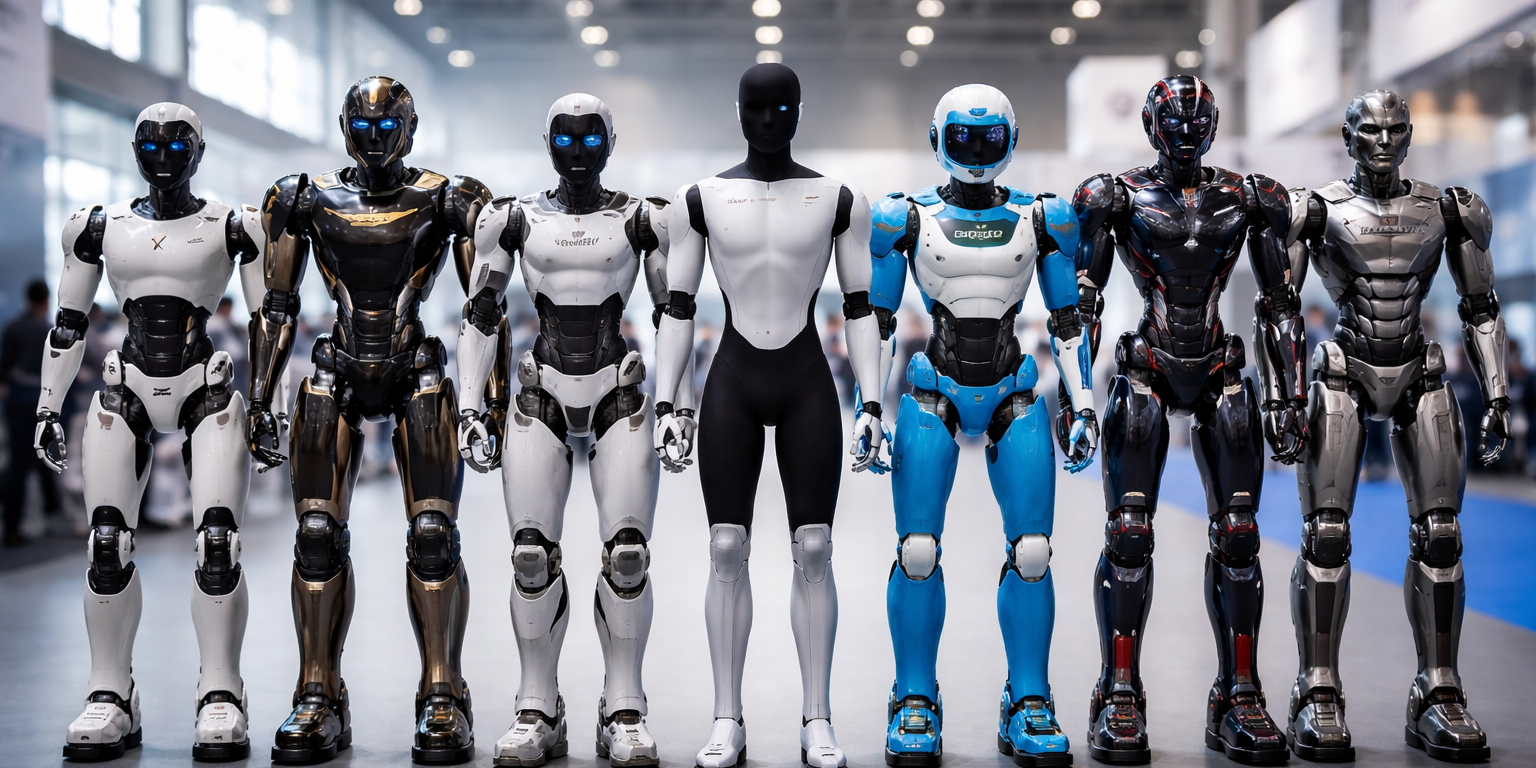
The White House confirmed in late July 2026 that Chinese-manufactured humanoid robots now face prohibitive import duties exceeding 100 percent, a policy extension of broader semiconductor and AI restrictions enacted over the past eighteen months. Unitree Robotics, whose G1 model retails for approximately $16,000 in China, and Fourier Intelligence, which began shipping its GR-1 humanoid at $18,500 last year, are the primary targets. Both companies had established modest U.S. distribution networks before the tariffs took effect. Neither responded to requests for comment, though a Unitree distributor in California confirmed all pending orders were canceled in early August.
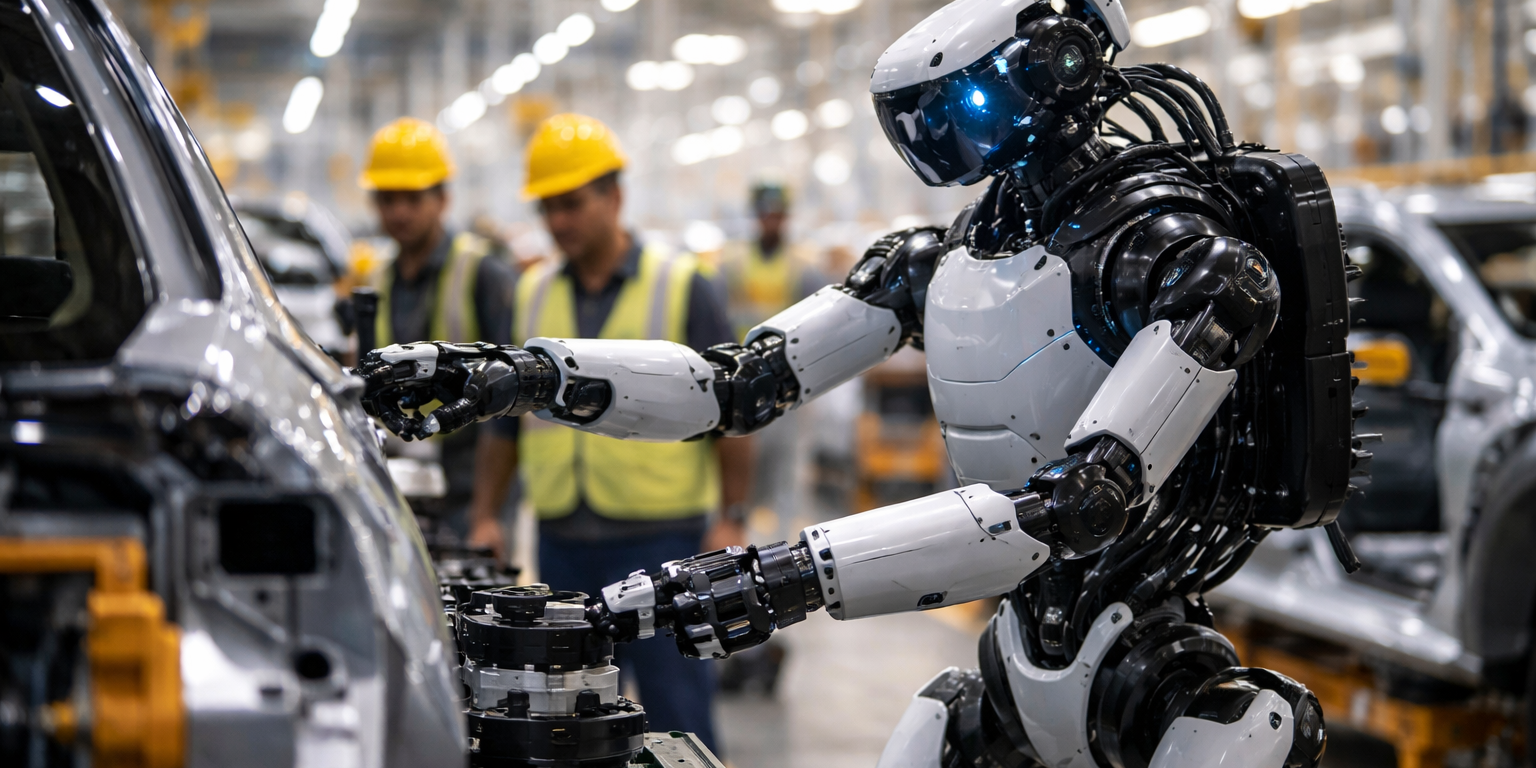
The timing exposes a persistent gap in domestic humanoid production capabilities. Figure AI, valued at $3.2 billion after its Series B round in early 2025, has deployed fewer than 200 Figure 02 units commercially, most at BMW's South Carolina plant under a pilot program that began in December 2025. Agility Robotics ships its Digit platform to Amazon fulfillment centers, but that bipedal design prioritizes warehouse logistics over general-purpose manipulation. Boston Dynamics discontinued commercial humanoid development in 2023, focusing instead on quadrupeds and mobile manipulators. Tesla's Optimus program remains internal, with no third-party sales announced despite Elon Musk's repeated claims of imminent production scale. The result: U.S. robotics labs, universities, and smaller manufacturers that relied on affordable Chinese hardware for research and prototyping now face a choice between paying double or waiting years for domestic alternatives that may never reach price parity.
Defense Department officials, speaking anonymously to trade press in June, framed the tariffs as essential to preventing Chinese-trained AI models from proliferating inside critical infrastructure. Humanoid robots, they argue, represent dual-use technology with surveillance and sabotage potential if equipped with adversarial software. That rationale echoes concerns that drove the CHIPS Act and export controls on Nvidia's H100 GPUs, but robotics industry executives see a different dynamic. Unlike semiconductors, where TSMC and Samsung dominate bleeding-edge nodes, humanoid manufacturing remains fragmented and early-stage. Chinese firms achieved low costs through aggressive vertical integration—Unitree manufactures its own actuators, controllers, and battery packs—and massive domestic subsidies tied to Made in China 2025 industrial policy. U.S. startups, by contrast, source components globally and operate on venture timelines, not state-backed patience. The tariffs do not level the playing field so much as remove it entirely, leaving American buyers with no viable options under $50,000 for a fully capable bipedal platform.
The policy has split the robotics community. Researchers at Carnegie Mellon and MIT, both of which purchased Unitree H1 models for locomotion studies in 2025, told RoboticsIntl.com they are shelving multi-year grant-funded projects due to inability to source additional units. Small manufacturers developing teleoperation software for elder care and light manufacturing—applications that require humanoid form factors but lack defense budgets—face similar dead ends. Meanwhile, Figure AI and Apptronik, which raised $75 million in Series A funding last year, welcome the reduced competition. A Figure spokesperson said the company is accelerating production plans to meet pent-up demand, though no delivery timelines were provided. Apptronik's Apollo humanoid, previewed at SXSW 2024 and still in pilot testing with undisclosed partners, remains at least eighteen months from volume shipments according to CEO Jeff Cardenas, who spoke at the IEEE Robotics and Automation Conference in May 2026. Neither company has announced pricing, but industry observers expect $80,000 to $120,000 per unit when commercial sales begin in 2027 or later.
What to Watch: Expect Figure AI and Apptronik to announce major OEM partnerships or government contracts by October 2026, capitalizing on the supply vacuum. Monitor whether the Commerce Department extends tariffs to humanoid components—actuators, motor controllers, vision modules—which would further squeeze U.S. integrators reliant on Chinese supply chains. Also track congressional hearings on robotics policy scheduled for September, where university research advocates and defense hawks are likely to clash over exceptions for academic use.