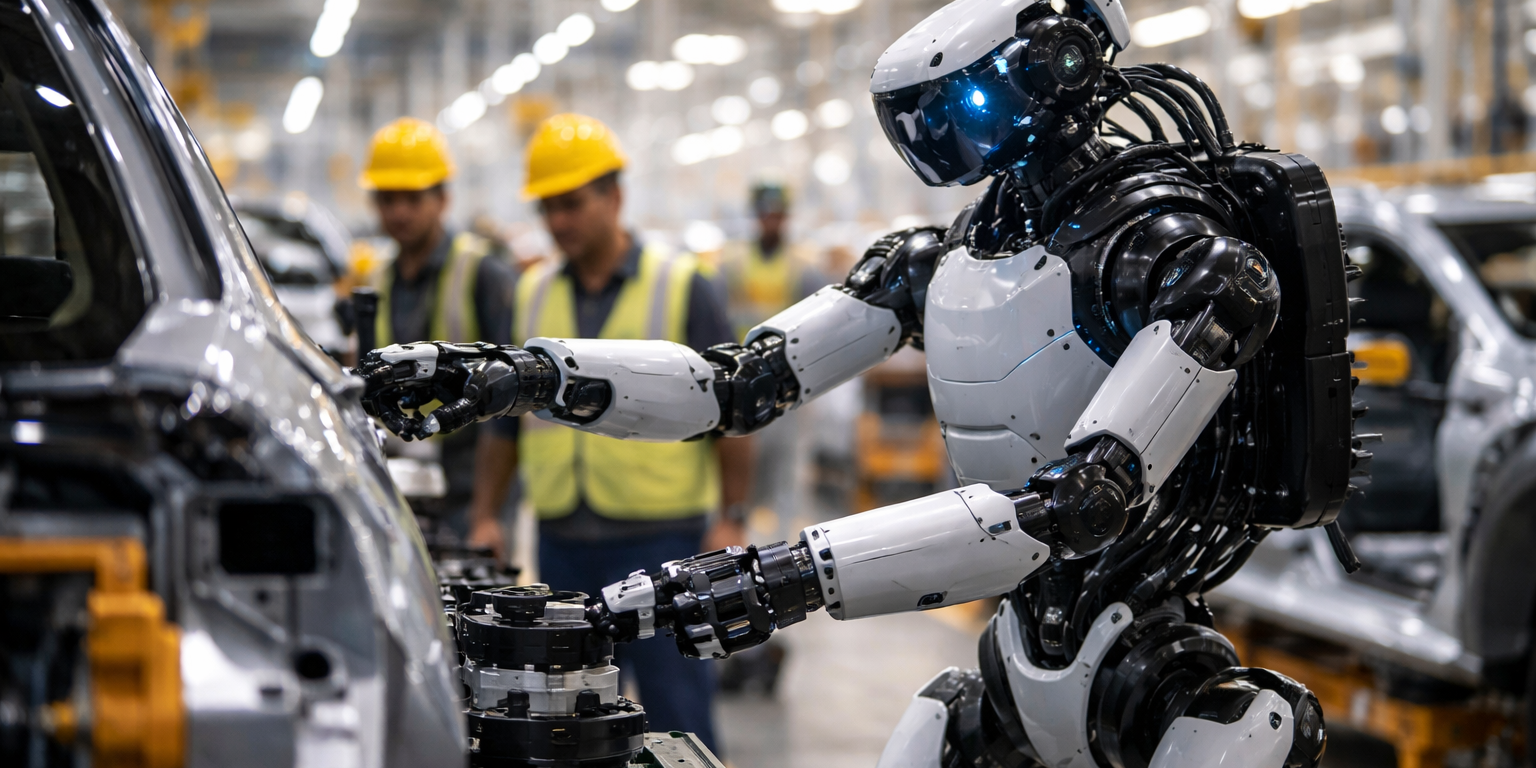
Seven thousand humanoid robots entered industrial and professional service environments worldwide in 2025, according to new figures compiled by the International Federation of Robotics. The count represents the federation's first attempt to quantify a market segment that barely existed three years ago and reflects deployments from at least a dozen manufacturers across logistics, manufacturing, inspection, and specialized service roles. The figure does not include research units, educational platforms, or consumer entertainment robots. These are machines put to work.
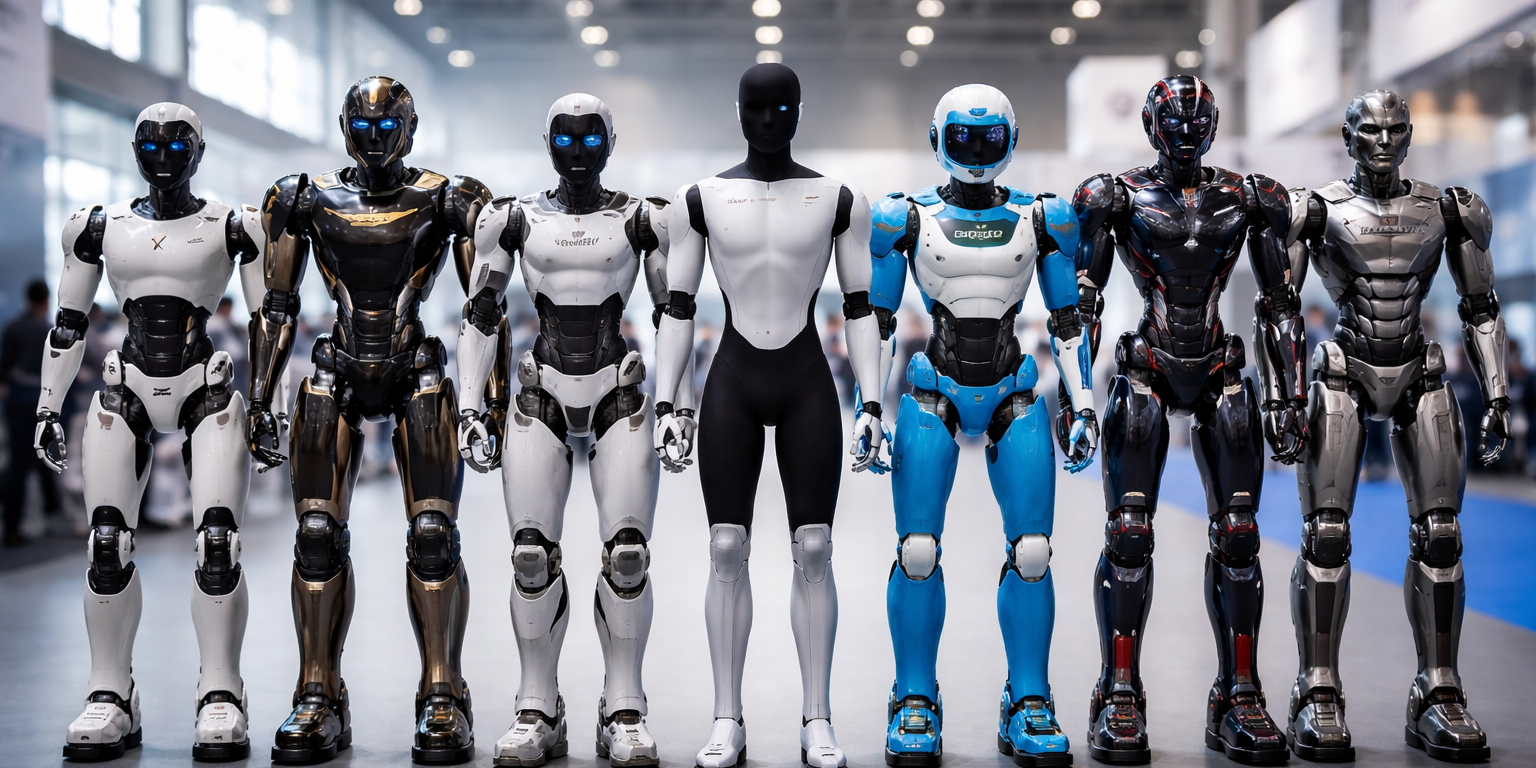
The tally arrives as the robotics industry grapples with defining what qualifies as a humanoid in the first place. The IFR categorizes these systems as bipedal mobile manipulators with torso-mounted arms and human-approximate form factors, distinguishing them from wheeled mobile manipulators and single-arm collaborative robots. That definition captures machines from Boston Dynamics' Atlas research platform to Agility Robotics' Digit warehouse units, from Unitree's H1 to the growing field of Tesla Bot competitors. It excludes exoskeletons, telepresence robots, and stationary torso systems without legs. The distinction matters because investment analysts and supply chain planners need consistent metrics to track market development, and 2025 marks the first year such tracking became possible at scale.
Most of those 7,000 units went into controlled pilots rather than full-scale deployments. Agility Robotics, which began shipping Digit to Amazon fulfillment centers and third-party logistics providers in late 2024, accounts for a significant but undisclosed portion of the total. The company has stated publicly that it shipped hundreds of units through mid-2025 and aims to reach annual production capacity of 10,000 units by the end of 2027. Figure AI, backed by OpenAI, NVIDIA, and Jeff Bezos, deployed its Figure 02 humanoid at a BMW manufacturing facility in South Carolina starting in early 2025, with the automaker confirming an initial order for dozens of units. Sanctuary AI placed its Phoenix Gen 7 system with automotive and logistics customers in Canada and the United States. Apptronik's Apollo entered testing at Mercedes-Benz and NASA facilities. Xiaomi, Fourier Intelligence, and several Chinese manufacturers contributed units primarily to domestic markets. None of these companies has disclosed exact unit shipments, making the IFR's aggregated figure the most authoritative count available.
The 7,000-unit baseline offers a reference point against which to measure the industry's frequently grandiose production claims. Tesla has stated it intends to produce Optimus humanoids for internal use at its factories in 2026, with potential external sales in 2027, targeting eventual production volumes in the millions. Figure AI executives have discussed scaling to tens of thousands of units annually within three years. Sanctuary AI is building a 20,000-square-foot manufacturing facility in British Columbia designed for thousands of units per year. Unitree sells its H1 research platform for approximately $90,000 and has hinted at higher-volume industrial variants. Whether the market can absorb that production remains an open question. The 7,000 units shipped in 2025 generated estimated revenues between $150 million and $250 million industrywide, assuming average selling prices between $20,000 for simpler systems and $200,000 for advanced platforms with sophisticated manipulation and autonomy. That places the humanoid segment at roughly 0.3 percent of the global industrial robot market, which exceeded $17 billion in 2025 according to IFR data.
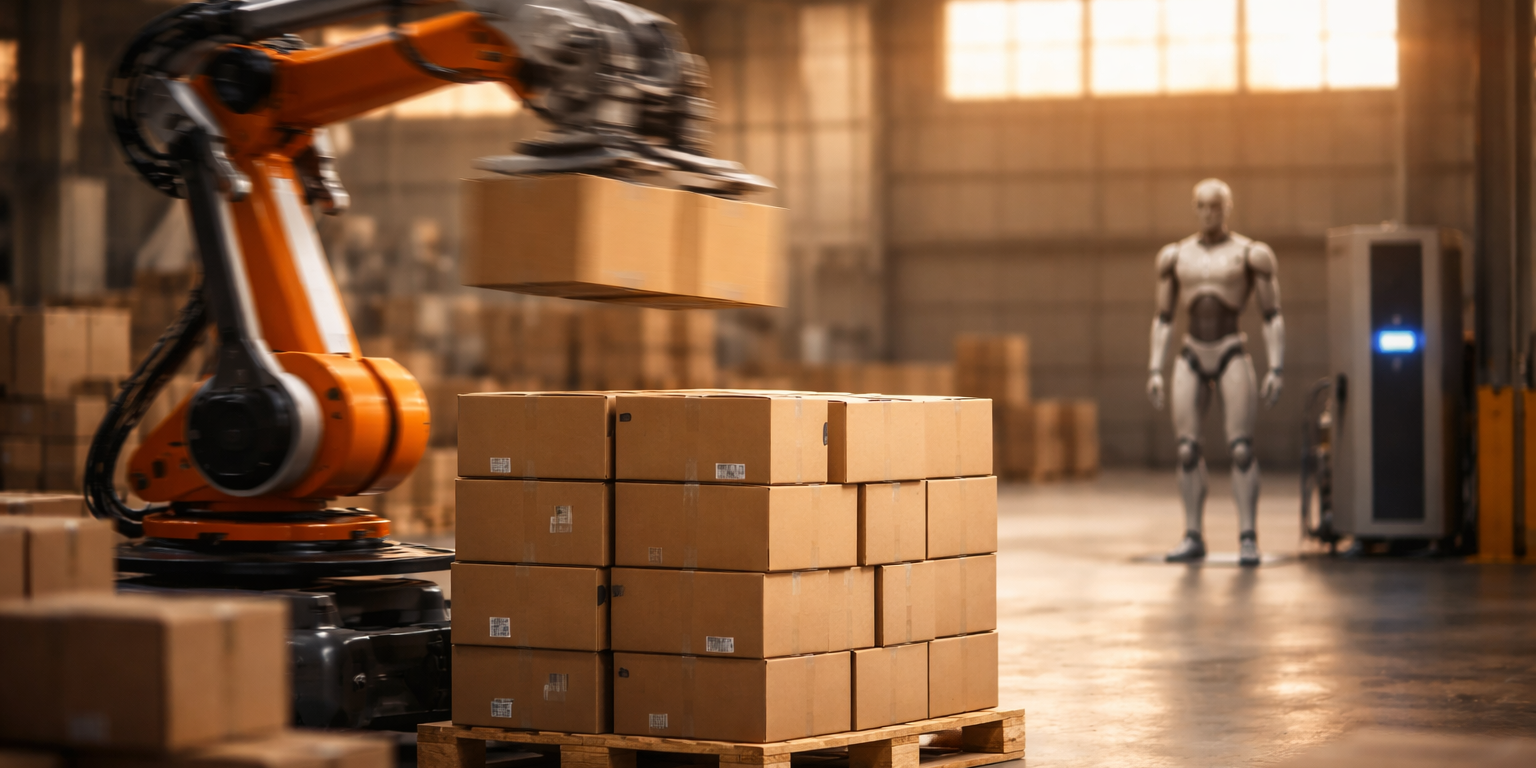
The slow initial uptake reflects both technical limitations and economic uncertainty. Humanoids remain slower, less precise, and more expensive than purpose-built automation for most tasks. A Digit unit costs more than $250,000 when factoring in deployment, integration, and ongoing support, according to logistics executives who have piloted the system. That price buys a machine capable of walking through human environments and manipulating objects of varying shapes and weights, tasks that would require multiple specialized robots or extensive facility modification to automate otherwise. The value proposition sharpens in facilities with high labor turnover, space constraints that prevent conveyors or autonomous mobile robots, and tasks requiring occasional human-like mobility rather than continuous throughput. Applications emerging in 2026 include inspection rounds in industrial plants, material transport in hospitals, and loading tasks in small-batch manufacturing. Several oil and gas operators are testing humanoids for valve inspections on offshore platforms where human access is dangerous and expensive. These remain niche deployments, but they represent use cases where economics begin to close.
What to Watch: Tesla's internal deployment numbers for Optimus at Giga Texas and Fremont through the end of 2026 will indicate whether the company meets its stated goal of useful factory work this year. Figure AI's expansion beyond the initial BMW facility to additional automotive customers, expected in Q1 2027, will test whether the Figure 02 economics hold at larger scale. Agility Robotics' progress toward its 10,000-unit annual production target, with a new Oregon manufacturing facility coming online in mid-2027, represents the clearest near-term volume ramp to watch. The IFR's 2026 sales data, expected in September 2027, will show whether the market doubled, stagnated, or fell short of the industry's production plans.