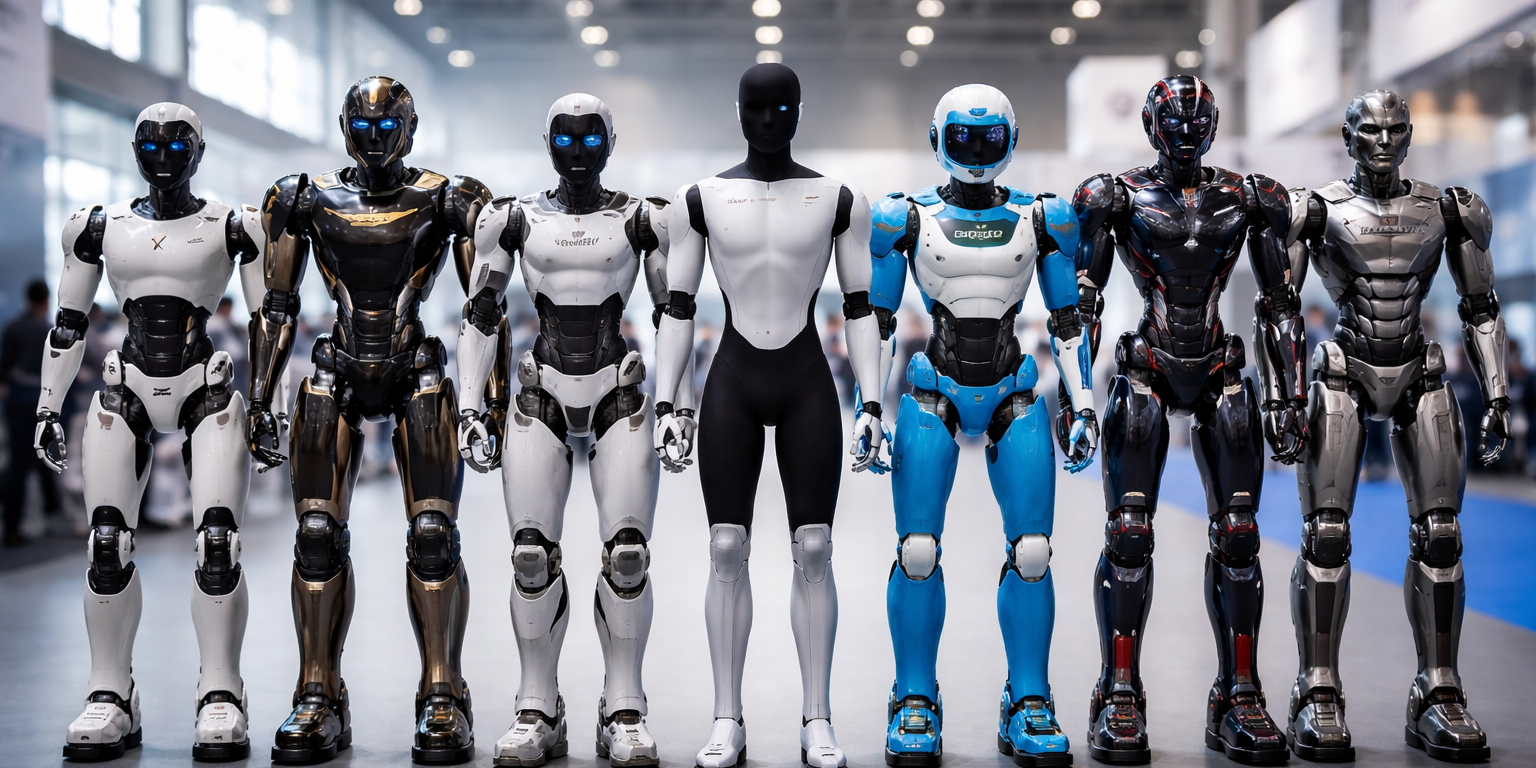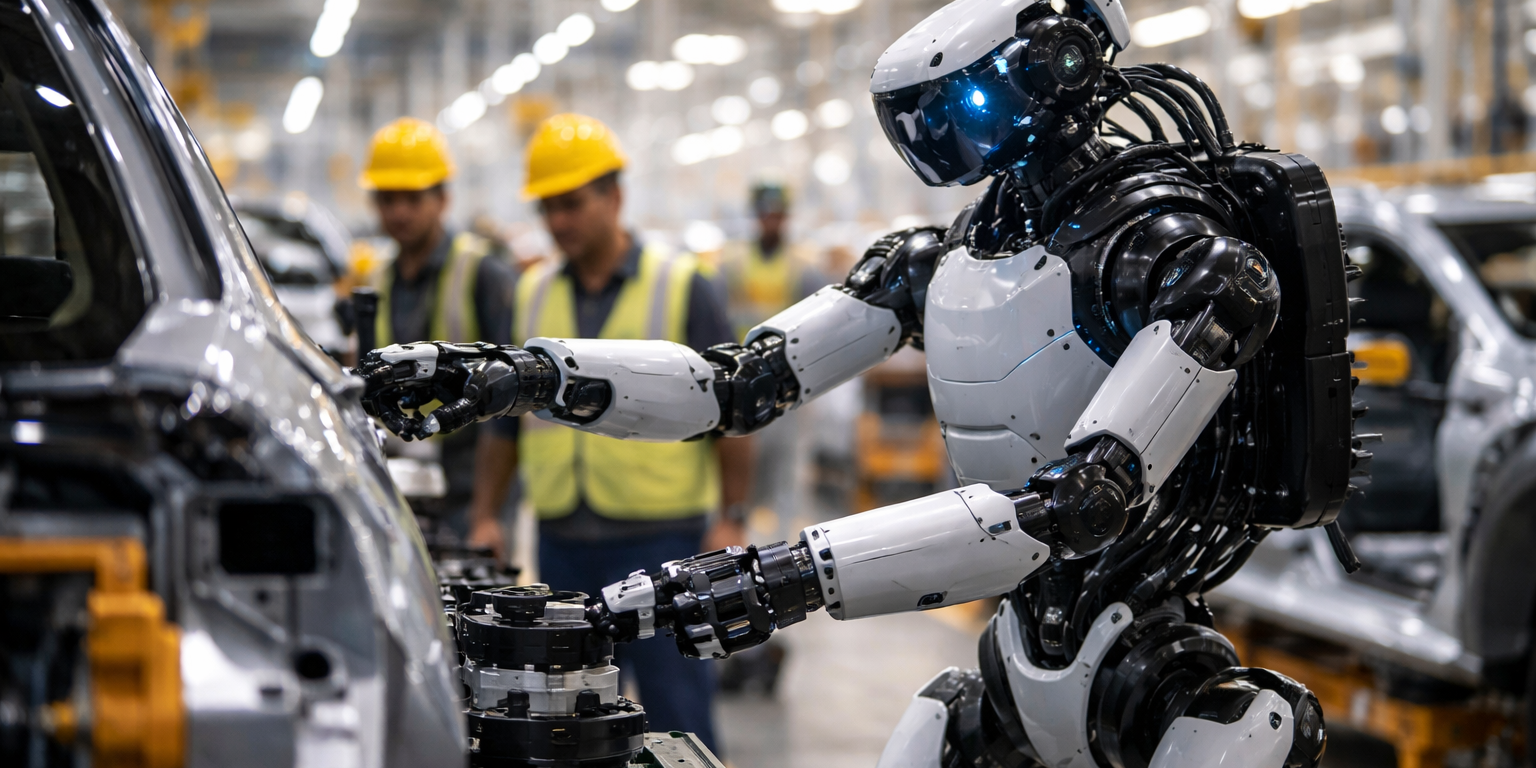
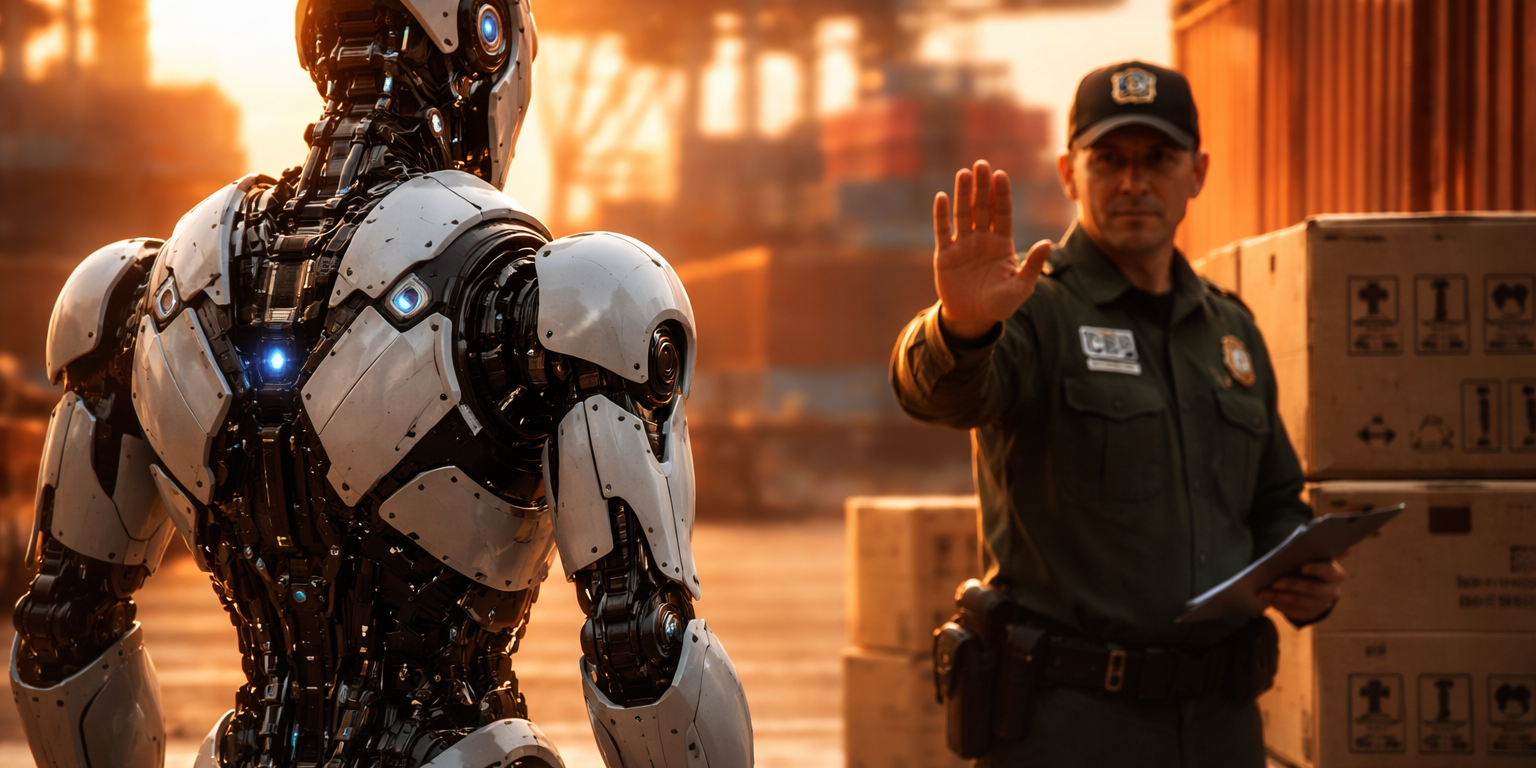
The White House issued an executive order last week blocking the import of foreign-manufactured humanoid robots and power inverter systems, marking the first time the federal government has directly restricted commercial robotics hardware on national security grounds. The directive, which takes effect in 120 days, applies to any humanoid platform with bipedal locomotion capabilities and onboard AI processing, as well as inverter systems rated above 10 kilowatts used in robotic power management. Companies currently sourcing these components from China, South Korea, or other non-allied nations face immediate supply chain disruptions. The order carves out exceptions for academic research and allows case-by-case waivers for defense contractors, but establishes no transition period for commercial deployments already in progress. Trade lawyers interviewed for this story said the language is broad enough to affect everything from warehouse automation pilots to entertainment robotics, potentially stalling dozens of deployments scheduled for late 2026 and early 2027.
The policy shift follows eighteen months of closed-door briefings between the Commerce Department, Pentagon officials, and executives from Figure AI, Apptronik, Agility Robotics, and other domestic manufacturers. Sources familiar with the discussions said concerns centered on two vulnerabilities: the concentration of humanoid robot production in Shenzhen and Dongguan, where an estimated 60 percent of global output originates, and the reliance on foreign-made silicon carbide inverters that manage power distribution in mobile robots. One defense official, speaking on condition of anonymity, said the trigger was a classified intelligence assessment showing that certain Chinese-manufactured humanoids contained network interfaces capable of exfiltrating facility layouts and operational data even when disconnected from corporate networks. The Commerce Department declined to confirm specifics but noted in a statement that "emerging dual-use technologies require the same scrutiny we apply to semiconductors and telecommunications equipment." The administration has committed $2.1 billion in federal grants and loan guarantees to support domestic humanoid manufacturing, with the first facilities expected to begin production in Ohio and Arizona by mid-2027.
The immediate impact falls hardest on logistics companies that have already deployed foreign-built systems. A regional fulfillment operator in Pennsylvania confirmed it received notice last week that its fleet of twelve Chinese-manufactured sorting robots must be removed from service by November unless the company obtains a Commerce Department exemption. The robots, which cost approximately $87,000 per unit when purchased in 2025, represent a sunk investment the company cannot easily replace with domestic alternatives that remain in pre-production or pilot phases. Sanctuary AI, the Vancouver-based robotics firm that manufactures its Phoenix humanoid in partnership with suppliers across Asia, told investors it is evaluating whether to establish U.S. assembly operations or exit the American market entirely. Unitree, the Hangzhou company whose H1 humanoid has been adopted by several university research labs, has not commented publicly but industry sources say the firm is exploring partnership structures that would allow licensed production in the United States. The ban does not affect robots already in the country, but it prohibits replacement parts and software updates originating from foreign entities, creating a compliance minefield for operators.
Power inverter restrictions carry equally significant consequences for the broader automation sector. Silicon carbide inverters, which convert DC battery power to AC for motors with minimal energy loss, have become standard in mobile robots from humanoids to autonomous ground vehicles. Roughly 70 percent of these components come from suppliers in Japan, South Korea, and China, with limited domestic production capacity. Wolfspeed and ON Semiconductor, the two major U.S. manufacturers, have announced capacity expansion plans but acknowledge they cannot meet demand until 2028 at the earliest. Short-term, robotics companies face a choice between stockpiling imported inverters before the ban takes effect or redesigning systems around less efficient alternatives. Figure AI's CEO confirmed the company already sources inverters domestically but noted that "the supply base is thin and pricing is 40 percent higher than offshore options." Agility Robotics, which manufactures its Digit robot in Oregon, said it maintains a six-month buffer stock of critical components but expressed concern about smaller competitors without similar resources or procurement leverage. The inverter shortage could slow commercialization timelines across the industry, particularly for startups operating on tight capital constraints.
What to Watch: Commerce Department begins accepting waiver applications in October, with initial rulings expected by December 2026—watch for which companies receive exemptions and under what conditions. Figure AI and Apptronik are both rumored to be expanding manufacturing capacity ahead of demand surges from competitors forced to reshore production. Silicon carbide inverter pricing and lead times will signal whether domestic suppliers can scale quickly enough to prevent a broader slowdown in robotic deployments through 2027 and 2028.