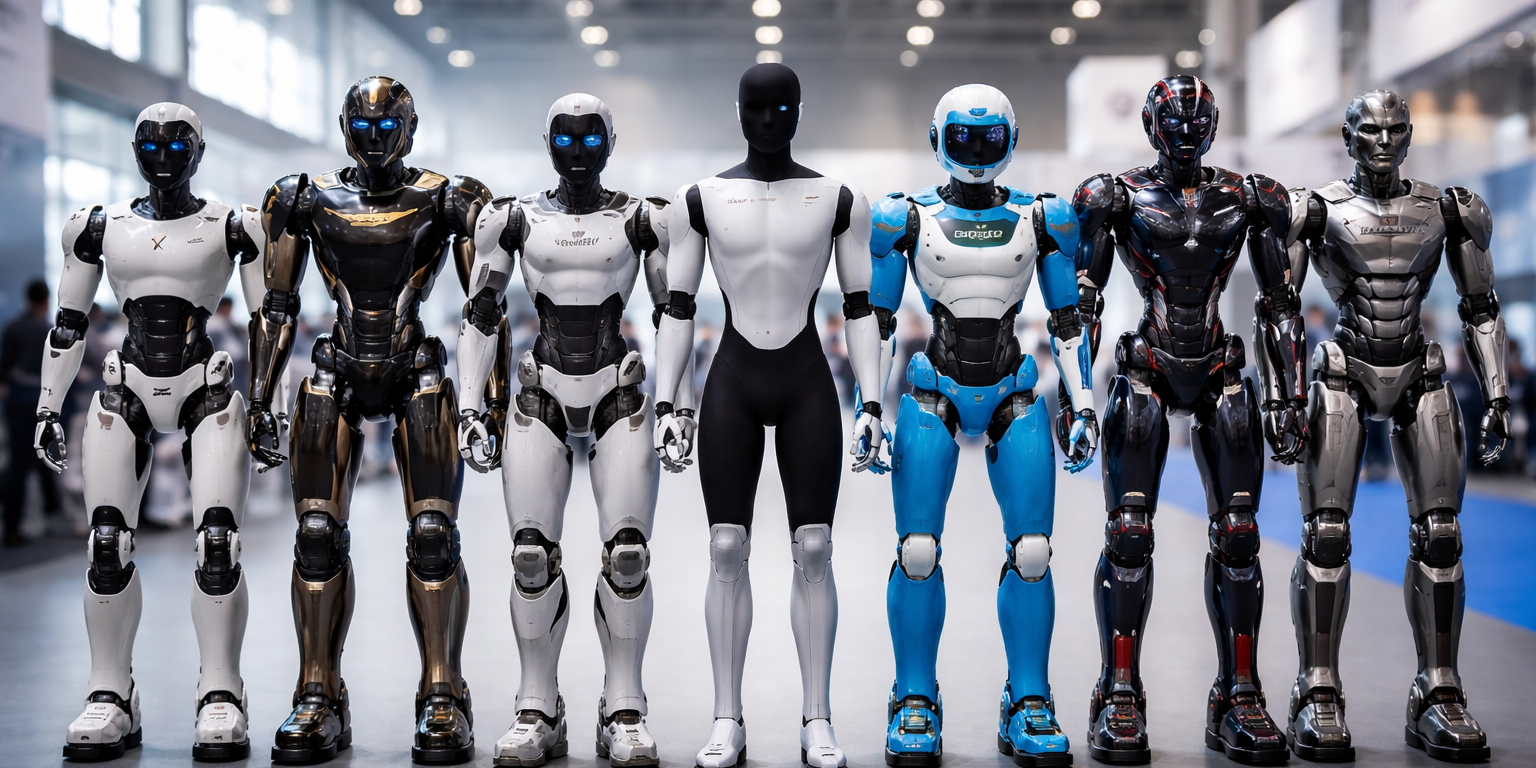
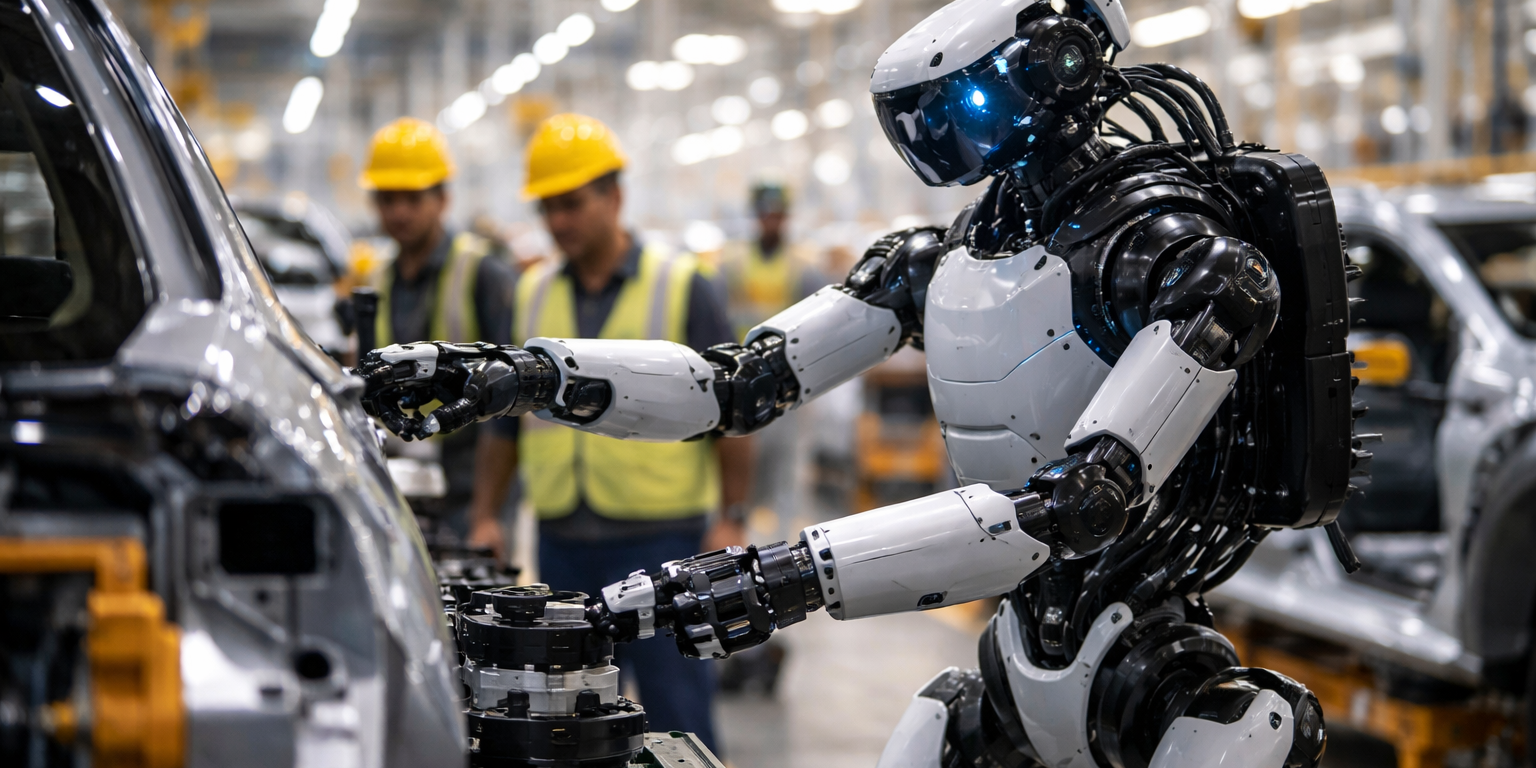
More than 3,000 Chinese consumers placed orders for a full-size humanoid companion robot in the first eight days it appeared on JD.com, suggesting demand for emotionally interactive robots may be outpacing interest in household task automation among early adopters. UWORLD, the consumer-focused brand spun out from Shenzhen-based UBTECH Robotics, launched what it calls the world's first full-size ultra-bionic humanoid companion on June 2 exclusively through the e-commerce platform. The velocity tells a different story than most humanoid sales trajectories: companion robots designed for conversation and presence are finding traction faster than their utility-focused cousins.
UBTECH has built its reputation on education and entertainment robots since its founding in 2012, shipping millions of smaller humanoid units into schools and consumer electronics channels globally. The company went public on the Hong Kong Stock Exchange in December 2023, raising approximately $400 million and positioning itself as one of the few profitable players in the humanoid space. UWORLD represents a strategic pivot toward intimacy over function. Where UBTECH's Walker series emphasizes mobility and manipulation for industrial inspection or elderly care tasks, UWORLD's first product strips away utilitarian features in favor of encrypted memory storage for conversations, extensive cosmetic personalization, and what the company describes as emotional bonding capability. The product is restricted to adult purchasers only, though UWORLD has not publicly disclosed pricing, technical specifications, or the robot's height and weight. JD.com listings typically show inventory levels and customer reviews, but detailed teardowns have not yet surfaced from the engineering community.
The Chinese humanoid market has become a proving ground for divergent robot philosophies. Xiaomi's CyberOne remains a research platform. Fourier Intelligence and UBTECH's own Walker X have pursued healthcare and light industrial applications. But companion robots occupy different design territory entirely, prioritizing lifelike motion, facial expressiveness, conversational AI, and long-term user relationship modeling over payload capacity or task completion speed. Japan's Gatebox holographic companion and SoftBank's Pepper showed earlier demand signals, but neither achieved full-size humanoid form factors or claimed sales velocities approaching UWORLD's first-week figures. The 3,000-unit mark also exceeds early sales reported by several U.S. and European humanoid startups targeting home automation, most of which measure first-year shipments in the hundreds. Whether UWORLD can sustain order flow past the early-adopter phase remains an open question, but the launch momentum suggests a segment of the consumer robotics market is willing to pay for presence rather than productivity.
The regulatory and ethical dimensions deserve attention. Adult-only sales restrictions hint at sensitivity around parasocial relationships and potential misuse cases, especially given the robot's encrypted memory feature, which implies private data storage with limited third-party oversight. China's personal information protection law, which took effect in November 2021, requires explicit consent for biometric and behavioral data collection, but enforcement in consumer robotics remains uneven. UWORLD has not disclosed where conversation data is stored, whether it remains on-device or syncs to cloud infrastructure, or how the encryption keys are managed. For enterprise buyers evaluating humanoid platforms, these questions matter less. For consumers forming daily emotional bonds with a physical robot, data sovereignty and privacy architecture become central to the value proposition. UBTECH's experience navigating China's regulatory environment for education robots may provide some template, but companion robots designed explicitly for emotional attachment will likely face different scrutiny as unit volumes grow. The company's ability to scale production while maintaining data security and managing user expectations around the robot's capabilities will determine whether this launch velocity translates into a sustainable product line or a cautionary tale about overpromising intimacy.
What to Watch: Monitor whether UWORLD discloses pricing and full technical specifications within the next 30 days, as transparency on both will shape competitive responses from Xiaomi, Fourier, and international players. Track JD.com inventory levels and customer review sentiment through July to assess retention past the early-adopter wave. Watch for regulatory guidance from China's Ministry of Industry and Information Technology on data handling standards specific to companion robots, especially given the adult-only restriction and encrypted memory claims. Any partnerships UBTECH announces with conversational AI providers like Baidu or SenseTime will signal the underlying language model powering UWORLD's interaction capabilities.