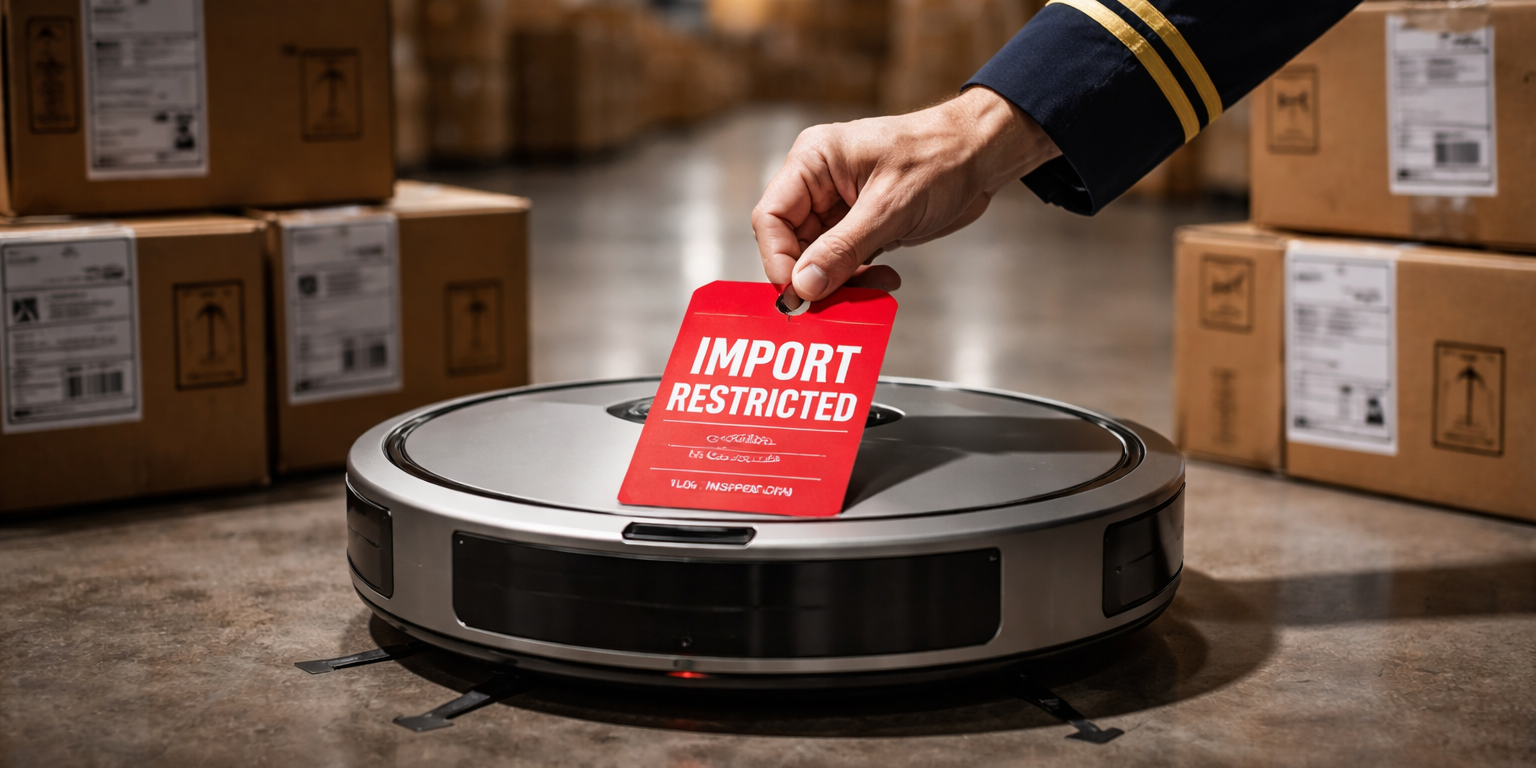
The Federal Communications Commission shut the door on foreign-made robot vacuums and a range of autonomous systems this week, finalizing import restrictions that industry observers have characterized as the most aggressive regulatory intervention in consumer robotics to date. The ban applies to devices incorporating advanced sensors, wireless connectivity, and autonomous navigation capabilities manufactured outside United States territory. iRobot, which assembles Roomba units domestically using some imported components, now holds a structural advantage over competitors like Roborock, Ecovacs, and Samsung, all of which rely on Asian manufacturing footprints. The prohibition takes effect immediately for new shipments, though retailers may sell through existing warehouse stock under provisions that exempt inventory already cleared through customs before the announcement.
The FCC framed the action as a national security imperative, citing concerns about data collection embedded in devices that map interior spaces, monitor household patterns, and transmit information to cloud servers controlled by foreign entities. Commissioner Nathan Simington, in remarks accompanying the final rule, pointed to forensic analysis showing that certain robot vacuum models relay floor plans, WiFi network identifiers, and usage timestamps to servers in Shenzhen and Seoul. The agency stopped short of naming specific manufacturers in the public order, but industry sources confirmed that devices from Dreame Technology, Roborock Technology, and Ecovacs Robotics triggered the investigation following a Defense Department audit of consumer electronics purchased for use in government facilities. Those three companies commanded roughly 38 percent of the US robot vacuum market in the first quarter of this year, according to data from NPD Group, making the ban a material disruption to retail supply chains already strained by tariff escalations enacted in late 2025.
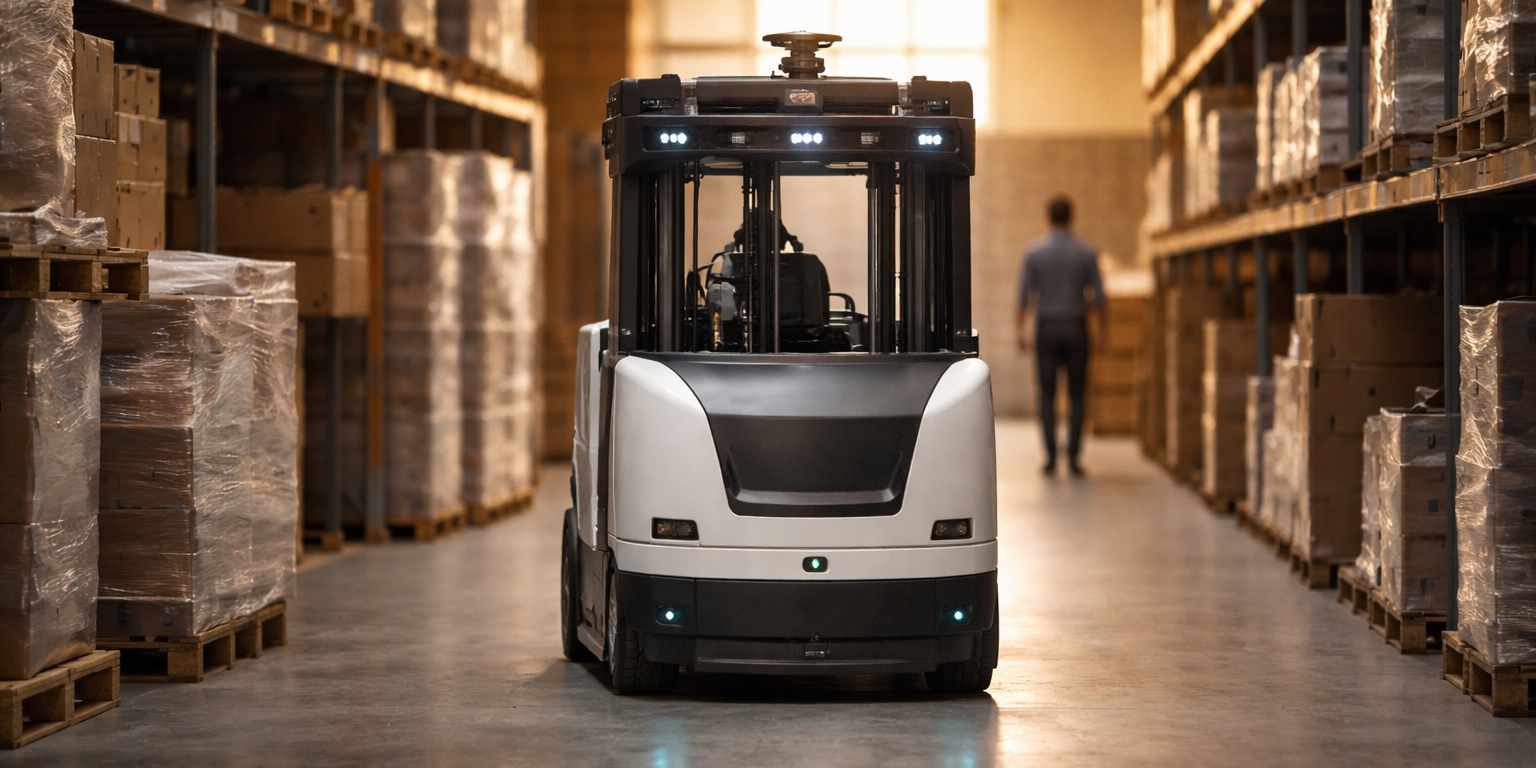
The scope extends well beyond household appliances. Industrial autonomous mobile robots used in warehouses, hospitals, and manufacturing plants face identical restrictions if manufactured abroad and equipped with lidar, computer vision, or networked control systems. That definition captures products from Geek+, a Beijing-based logistics robotics firm that has deployed more than 1,200 units across North American fulfillment centers since 2023, and from Doosan Robotics, a South Korean manufacturer supplying collaborative mobile platforms to automotive suppliers in Tennessee and Alabama. Neither company responded to requests for comment by press time, but distributors confirmed that outstanding orders placed by US customers have been frozen pending clarification on whether modifications to data handling protocols might satisfy FCC requirements. The regulatory text leaves that door open, specifying that manufacturers may apply for case-by-case exemptions if they demonstrate air-gapped operation, exclusive use of onboard processing without cloud connectivity, or third-party audits confirming that no sensor data leaves the device.
The immediate beneficiaries are domestic manufacturers with established production capacity on American soil. iRobot, which filed for Chapter 11 bankruptcy protection in March after Amazon abandoned a proposed acquisition, has seen its share price climb 19 percent since rumors of the ban surfaced in June. The company operates assembly lines in Massachusetts and has committed to sourcing 80 percent of componentry from North American suppliers by the end of 2027, positioning itself to capture market share evacuated by Chinese rivals. Smaller players stand to gain as well: Neato Robotics, recently acquired by a private equity consortium, announced plans to reshore manufacturing from Malaysia to a facility outside Austin, while Trifo, a Santa Clara startup, is accelerating development of a mid-range vacuum using Qualcomm's latest robotics processor. On the industrial side, Fetch Robotics and 6 River Systems, both owned by Ocado Group, have highlighted their US manufacturing credentials in pitches to warehouse operators suddenly unable to expand fleets of Geek+ units. The shift arrives as logistics operators face a capacity crunch heading into the peak shipping season, leaving some distribution centers scrambling to identify compliant alternatives before fourth-quarter volume surges.
What to Watch: Monitor whether the FCC grants any exemptions to foreign manufacturers willing to restructure data handling, with initial rulings expected by mid-September. Track inventory clearance at major retailers, particularly Best Buy and Amazon, where discounted foreign-brand robot vacuums may flood the market before the ban fully takes hold. Pay attention to whether iRobot emerges from bankruptcy proceedings strengthened by the competitive tailwind, with creditors scheduled to vote on a reorganization plan in October. Finally, watch for retaliatory measures from China's Ministry of Commerce, which has historically responded to US technology restrictions with export controls on rare earth minerals and robotics components.