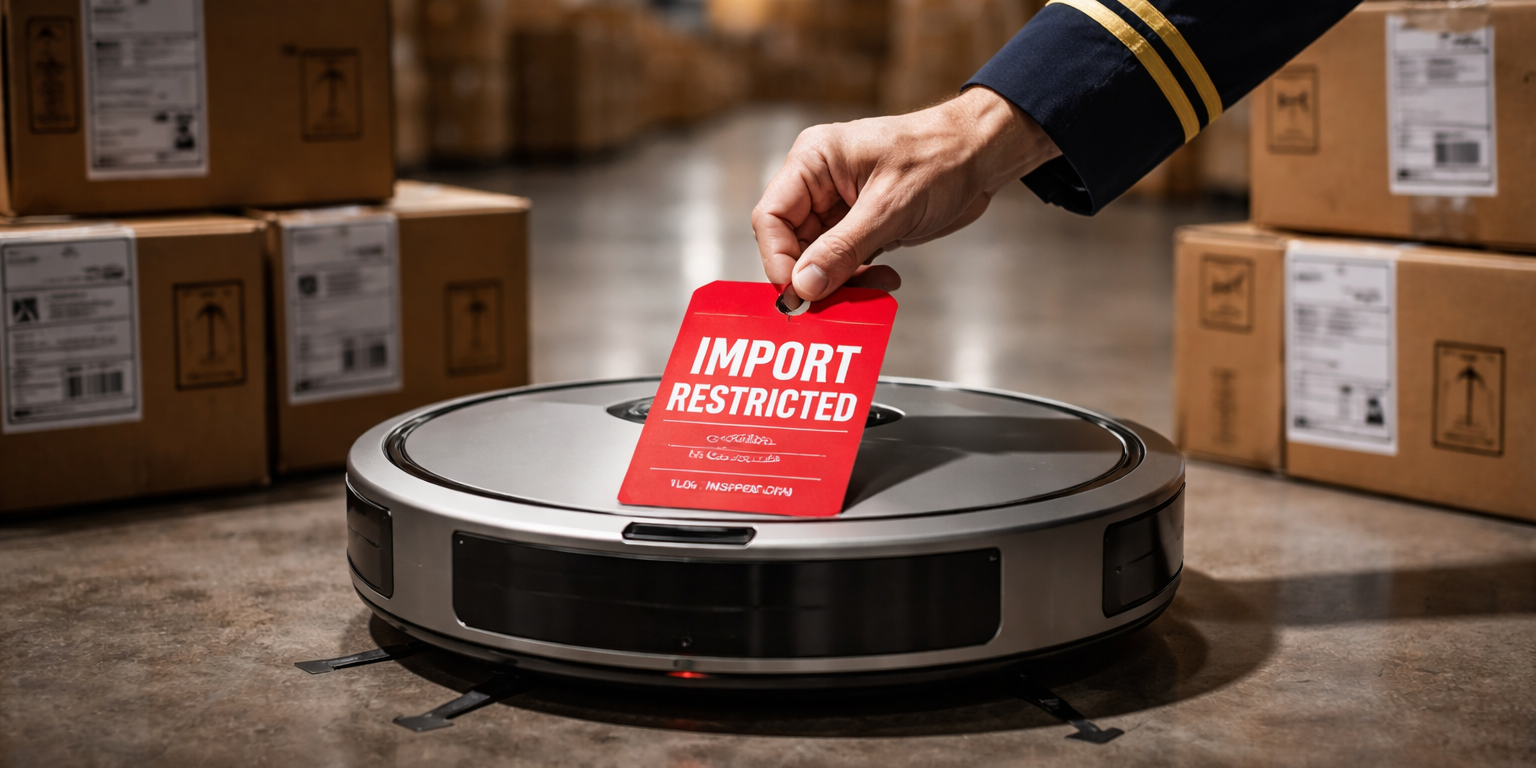
Opentrons now offers pharmaceutical-grade regulatory compliance as a software package for its Flex liquid handling robots, addressing 21 CFR Part 11 requirements that govern electronic records and digital signatures in FDA-regulated facilities. The Compliance Ready Software launched this month covers the company's installed base of 10,000 robots operating across research institutions and production sites globally. Unlike traditional lab automation vendors who bundle compliance capabilities into premium hardware platforms costing $150,000 or more, Opentrons delivers these features as a software layer atop systems that start around $20,000. The approach reflects a calculated bet that life sciences companies will accept compliance software from a vendor better known for open-source research tools than for validated manufacturing equipment. For labs running early development work on Opentrons hardware, the software potentially eliminates a forced migration to Tecan, Hamilton, or other established suppliers when projects advance to regulated production phases.
The compliance software addresses specific technical requirements that pharmaceutical manufacturers must satisfy during FDA inspections and regulatory submissions. Part 11 mandates audit trails showing who performed each operation, when modifications occurred, and how electronic signatures authenticate critical steps in drug manufacturing or diagnostic test production. Opentrons built these logging and access control features directly into the Flex operating system rather than offering them as optional add-ons, making compliance the default state rather than an activated mode. The company also provides documentation templates and validation protocols that quality assurance teams need when qualifying automated systems for use in commercial manufacturing. These materials reduce the validation timeline from months to weeks according to Opentrons, though actual implementation periods vary based on each facility's standard operating procedures and risk assessment frameworks. Labs using earlier Opentrons models including the OT-2 platform cannot upgrade to the compliance software, limiting the feature to Flex systems purchased since that platform launched in 2023.
Opentrons carved out market share over the past decade by pricing liquid handlers at roughly one-tenth the cost of Swiss and German incumbents while publishing all hardware designs and software code under open licenses. That strategy resonated with academic labs operating on grant funding and early-stage biotechs prioritizing throughput over regulatory readiness. The installed base grew from several hundred units in 2018 to 10,000 by early 2025, with concentrations in genomics labs, drug discovery groups, and research core facilities. But the open-source positioning created perception challenges in regulated manufacturing environments where quality systems emphasize vendor stability, long-term support commitments, and validated change control processes. Compliance Ready Software represents the company's most direct attempt to reposition from research supplier to manufacturing partner. The software itself remains proprietary rather than open-source, a departure from Opentrons' founding principles that acknowledges the documentation and support requirements pharmaceutical companies expect from systems handling commercial production. Whether quality assurance teams at major pharmaceutical manufacturers will accept compliance software from Opentrons depends partly on field performance data that will accumulate over the next 18 to 24 months as early adopters complete validation studies.
Broader industry dynamics make this software release particularly well-timed for Opentrons. Cell and gene therapy manufacturers face intense pressure to reduce production costs while maintaining quality standards, creating demand for automation that delivers both precision and affordability. Contract development and manufacturing organizations serving these customers increasingly evaluate liquid handling options beyond the traditional Swiss and German vendors, especially for specialized applications like viral vector production or CAR-T cell processing where custom automation often proves necessary. Thermo Fisher Scientific acquired clinical sample management specialist Momentum Bioscience in November 2024 for undisclosed terms, signaling continued consolidation among lab automation suppliers and potential exit opportunities for private companies including Opentrons. The Brooklyn company raised $50 million in Series B funding in 2021 at a valuation reportedly near $500 million, though it has not disclosed subsequent fundraising or current financial performance. Competition in compliant liquid handling includes not just established hardware vendors but also software companies like Synthace and Benchling that provide digital lab platforms with built-in compliance features, creating a race to control the data layer above physical automation equipment.
What to Watch: Track how many of Opentrons' 10,000 deployed systems actually implement the Compliance Ready Software over the next six months, as uptake rates will indicate whether existing customers see value in the compliance features or view them as unnecessary overhead. Monitor whether Opentrons announces partnerships with major pharmaceutical manufacturers or CDMOs during Q2 2025, which would validate the software's acceptance in regulated environments. Watch for FDA inspection outcomes at facilities using Compliance Ready Software, as successful audits will provide the field evidence quality assurance teams need before broad adoption.