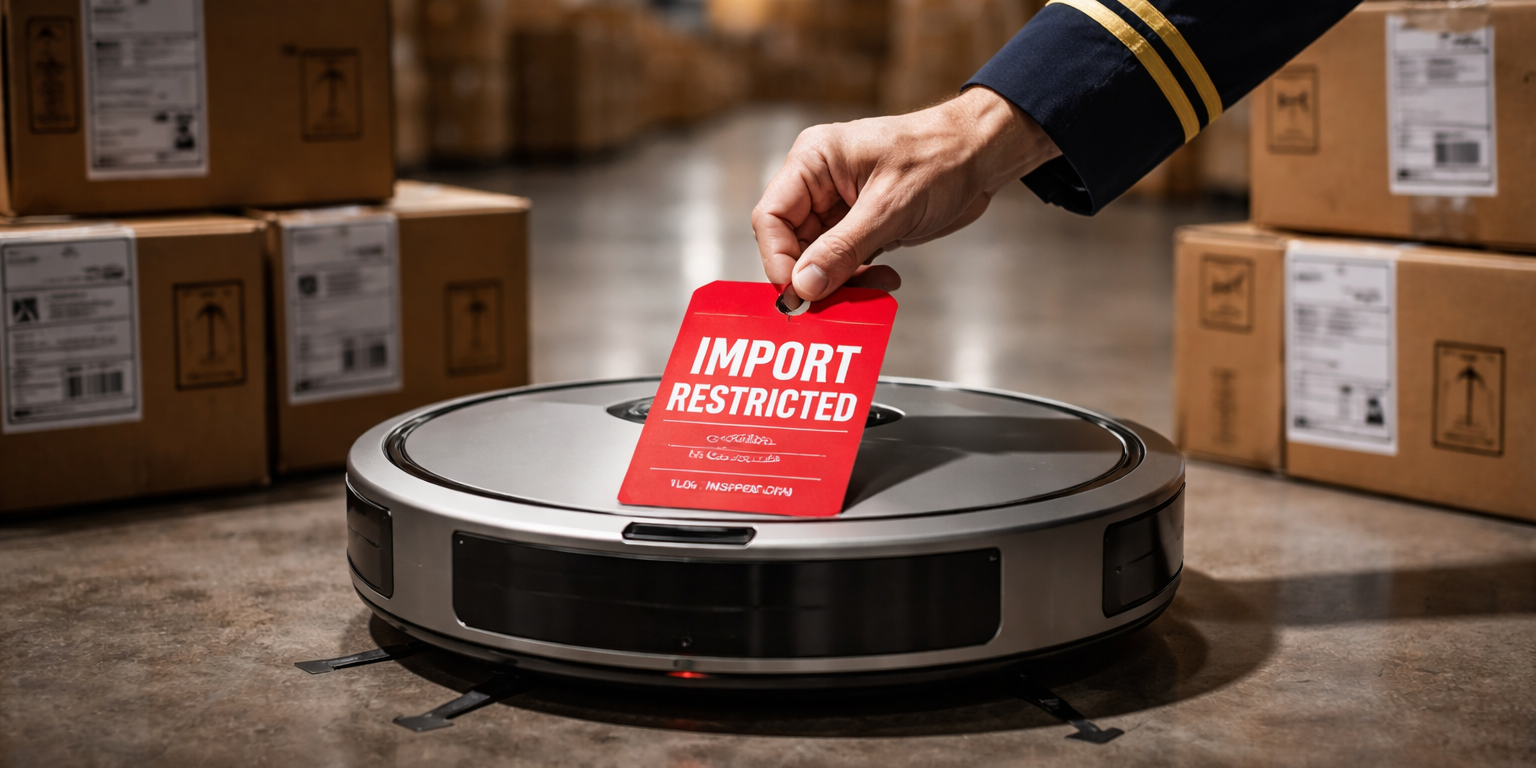
The State Administration for Market Regulation opened a 30-day comment period Wednesday on regulations that would outlaw selling goods at a loss and using subsidies to disrupt markets, practices that have fueled a years-long race to the bottom among Chinese food-delivery platforms. The draft rules apply directly to the algorithmic pricing engines and fleet-management systems that power Meituan's 6.8 million daily deliveries and Alibaba-owned Ele.me's network of over 3 million couriers, many of whom rely on routing software that functions as a distributed robotics system coordinating pickups, drop-offs, and time-sensitive inventory across hundreds of cities. For robotics engineers, the policy represents Beijing's first major intervention into how autonomous commercial systems compete when their core function involves real-time price optimization at massive scale. The proposed regulations identify specific prohibited activities: platforms cannot funnel subsidies to certain merchants while excluding others, cannot require restaurants to choose exclusive partnerships in exchange for better algorithmic visibility, and cannot deploy pricing strategies designed primarily to eliminate competitors rather than serve consumers. SAMR's statement did not quantify the scale of current subsidy spending, but industry observers estimate the top two platforms burn through billions of yuan annually on discount campaigns, much of it mediated by machine-learning models that adjust voucher amounts thousands of times per day based on local demand, weather patterns, and competitor activity.
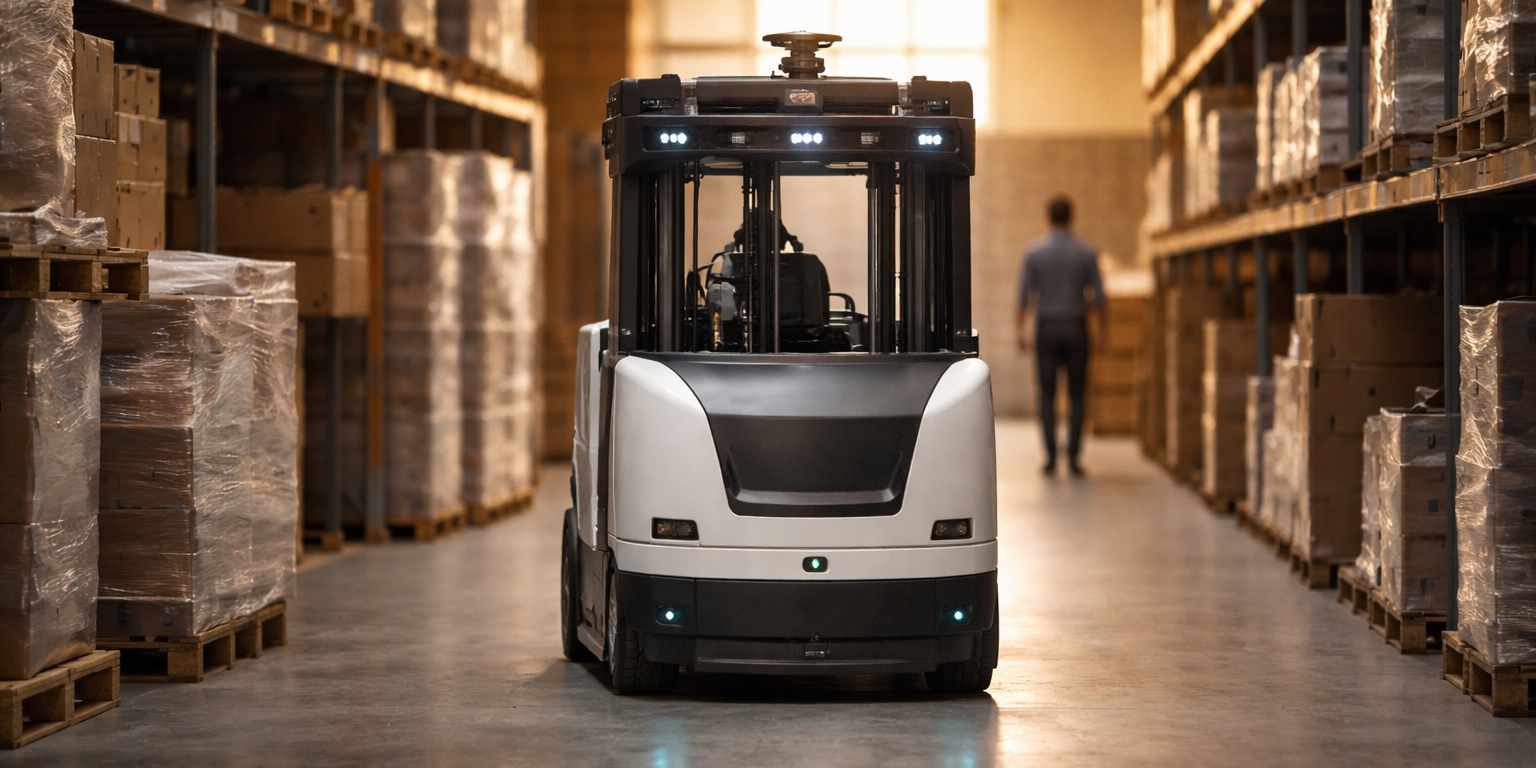
The crackdown arrives as food-delivery platforms increasingly resemble mobile robotics operations rather than simple software intermediaries. Meituan operates an experimental fleet of autonomous delivery vehicles in multiple Chinese cities, including six-wheeled sidewalk robots and larger street-legal vehicles for high-density routes. Ele.me has deployed similar units and runs partnerships with Cainiao Network on drone delivery for rural areas. Both companies treat their human couriers as nodes in a logistics network managed by centralized dispatch algorithms that share architectural DNA with warehouse automation and fleet coordination systems. The draft regulations do not directly address autonomous vehicles, but they impose transparency requirements on how platforms allocate delivery tasks and structure incentive payments, provisions that could affect how routing algorithms prioritize efficiency against fairness. A Meituan spokesperson declined to comment on the proposed rules. Alibaba did not respond to requests for comment by press time. The regulatory filing follows similar measures in ride-hailing, where authorities in 2021 began requiring Didi and competitors to disclose fare calculation methods and guarantee minimum earnings for drivers, constraints that forced changes to how dynamic pricing engines balance surge multipliers against driver retention.
Beijing's intervention reflects a broader reassessment of platform economics across sectors where algorithms make resource-allocation decisions at speeds and scales impossible for human oversight. Food delivery represents an extreme case: orders surge during meal hours, creating tight time windows where small pricing differences can shift enormous volumes between platforms. Subsidies function as a blunt instrument to capture that demand, but they also distort signals that would otherwise guide investment in physical infrastructure, from cloud kitchens to automated micro-fulfillment centers. The draft rules prohibit platforms from using subsidies to maintain unprofitable pricing indefinitely, a practice regulators argue prevents market maturation and keeps the sector dependent on venture capital rather than operational efficiency. For companies developing robotics solutions for last-mile delivery, the shift matters because platforms under pressure to reach profitability may accelerate adoption of autonomous systems that reduce per-delivery labor costs. Meituan has publicly stated it views robotics as essential to sustainable unit economics in low-density areas where human couriers demand higher pay for longer routes. The company's self-driving delivery pods, manufactured in partnership with robotics firms including Neolix and Woowa Brothers, completed over 3.6 million autonomous orders in 2023 according to its annual report, though that remains a small fraction of total volume.
The regulatory framework extends beyond pricing to cover data practices and merchant relations, areas where food-delivery platforms have faced criticism for leveraging their position as gatekeepers between restaurants and consumers. The draft rules would prohibit platforms from forcing merchants to provide data beyond what is necessary for transaction completion, a provision aimed at curbing the accumulation of proprietary datasets on local dining preferences, traffic patterns, and price elasticity that platforms use to train recommendation algorithms and optimize delivery routes. They would also ban requirements that merchants sign exclusive deals blocking them from listing on competitor platforms, arrangements that regulators argue reduce innovation and prevent smaller platforms from gaining the scale necessary to deploy advanced logistics technology. The public comment period runs through July 17, after which SAMR will review feedback and publish final regulations, likely with an implementation timeline extending into 2025. Industry groups representing restaurants and consumer advocates have already submitted preliminary responses, with restaurant associations generally supporting measures that limit platform leverage while delivery workers' organizations have expressed concern that reduced subsidies could lead to lower order volumes and decreased earnings for couriers who lack employment protections.
What to Watch: Final regulations expected by late July or early August will clarify whether enforcement applies retroactively or only to future subsidy campaigns, a distinction that could trigger write-downs if platforms must unwind existing merchant agreements. Monitor Meituan's quarterly earnings call scheduled for late August for guidance on how subsidy reductions affect autonomous delivery deployment plans and capital allocation for robotics development. Track whether smaller platforms like Dada Nexus or regional players increase market share once pricing stabilizes, potentially creating new customers for third-party robotics providers who currently focus on the top two incumbents.