A warehouse robot running hotter than usual is a data point with at least two plausible explanations. Either a motor is beginning to fail, or the building is simply warm. A drone that drifts off its normal flight pattern presents an even wider menu: mission change, software regression, sensor spoofing, or an intrusion. Upstream, a company that spent its first decade watching millions of connected cars for exactly this kind of ambiguity, is now pointing its platform at robots, drones, and the broader category its marketing calls physical AI. The company is extending its live digital twin technology beyond automotive, betting that the hard problem in autonomy is no longer just making machines move, but knowing why they behave the way they do.
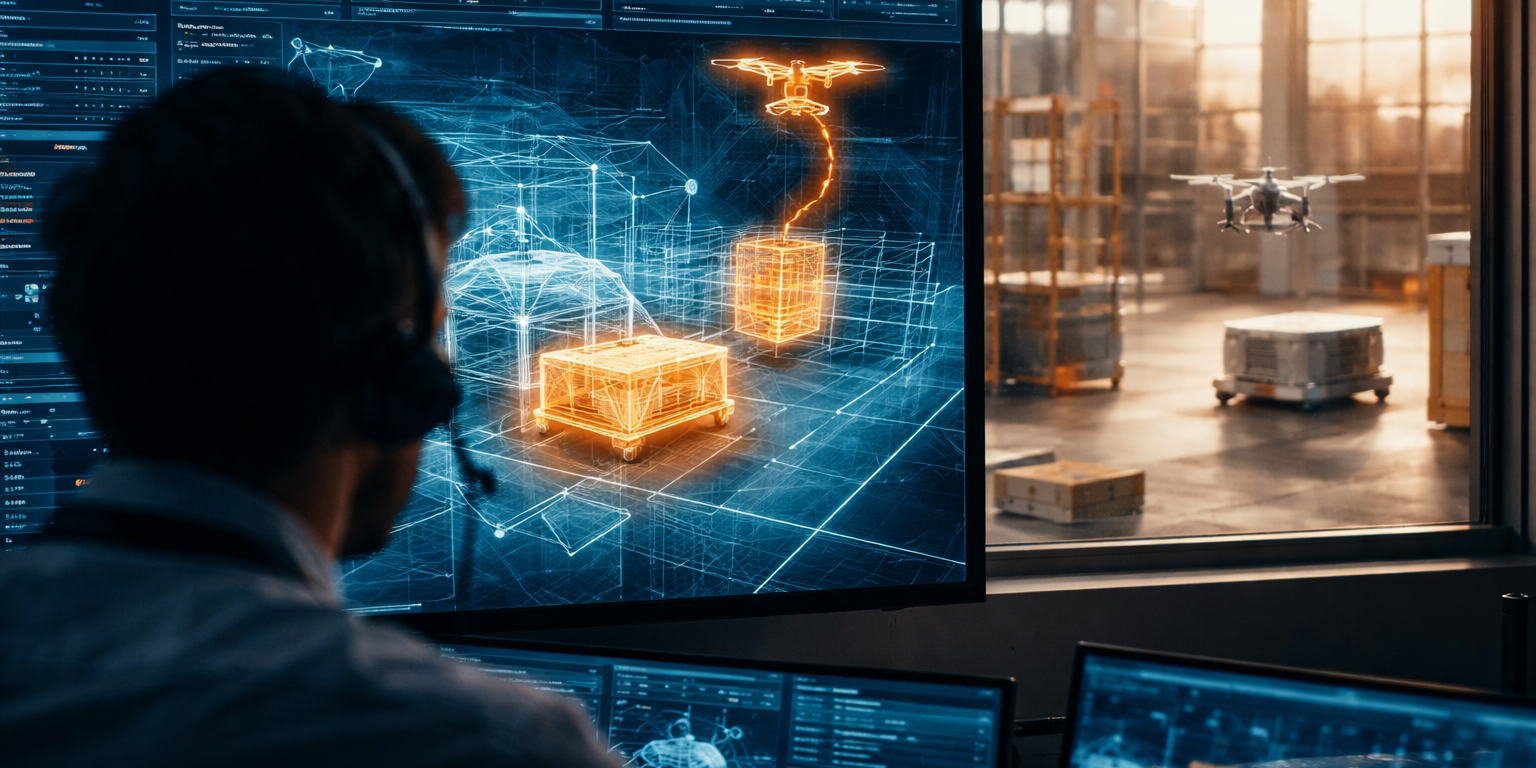
The pitch rests on a distinction that fleet operators learn the hard way. Monitoring tells you that something changed. Understanding tells you whether it matters. Upstream built its reputation in automotive by ingesting telemetry from connected vehicles at scale, then correlating it against behavioral baselines to flag anomalies that signal either wear, misuse, or attack. A live digital twin, in this framing, is not a static CAD replica but a continuously updated model of a specific machine, fed by its actual sensor and system data, and compared against how that machine, and its peers, should be behaving under comparable conditions. Context is the product. A temperature reading without ambient conditions, workload, and fleet history is noise; with them, it becomes a diagnosis.
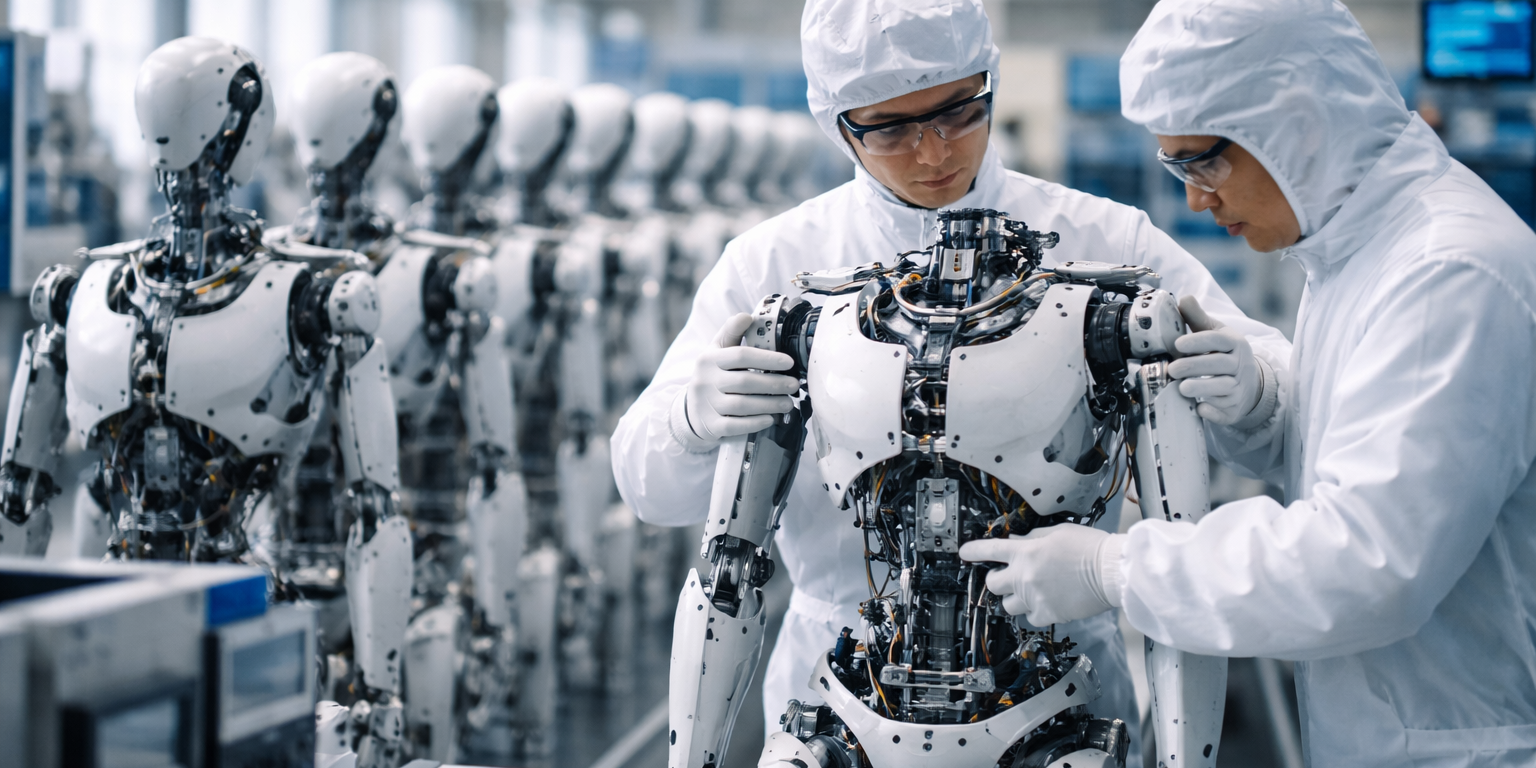
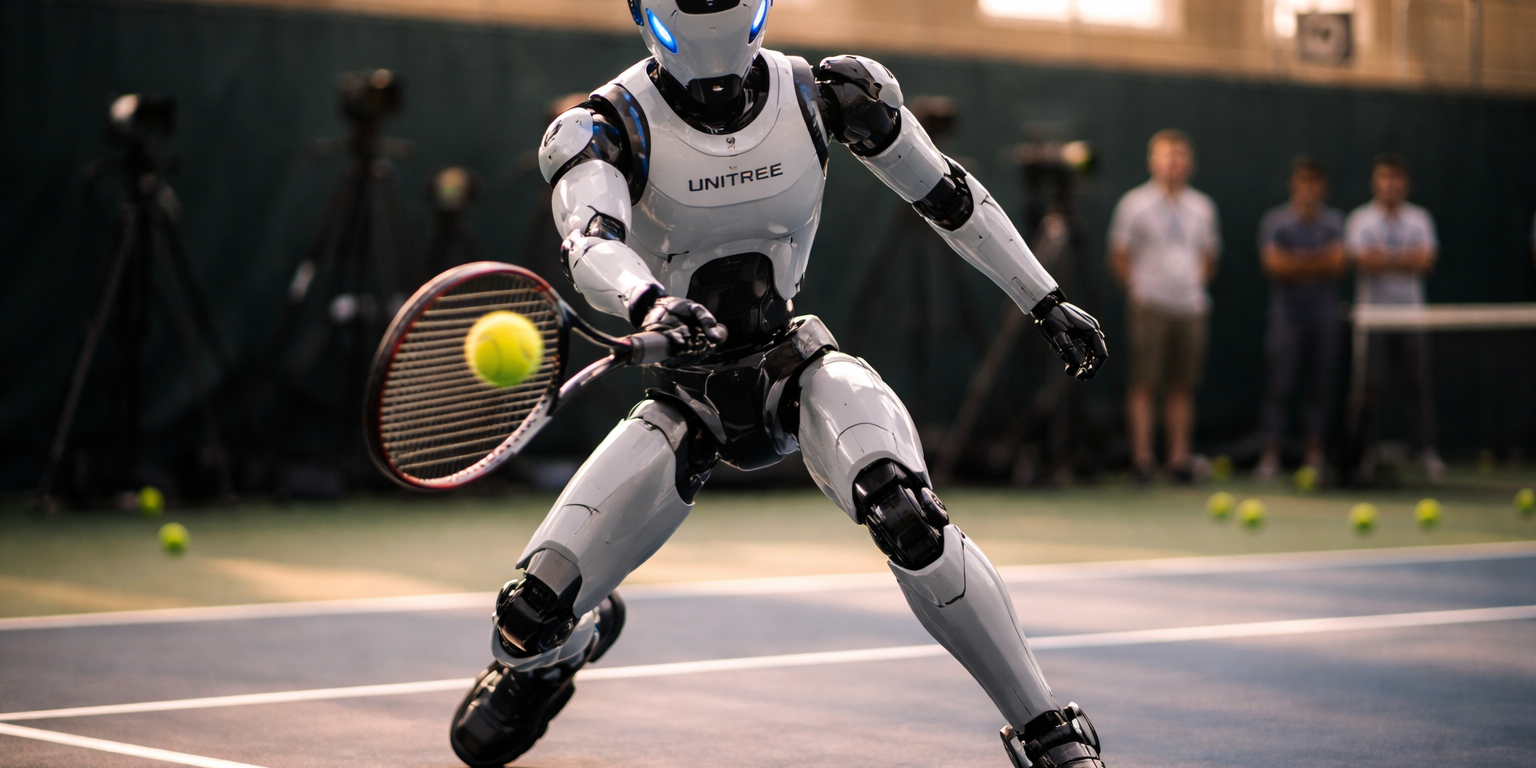
Why this matters now is a function of fleet economics. Early robot deployments were small enough that a human supervisor could eyeball problems. That stops working when a logistics operator runs hundreds of autonomous mobile robots across multiple sites, or when a humanoid pilot graduates from a handful of units to a production line. Every unexplained anomaly becomes a support ticket, every false alarm a wasted technician visit, and every missed one a potential line-down event. Humanoids sharpen the problem. A bipedal machine with dozens of actuators, each with its own thermal and torque profile, generates a far denser stream of signals than a wheeled base, and its failure modes are less well documented because few units have accumulated meaningful field hours. Vehicles have a century of failure data behind them. Humanoids have almost none.
Security is the second driver, and arguably the one that will pull budgets loose. Connected vehicles taught the industry that anything with a network connection and physical consequences is a target, and regulations such as UN R155 turned cybersecurity monitoring from a nice-to-have into a type-approval requirement for cars. Robots have no equivalent mandate yet, but the logic is migrating. A compromised warehouse robot can halt a facility; a compromised humanoid operating near people raises liability questions no insurer will ignore. Industrial customers are already asking robot makers for evidence of anomaly detection and incident response capability in procurement reviews. Upstream is positioning itself as the layer that supplies it, sitting above the robot's own controls rather than inside them, which lets a single platform watch heterogeneous fleets from multiple manufacturers.
The sharper observation is about transfer. Automotive is a consolidated domain: a few dozen OEMs, standardized buses like CAN, and mature diagnostic conventions. Robotics is the opposite, a thicket of proprietary middleware, ROS variants, bespoke firmware, and inconsistent logging. A digital twin is only as good as the data model behind it, and Upstream's real challenge is not the analytics but the integration tax of normalizing telemetry across vendors that share no common schema. The company's automotive data pipeline, built to harmonize signals across many makes and models, is the relevant asset here, and the open question is how much of it survives contact with a fleet that mixes AMRs, arms, drones, and legged machines. Competitors from industrial IoT, fleet-management software, and the robot makers' own cloud teams will argue they can do this natively. Upstream will argue that independence and cross-vendor visibility are the point.
What to Watch The first signal to track is named customers: whether Upstream announces robot or drone deployments with identifiable manufacturers or logistics operators before the end of 2026, as opposed to pilot language. Watch for any integration announcements with major robot platform vendors or cloud providers, since schema access determines how deep the twins can go. On the security side, monitor whether industry bodies or regulators move toward vehicle-style cybersecurity requirements for mobile robots, which would convert interest into mandated spend. Finally, keep an eye on humanoid pilots scaling past dozens of units in late 2026, because that is where fleet-level anomaly detection either proves its value or exposes the data gaps.