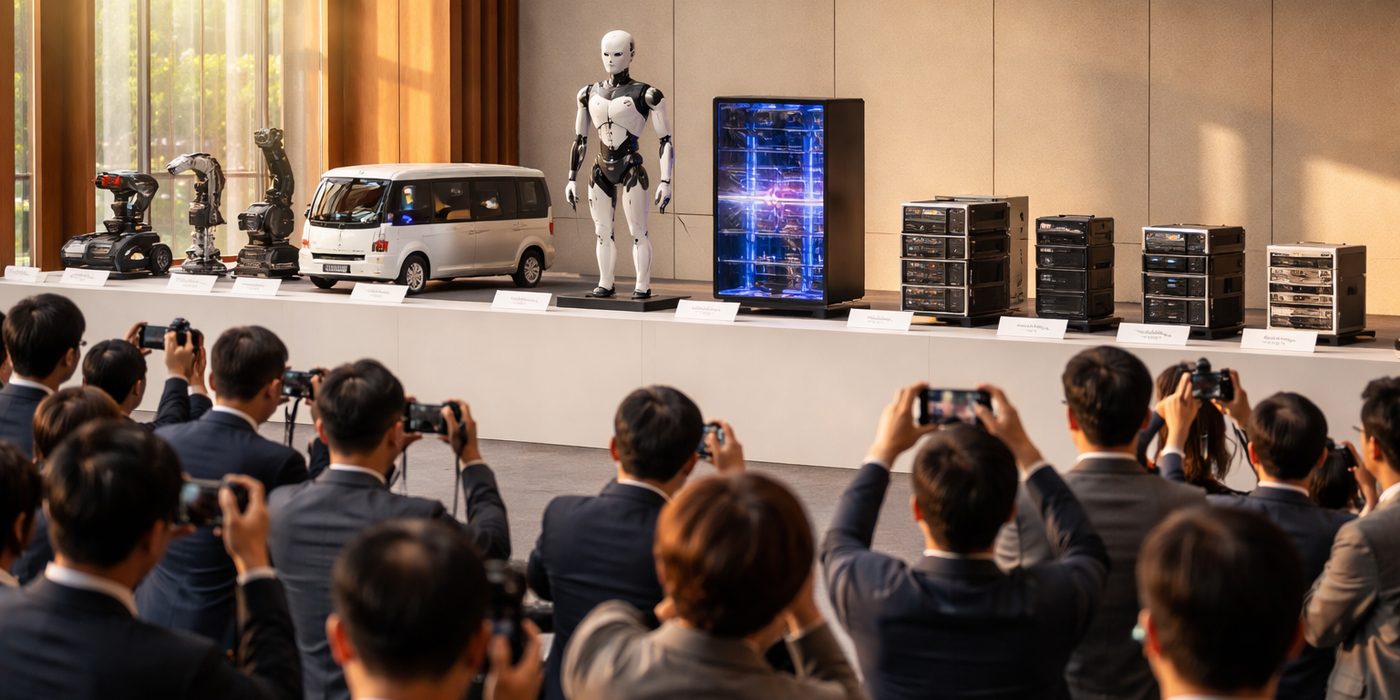
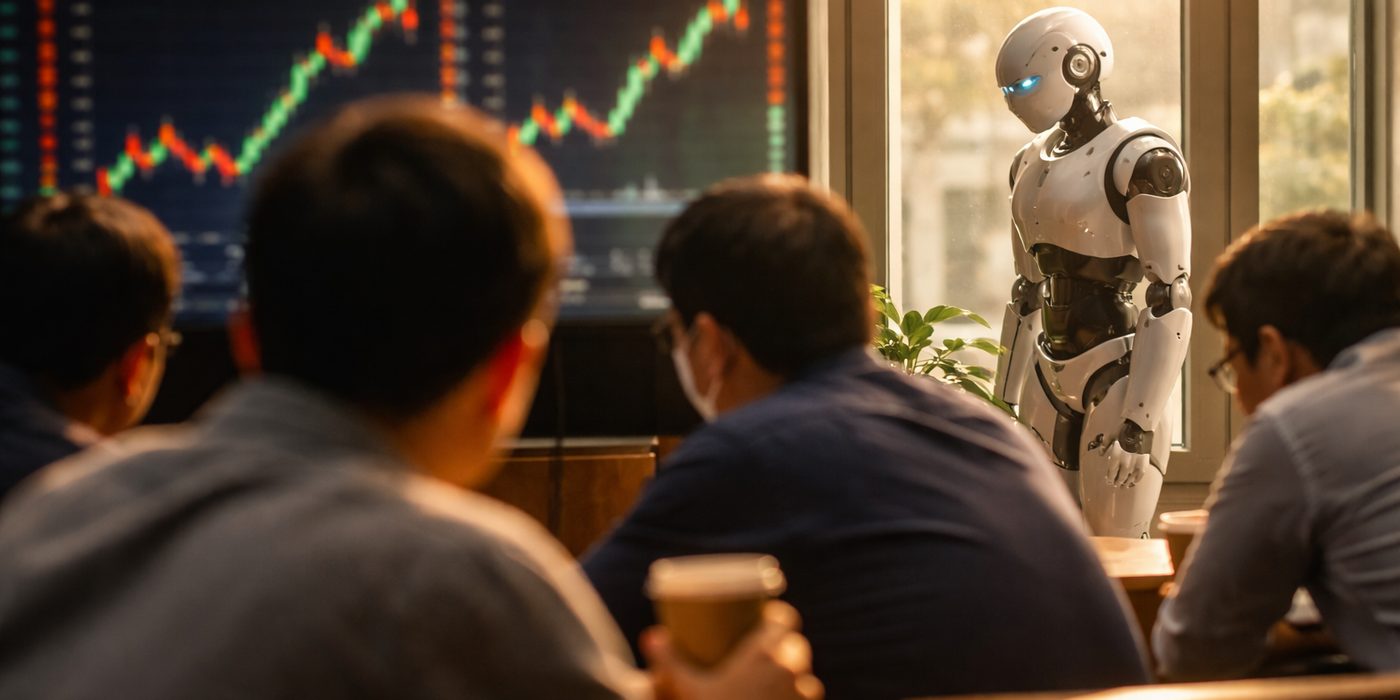
A company telling its own shareholders to slow down is not how rallies usually work. Yet that is the position Unitree Robotics has found itself in: its shares have surged more than 60% in less than two weeks, and the Hangzhou-based maker of humanoid and quadruped robots responded not with a victory lap but with a public caution about the commercial prospects of humanoid robots. The warning, reported by CNA, landed as buyers kept piling in. It is a rare moment of corporate restraint in a sector where valuation narratives often outrun shipments, and it deserves to be read as more than boilerplate.
The backdrop matters. Unitree has spent years building a reputation as the low-cost disruptor of legged robotics, undercutting Western rivals on price with products like the G1 humanoid, which launched at a headline price of roughly $16,000, and the larger H1. Its path to public markets, through Shanghai's technology-focused STAR Market, gave domestic investors something they had long wanted: a pure-play, listed humanoid manufacturer with real hardware in the field. Scarcity drives premiums. With few comparable listings available, capital has concentrated into the one name that offers direct exposure, and that concentration helps explain why a company can gain 60% in days without a corresponding change in its underlying fundamentals.
The risk language Unitree has used is where the story gets interesting for engineers and operators rather than traders. Humanoids remain, by most honest accounts, a research-and-education business with a thin commercial layer on top. Universities, labs, entertainment venues and developers buy robots like the G1 to experiment, not to replace a shift worker on a factory floor. Reliable bipedal locomotion at scale, battery life measured in hours rather than shifts, dexterous manipulation, safety certification around humans, and the cost of failure in production environments are all unsolved at a level that supports large recurring revenue. By flagging the uncertainty itself, Unitree is effectively acknowledging that the addressable market it is being valued against does not yet exist in the form the stock price implies.
For the wider industry, the episode is a stress test of how markets price embodied AI. Western humanoid developers such as Figure AI, Agility Robotics and Apptronik have raised capital at valuations that assume near-term industrial adoption, while Chinese players including UBTech, AgiBot and Unitree lean on aggressive pricing and manufacturing depth. A surging listed comparable gives private companies a marker to point to in fundraising conversations, and a sharp reversal would remove it just as quickly. The sharper observation is about disclosure: when the manufacturer itself says commercialization is uncertain, sophisticated investors should treat the share price as a bet on sentiment and policy support, not on delivered units. Beijing's backing for humanoids as a strategic industry is a genuine tailwind, but policy enthusiasm and purchase orders are different things.
What to Watch
Track Unitree's next periodic filing on the STAR Market for the first hard split between research-and-education sales and genuine industrial or commercial deployments, since that mix is the real test of the humanoid thesis. Watch whether exchange regulators issue trading-volatility notices or tighten oversight if the rally continues. Monitor competing listings and fundraising from UBTech and AgiBot through the end of 2026, which will show whether Unitree's premium is company-specific or sector-wide. Finally, follow G1 and H1 shipment commentary and any announced factory-floor pilots, because a verifiable order from a named industrial customer would do more to justify the valuation than any rally.