The IPO subscription window opened at 9:30 a.m. Shanghai time, marking a milestone that underscores how quickly Chinese robotics companies have moved from research prototypes to capital markets. Unitree, founded in 2016 as a quadruped robotics specialist before pivoting to humanoid development in 2023, now joins fewer than a dozen robotics hardware companies trading on mainland Chinese exchanges. The STAR Market listing comes as Beijing channels industrial policy support toward embodied AI and general-purpose robotics, with the Ministry of Industry and Information Technology projecting the humanoid sector to reach 75 billion yuan in domestic output by 2027.
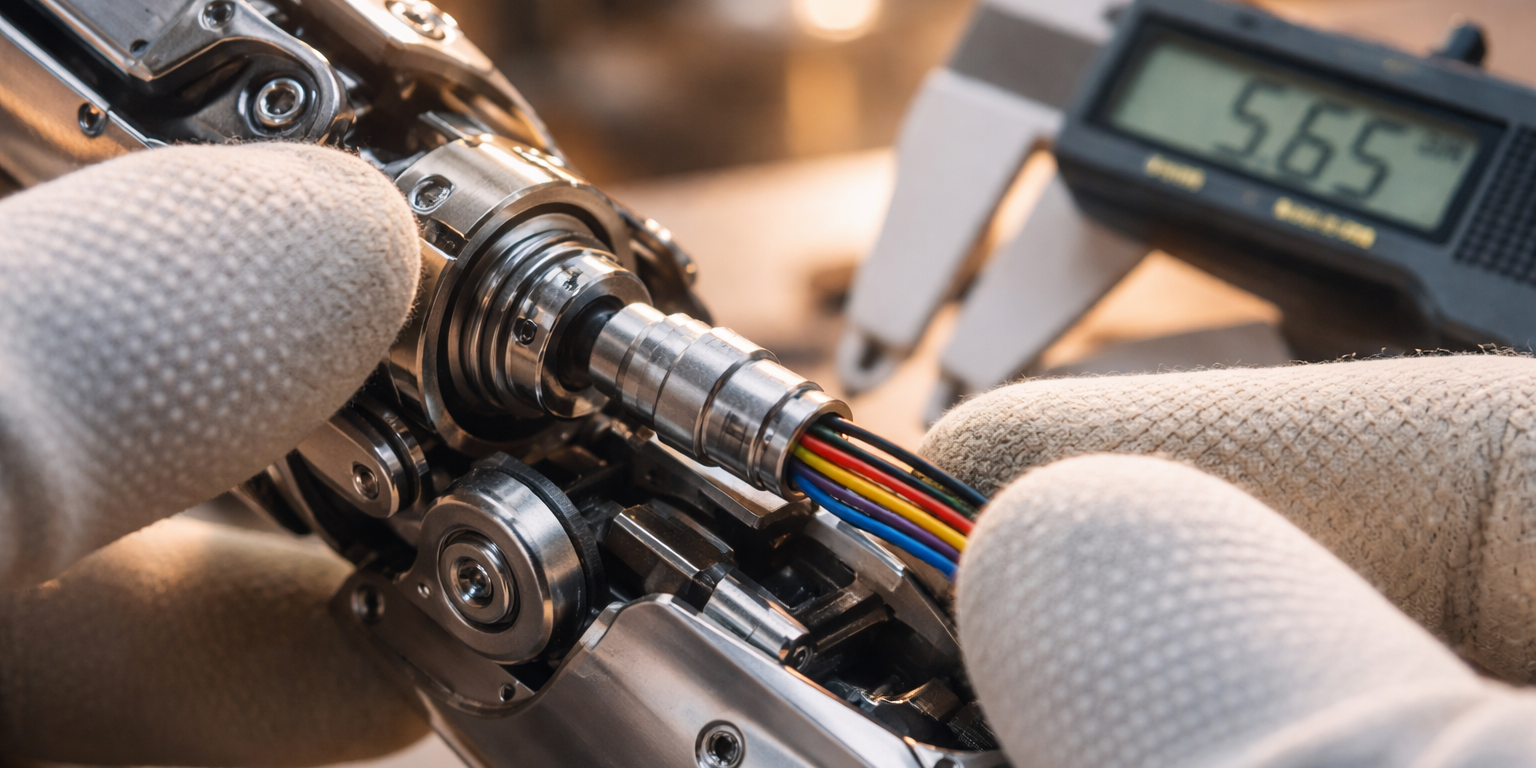
Unitree gained visibility in Western robotics circles through aggressive pricing on its quadruped platforms, undercutting Boston Dynamics' Spot by roughly 90 percent with its Go2 model. The company applied the same approach to humanoids, unveiling its G1 robot at a retail price of $16,000 in May 2024, compared to $150,000-plus for competing platforms from companies like Agility Robotics and Figure AI. That pricing strategy attracted partnerships with research labs across Asia and Europe but raised questions about gross margins and component sourcing. According to leaked pre-IPO filings reviewed by Chinese financial media, Unitree reported 2025 revenue of 890 million yuan with a net margin of 12 percent, thin by software standards but respectable for hardware at scale. The company manufactures humanoid actuators, control boards, and vision systems in-house at its Hangzhou facility, reducing reliance on Tier 1 suppliers but requiring sustained capital expenditure.
The public float represents just 11 percent of outstanding shares, a structure that has become common among Chinese tech IPOs but limits liquidity and amplifies volatility. Existing investors include Shenzhen Capital Group, a state-backed venture fund with stakes in over 40 robotics companies, and several provincial technology investment vehicles. Founder and CEO Wang Xingxing retains majority control through a dual-class share structure. Brokerage analysts at Haitong Securities noted in a pre-listing report that the small float could lead to speculative trading in early sessions, particularly given retail investor enthusiasm for AI-adjacent stocks. Shanghai-based institutional investors privately expressed concern about valuation multiples, with the IPO pricing Unitree at roughly 65 times trailing twelve-month earnings, a premium typically reserved for software platforms rather than capital-intensive hardware manufacturers.
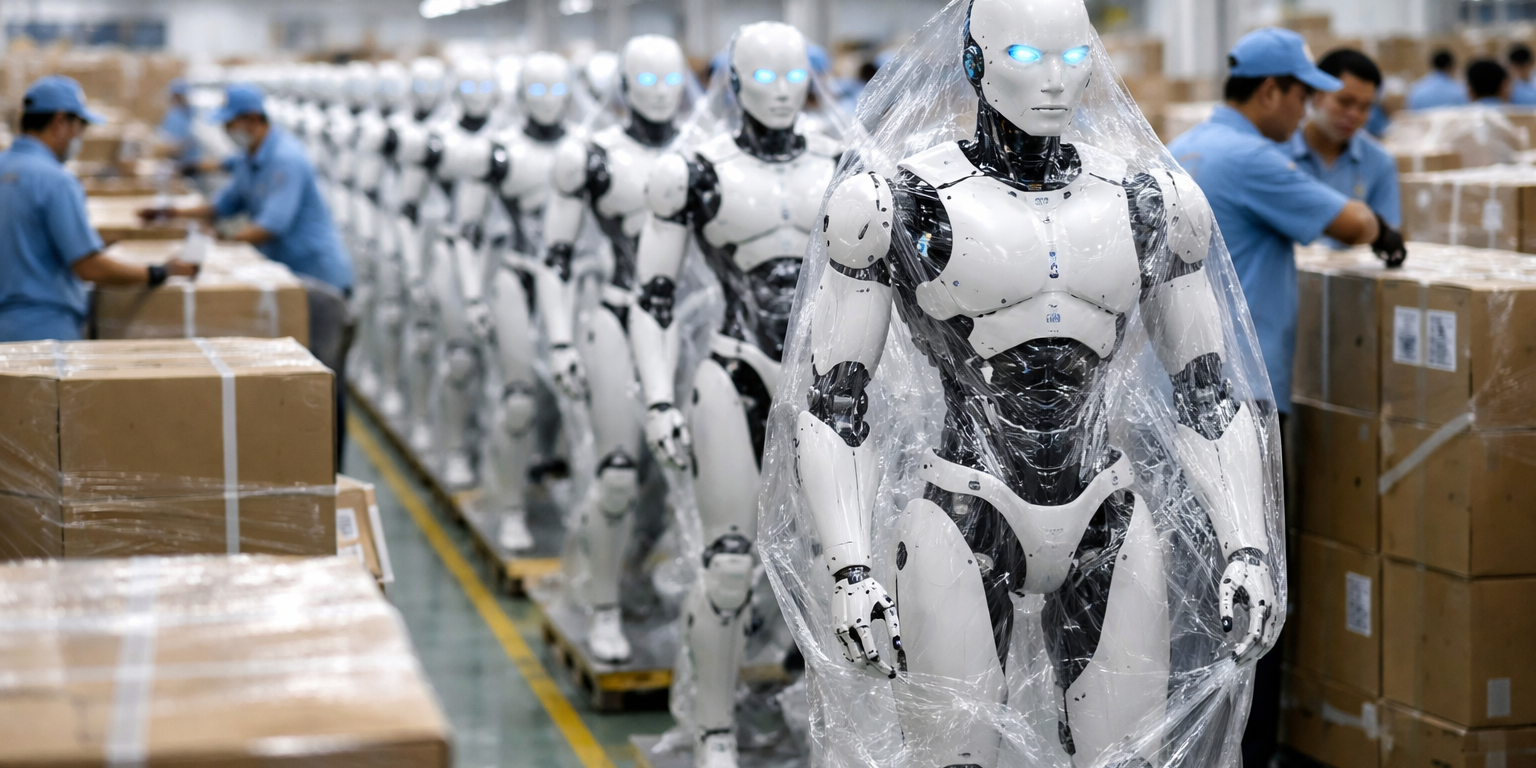
The timing coincides with a broader push by Chinese robotics companies to secure growth capital ahead of anticipated tariff and export control actions. U.S. lawmakers have discussed adding humanoid robots to the Entity List framework, which would restrict sales of certain subsystems to Chinese manufacturers. Unitree sources approximately 15 percent of its high-precision components from suppliers in Japan and South Korea, including harmonic drives from Japanese manufacturer Harmonic Drive Systems. Any disruption to that supply chain would force the company to rely on domestic alternatives that currently lag in torque density and lifecycle performance. Industry observers note that Unitree's IPO proceeds, estimated at 1.2 billion yuan assuming full exercise of the greenshoe option, will likely fund expanded production capacity and accelerated development of proprietary actuator designs. The company has signaled plans to achieve 10,000 annual humanoid unit production by Q2 2027, up from an estimated 1,200 units in 2025.
Competition in the Chinese humanoid market has accelerated dramatically. State-owned aviation and defense conglomerate AVIC unveiled its own humanoid platform in June 2026, backed by military robotics budgets that dwarf commercial venture funding. Shenzhen-based Agibot, which raised a $100 million Series A in March, recently began pilot deployments in automotive manufacturing alongside Geely. Ex-Robots, formerly Leju Robotics, secured partnerships with logistics operators in Guangdong province for warehouse automation trials. Unitree's differentiation hinges on vertical integration and bill-of-materials cost control, but scaling production while maintaining quality and reliability remains unproven at the volumes required to justify current valuations. The company's product roadmap includes a next-generation humanoid platform slated for release in early 2027 with enhanced AI inference capabilities, running vision-language models locally rather than relying on cloud connectivity. That capability matters in industrial settings where latency and data sovereignty concerns limit cloud dependence.
What to Watch: Monitor first-day trading volume and retail allocation results, which typically emerge within 48 hours of subscription close. Track whether Unitree announces new commercial deployment contracts during the post-IPO roadshow period, particularly in manufacturing or logistics verticals. Watch for any policy signals from the Ministry of Commerce regarding export licensing for humanoid robots and related subsystems, as regulatory clarity would significantly impact Unitree's addressable market and competitive positioning against foreign rivals.