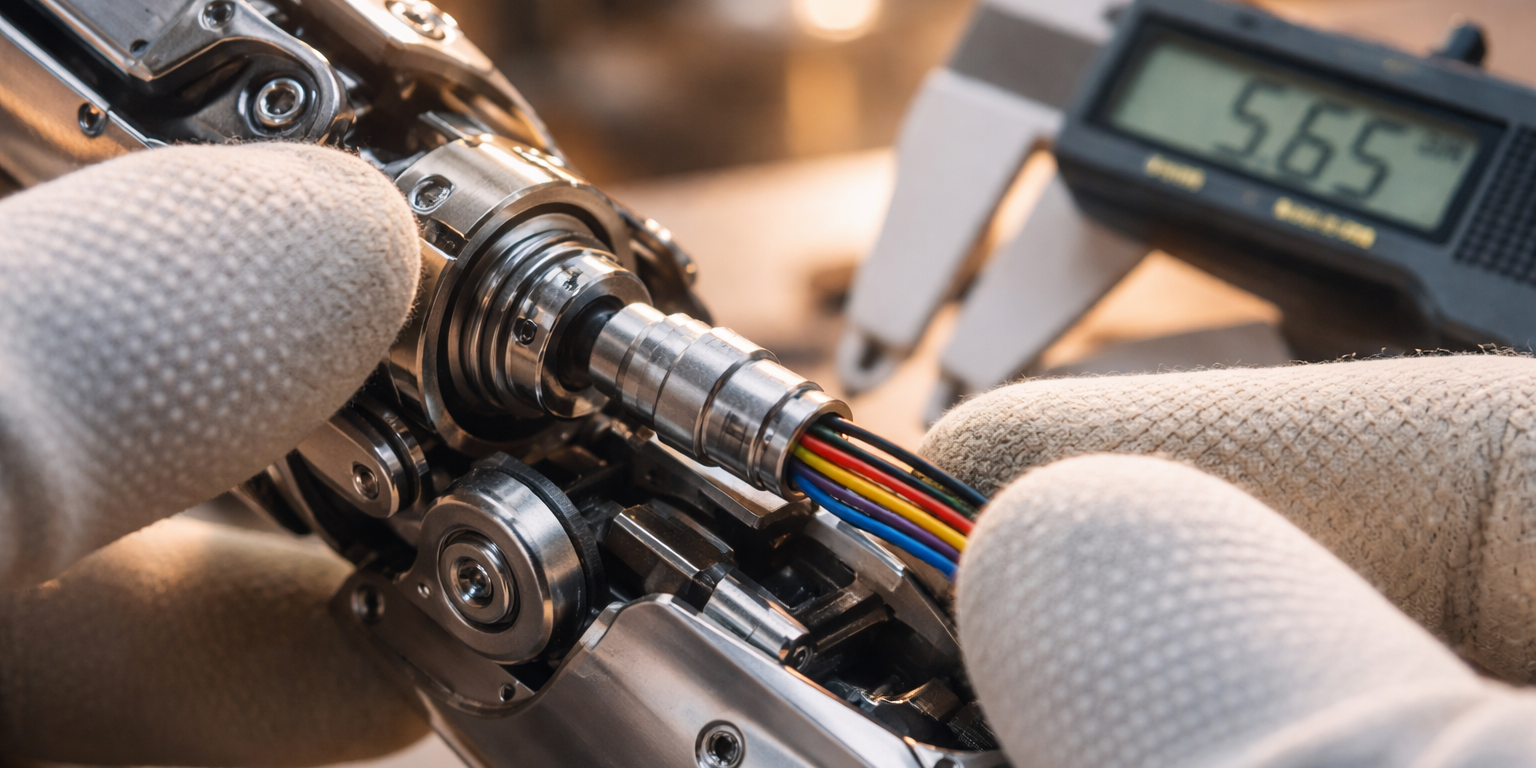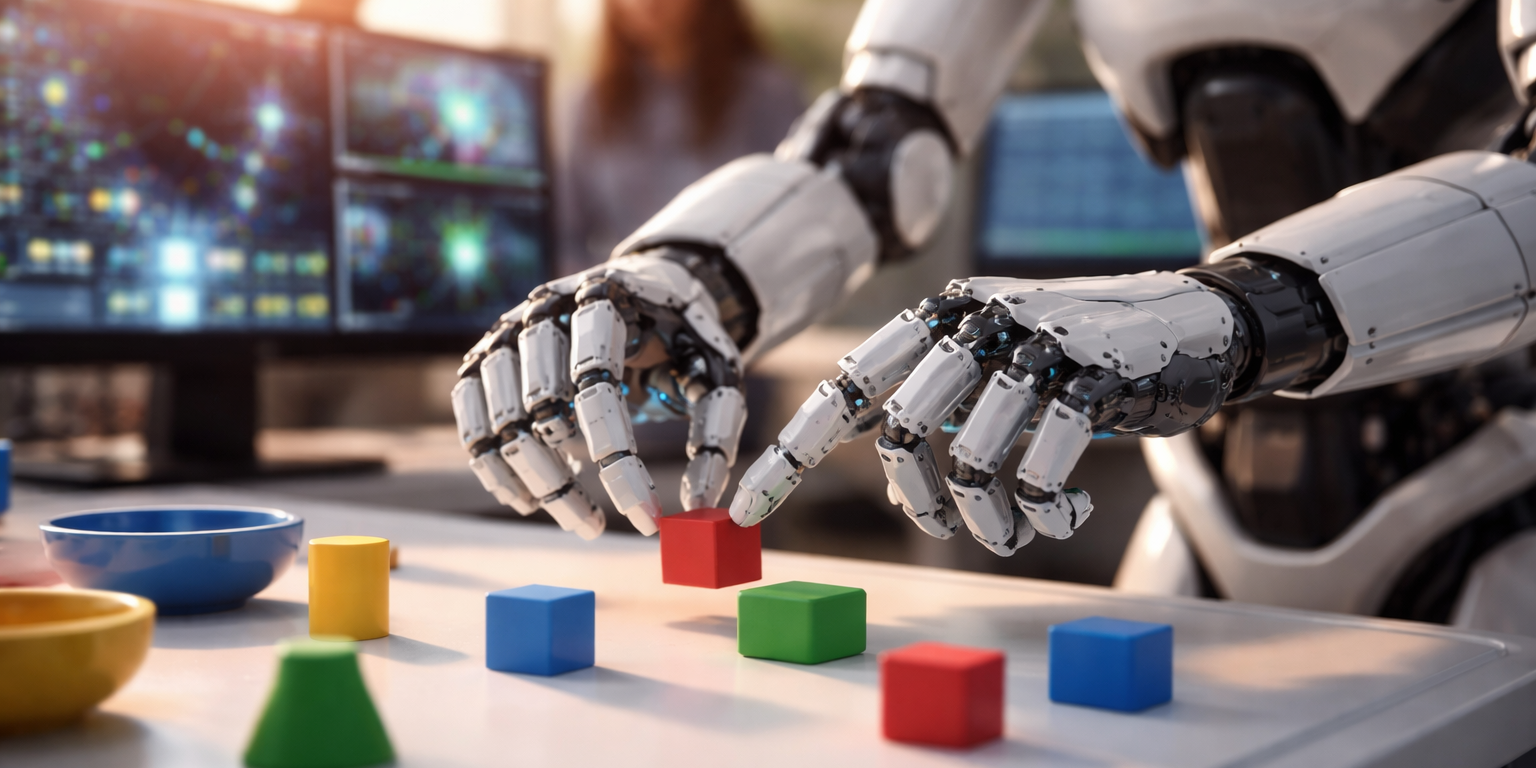
DeepMind published demonstration videos this week showing Gemini Robotics 2 controlling manipulation tasks across what the company describes as multiple robot morphologies, though the release stops short of disclosing specific hardware partners or commercial deployment timelines. The model processes visual, language, and proprioceptive inputs simultaneously, a capability DeepMind argues addresses the data fusion bottlenecks that have constrained previous attempts at universal robot control policies. IEEE Spectrum featured the announcement in its Video Friday roundup, highlighting tabletop manipulation sequences and what appears to be mobile manipulation in unstructured warehouse environments.
The timing positions DeepMind directly against competitors rushing foundation models to market before the fall conference circuit. Physical Intelligence recently demonstrated π0 on multiple platforms including Boston Dynamics hardware. Covariant announced a partnership with ABB. Figure AI integrated OpenAI models into Figure 02 units now operating at BMW's Spartanburg facility. DeepMind has published robotics research for years but avoided product branding until now, a shift that signals either confidence in commercial readiness or pressure from Alphabet leadership to monetize AI research investments. The company declined to specify whether Gemini Robotics 2 shares architecture with the language-focused Gemini 2.0 released late last year or represents a separate development path optimized for embodied control.
DeepMind's approach differs from competitors in its emphasis on the model as middleware rather than a complete solution. The company describes Gemini Robotics 2 as an intelligence layer that hardware manufacturers and systems integrators would license and customize, similar to how chipmakers use Arm reference designs. This positions DeepMind to avoid the capital intensity of hardware production while potentially capturing revenue across multiple robot categories. The strategy assumes the industry will converge on common software interfaces, a premise that remains contentious given the wide variance in sensor suites, actuator specifications, and task requirements across application domains. Mobile manipulators for logistics bear little resemblance to surgical robots or agricultural platforms, and whether a single foundation model can address that span without application-specific fine-tuning remains an open question.
The robotics community watches these foundation model announcements with a mix of interest and skepticism. Engineers point out that demonstration videos, even those showing genuine capabilities, reveal little about failure modes, recovery behaviors, or performance consistency across the environmental variations that define real deployments. Tesla's Optimus team has been vocal about the gap between controlled demonstrations and factory-floor reliability. Sanctuary AI published data last year showing its Phoenix platform achieving 95% task completion in structured pick-and-place scenarios but dropping to 67% when object placement varied by more than three centimeters from training examples. DeepMind has not released benchmark performance data, safety validation protocols, or pricing structures for Gemini Robotics 2, making technical evaluation difficult. The company did confirm that the model will be available through Google Cloud, suggesting a usage-based pricing model rather than upfront licensing fees. That commercial structure could accelerate adoption among startups and research groups while creating uncertainty for manufacturers planning multi-year product roadmaps that depend on stable infrastructure costs.
What to Watch: DeepMind's presence at IROS 2026 in Pittsburgh this September will indicate whether technical documentation follows the marketing release. Figure AI, Boston Dynamics, and Agility Robotics have all confirmed speaking slots at the Humanoids Summit Seoul later that month, creating a natural venue for partnership announcements if hardware integrations are imminent. Google Cloud's developer conference schedule through the fourth quarter may reveal pricing and API specifications that determine whether Gemini Robotics 2 becomes reference infrastructure or remains confined to research applications.