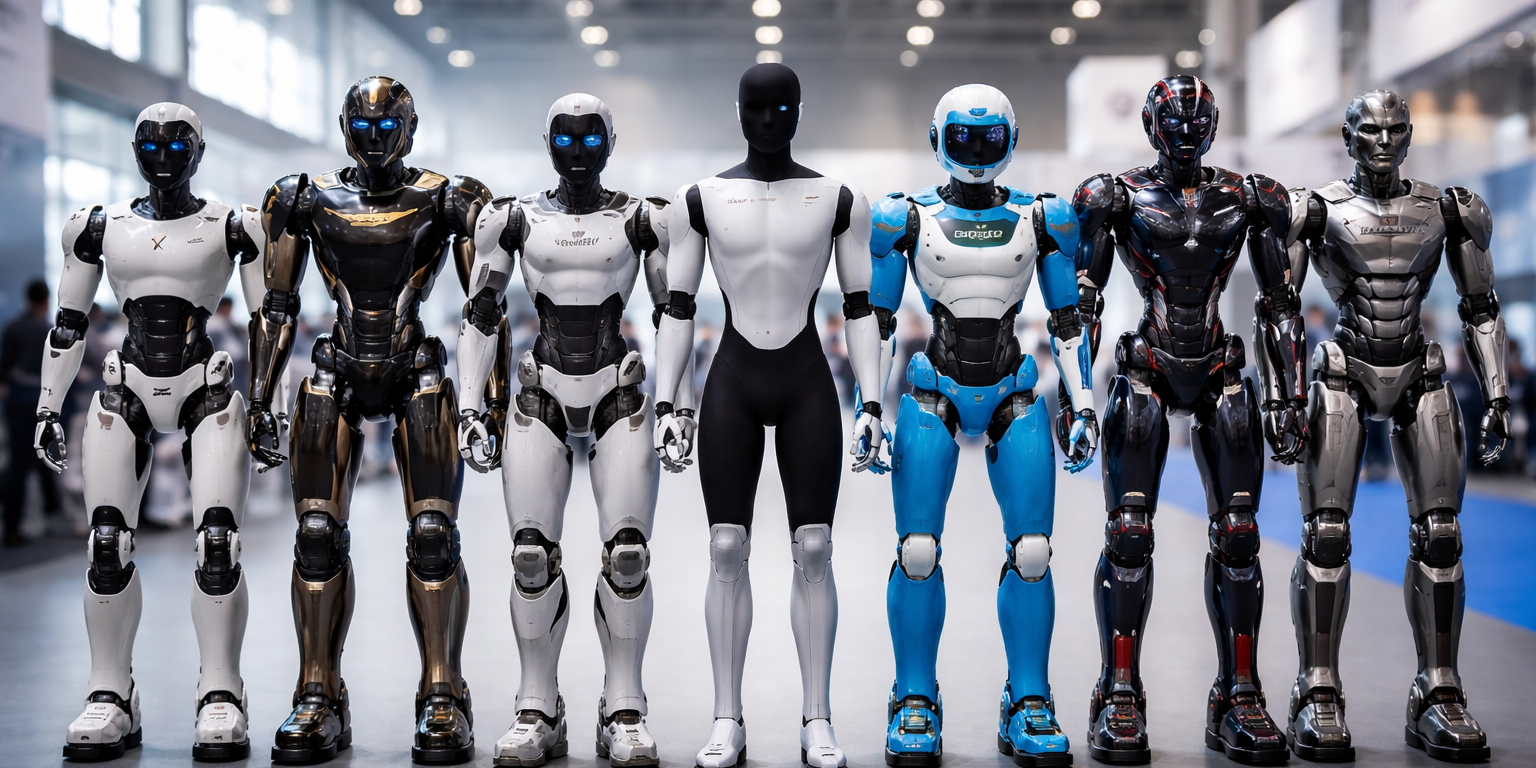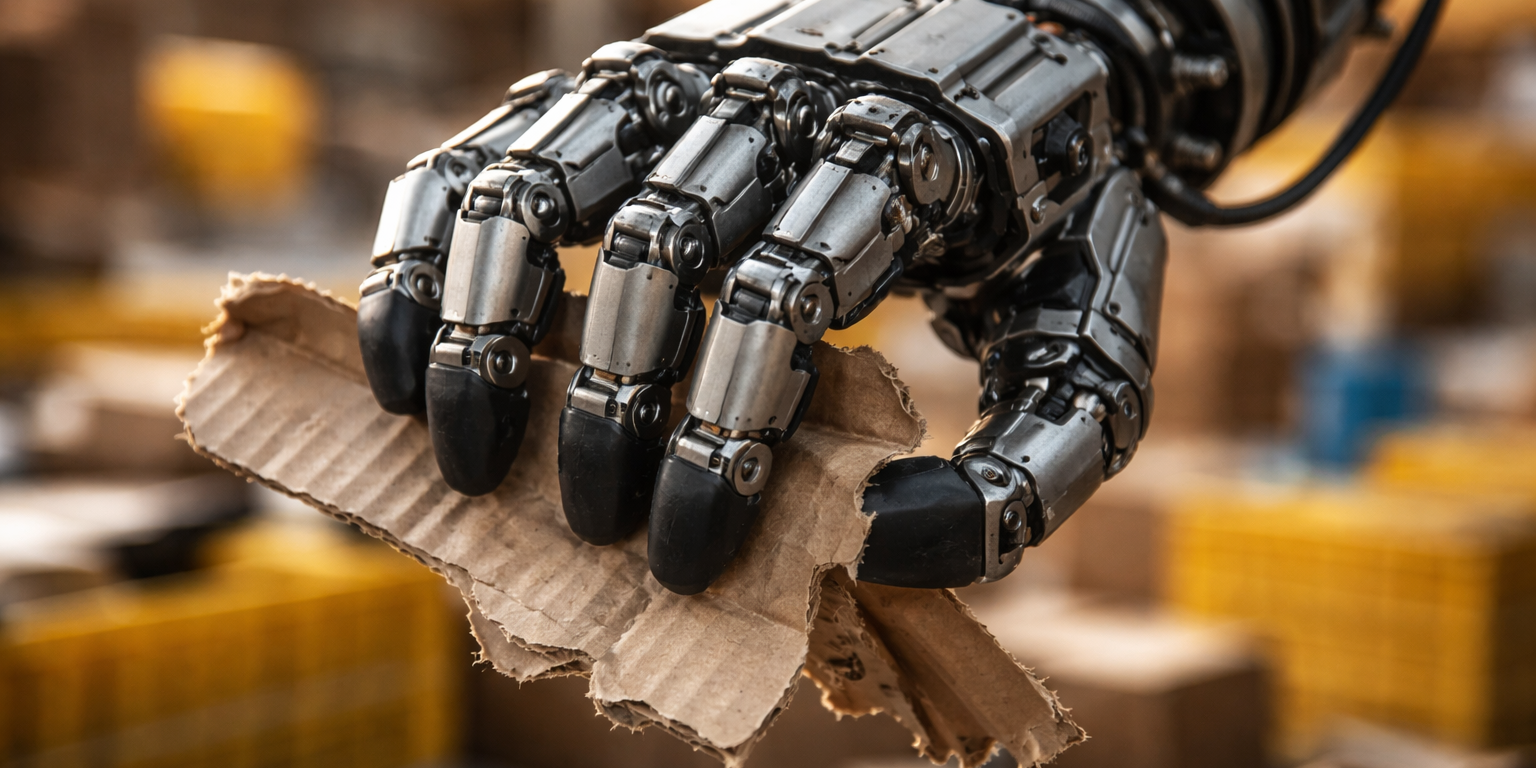
Unitree Robotics shipped its first Dex5-S dexterous hands to integration partners on September 21, marking the Hangzhou-based company's entry into a component category that humanoid developers now guard as carefully as their locomotion algorithms. The 22-degree-of-freedom hand represents a 38 percent increase in articulation over Unitree's previous Dex3-1 model, which offered 16 degrees of freedom when it debuted in early 2025. Where that earlier design targeted research labs and universities, the Dex5-S specifications suggest Unitree aims to supply production humanoid programs that need hands capable of operating power tools, manipulating deformable objects, and executing force-controlled assembly tasks without custom end-effectors.
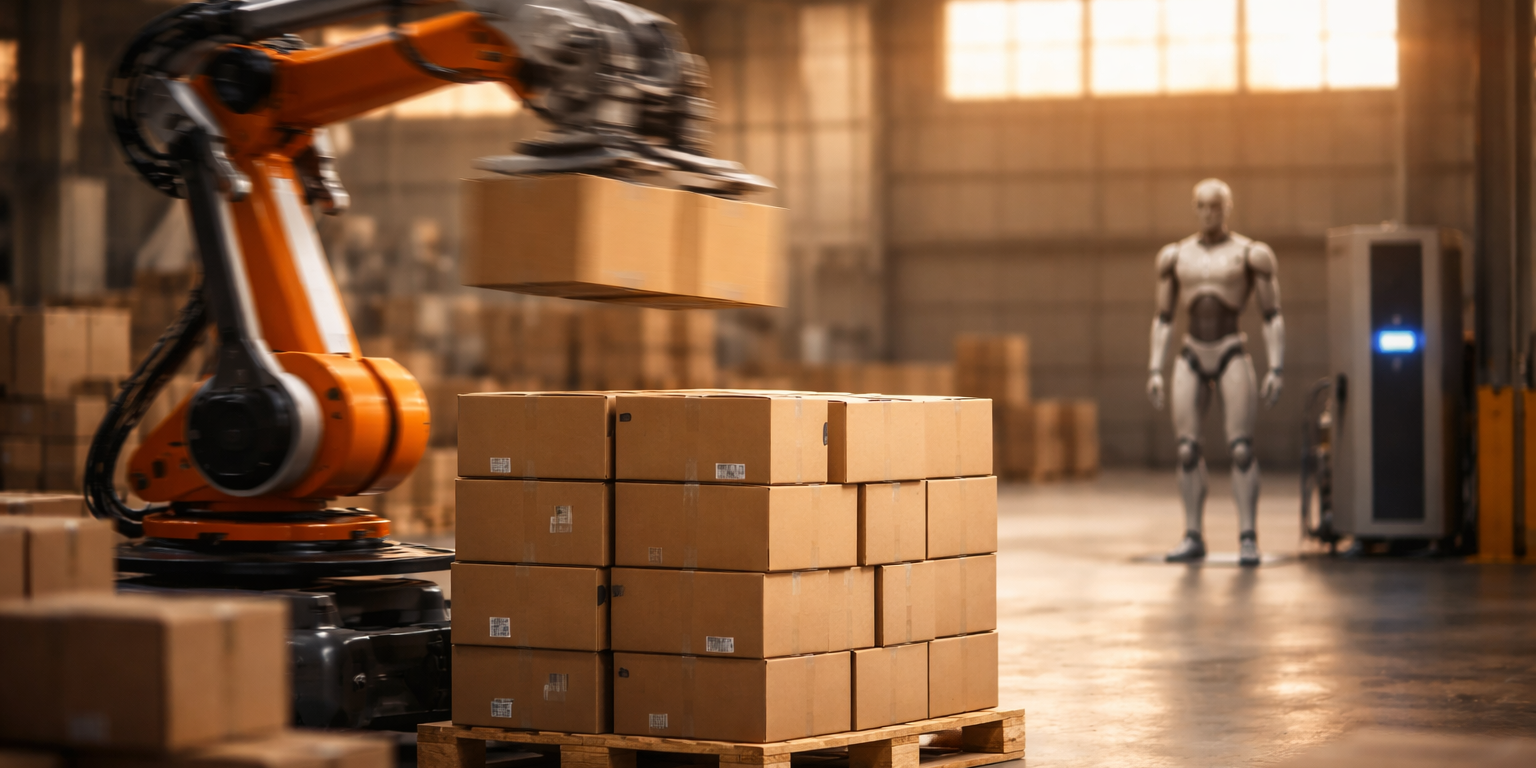
The timing reflects a broader industry reckoning. Dexterous manipulation has emerged as the most visible performance gap in commercial humanoid deployments, more so than navigation or even bipedal stability. Amazon's pilot program with Agility Robotics' Digit, which began warehouse trials in late 2024, revealed that the robot's two-fingered grippers could handle totes and boxes but struggled with the irregular packaging, torn cardboard, and jumbled inventory that define real logistics environments. Agility responded by launching an internal hand development team in March 2025, pulling engineers from its locomotion group to focus exclusively on end-effector design. The company has not publicly announced a new hand, but job postings from June 2026 list openings for tactile sensor integration specialists and grasp-planning engineers, suggesting a multi-year effort to build proprietary manipulation hardware. That strategic pivot toward vertical integration means Unitree and other third-party hand suppliers face shrinking addressable markets among the most capitalized humanoid makers, even as the total number of humanoid development programs expands.
Unitree's Dex5-S specifications position it between research-grade hands like the Shadow Dexterous Hand, which offers 24 degrees of freedom and costs upward of $80,000 per unit, and simpler industrial grippers that prioritize cost and reliability over fine motor control. The company has not disclosed Dex5-S pricing, but industry observers estimate a range of $12,000 to $18,000 per hand based on comparable products from Chinese suppliers. Each finger incorporates three actuated joints, and the thumb adds an additional degree of freedom at the base to enable opposition and power grasps. Unitree's technical documentation indicates the hand can exert up to 15 newtons of pinch force at the fingertips and supports programmable compliance across individual joints, allowing developers to tune stiffness for specific tasks. The control architecture uses a distributed motor controller approach, with each finger running an independent microcontroller that communicates over a CAN bus to a central processing unit. That design choice reduces latency for reflex behaviors but requires humanoid developers to allocate processing bandwidth for the hand's real-time control loop, a trade-off that some integrators may resist if their compute budgets are already stretched by vision and planning workloads.
The Dex5-S launch also highlights the growing technical and supply chain divide between Chinese humanoid makers and their Western counterparts. Unitree already supplies its G1 and H1 humanoid platforms to research institutions and commercial customers in Asia, Europe, and North America, and adding a proprietary hand to that ecosystem creates vertical integration opportunities that mirror strategies pursued by Tesla, Figure AI, and Apptronik. Figure AI's hand design, which the company debuted in a January 2026 demonstration video showing its Figure 02 robot assembling a transmission housing, uses a cable-driven actuation system with motors mounted in the forearm to reduce hand mass and improve reach. That architecture contrasts with Unitree's approach of embedding motors directly in the palm and fingers, trading hand weight for simpler cable routing and reduced maintenance complexity. Neither approach has proven definitively superior in production environments, but the divergence underscores how hand design has become a differentiator in a market where locomotion performance across leading humanoid platforms has largely converged.
What to Watch: Monitor whether Unitree announces integration partnerships with humanoid developers outside its existing customer base, particularly Western companies like Sanctuary AI or Apptronik, by the end of Q4 2026. Track job postings from Agility Robotics and Boston Dynamics for roles related to tactile sensor integration or grasp planning, which would signal acceleration of in-house hand programs. Pay attention to any Shadow Robot Company announcements regarding lower-cost product lines, as the UK-based firm has historically dominated the research market but faces pricing pressure from Chinese suppliers. Finally, watch for technical papers from humanoid developers comparing cable-driven versus direct-drive hand architectures in peer-reviewed venues, as those publications often precede product decisions by 12 to 18 months.