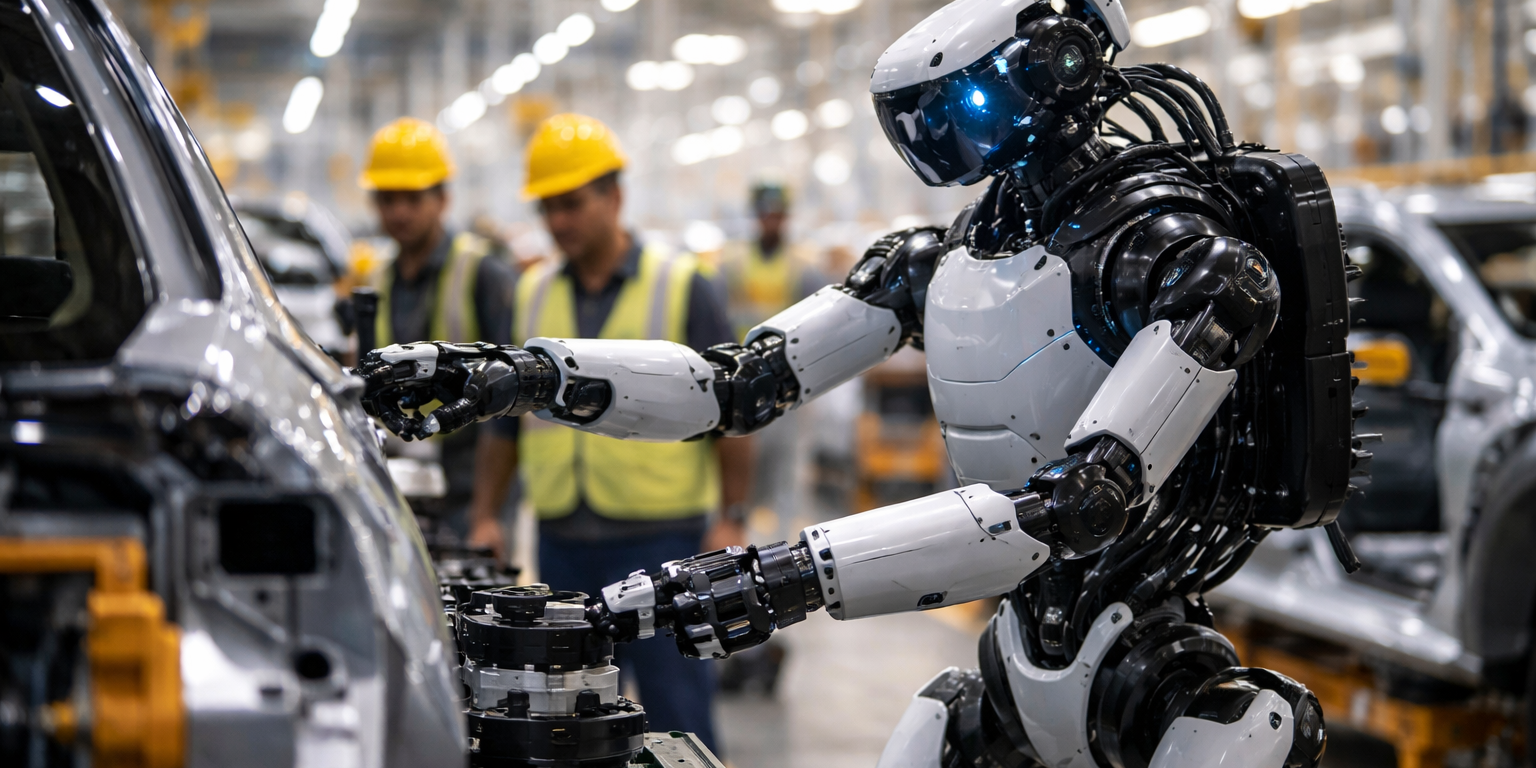
A Unitree G1 humanoid robot named Pemba reached the 6,268-meter summit of Mount Chimborazo in Ecuador on June 12, 2026, becoming the first bipedal robot to operate at the point on Earth's surface farthest from the planet's center. Eastworlds Labs, the robotics initiative of Virgin Group founded in 2024, coordinated the deployment with Geological Dome, an adventure technology collective based in Quito. The expedition tested hardware endurance in atmospheric pressure 40 percent lower than sea level and temperatures that dropped to minus 18 degrees Celsius overnight, conditions that stressed actuator performance, battery thermal management, and sensor calibration in ways standard lab testing cannot replicate.
Chimborazo's summit sits 2,580 meters farther from Earth's core than Mount Everest due to the equatorial bulge, a fact that makes the location scientifically distinct for robotics testing even though Everest claims greater elevation above sea level. Eastworlds Labs modified the stock G1 with reinforced joint seals, supplemental lithium-polymer battery packs rated for cold-weather operation, and custom firmware that adjusted gait parameters in real time as barometric pressure changed during the ascent. The robot carried 14 kilograms of scientific instruments including atmospheric sensors and a soil sampling drill, completing a four-hour autonomy test at the summit before descending with the Geological Dome team. Unitree Robotics, the Hangzhou-based manufacturer of the G1 platform, provided technical consultation but did not directly participate in the modifications or the climb itself.
Eastworlds Labs acquired six Unitree G1 units in February 2026 at a reported unit cost of $16,000 each, making the platform among the most affordable full-sized humanoids available for research applications. The G1 stands 1.32 meters tall, weighs 35 kilograms, and features 23 degrees of freedom with a walking speed of 2 meters per second on level ground. Virgin Group launched Eastworlds Labs in September 2024 under the leadership of Hiroshi Tanaka, formerly director of robotics research at SoftBank, with an initial capital commitment of $85 million focused on deploying commercial robots in logistics, hospitality, and what the company terms "adventure environments." The Chimborazo expedition represents the third major field test for Eastworlds, following deployments of G1 units aboard Virgin Atlantic cargo flights in April 2026 and at a Virgin Hotels property in Las Vegas in January. Geological Dome, founded in 2023 by mountaineer and engineer Sofia Mendoza, specializes in high-altitude technology validation and has previously tested drone systems, satellite communication hardware, and solar panel prototypes on peaks across the Andes.
The robotics industry has accelerated hardware testing in non-laboratory environments over the past 18 months as humanoid platforms approach commercial viability. Boston Dynamics conducted cold-weather testing of Atlas in Alaska in November 2025, while Agility Robotics ran Digit units through desert conditions in Arizona the same month, both seeking data on actuator performance outside controlled temperature ranges. Humanoid robots face thermal management challenges that wheeled platforms avoid: bipedal locomotion generates significant heat in hip and knee actuators, while extremities like hands and feet are vulnerable to cold-induced failures in gripping and balance. Eastworlds Labs reported that Pemba experienced a 22 percent reduction in battery efficiency during the summit phase compared to sea-level performance, and two finger actuators in the left hand required manual reset after a sub-zero malfunction, data points that will inform the next hardware revision. The company plans to publish technical findings from the climb in a joint paper with Geological Dome in the third quarter of 2026, focusing on actuator thermal profiles and sensor drift at altitude.
What to Watch: Eastworlds Labs will deploy two additional G1 units to Antarctic research stations operated by the British Antarctic Survey in August 2026, testing prolonged sub-zero operations over 90-day cycles. Unitree Robotics is expected to release the G2 platform in September 2026 with upgraded cold-weather actuators and modular battery architecture informed by field data from clients including Eastworlds. Virgin Group has signaled plans to integrate humanoid robots into its commercial spaceflight operations, with SpaceShipThree cabin tests tentatively scheduled for late 2027 pending FAA certification of robotic crew assistance protocols.