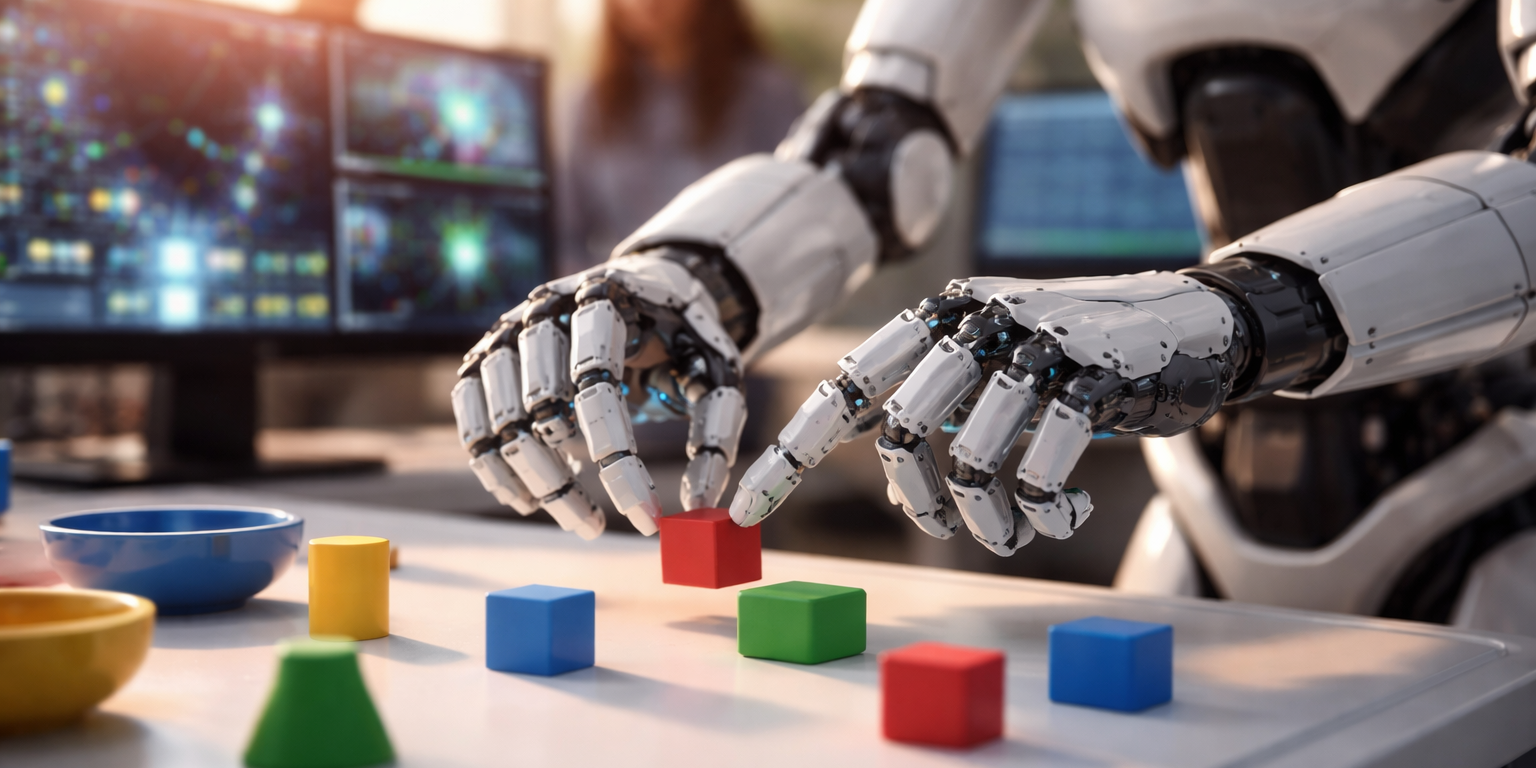

Unitree Robotics submitted IPO documents to Chinese regulators in recent weeks, exposing financials that show deteriorating profit margins despite the company's reputation for fast product cycles and rock-bottom pricing. The prospectus, reviewed by Digitimes, reveals production costs and R&D expenditures climbing faster than revenue, a dynamic that raises questions about the commercial viability of humanoid robots at the price points Unitree has staked its strategy on. The company sells its G1 humanoid for $16,000, undercutting most competitors by tens of thousands of dollars, but the numbers suggest that approach may be unsustainable without external capital. Unitree joins a crowded field of robotics companies testing public markets, though few have been willing to expose their balance sheets during this phase of technology development.
The Hangzhou-based manufacturer built its name on quadruped platforms that sold for a fraction of Boston Dynamics' Spot, targeting hobbyists, educators, and researchers rather than enterprise customers with deep pockets. That volume play worked when the company focused on four-legged robots with established supply chains and simpler control systems. Humanoids present different challenges. They require more actuators, more sophisticated sensors, more computing power, and significantly more software development to achieve basic functionality. Unitree shipped its first humanoid prototypes in late 2023 and began taking orders for the G1 in early 2024, compressing development timelines that typically span years. The prospectus data indicates those accelerated cycles came at a cost. Rising expenses for components, assembly labor, and quality control have eaten into margins even as unit shipments increased. For a company betting on scale to drive profitability, the current trajectory points in the wrong direction.
The IPO filing lands during a period of heightened regulatory scrutiny in China, where authorities have slowed approvals for technology companies seeking to go public. At least four robotics and automation firms postponed offerings in 2023 and early 2024 as Beijing implemented stricter disclosure requirements and market conditions weakened. Unitree's decision to proceed suggests either confidence that its growth story will resonate with investors or pressure from venture backers to create liquidity. The company raised funding from several Chinese venture firms in 2022 and 2023, though exact amounts were not disclosed. Those investors likely expected an exit within a standard fund lifecycle, and an IPO represents the clearest path if strategic acquisition remains unlikely. The prospectus will need to convince public market participants that current losses represent temporary scaling costs rather than fundamental flaws in the business model. That argument becomes harder to make when revenue growth is strong but profitability still moves in reverse.
The broader humanoid sector faces similar pressures. Figure AI, 1X Technologies, Apptronik, and Agility Robotics have all raised substantial venture capital to fund humanoid development, but none have disclosed profitability or even clear paths to breakeven. Most target enterprise applications in warehouses, manufacturing, or logistics, where customers might tolerate higher price points if robots can displace labor costs. Unitree took a different approach, aiming for price-sensitive markets where buyers evaluate robots as tools or educational platforms rather than productivity investments. That strategy requires hitting cost targets that may not be achievable with current component prices and assembly methods. Tesla has made bold claims about manufacturing humanoids for under $20,000 at scale, but the company has yet to ship a single unit outside internal testing. If Unitree, which has actual products in customer hands, cannot make the economics work, the path forward for consumer-oriented humanoid makers looks steep. Enterprise-focused competitors will watch the IPO closely, using Unitree's disclosed financials as a benchmark for their own unit economics. Investors evaluating private robotics companies will demand more detailed cost breakdowns and clearer timelines to profitability based on what the prospectus reveals.
What to Watch: Monitor whether Unitree completes its IPO in the next 90 days or pulls the filing, which would signal investor skepticism about humanoid business models. Track any announcements from Figure AI or Agility Robotics about enterprise contracts, particularly multiyear agreements with volume commitments that might demonstrate viable commercial traction. Watch for pricing changes on Unitree's G1 platform, since raising prices would indicate the company recognizes current margins are unsustainable. Pay attention to Tesla's Optimus timeline, as any delay in reaching production scale would validate concerns about the difficulty of building profitable humanoids at low price points.