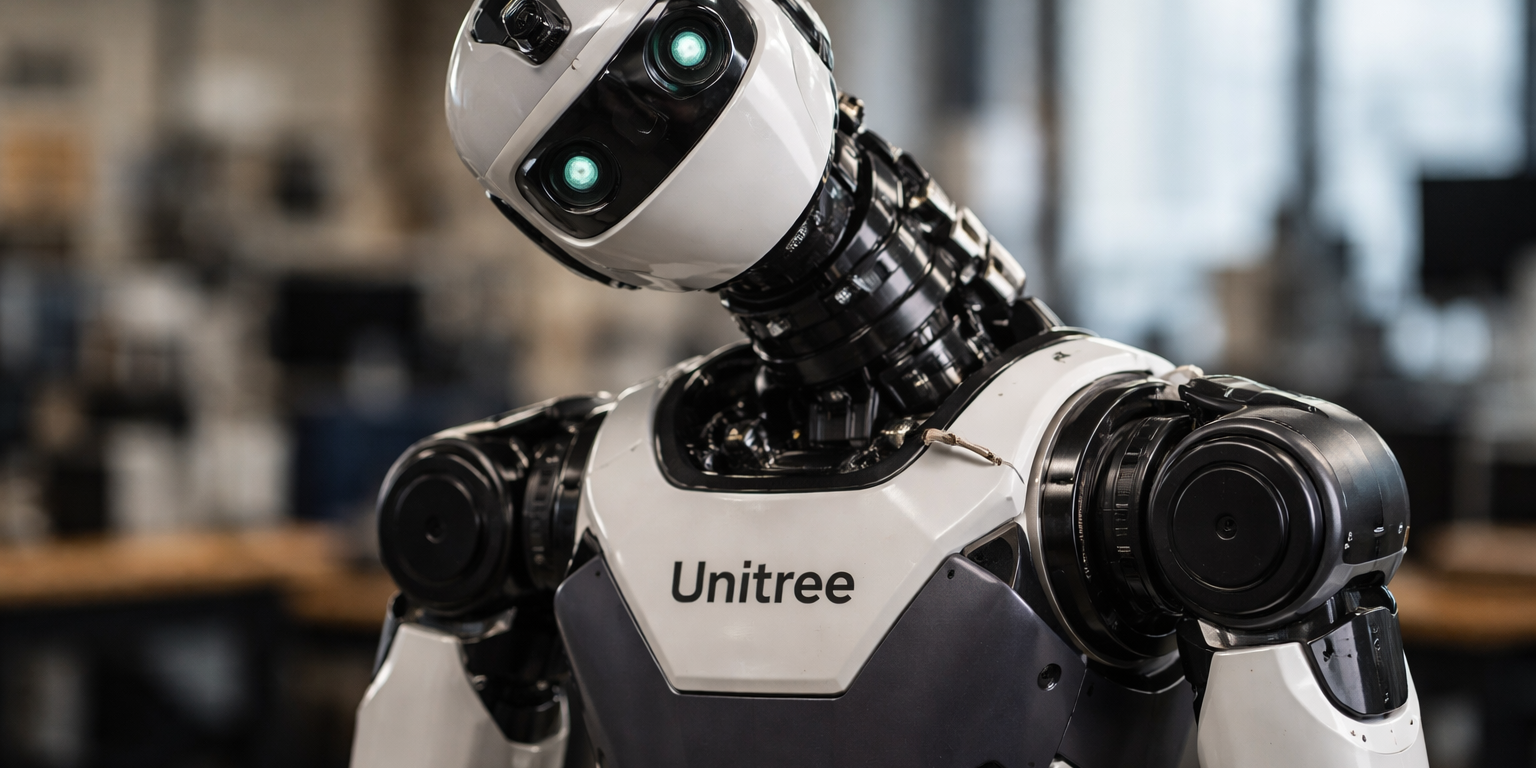
A Ukrainian military unit carried out at least one field operation in which fully autonomous drones identified and engaged Russian soldiers without real-time human control, marking one of the few confirmed instances of AI-directed lethal force in the current conflict. The test, conducted by an undisclosed unit operating near active front lines, allowed the drones to select and strike targets based on machine learning algorithms rather than remote piloting. Ukrainian officials characterized the engagement as experimental, not indicative of broader deployment policy, though the military continues expanding AI integration across its drone fleet and ground-based robotic systems.
The autonomous strike differs sharply from standard Ukrainian drone operations, which predominantly rely on first-person view piloting or pre-programmed GPS waypoints with human-triggered weapons release. Most militaries, including the United States and Israel, maintain policies requiring a human operator in the decision loop for lethal engagements, even when using advanced targeting assistance. Ukraine's willingness to test full autonomy reflects both the intensity of its defensive operations and the technical maturity of computer vision systems trained on battlefield imagery. The country has become a proving ground for commercial drone manufacturers and AI developers, many of whom provide hardware and software on shortened development cycles compared to traditional defense procurement.
Ukrainian forces are installing AI modules on a growing number of platforms, including quadcopters, fixed-wing reconnaissance drones, and ground robots used for mine clearance and logistics. These systems typically handle navigation, obstacle avoidance, and target detection, while weapons release remains under human control. Several Ukrainian defense technology firms, including Brave1 cluster companies, have demonstrated prototype systems capable of autonomous flight in GPS-denied environments and automatic identification of vehicle types. The modules often run on edge processors integrated into commercial drone frames, allowing rapid iteration without custom airframe development. This approach has enabled Ukraine to field capabilities in months that would require years under conventional military development timelines.
The deployment of autonomous systems raises questions about compliance with international humanitarian law, particularly the principle of distinction between combatants and civilians. Advocacy groups including Human Rights Watch have called for preemptive bans on autonomous weapons, arguing that machine learning systems cannot reliably make life-and-death decisions in complex environments. Ukraine has not publicly detailed the rules of engagement governing its autonomous test or the technical safeguards employed. The country is not a signatory to proposed international frameworks restricting autonomous weapons, and the existential nature of its defense against Russian invasion creates pressure to exploit any available technological advantage. Military analysts note that both Ukraine and Russia are deploying increasingly sophisticated electronic warfare systems that jam GPS and radio links, creating operational incentives for autonomous navigation and targeting.
The broader robotics industry is watching Ukraine's battlefield deployments closely, as the conflict provides real-world validation for technologies that previously existed primarily in laboratory settings or limited trials. Companies developing autonomous navigation stacks, computer vision models, and swarm coordination algorithms are studying Ukrainian operations for insights into system performance under adversarial conditions. The war has accelerated development cycles for dual-use technologies, with some commercial robotics firms now designing products explicitly for military applications. This shift has implications for the robotics investment landscape, as defense-oriented startups attract funding at valuations that reflect wartime urgency rather than peacetime development timelines. The conflict has also demonstrated that relatively inexpensive autonomous systems can challenge conventional military forces, a dynamic that is reshaping procurement priorities in NATO countries and among U.S. defense planners.
What to Watch: Monitor announcements from Ukraine's Brave1 defense technology initiative for new autonomous platform demonstrations or production contracts in the coming quarter. Track whether the U.S. Replicator program, which aims to field thousands of autonomous systems by 2025, references Ukrainian battlefield lessons in its technical requirements. Watch for European defense ministries to issue requests for proposals on counter-drone systems capable of defeating autonomous swarms, likely to emerge in the next 60-90 days as response to documented Ukrainian and Russian deployments.