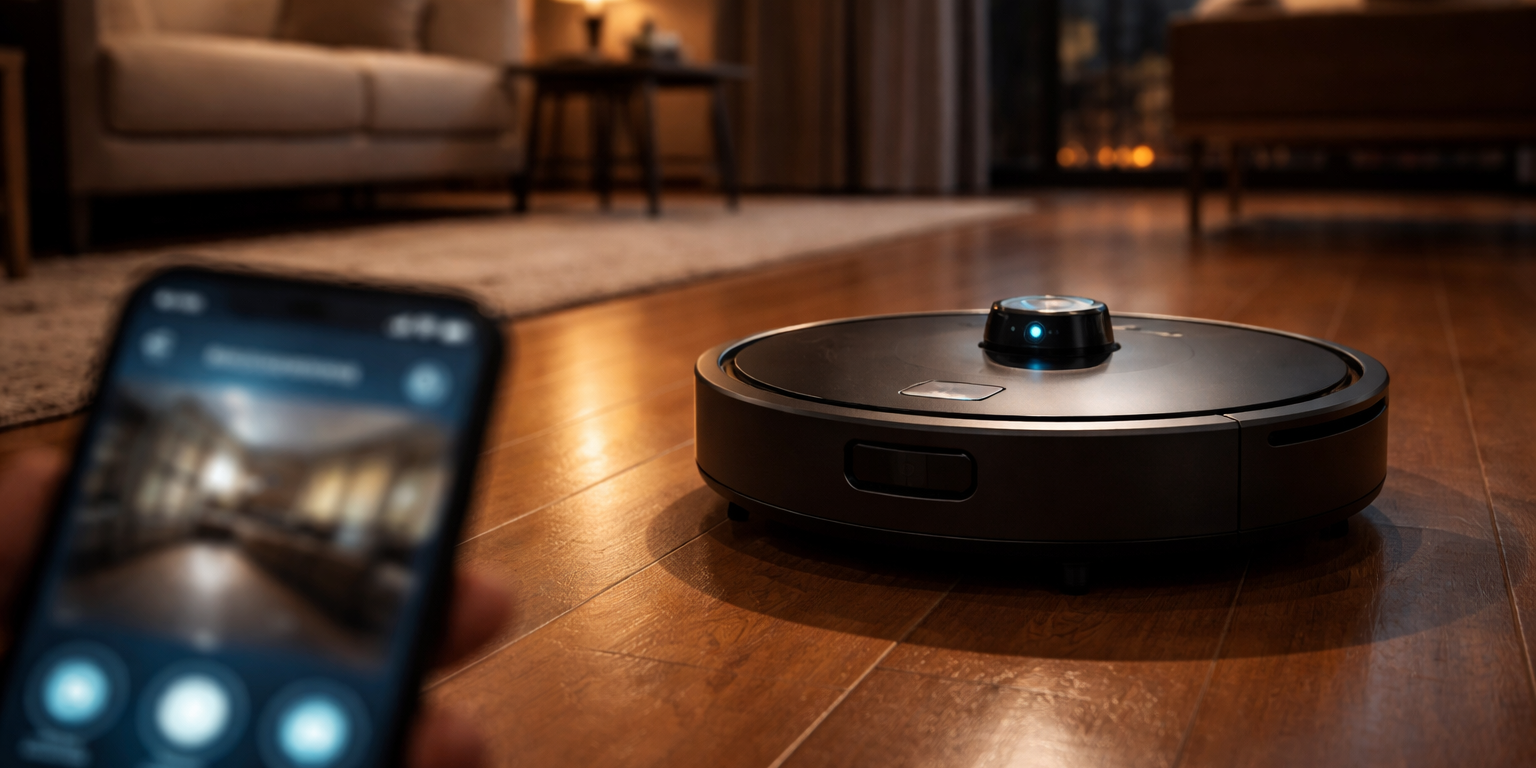
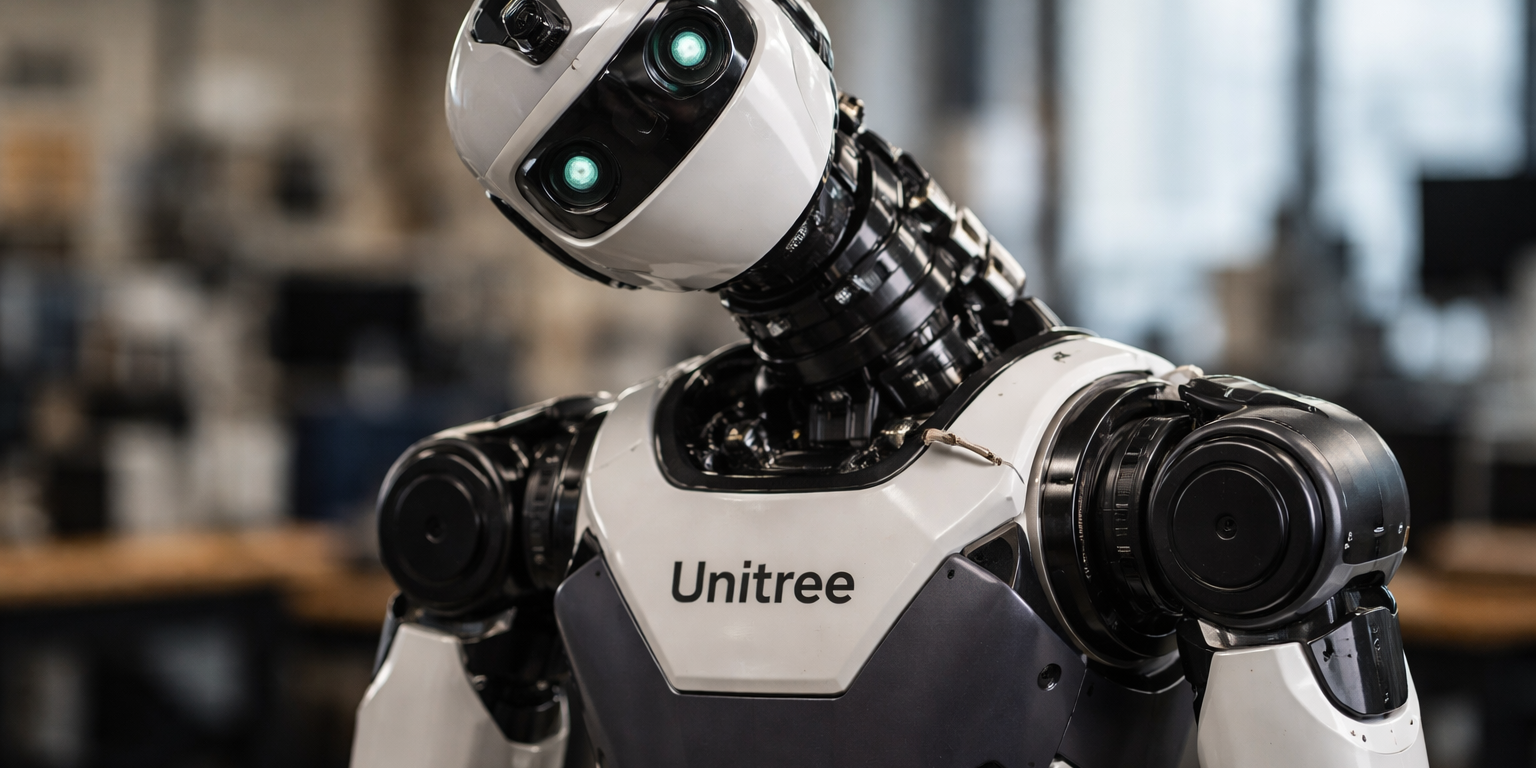
Robot.com stationed multiple autonomous robots at the Cannes Lions International Festival of Creativity this month as the official robotics innovation partner for PMG's AI & Tech Sandbox, a decision that places working hardware in front of the advertising industry's most senior decision-makers during the week when global brands set their technology priorities for the next twelve months. The deployment marks a deliberate expansion beyond enterprise logistics buyers into a market segment that controls hundreds of billions in annual production budgets. PMG, a Texas-based independent marketing agency with offices in fifteen cities, structured the sandbox as a hands-on environment where chief marketing officers and brand presidents could interact directly with emerging technologies rather than sit through vendor presentations.
The timing matters because advertising agencies have started evaluating robotics for physical production tasks that have resisted automation for decades. Set building, prop handling, and location logistics still rely heavily on manual labor, creating cost pressures as production budgets face scrutiny. Robot.com's platform centers on deploying fleets managed through a unified software layer rather than single-purpose units, an architecture that mirrors how the advertising industry already thinks about cloud infrastructure and content management systems. The company has not disclosed which robot hardware it uses or whether it manufactures proprietary units, though its positioning suggests an integrator model rather than a hardware-first approach. That strategy aligns with the broader shift in commercial robotics toward software and services revenue rather than one-time equipment sales.
The founder session at Cannes brought Robot.com's leadership into direct conversation with brand marketers, a format that differs sharply from the typical trade show booth interaction. These sessions at the AI & Tech Sandbox ran under Chatham House rules, allowing participants to discuss implementation challenges and cost structures without public attribution. For robotics founders, access to this audience represents a shortcut past procurement departments directly to budget holders who can greenlight pilot programs. Advertising agencies have historically adopted new technology faster than their clients, creating a testing ground for tools that later see broader enterprise adoption. The presence of autonomous robots at a creative festival also signals how far the technology has moved from pure industrial applications into environments where aesthetics, user experience, and brand perception matter as much as throughput metrics.
The partnership with PMG specifically gives Robot.com visibility among the holding company agencies and independent shops that collectively manage marketing technology decisions for Fortune 500 brands. PMG itself has positioned as a technology-forward agency, building proprietary marketing intelligence platforms and investing in automation across media buying, creative production, and analytics. That technical orientation makes it a logical early adopter for robotics in agency operations. The Cannes deployment also serves as a proof point for Robot.com's go-to-market thesis: that robotics will expand beyond warehouses and factories into service industries where the business case depends on flexibility and ease of deployment rather than raw speed or payload capacity. Advertising production involves constantly changing requirements, tight deadlines, and environments not designed for automation. Successfully operating robots in that context requires different engineering priorities than optimizing for a fulfillment center's structured workflows.
The advertising industry's interest in robotics coincides with broader enterprise adoption curves across sectors like hospitality, retail, and healthcare. These markets share characteristics that differentiate them from manufacturing: high variability in tasks, human-robot interaction requirements, and success metrics beyond pure efficiency. Robot.com's strategy of entering through high-profile partnerships at industry events like Cannes Lions suggests a sales model built around demonstration and education rather than transactional hardware sales. The company's name choice itself reflects that positioning, claiming the premium domain Robot.com to establish brand authority in a crowded market. Whether that translates to commercial traction depends on execution details not visible in a festival demonstration. The robotics industry has seen multiple waves of companies promising general-purpose automation for service industries, with mixed results. Technical capability gaps, integration complexity, and total cost of ownership questions have slowed adoption outside of narrowly defined use cases.
What to Watch: Track whether Robot.com announces formal pilot programs with any of the major agency holding companies or their brand clients in the next quarter, which would indicate that Cannes conversations converted to contracts. Monitor PMG's own deployment of robotics in its production facilities as a signal of whether the technology moves beyond demonstration to operational use. Watch for other robotics companies adopting similar partnership strategies at industry-specific events rather than relying solely on traditional trade shows. Look for announcements detailing Robot.com's hardware architecture and technical specifications, which remain notably absent from public materials.