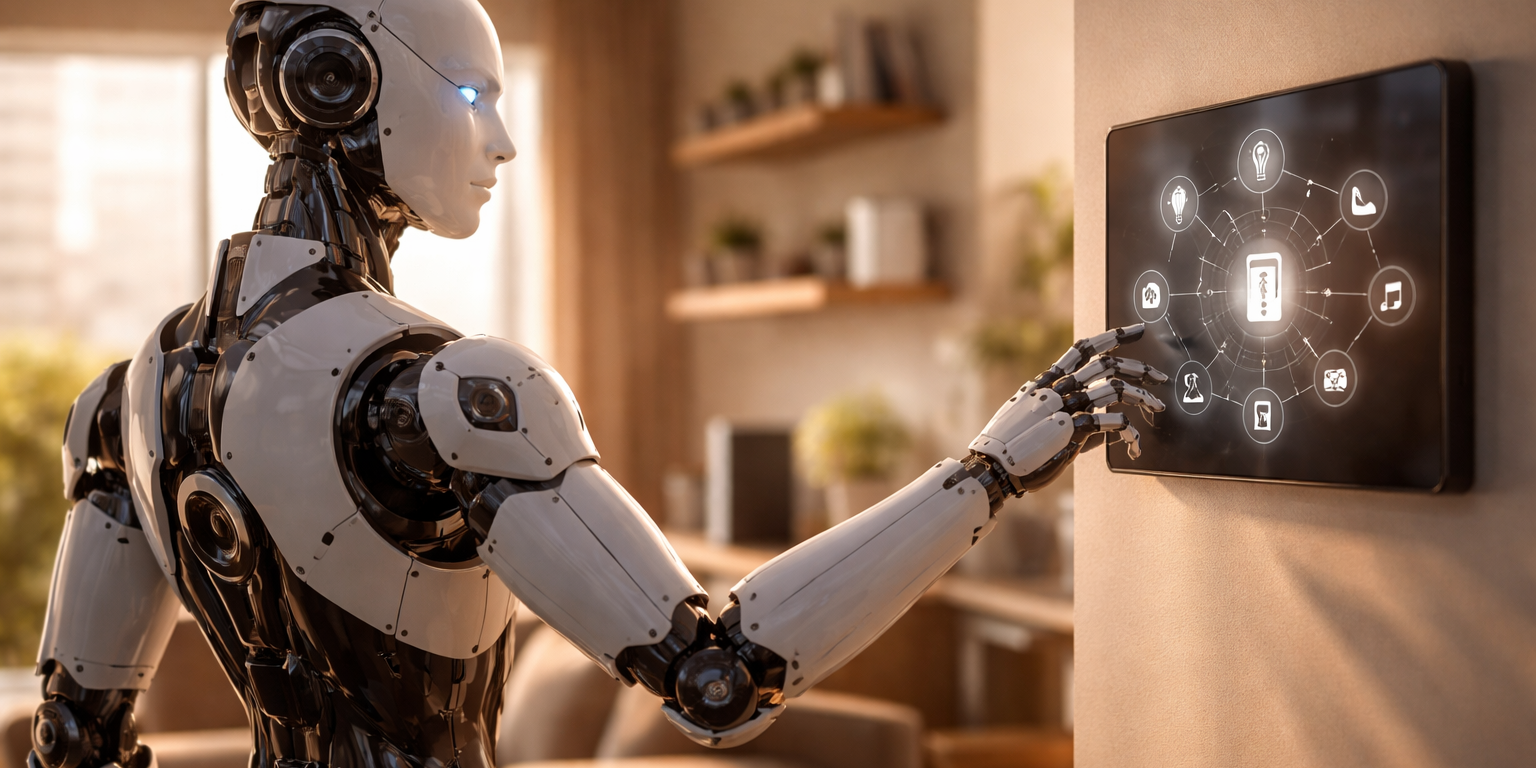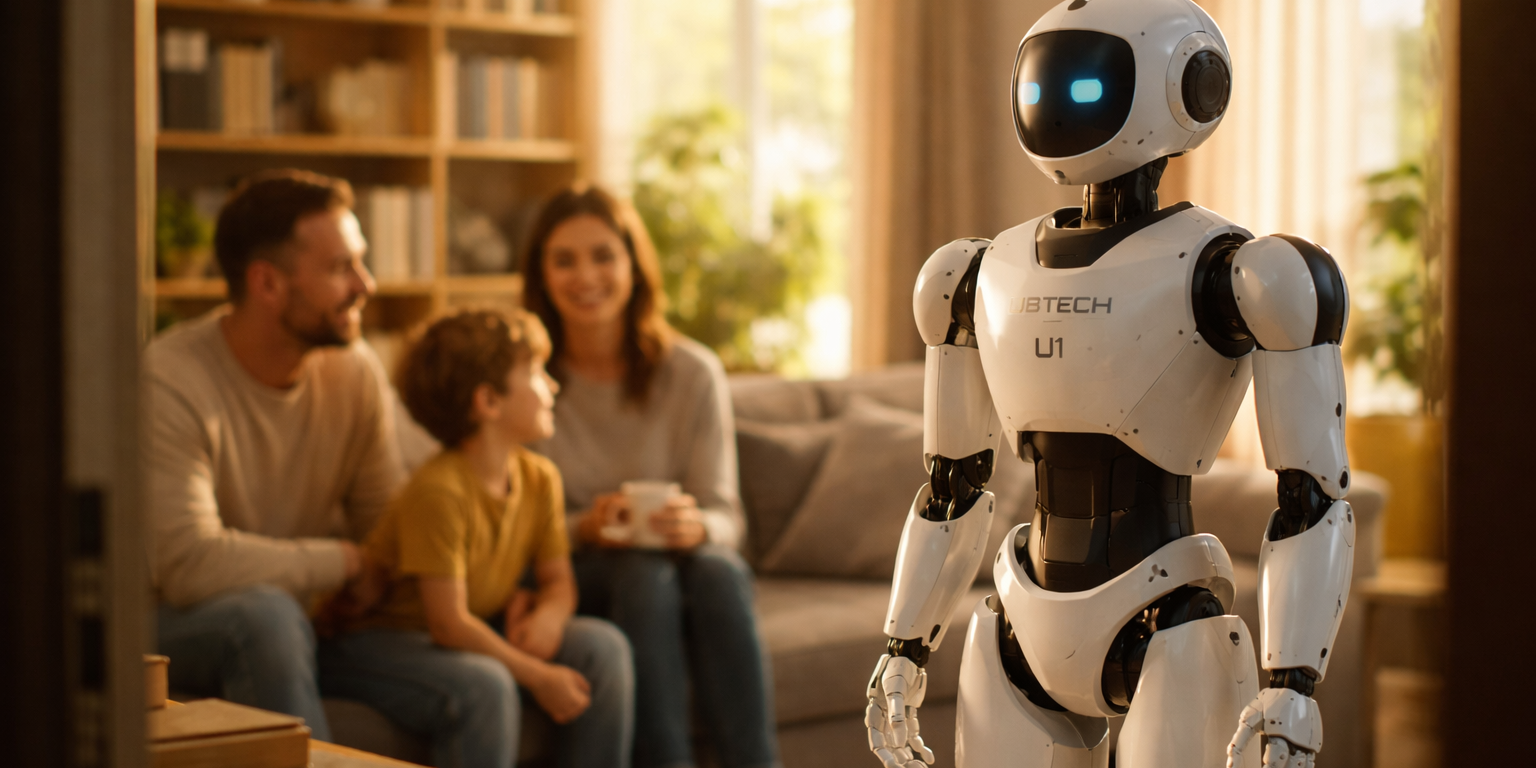
UBTech's Uworld U1 platform represents the company's first serious attempt to place a humanoid robot in the home for months or years at a time, not just as a demonstration unit or limited-use assistant. The system integrates vision-based emotion recognition, natural language processing with contextual memory, and adaptive behavior modeling that claims to learn individual household patterns over weeks of operation. Unlike task-focused home robots that vacuum or patrol, the U1 is designed to occupy shared living spaces and engage in what UBTech calls "ambient companionship." The technical bet here is that consumers will tolerate, and eventually prefer, a physical humanoid presence that observes, learns, and responds, rather than a disembodied voice assistant or a robot that retreats to a charging dock after completing discrete tasks.
The Shenzhen-based manufacturer has deployed humanoid robots in retail, education, and logistics since 2019, but those applications involved structured environments with defined workflows. Moving into the domestic market requires a different capability stack. The U1 relies on continuous learning algorithms that map household routines, recognize individual family members by face and voice, and adjust interaction styles based on accumulated context. UBTech has not disclosed the specific training datasets or model architectures powering the emotion recognition system, but the company confirmed the platform processes visual and audio inputs locally for latency-sensitive tasks, with cloud connectivity reserved for natural language understanding and periodic model updates. Privacy implications are non-trivial. A robot that observes daily routines, records conversations, and builds behavioral profiles on household members generates continuous streams of intimate data. UBTech has not published details on data retention policies, third-party access controls, or the extent to which users can audit or delete accumulated information.
The most contentious feature involves customizable avatars that replicate specific faces and voices. UBTech describes scenarios where a U1 could embody a deceased family member or a distant relative, using archived photos, video, and audio to generate a conversational digital twin. The technical implementation mirrors recent advances in generative AI for voice cloning and facial synthesis, but deploying these capabilities in a physical humanoid escalates ethical and psychological concerns. Grief researchers and human-robot interaction specialists have documented both therapeutic benefits and harmful dependencies when people form attachments to representations of the deceased. UBTech has not announced partnerships with mental health professionals or outlined guidelines for responsible use of avatar features. Regulatory frameworks for such applications remain undeveloped in most markets.
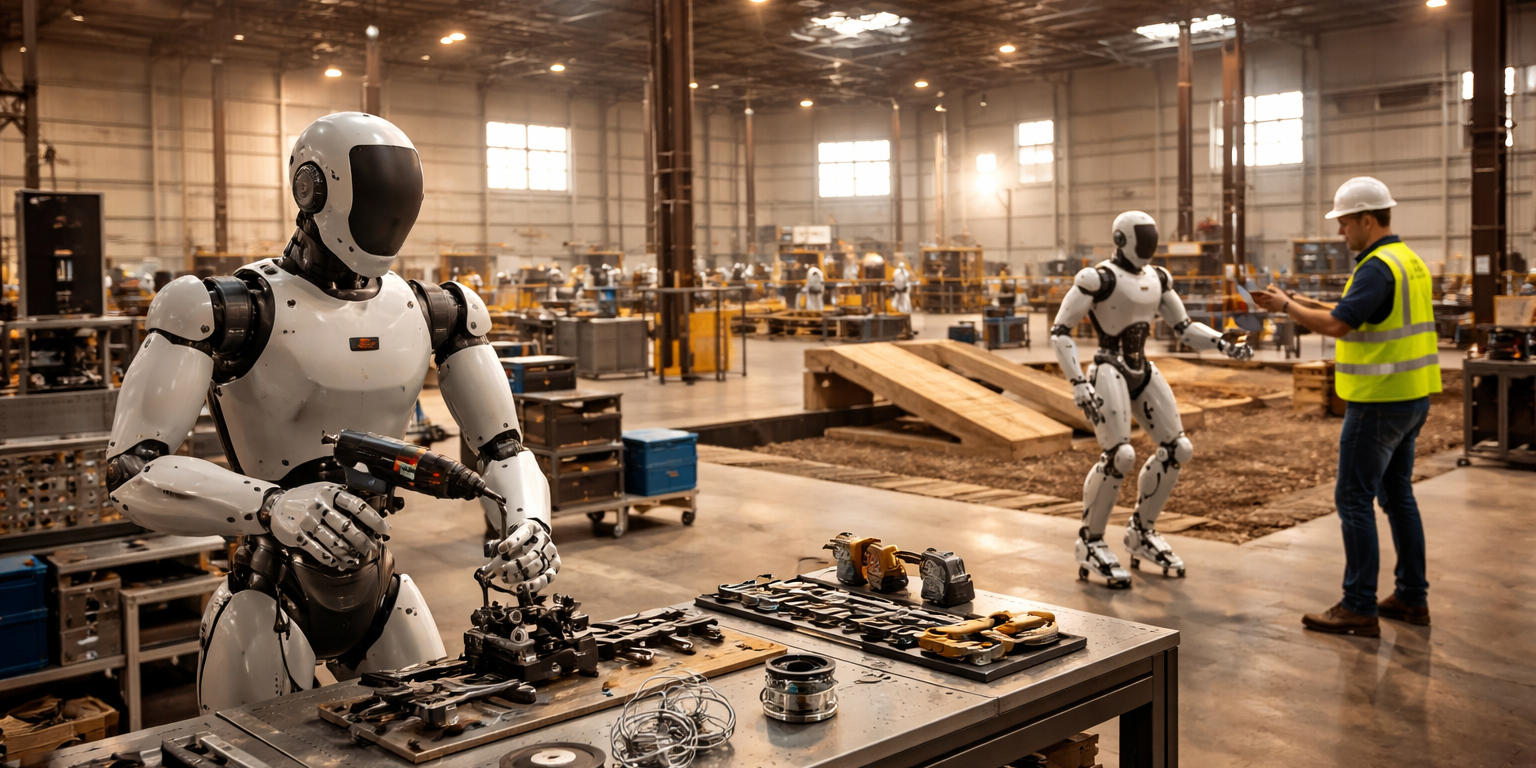
The broader robotics industry has struggled to define a sustainable business model for consumer humanoids. Boston Dynamics, Figure AI, and 1X Technologies have concentrated on commercial and industrial deployments where performance requirements and ROI calculations are clearer. Tesla's Optimus program targets household tasks but has emphasized physical labor over social interaction. UBTech's positioning of the U1 as a companion first and task assistant second diverges from the prevailing industry approach. Pricing, availability, and service infrastructure remain undisclosed, but the domestic market for long-term humanoid deployment will hinge on total cost of ownership, including hardware, software subscriptions, maintenance contracts, and upgrade paths. Previous attempts to commercialize social robots, including Jibo and Anki's Vector, collapsed when companies could not sustain cloud services and hardware support. UBTech's existing commercial robot business may provide more financial runway, but consumer expectations for a live-in humanoid will exceed those for a desktop companion.
What to Watch: UBTech's pricing announcement and distribution strategy will clarify whether the U1 targets early adopters or mass-market consumers. Monitor partnerships with cloud service providers and data storage vendors, which will signal the company's approach to privacy and data governance. Track regulatory responses in key markets, particularly around avatar features that replicate real individuals without explicit ongoing consent. Industry reaction from Boston Dynamics, Tesla, and Figure AI may indicate whether companion-focused humanoids represent a viable market segment or a niche divergence from task-oriented robotics.