Huawei's OpenHarmony operating system has reached 1.3 billion active devices across China, a scale that robotics companies developing consumer humanoids now view as critical infrastructure rather than optional compatibility. The figure encompasses smartphones, smart home controllers, appliances, and education devices, all running variations of the open-source platform that Huawei donated to the OpenAtom Foundation in 2020. At least seven Chinese humanoid robot manufacturers have begun development on OpenHarmony, according to supply chain sources familiar with the integrations, treating the OS as a passport to an installed base no single robotics firm could build independently.
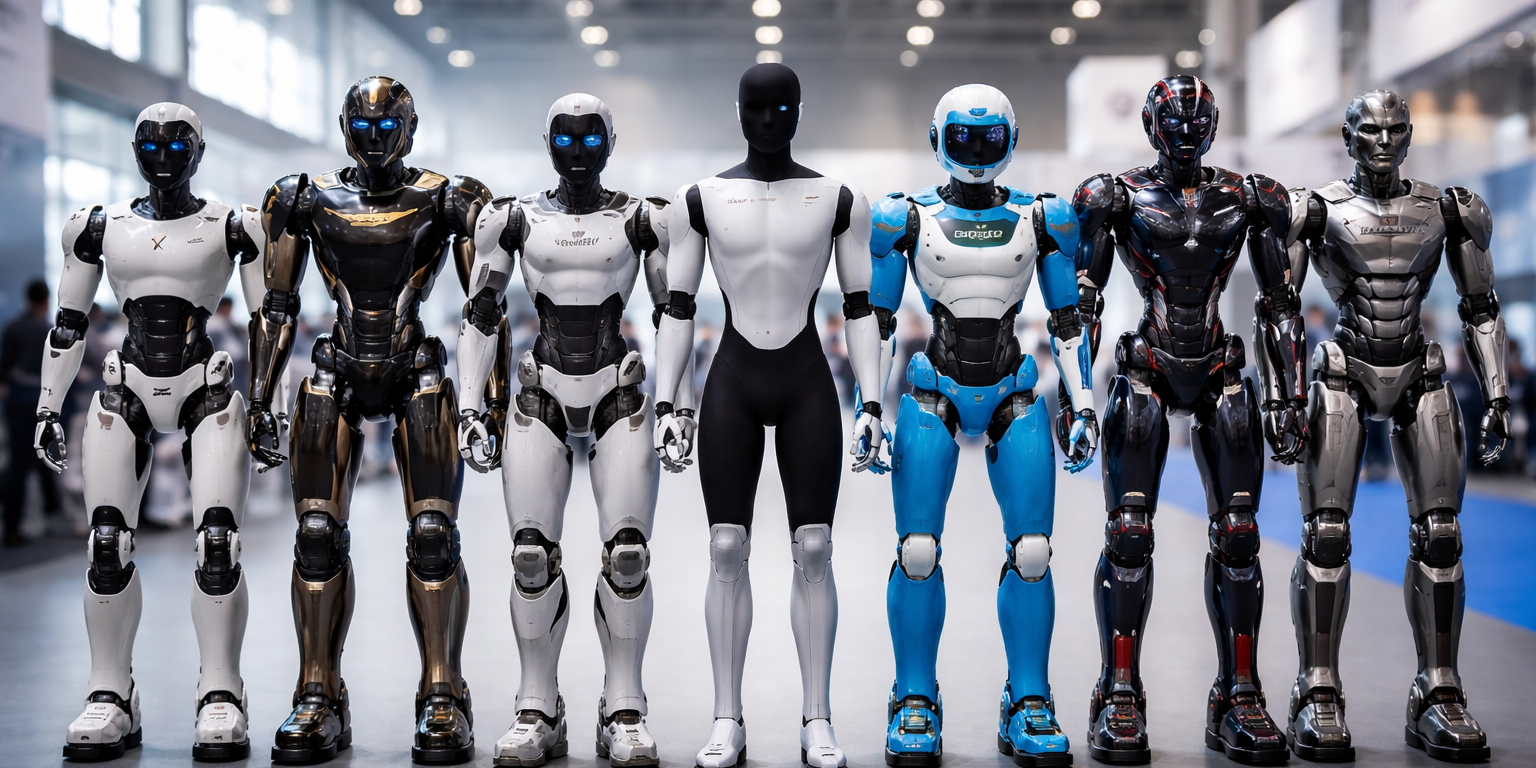
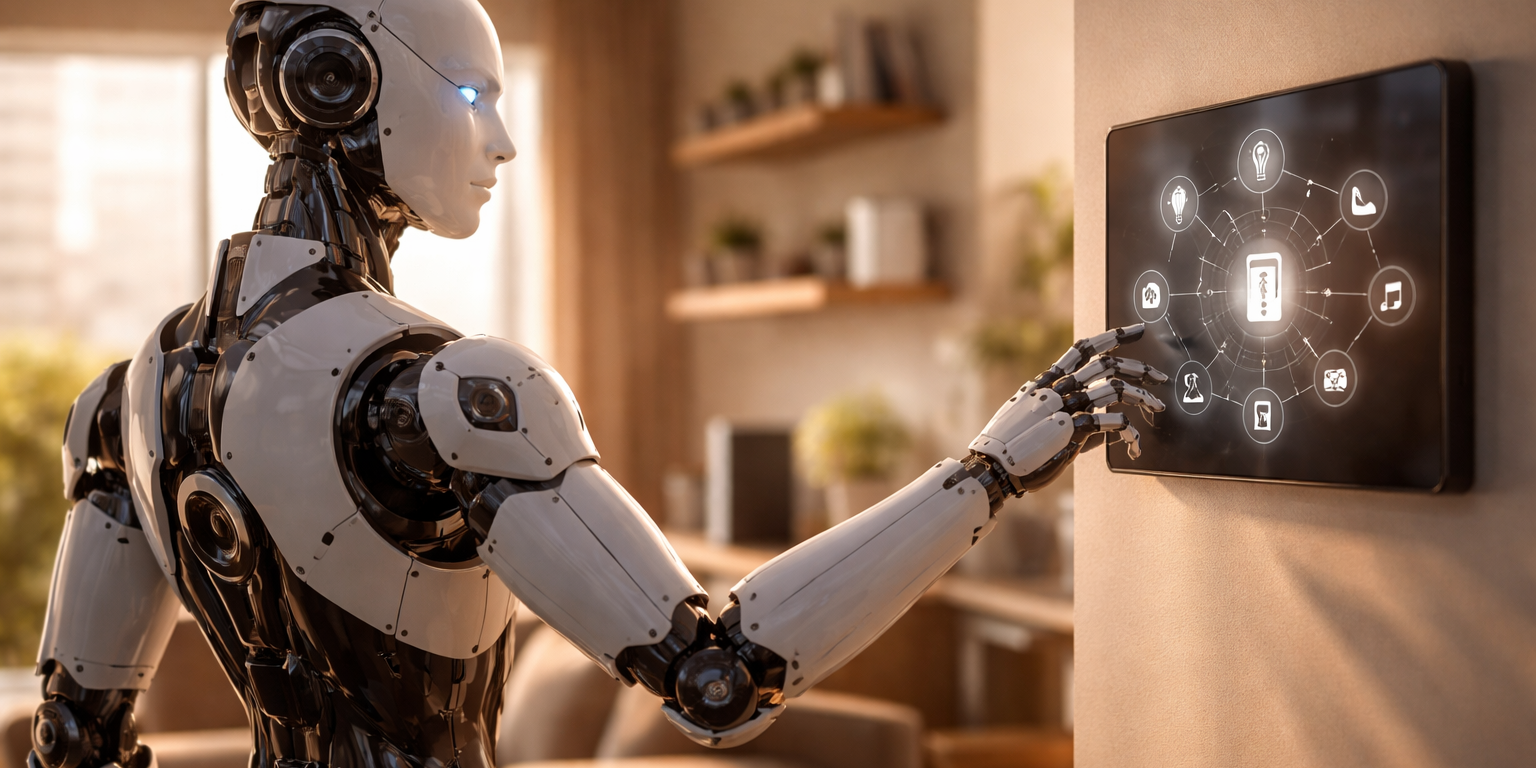
The shift reflects a fundamental recalculation in how consumer robots will compete. Hardware demonstrations dominated industry events through early 2026, with companies showcasing bipedal walking stability, manipulation dexterity, and response latency. Those metrics still matter, but the ability to answer a question by pulling data from a user's smartphone calendar, adjust room temperature through a linked thermostat, or coordinate with a smart refrigerator for inventory tracking now represents table stakes for products targeting Chinese households. OpenHarmony's distributed architecture allows a humanoid to treat nearby devices as extensions of its own sensor and actuator arrays without maintaining separate API integrations for each manufacturer. A robot running the OS can query a Midea air conditioner, a Xiaomi security camera, and a Huawei phone using the same protocol layer, a technical advantage that closes the gap between robotics startups and established electronics conglomerates.
Fourier Intelligence, which shipped approximately 800 GR-1 humanoid units to enterprise customers in 2025, confirmed in April 2026 that its next consumer model will run OpenHarmony. The Shenzhen-based company had previously used a custom Linux distribution but cited the time required to build integrations with third-party smart home devices as a resource drain. Agibot, another Shenzhen robotics firm that raised $150 million in Series A funding in November 2025, began OpenHarmony development in March 2026 for a humanoid aimed at after-school tutoring and elderly care. The company's chief technology officer noted in a May interview with Chinese tech publication 36Kr that recruiting developers familiar with the Huawei ecosystem proved faster than training engineers on proprietary robot middleware. UBTech, which has shipped education robots to over 9,000 schools in China since 2018, has not publicly confirmed OpenHarmony adoption but posted four job listings in June 2026 seeking software engineers with HarmonyOS experience for its humanoid division.
The competitive implications extend beyond robotics. Huawei has maintained that OpenHarmony remains independent of its commercial HarmonyOS product, but the company's device ecosystem creates a moat that benefits any robot interoperating with Huawei phones, wearables, and home products. That installed base gives Huawei an indirect influence over humanoid development priorities even as the company has not announced plans to manufacture humanoids itself. The architecture also poses challenges for international robotics companies attempting to enter China. A humanoid running Robot Operating System 2 or a proprietary stack can technically function in a Chinese household, but its inability to natively communicate with the dominant device ecosystem limits appeal. Several U.S. and European robotics executives attending the World Artificial Intelligence Conference in Shanghai in July 2026 acknowledged in private conversations that Chinese market entry now requires either OpenHarmony integration or partnerships with local firms that have already completed that work. The operating system's embeddedness in consumer electronics means robotics companies are inheriting battle lines drawn in the smartphone wars of the 2010s, with technical decisions made for mobile devices now constraining hardware design and software architecture for bipedal machines.
What to Watch: Fourier Intelligence is scheduled to demonstrate its OpenHarmony-based consumer humanoid at CES Asia in August 2026, which will provide the first public test of cross-device coordination features. UBTech's Walker S humanoid, currently in pilot deployments at Chinese senior care facilities, is expected to receive an OpenHarmony software update in September 2026 based on maintenance schedules shared with facility operators. International robotics firms including Agility Robotics and Sanctuary AI have both established Chinese subsidiaries in 2026 and will need to address OpenHarmony compatibility in product roadmaps targeting mainland deployment by 2027.