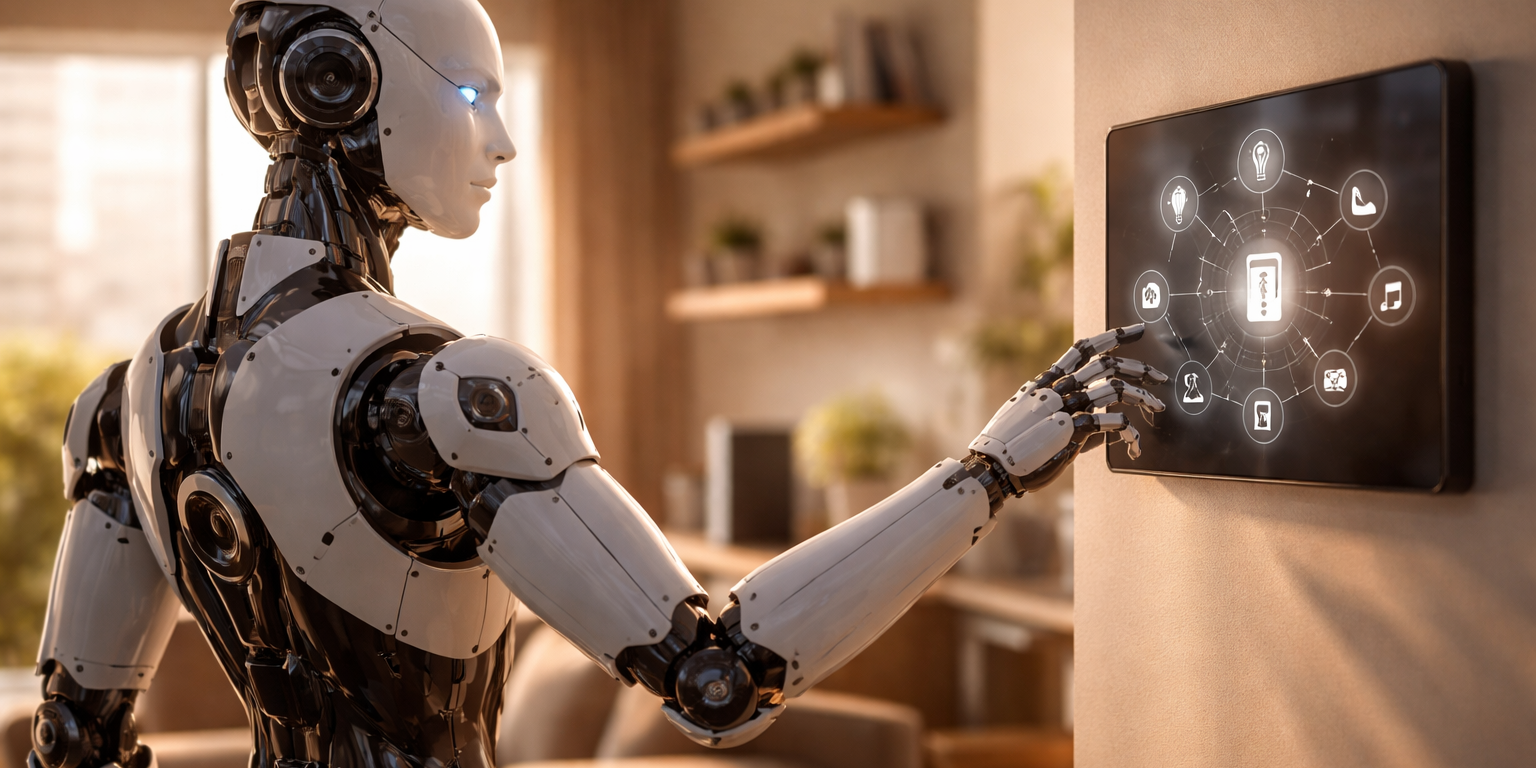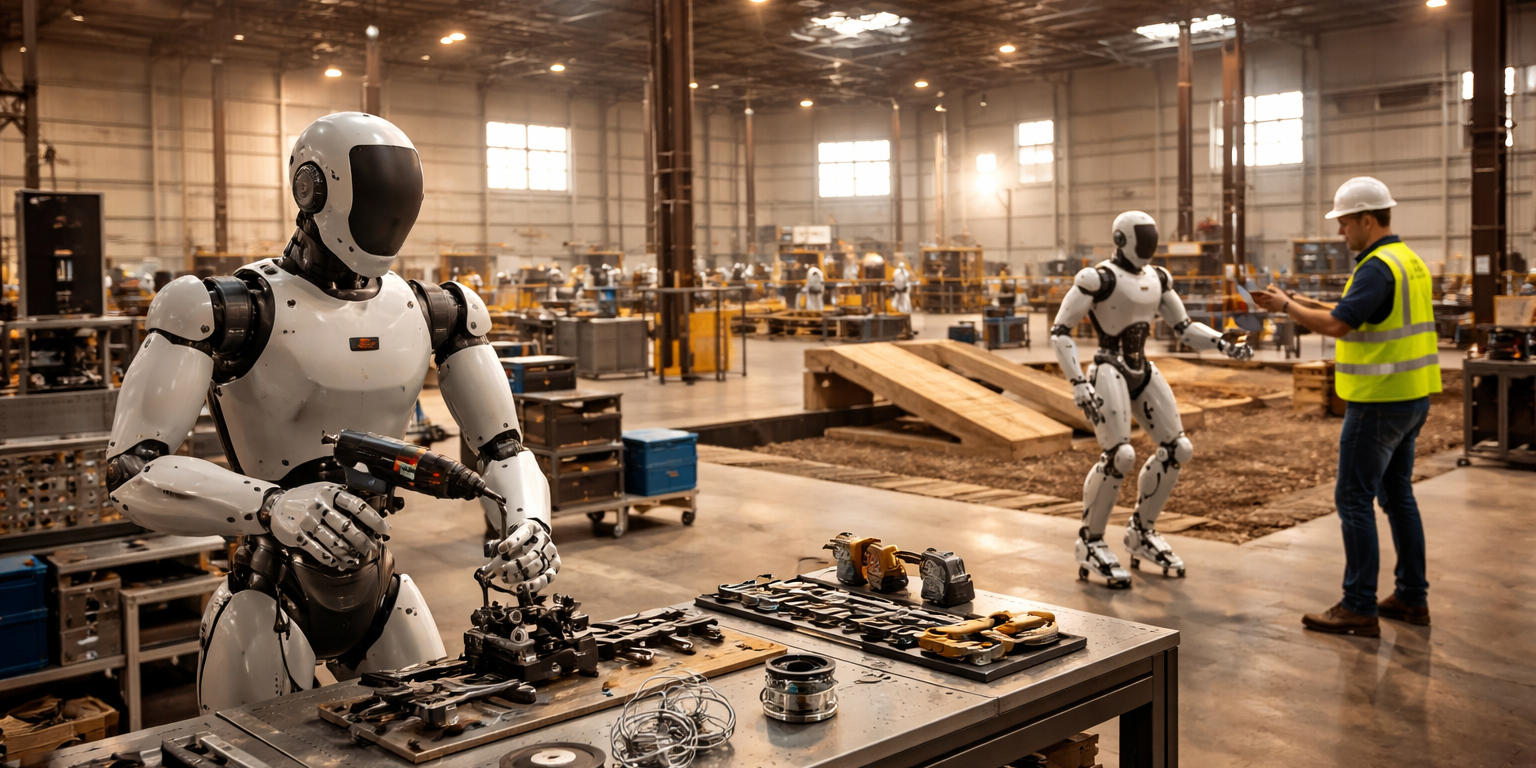
Apptronik has constructed a 40,000-square-foot training facility in Austin called Robot Park where its Apollo humanoid robots practice real-world tasks before shipping to customers. The company, now valued at $5.5 billion following its Series C round earlier this year, treats the space as a proving ground for robots destined for factories, warehouses, and eventually residential settings. Unlike competitors relying primarily on simulated environments, Apptronik runs its humanoids through physical training cycles that mirror actual deployment conditions. Apollo units spend weeks at the facility manipulating industrial components, navigating obstacles, and responding to the kinds of interruptions they will encounter once delivered to customers.
The facility concept emerged from hard lessons learned during early pilot programs. Apptronik discovered that robots trained exclusively in virtual environments struggled when confronted with variables like inconsistent lighting, floor textures, or the unexpected presence of human workers. Jeff Cardenas, co-founder and chief technology officer at Apptronik, told Business Insider that simulation remains essential for initial programming but cannot replicate the full complexity of physical spaces. Robot Park addresses this gap by recreating factory floor layouts, warehouse aisle configurations, and home environments complete with furniture, appliances, and everyday clutter. Apollo units cycle through these zones repeatedly, building what Cardenas describes as a library of physical experiences that inform their decision-making in unfamiliar settings. The company claims this approach has reduced on-site adaptation time by roughly 60 percent compared to robots deployed straight from simulation.
Apptronik designed Apollo as a 160-pound humanoid standing five feet eight inches tall with a 55-pound payload capacity. The robot runs for four hours on a swappable battery pack and uses electric actuators rather than hydraulics, a choice driven by maintenance considerations and the need for precise force control. The company has secured pilot agreements with three automotive manufacturers and two logistics operators, though it has not disclosed customer names or deployment timelines publicly. These partnerships focus on tasks like parts kitting, bin sorting, and assembly line material handling—repetitive work that does not require fine manipulation but demands consistent performance over eight-hour shifts. Apptronik positions Apollo as complementary to existing automation rather than a replacement for specialized industrial robots. The humanoid form factor matters primarily in spaces designed for human workers, where reconfiguring facilities around fixed automation becomes cost-prohibitive.
The broader humanoid market has drawn more than $3 billion in venture funding over the past 18 months, with at least a dozen startups now progressing beyond prototypes toward commercial units. Figure AI raised $675 million at a $3.2 billion valuation in March 2026 and has begun small-scale deployments with BMW. Agility Robotics ships Digit units to Amazon and other logistics customers. Tesla continues development on Optimus, though the company has not announced a commercial release date. This crowded landscape makes Apptronik's training facility strategy notable. Most competitors send units directly to customer sites after internal testing, accepting longer adaptation periods as part of the deployment process. Apptronik argues that front-loading this learning at Robot Park reduces risk for early customers and generates data that benefits all subsequent deployments. Each task practiced at the facility feeds into Apollo's training dataset, theoretically creating a compounding advantage as more robots cycle through the space.
The economics remain uncertain. Apptronik has not disclosed Apollo's unit price, but industry observers estimate costs in the $50,000 to $100,000 range for early production models. At that price point, customers must see clear returns within 18 to 24 months to justify investment over proven alternatives like autonomous mobile robots or collaborative arms. The company projects that Apollo units will achieve labor cost parity with human workers for targeted tasks by late 2027, assuming manufacturing scales as planned. That timeline depends on Apptronik reaching production volumes in the thousands of units annually, a threshold no humanoid manufacturer has yet achieved. Robot Park serves as both a technical necessity and a marketing asset, offering potential customers a tangible demonstration of capability before committing to pilots. Whether this approach translates to faster market adoption will become clear as Apptronik moves from dozens of robots in training to hundreds in the field.
What to Watch: Track whether Apptronik announces its first named customer deployments in Q3 2026, as the company has suggested pilots will expand beyond initial partners. Monitor production volume disclosures from competitors like Figure AI and Agility Robotics to assess whether the humanoid market is scaling on the timelines investors expect. Watch for details on Apollo's second-generation hardware, which Apptronik has confirmed is in development with improved battery life and payload capacity. Pay attention to whether other humanoid manufacturers adopt similar dedicated training facilities, which would validate Apptronik's approach or reveal it as a competitive differentiator.