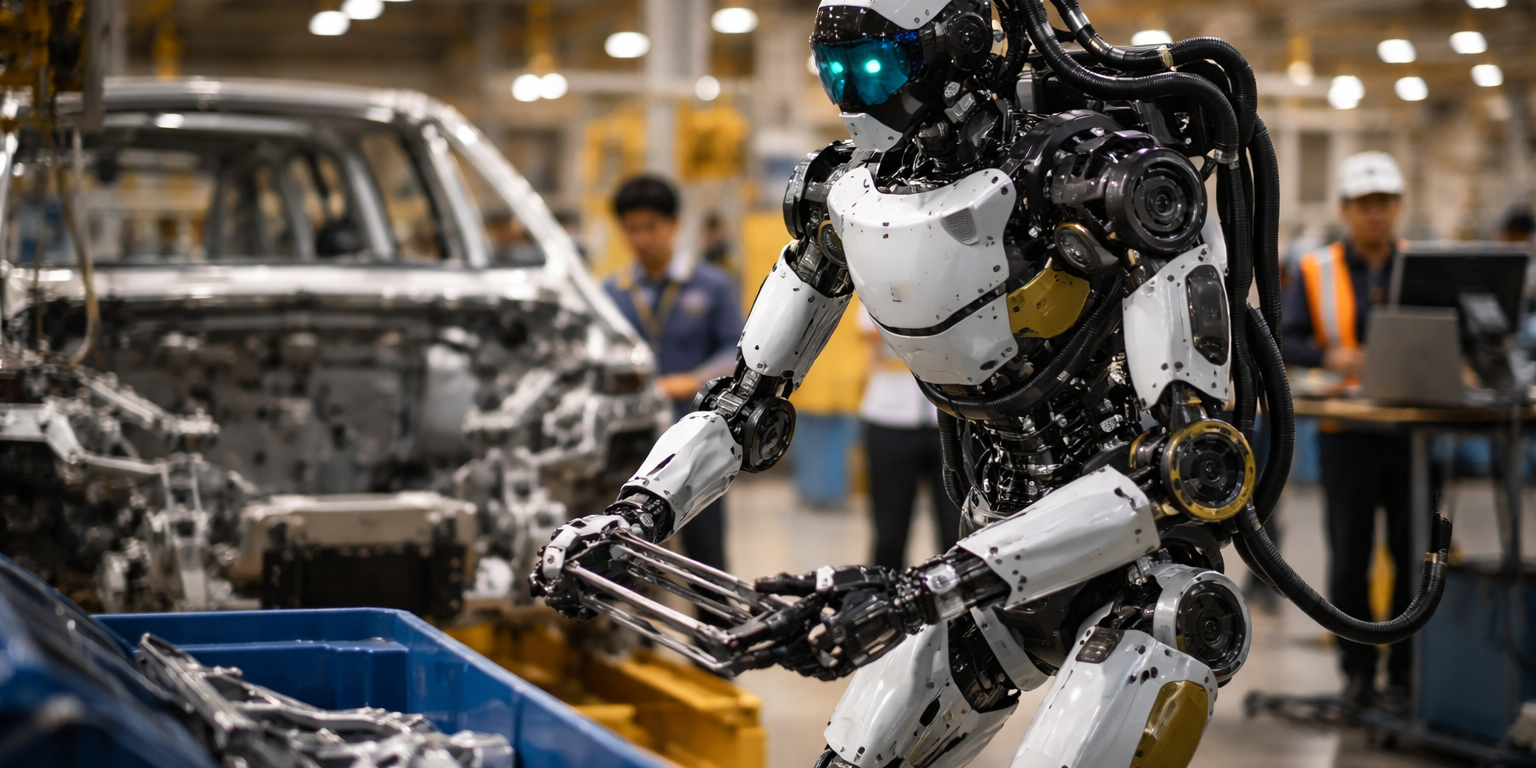
Bernstein reaffirmed its Outperform rating on NVIDIA Corporation on June 29, underscoring the chipmaker's comprehensive grip on humanoid robotics workloads at a time when physical AI systems are transitioning from research demonstrations to pilot production runs. The firm's analysts highlighted NVIDIA's architectural advantages across the entire robotics development pipeline, from virtual environment simulation and model training in datacenter clusters to real-time inference on robots themselves. That end-to-end presence gives NVIDIA leverage on both sides of the humanoid economics equation: companies building foundation models pay for GPU hours during development, then pay again for edge silicon when deploying fleets.
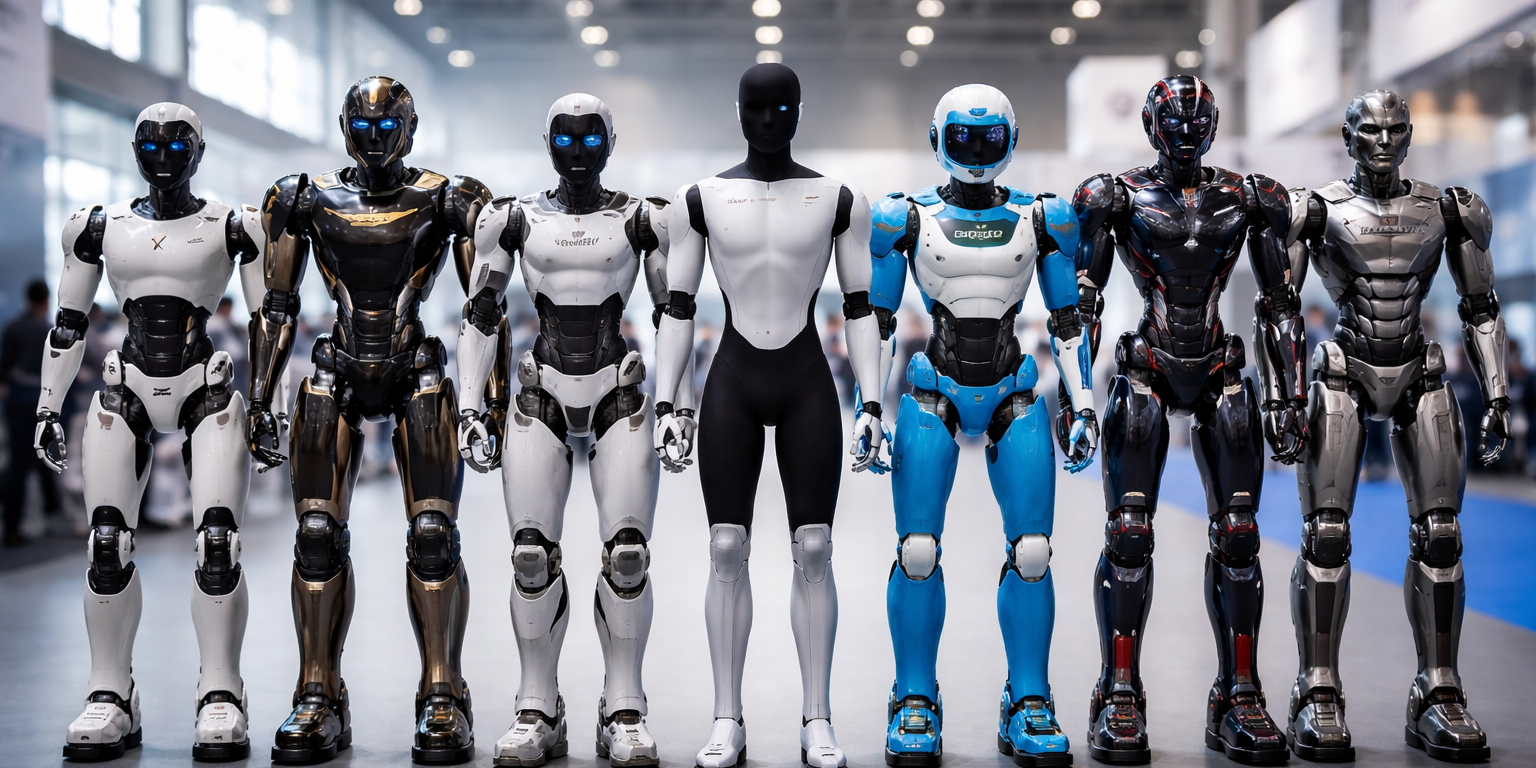
The timing matters because multiple humanoid manufacturers have signaled commercial pilots beginning in the fourth quarter of 2026. Figure AI, Agility Robotics, Apptronik, and 1X Technologies have all announced customer agreements targeting warehouses, logistics hubs, and manufacturing lines before year-end. Those deployments will stress-test not just the mechanical systems but the compute architectures underneath. Humanoids require fundamentally different inference profiles than wheeled mobile robots. Vision transformers processing multi-camera streams at 30 frames per second, whole-body inverse kinematics solvers running at kilohertz rates, and large language models handling natural language commands all demand low-latency, high-throughput compute in tight thermal envelopes. NVIDIA's Jetson Orin platform currently dominates this embedded space, though the company has hinted at next-generation robotics-specific silicon arriving in 2027. Bernstein's note suggested the installed base effect will be difficult for competitors to overcome even as alternative architectures emerge.
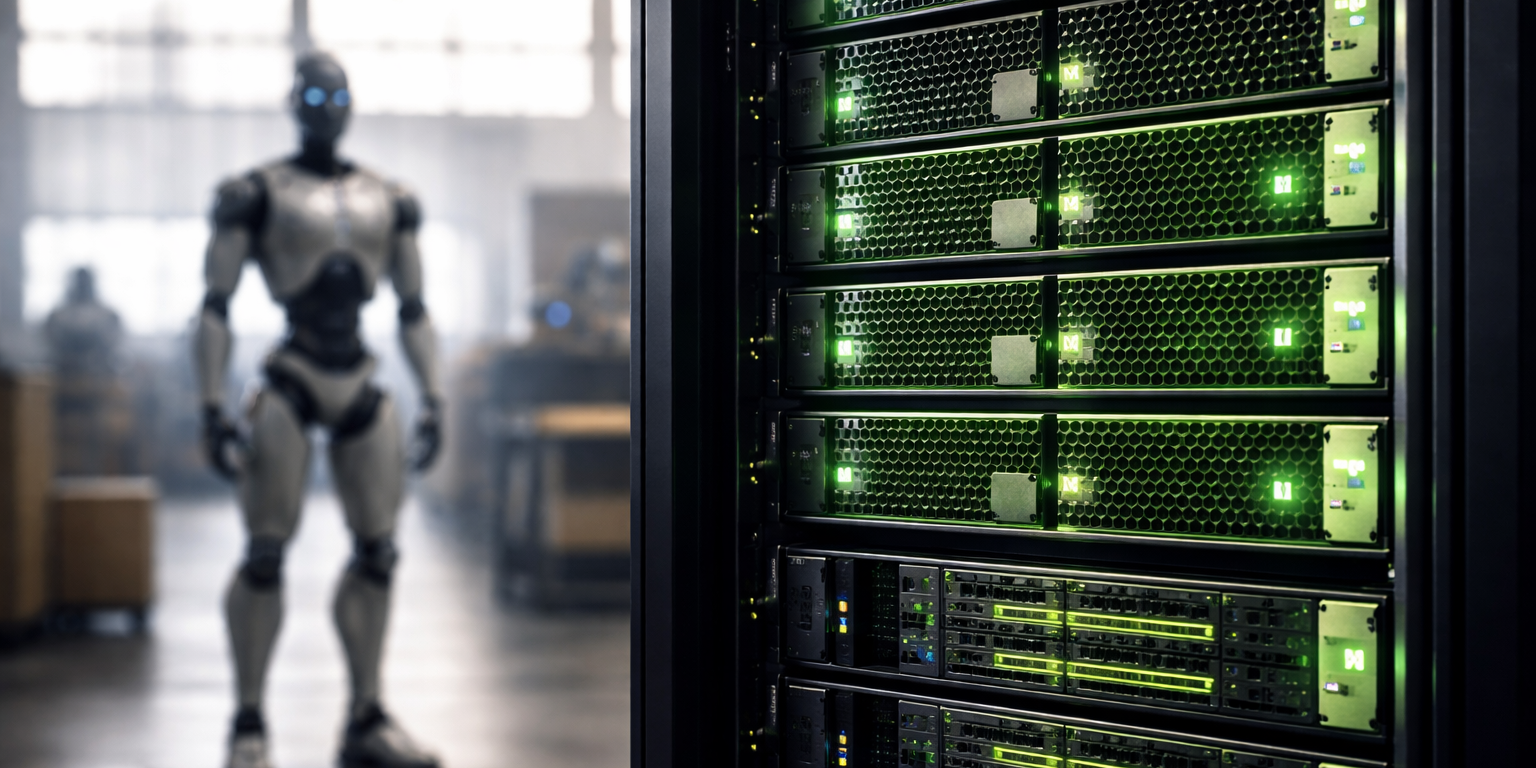
The datacenter side of the equation has proven equally lucrative. OpenAI's recently disclosed that its robotics research division consumed over 25,000 H100 GPU hours per week during the first quarter of 2026 illustrates the scale of compute required to train multimodal foundation models for embodied AI. Sanctuary AI, which operates a fleet of Phoenix humanoids in pilot programs across North America, reportedly runs continuous training loops on NVIDIA DGX clusters to refine manipulation policies based on teleoperation data collected in the field. That feedback loop between physical deployment and cloud-based learning creates recurring demand for datacenter GPUs separate from the one-time hardware sale of edge chips. Bernstein analysts estimated that a single humanoid manufacturer scaling to 10,000 deployed units could generate $40 million to $60 million in annual cloud compute spending, assuming typical fine-tuning cadences and model sizes. With at least six companies publicly targeting five-figure fleet deployments by 2028, the aggregate datacenter opportunity becomes substantial.
NVIDIA's Isaac Sim platform amplifies this dynamic by locking developers into its ecosystem early. The simulation environment runs on NVIDIA GPUs and uses the company's Omniverse framework for photorealistic physics rendering, synthetic data generation, and reinforcement learning at scale. Boston Dynamics, Tesla, and Fourier Intelligence have all publicly confirmed using Isaac Sim for policy development and scenario testing. Once training pipelines are built around NVIDIA's tools, switching costs rise sharply. Retooling simulation infrastructure, retraining engineering teams, and validating new toolchains against existing benchmarks would delay product timelines by quarters. Bernstein's analysis suggested this software moat may prove more durable than hardware leadership alone, particularly as competitors like AMD and Intel introduce robotics-focused chips. The humanoid robotics market remains pre-revenue at scale, but the compute architecture wars are already being won in simulation environments and pilot deployments happening right now. NVIDIA's early positioning across both training and inference gives it compounding advantages as the industry moves from dozens of prototypes to thousands of production units in the next 18 months.
What to Watch: Track NVIDIA's Q3 2026 earnings call in August for any disclosure on robotics-specific revenue within the datacenter or embedded segments. Monitor whether Tesla reveals Optimus compute specifications at its AI Day event rumored for September, which could validate or challenge NVIDIA's inference dominance. Watch for announcements from Figure AI and Agility Robotics regarding their Q4 2026 commercial deployments, particularly any details on compute hardware selections and performance benchmarks under real-world operating conditions.