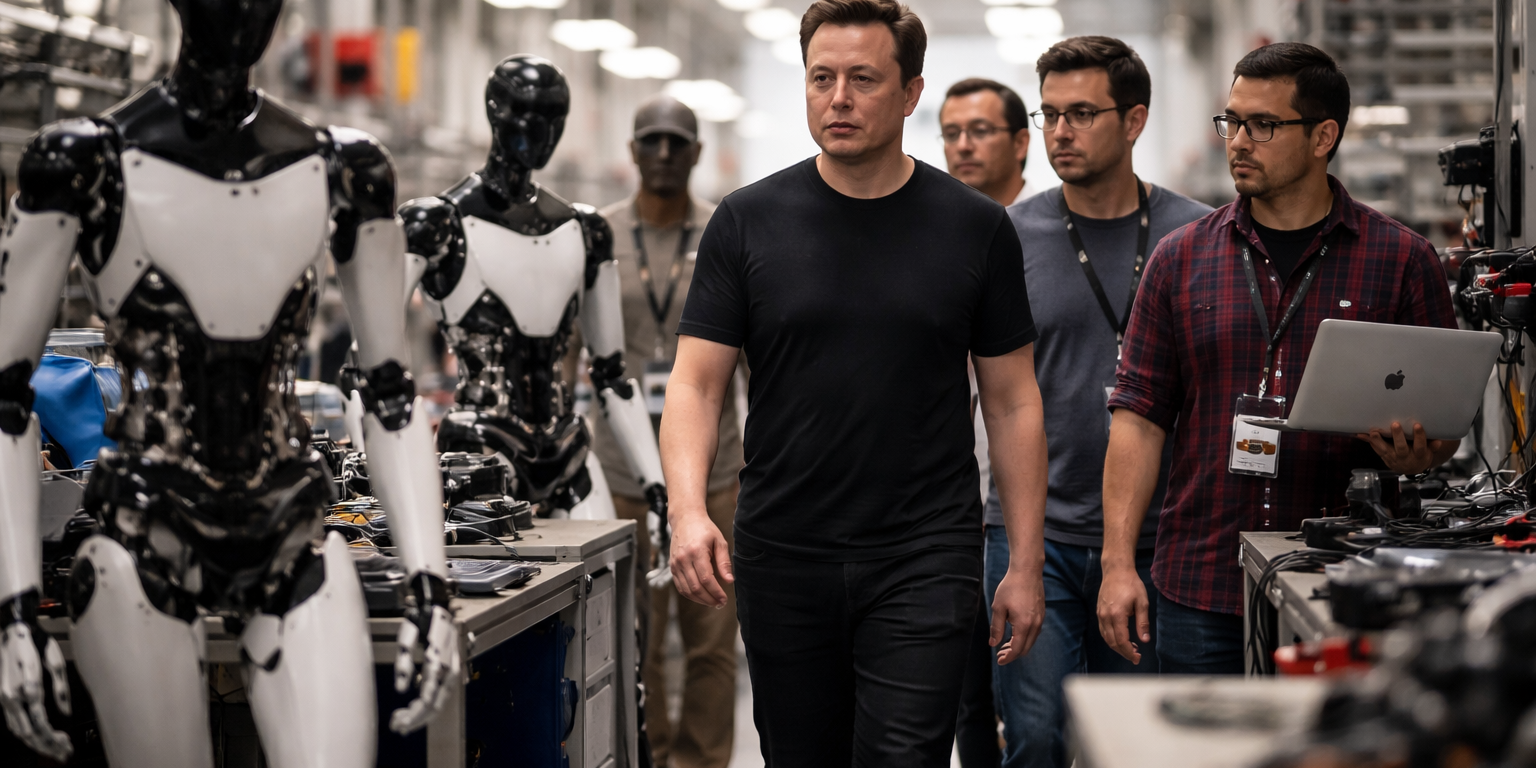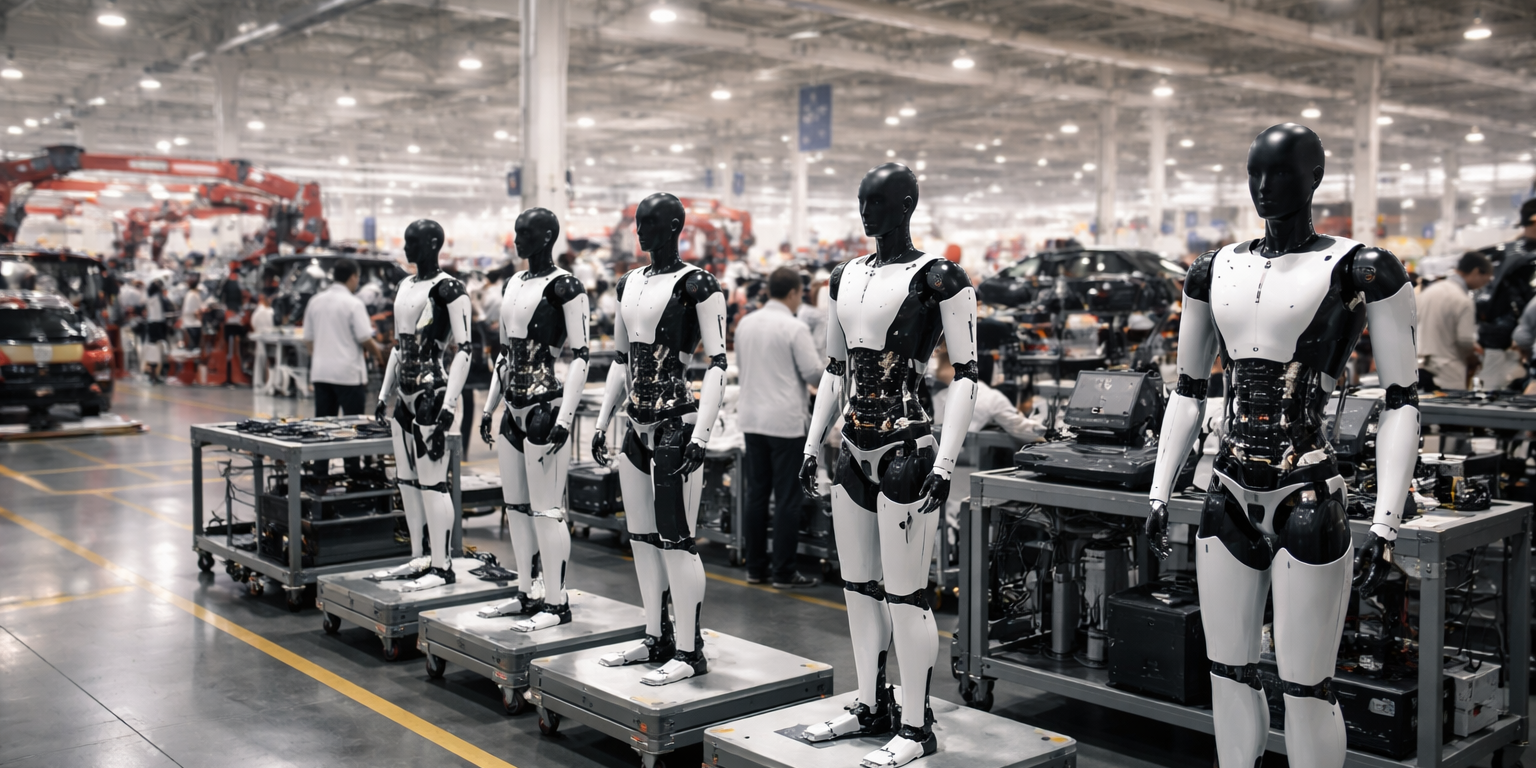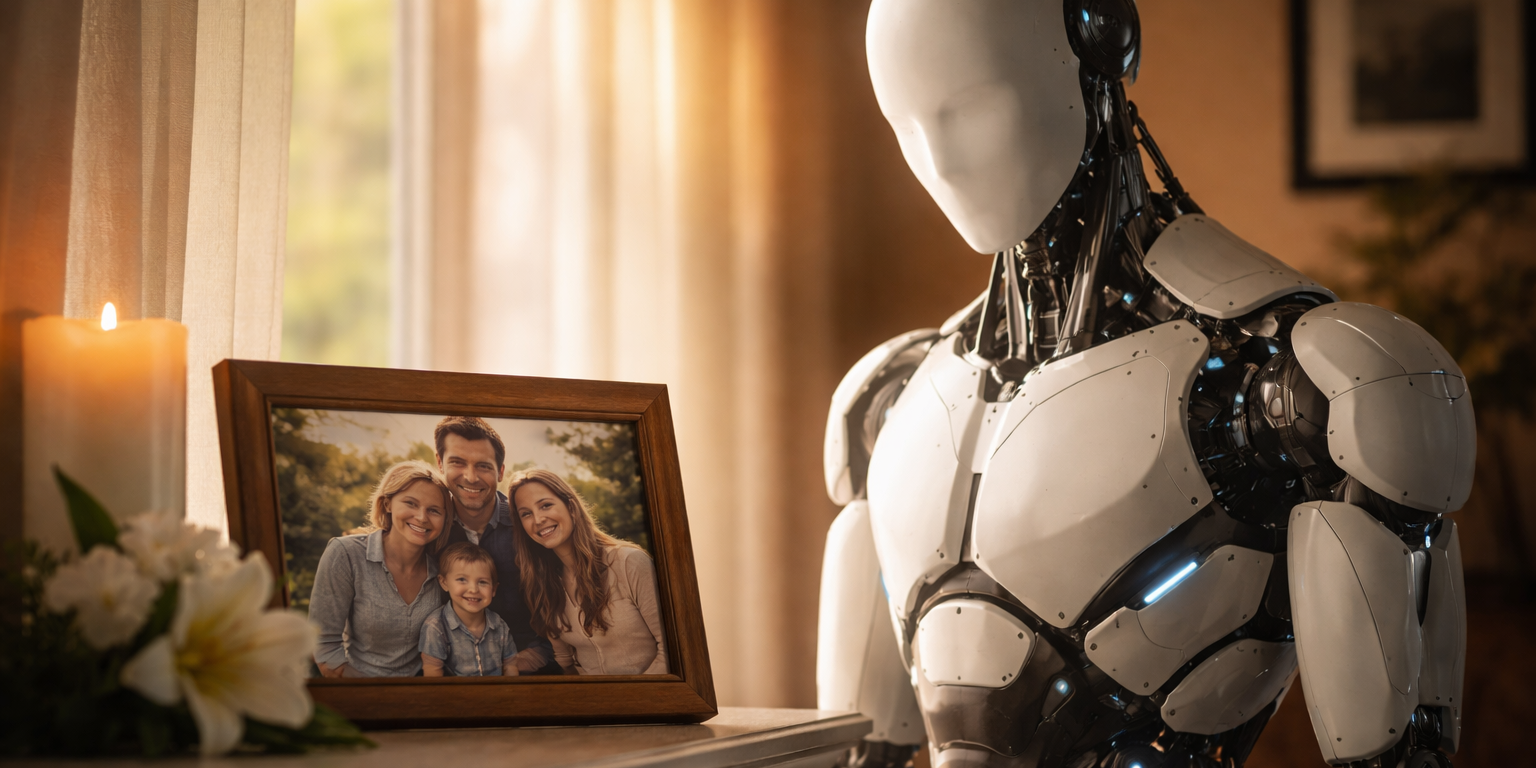
UBTech Robotics shipped its first full-size humanoid platform to market this week, but the technical specifications of the UWorld U1 Series take a back seat to its most controversial feature: a commissioned service that allows customers to order robots configured to physically resemble deceased family members. The Shenzhen manufacturer, best known for its Alpha and Walker educational robots, positions the customization option as a natural extension of its existing biometric modeling capabilities, though the company has not disclosed pricing for what it calls "memorial configuration services." Industry sources familiar with custom humanoid fabrication estimate the full-replica option would add $150,000 to $300,000 to the base platform cost, assuming the U1 Series itself lands in the $80,000 to $120,000 range typical of comparable platforms.
The timing reveals UBTech's dual strategy. The company held roughly 11 percent of the global educational robotics market as of Q4 2025, according to Interact Analysis, but its revenue growth stalled as Chinese domestic demand plateaued. Humanoid platforms represent UBTech's first serious push into commercial and consumer markets outside the classroom, where it competes against established players like Figure AI, Agility Robotics, and 1X Technologies. None of those competitors offer biometric customization at launch. The U1 Series ships with 44 degrees of freedom, torque-controlled actuators in the hands rated to 15 Nm, and a claimed runtime of four hours under mixed-use conditions. UBTech built the platform around a modular software stack supporting ROS 2 and its proprietary UWorld SDK, which the company says will allow third-party developers to build task-specific behaviors without hardware modifications. The memorial replica service, however, requires direct engagement with UBTech's Shenzhen engineering team and adds 12 to 16 weeks to the delivery timeline.
The technical challenge lies in facial actuation and skin fabrication, not the underlying robotic platform. UBTech partnered with an unnamed Chinese prosthetics manufacturer to develop silicone skin compounds that match human texture and pigmentation under variable lighting. The face contains 18 embedded actuators capable of approximately 40 distinct expressions, though early prototypes demonstrate the uncanny valley effect remains unresolved. Video demonstrations released by UBTech show the U1 Series performing basic household tasks—folding laundry, retrieving objects, walking up stairs—but the memorial configuration marketing materials focus almost exclusively on stationary interactions: sitting across a table, responding to voice queries, limited gesture recognition. Prospective buyers submit photographs, videos, and voice recordings of the deceased. UBTech's team builds a digital model, fabricates custom skin molds, and tunes the voice synthesis engine to approximate speech patterns. The company claims 85 percent customer satisfaction in internal trials, though it has not published peer-reviewed data on psychological outcomes or longitudinal usage patterns.
Market reception will determine whether UBTech's bet pays off. Competitors have deliberately avoided life-like humanoid appearances, opting instead for explicitly mechanical designs that telegraph their robotic nature. Figure AI's Figure 02 platform ships with a featureless faceplate. Agility's Digit uses a sensor array housed in a cylindrical head. Even Tesla's Optimus Gen 3 maintains stark white or black casings with minimal facial features. Industry consensus holds that customers tolerate—even prefer—robots that look like robots, particularly in commercial settings where trust and predictability matter. UBTech's memorial configuration service targets a different psychology entirely, one rooted in grief economics rather than task automation. The global death care market exceeded $108 billion in 2025, according to IBIS World, with cremation, burial, and memorial services commanding premium pricing driven by emotional attachment rather than functional value. Whether a $200,000 robot replica competes with a $5,000 funeral or a $50 urn remains unclear. Early adopters will likely cluster in high-net-worth demographics with existing exposure to premium grief services, though UBTech has not disclosed whether it will pursue clinical partnerships with hospice providers or grief counseling networks.
What to Watch: UBTech plans to demonstrate the U1 Series at the World Robot Conference in Beijing this August, where the company will announce commercial availability timelines and regional distribution partners. Monitor whether Figure AI, 1X, or other humanoid manufacturers respond with competing customization offerings or explicitly position themselves against biometric replication. Track regulatory developments in the EU and California, where proposed legislation on synthetic media and digital likeness rights could impact UBTech's ability to market memorial configurations in key Western markets.