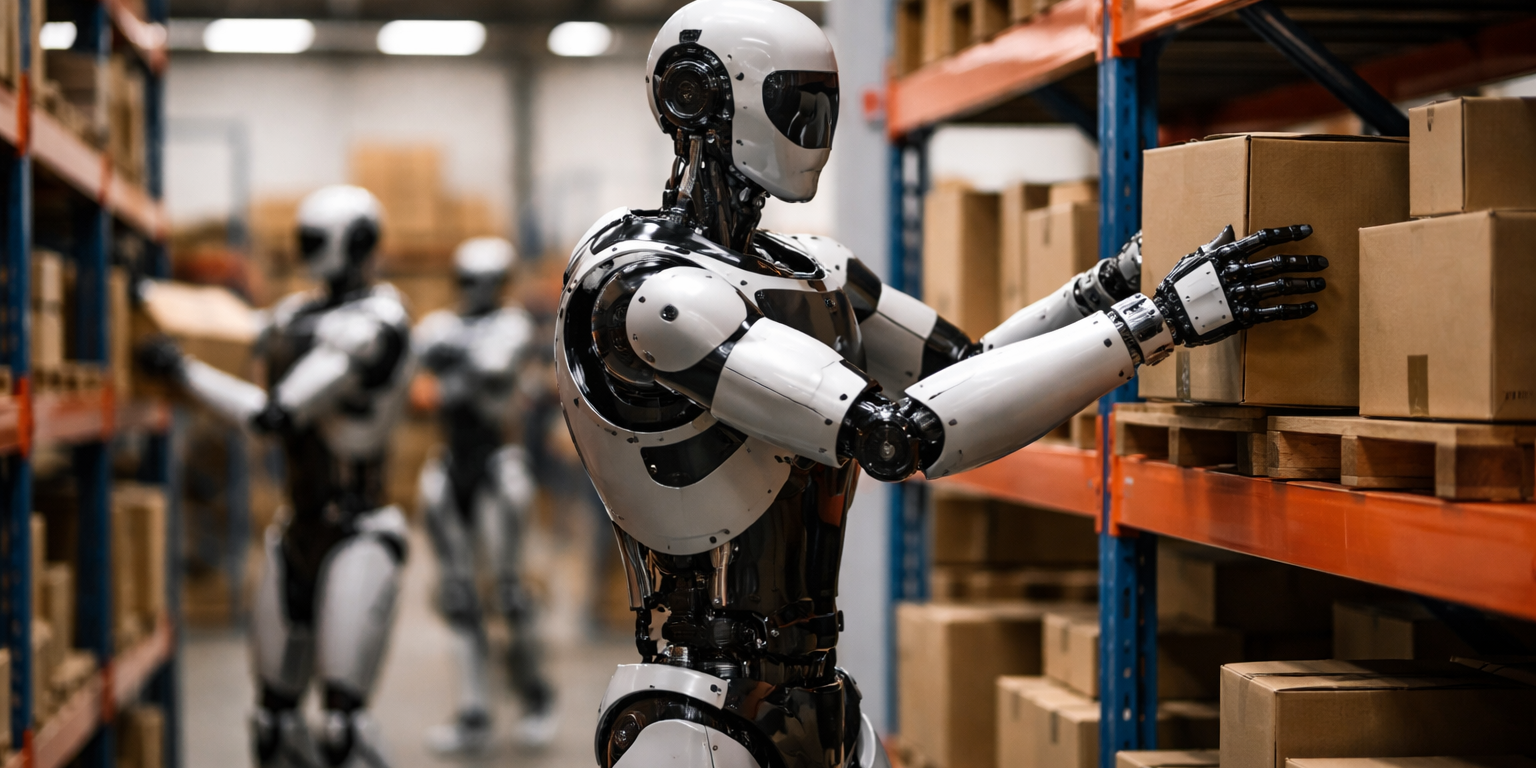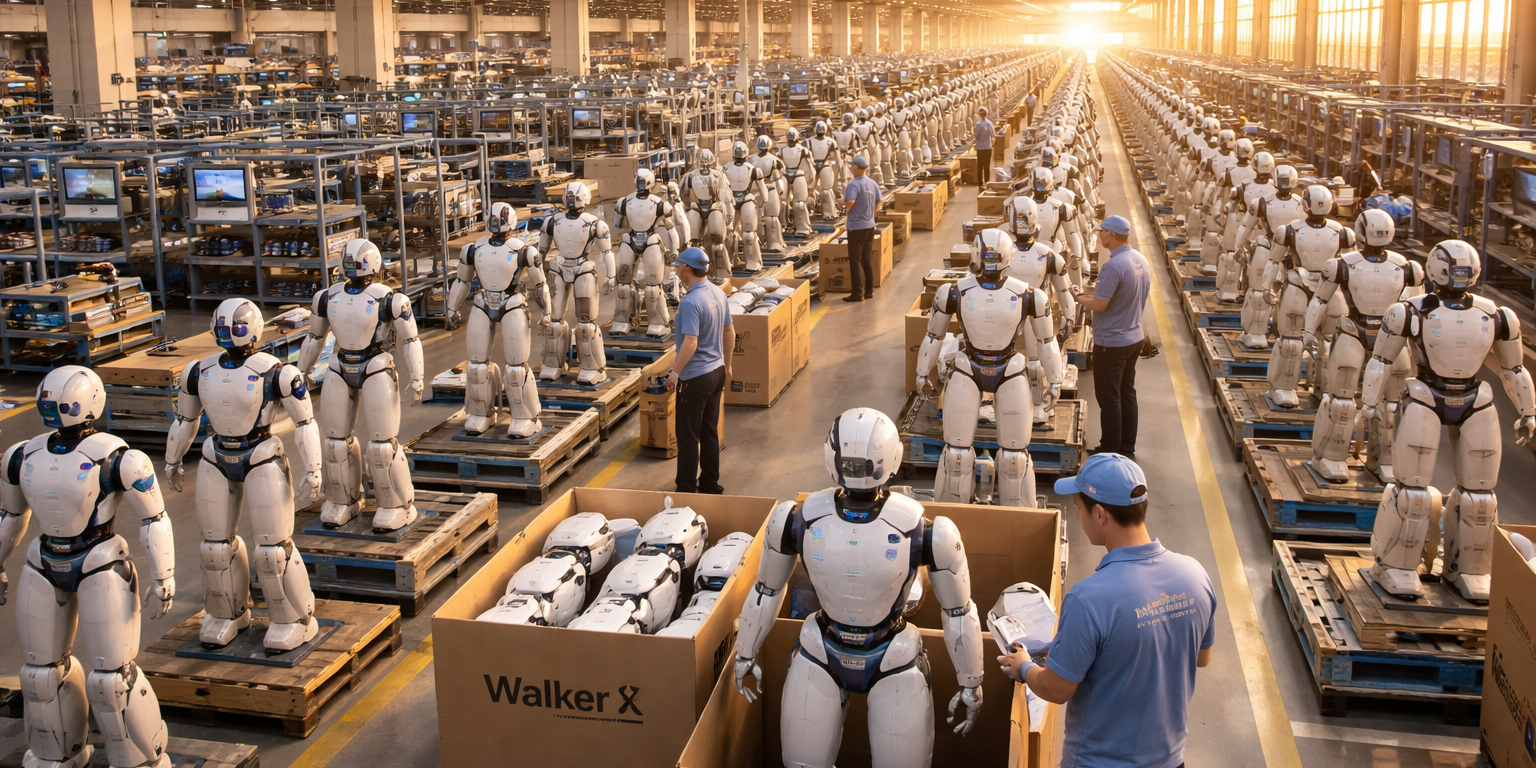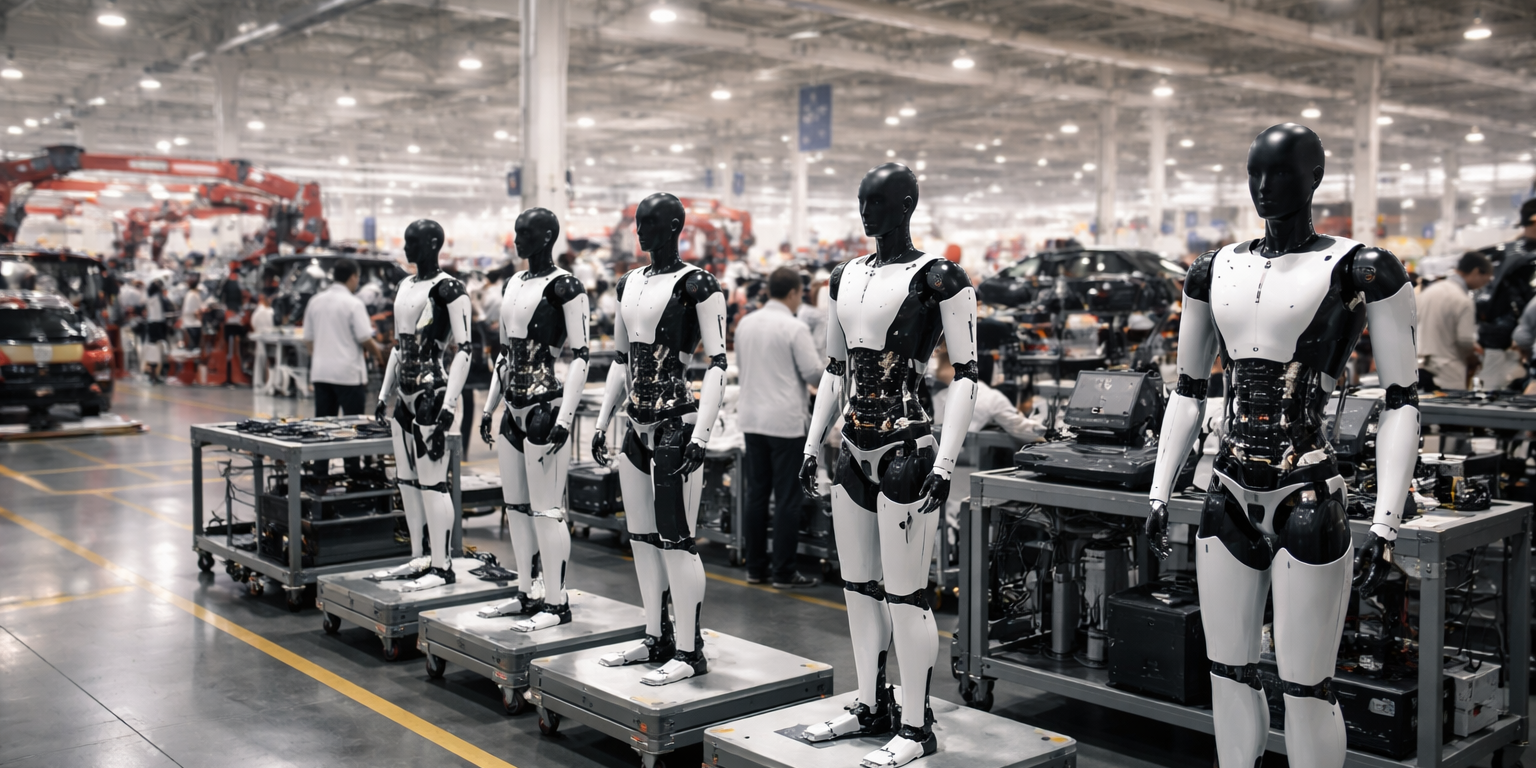
Tesla installed a production line for its Optimus humanoid robot inside the Fremont factory complex in recent weeks, according to facility documentation and supplier sources familiar with the buildout. The line occupies roughly 15,000 square feet of floor space previously used for Model S and Model X subassembly work, reflecting a shift in how the company allocates capital between vehicle programs and emerging automation projects. Fremont, which opened in 1962 as a General Motors plant and became Tesla's first manufacturing site in 2010, now houses both automotive and humanoid robot production under the same roof.
Tesla first demonstrated a working Optimus prototype in September 2022, then showed a second-generation design in December 2023 with improved hand dexterity and walking speed. The jump from prototype to production line represents a compressed timeline compared to traditional industrial robotics, where new platforms typically undergo three to five years of field testing before manufacturers commit to dedicated assembly capacity. Elon Musk stated in April that Tesla planned to deploy "several thousand" Optimus units in its own factories during 2026, primarily for material handling and parts sorting tasks that currently require human workers. Moving production into Fremont allows Tesla to iterate on hardware design while building units for internal deployment, a strategy the company used during early Model 3 production when it installed a semi-automated assembly line inside a tent structure adjacent to the main plant.
The Optimus robot stands 5 feet 8 inches tall, weighs 160 pounds, and uses actuators and sensors derived from Tesla's automotive supply chain, including vision systems adapted from the company's Full Self-Driving hardware. Tesla has not disclosed per-unit production costs, but Musk projected in 2023 that long-term manufacturing cost could fall below $20,000 per robot once production reaches scale, a figure that would undercut established industrial robot arms from ABB, KUKA, and Fanuc on a cost-per-task basis for certain applications. Whether Tesla can hit that cost target depends on yields from the Fremont line and the company's ability to leverage existing automotive supplier relationships for components like electric motors, battery packs, and computing hardware. The production line uses a mix of manual assembly and automated testing stations, with each robot requiring approximately 12 hours of assembly time, according to one supplier involved in the buildout. That figure is expected to drop as Tesla refines the process and adds automation to the line itself.
Tesla's move into humanoid manufacturing arrives as multiple competitors pursue similar timelines. Figure AI demonstrated its Figure 02 robot performing automotive assembly tasks at a BMW plant in South Carolina earlier this year, while Boston Dynamics continues pilot deployments of its Atlas robot in warehouse environments. Sanctuary AI, Apptronik, and Agility Robotics have all announced plans to ship commercial units in 2026 or early 2027, creating a race to prove both technical capability and economic viability. The key differentiator for Tesla may be vertical integration: the company manufactures its own battery cells, motor controllers, and AI inference chips, giving it control over the cost structure and supply chain in ways that standalone robotics firms cannot match. That advantage matters most in a market where unit economics remain unproven and buyers are reluctant to commit to large orders without clear return-on-investment timelines. Tesla's internal deployment strategy allows it to gather operational data, refine software, and demonstrate reliability before asking external customers to take on similar risk.
What to Watch: Tesla is expected to release production numbers for Optimus units during its Q2 2026 earnings call in late July, which will provide the first public data on manufacturing cadence. Suppliers to watch include Harmonic Drive for precision gearing, ON Semiconductor for vision sensors, and any announcements from Tesla regarding battery pack configurations specific to Optimus. External sales are likely to begin in late 2027 or early 2028, with automotive and logistics customers most probable as initial targets. Competitor timelines from Figure AI and Agility Robotics will indicate whether Tesla's production advantage translates into market share or whether the humanoid sector remains fragmented across multiple platforms.