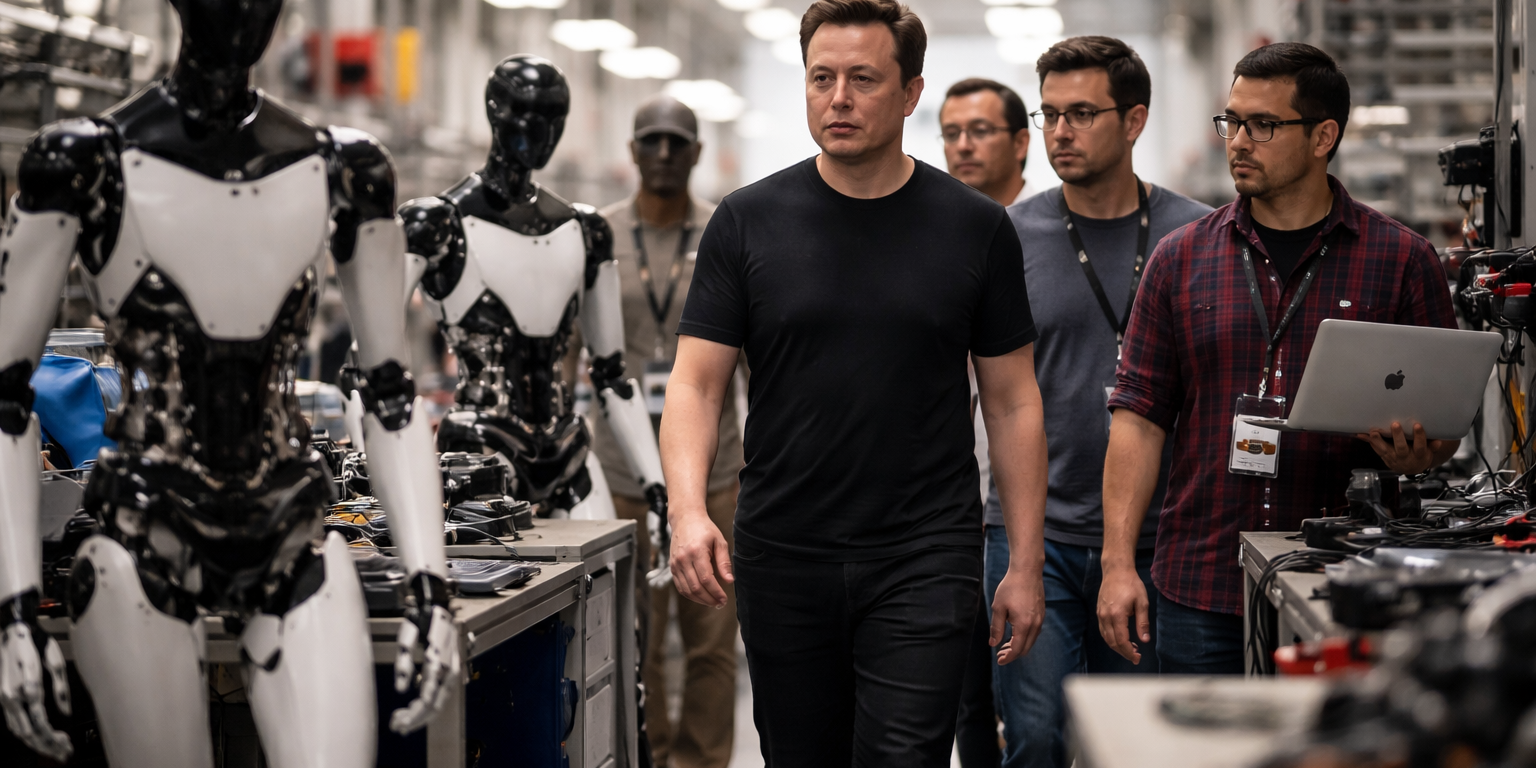
Elon Musk walked the Optimus production line at Tesla's Fremont, California facility in a visit that underscores the electric vehicle manufacturer's commitment to humanoid robotics as a core business vertical. The tour, documented in photographs circulated across social media channels, showed Musk alongside engineering teams examining assembly stations where Tesla's bipedal robots are manufactured. The Fremont factory, originally a joint venture facility between General Motors and Toyota before Tesla acquired it in 2010, now houses both automotive and robotics production operations under one roof.
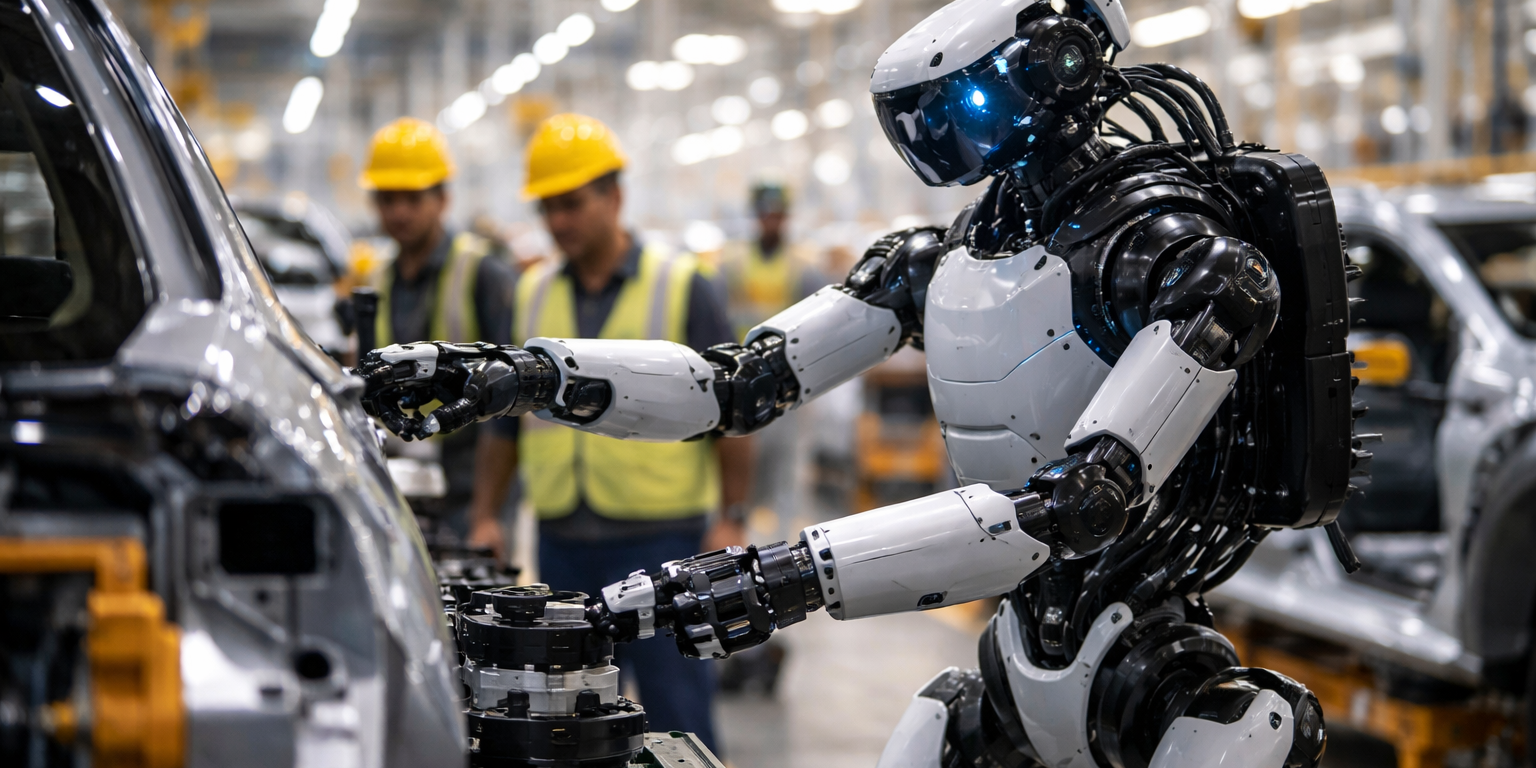
Tesla first demonstrated a working Optimus prototype in September 2022, a stark departure from the costume-clad placeholder shown at AI Day 2021. Since then, the program has accelerated through multiple hardware iterations. The robot stands roughly 5 feet 8 inches tall, weighs 161 pounds, and incorporates actuators and sensors developed in-house by Tesla's automation engineering division. Each unit carries compute hardware derived from Tesla's Full Self-Driving architecture, repurposed for bipedal locomotion and manipulation tasks rather than vehicular navigation. The company has deployed dozens of Optimus units within its own factories, primarily for material transport and repetitive assembly tasks that human workers find ergonomically challenging. These internal deployments serve dual purposes: validating hardware reliability in industrial environments and generating training data for the neural networks that control robot behavior. Musk has stated publicly that Tesla intends to sell Optimus commercially, though no firm pricing or delivery timeline has been announced for external customers. Analyst estimates place a potential price point between $20,000 and $30,000 per unit at scale, positioning Optimus below competing humanoid platforms from Boston Dynamics and Figure AI in initial cost but requiring buyers to accept less mature software capabilities.
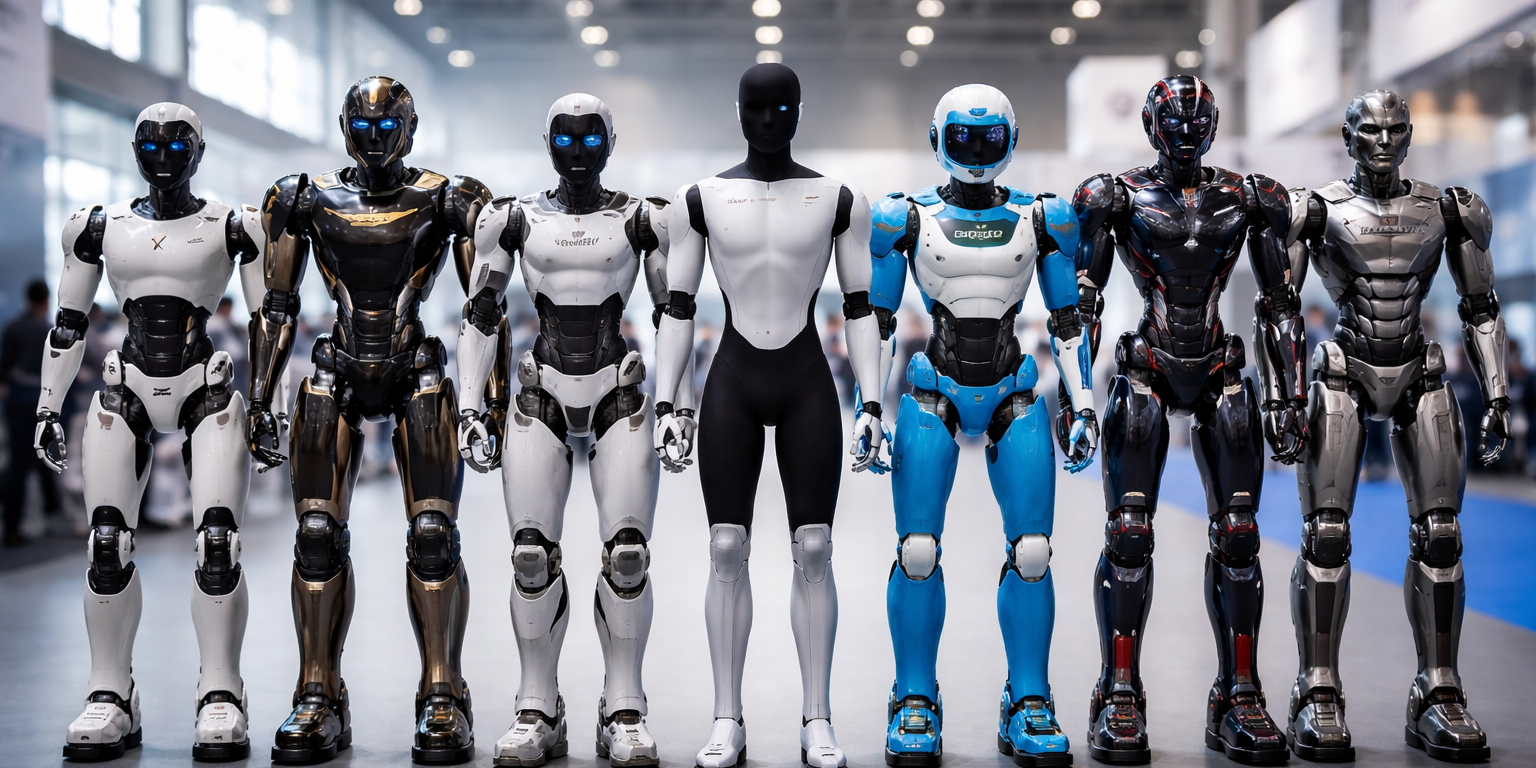
The Fremont visit arrives amid broader industry momentum in humanoid robotics. Figure AI recently closed a $675 million Series B round at a $3.2 billion valuation, with backers including Microsoft, NVIDIA, and Amazon's Industrial Innovation Fund. Boston Dynamics continues refining Atlas for commercial applications after decades of DARPA-funded research and development. Apptronik, based in Austin, Texas, has begun limited production of Apollo, a modular humanoid designed specifically for logistics and warehouse environments. Sanctuary AI in Vancouver operates Sanctuary Cognitive Systems, integrating large language models with physical manipulation hardware. Chinese manufacturers including Unitree Robotics and UBTech Robotics have announced humanoid platforms targeting price points below $20,000, applying lessons learned from quadruped robot production to bipedal form factors. Tesla's advantage lies not in hardware novelty but in manufacturing scale and vertical integration. The company produces electric motors, battery packs, and power electronics at volumes that dwarf traditional robotics manufacturers. Optimus shares structural components, actuators, and software architecture with Tesla's automotive products, enabling cost efficiencies unavailable to startups building humanoid robots from scratch.
Industry adoption of humanoid robots remains contingent on solving manipulation tasks that require human-like dexterity and adaptability. Current deployments focus on structured environments where robots perform repetitive tasks with minimal variation: moving bins in warehouses, transporting materials between workstations, or conducting basic quality inspection. More complex manipulation—handling flexible materials, performing multi-step assembly with tight tolerances, or adapting to unstructured environments—requires advances in tactile sensing, real-time perception, and generalized manipulation policies that transfer across tasks. Tesla's approach centers on data collection at scale. Each Optimus unit in operation generates telemetry on joint positions, actuator loads, vision system inputs, and task outcomes. This data feeds training pipelines for neural networks that control robot behavior, following the same methodology Tesla applies to Full Self-Driving development. The company's fleet learning model assumes that sufficiently large datasets, combined with sufficient compute infrastructure, will yield generalized capabilities without requiring explicit programming for each task variation. Whether this approach translates from structured roadways to unstructured manipulation tasks remains an open question among robotics researchers.
What to Watch: Tesla's production ramp timeline for Optimus will be visible through job postings for manufacturing engineers and supply chain personnel in Fremont. Figure AI's deployment with BMW in Spartanburg, South Carolina, scheduled for Q4 2026, will provide the first large-scale comparison between competing humanoid platforms in automotive manufacturing. Apptronik's partnership with Mercedes-Benz for Apollo pilots may accelerate if early trials demonstrate material handling cost savings versus traditional automation. Monitor quarterly earnings calls from Tesla for specific unit production numbers and customer announcements, as Musk has historically used these forums to disclose robotics milestones.