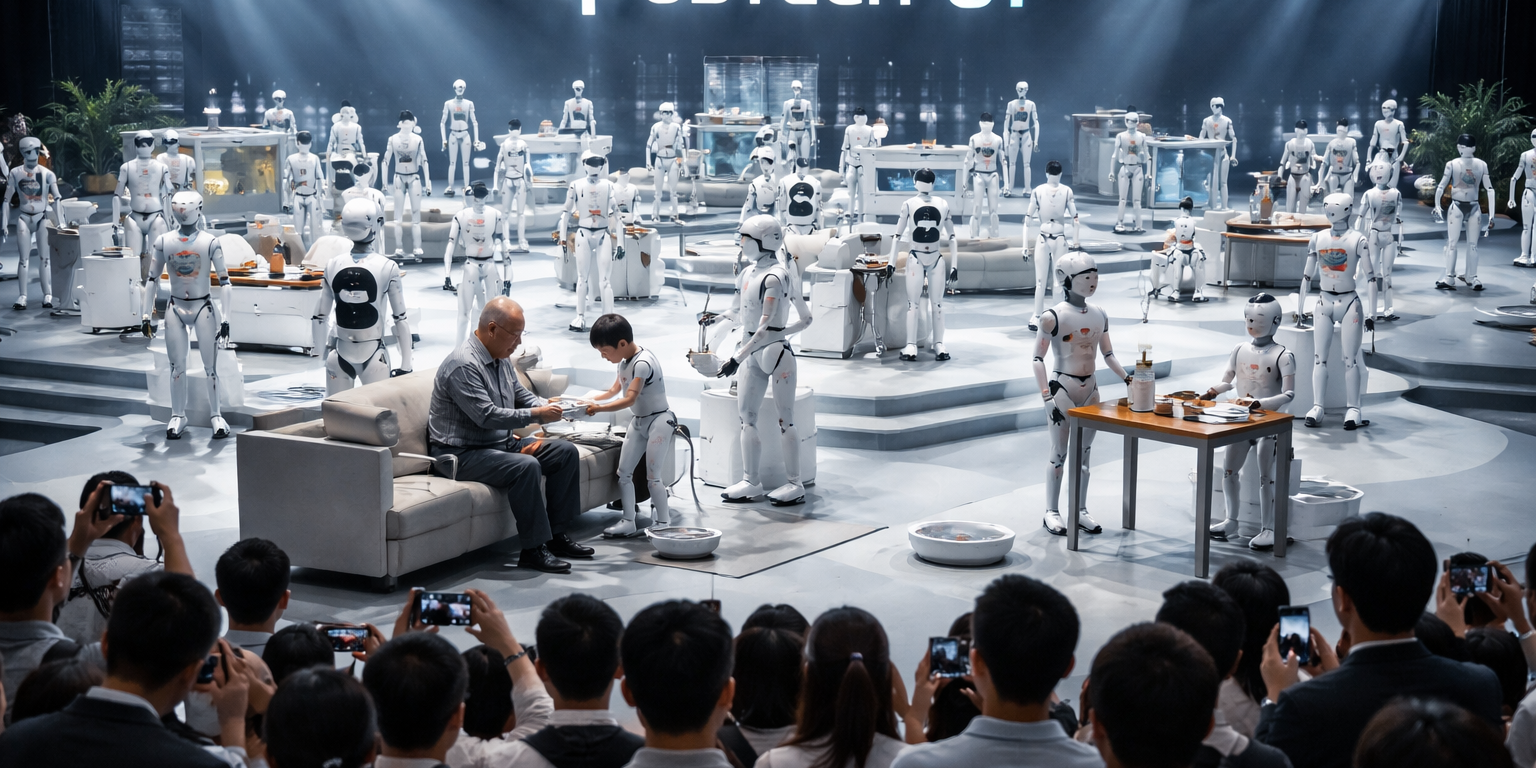
UBTECH logged 11,000 advance orders for its U1 Series humanoid before a single unit shipped, the company disclosed at a Shenzhen launch event this week. The full-sized consumer robot represents the first hardware under UWorld, a new brand the Chinese robotics maker established specifically to pursue home and personal robotics markets. UBTECH has not disclosed pricing for the U1, though the pre-order volume suggests the company positioned the hardware competitively against anticipated consumer releases from Tesla and Figure AI. The launch follows UBTECH's expanded production capacity in southern China and comes roughly eighteen months after the company's Hong Kong IPO raised capital earmarked for humanoid development.
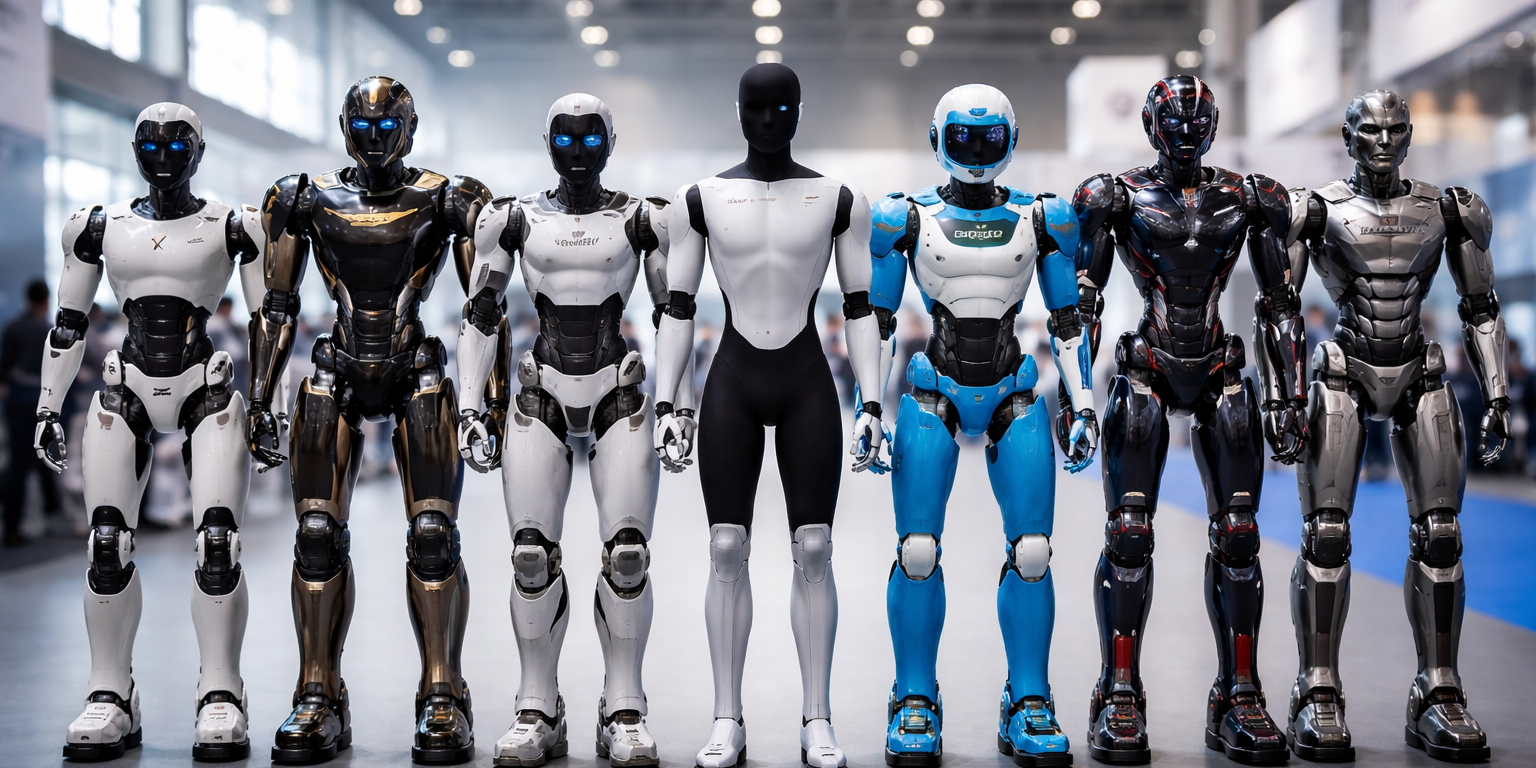
UBTECH brought more than 50 distinct U1 configurations to the Shenzhen event, each tailored to different household applications ranging from eldercare assistance to educational tutoring. That level of product differentiation at launch distinguishes UBTECH's approach from competitors pursuing general-purpose platforms. The U1 stands approximately 165 centimeters tall and incorporates AI-driven natural language processing, though UBTECH has not yet detailed the underlying compute architecture or disclosed whether the robot operates with cloud dependencies for reasoning tasks. Industry observers note the breadth of variants suggests UBTECH sees consumer humanoids fragmenting into vertical-specific applications rather than converging on a single multipurpose design, a strategic bet that carries both upside in addressing niche demands and risk in manufacturing complexity and inventory management.
The company's timing reflects broader momentum in China's robotics sector, where national industrial policy has prioritized humanoid development alongside electric vehicles and semiconductors. UBTECH competes domestically with firms including Unitree Robotics, which has focused on lower-cost quadrupeds and bipeds, and Fourier Intelligence, which targets medical and rehabilitation markets with exoskeleton technology. UBTECH's consumer push also intersects with efforts by BYD and Xiaomi to integrate robotics into their respective ecosystems, creating potential partnership opportunities as well as competitive pressure. The 11,000 pre-orders, while substantial, remain modest compared to Tesla's reported Optimus reservation list, though UBTECH benefits from an established retail and distribution network in Asia built over years selling educational robots and commercial service units.
The U1 launch arrives as investors recalibrate expectations for the consumer humanoid market following delays in Tesla's Optimus production ramp and Figure AI's pivot toward industrial partnerships over direct-to-consumer sales. UBTECH's strategy appears to hedge against uncertain consumer adoption curves by offering application-specific models that reduce friction for buyers uncertain about general-purpose robots. Eldercare variants, for example, address a documented labor shortage in China and Japan, where demographic trends have created demand for in-home assistance that human workers cannot fill at scale. Educational models target parents seeking STEM learning tools, a market UBTECH has served since its founding in 2012. Whether this vertical segmentation translates to sustainable volume depends on UBTECH's ability to maintain software updates and support across dozens of SKUs, a challenge that has sunk previous consumer robotics ventures including Anki and Jibo.
The UWorld brand separation signals UBTECH's intent to insulate consumer products from its existing enterprise and education business lines, which supply humanoids to airports, hotels, and schools across Asia. That organizational firewall protects UBTECH's B2B revenue stream if consumer adoption disappoints, while allowing the company to pursue distinct marketing and retail strategies for home buyers. UBTECH has established UWorld-branded retail stores in Beijing, Shanghai, and Guangzhou, with additional locations planned for Hong Kong and Singapore before the end of 2026. The company has also secured partnerships with electronics retailers including Suning and JD.com to expand distribution. First deliveries to pre-order customers are scheduled to begin in late 2026, with volume production ramping through early 2027 pending component availability and final software validation.
What to Watch: UBTECH's pricing announcement, expected within 60 days, will clarify whether the U1 competes on cost or premium features. Monitor production output rates through Q4 2026 to assess manufacturing scalability. Track partnership announcements between UBTECH and Chinese home automation platforms, particularly Xiaomi's ecosystem, which could accelerate adoption. Watch for Tesla's Optimus consumer pricing, likely to be disclosed before year-end 2026, which will set competitive benchmarks across the category.