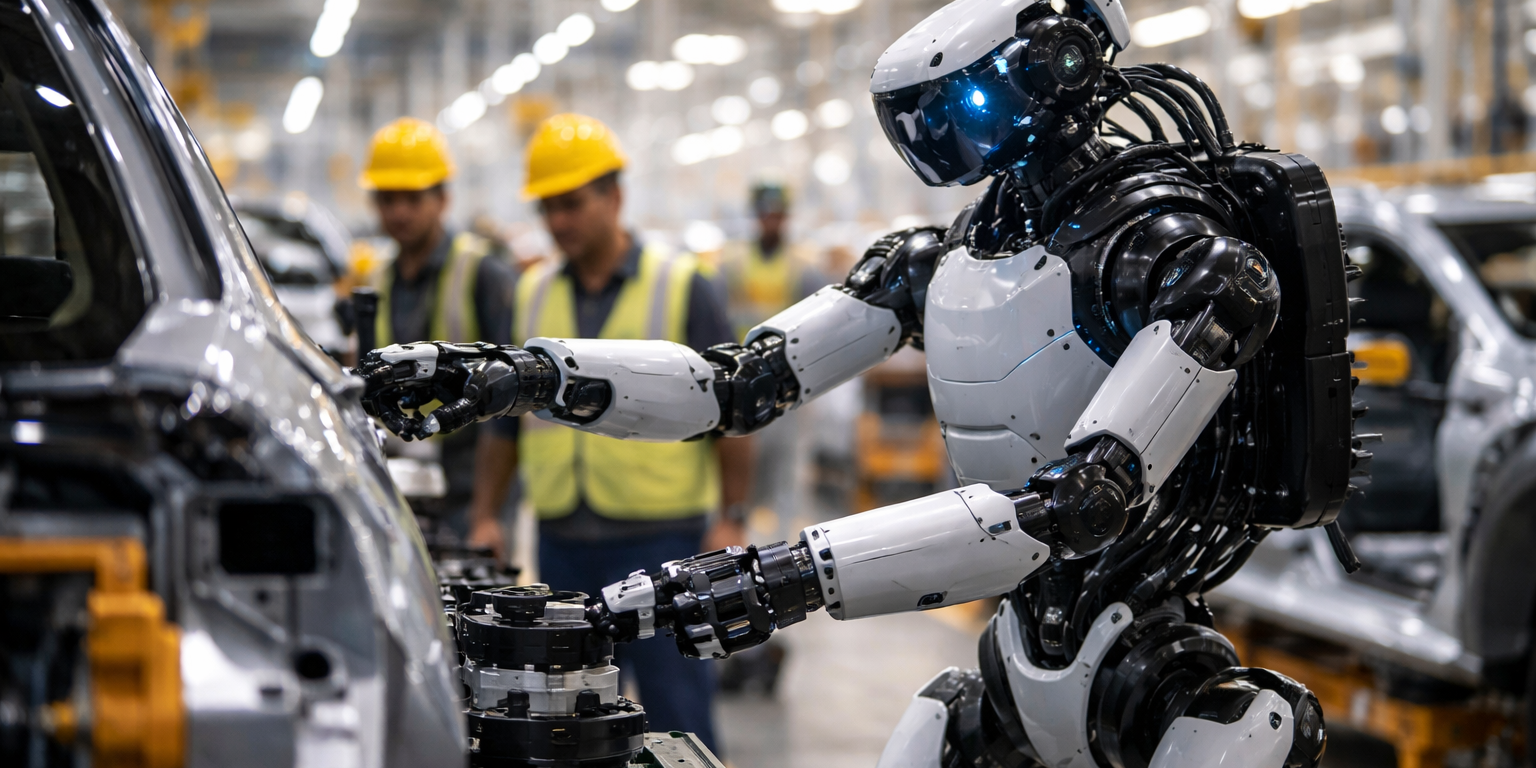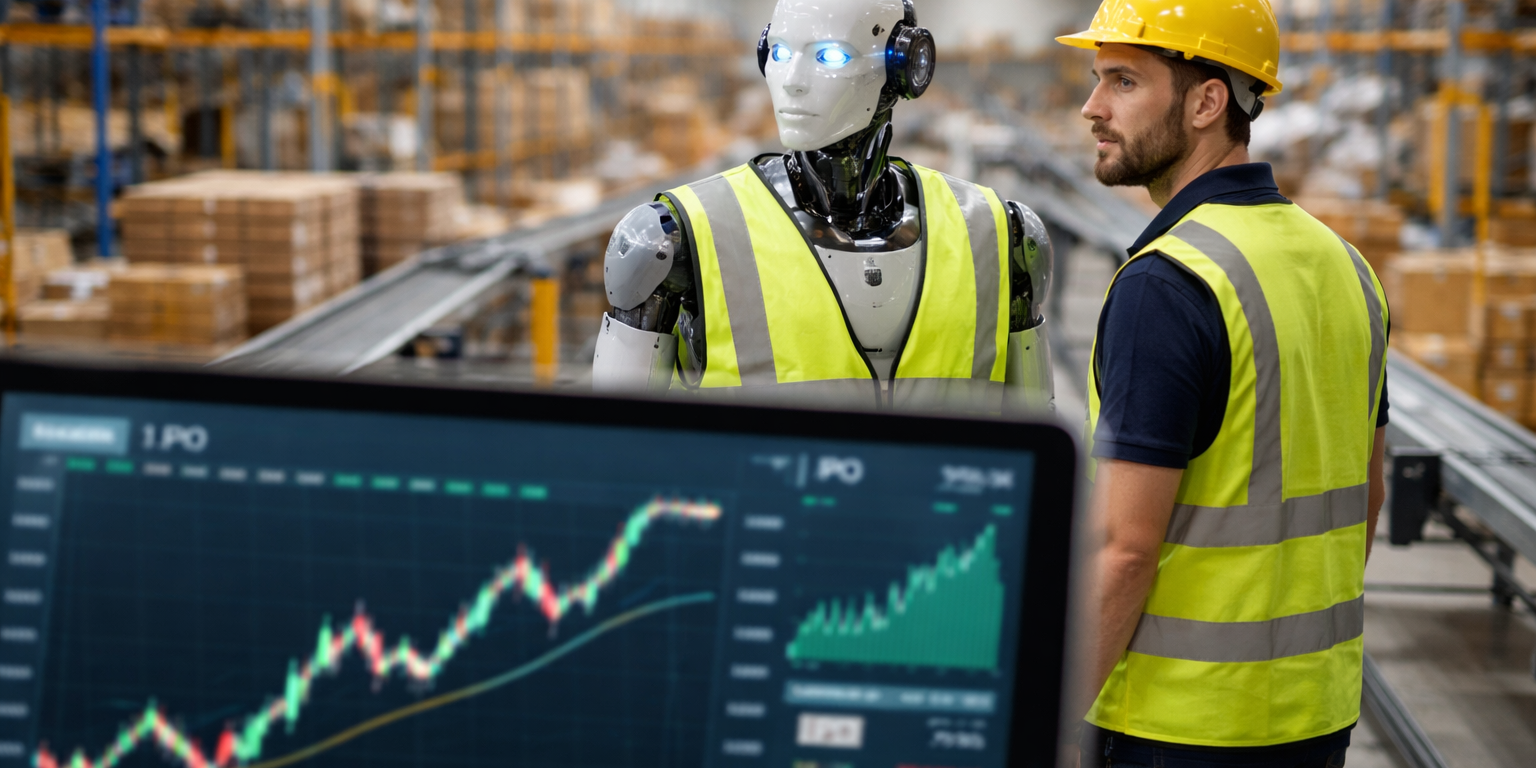
Humanoid robotics companies achieved a cluster of commercial and financial milestones in June 2026, marking what several industry analysts describe as the sector's first sustained period of operational traction beyond lab demonstrations. At least two manufacturers announced initial public offerings, multiple platforms reached stated production volume targets, and industrial customers disclosed pilot deployments in warehouse and logistics environments where the robots performed multi-hour shifts alongside human workers.
The pace of activity reflects capital markets' growing confidence in near-term revenue models for bipedal platforms designed to navigate environments built for human workers. Unlike earlier waves of robotics investment concentrated in wheeled mobile robots or fixed-arm manipulators with proven unit economics, humanoid systems carry higher hardware costs and face skepticism about task versatility. June's developments suggest some firms have closed the gap between technical capability demonstrations and repeatable customer deployments. Equity analysts tracking the sector note that public market access provides manufacturers with non-dilutive capital to fund production scale-up, a critical requirement given bill-of-materials costs that industry sources estimate between $28,000 and $150,000 per unit depending on actuator count, sensor suite, and compute specifications. Companies that reached production milestones in June typically defined success as shipping double-digit unit volumes per month with consistent quality metrics, a threshold that separates research prototypes from manufacturable products.
The IPO activity in June 2026 occurred against a backdrop of institutional investors recalibrating risk appetite for pre-revenue robotics platforms. Several humanoid manufacturers that raised private capital in 2024 and 2025 filed S-1 registration statements or international equivalents during the month, disclosing financial metrics that include pilot customer contracts, projected unit shipment ramps, and cost-reduction roadmaps tied to supply chain maturation. Underwriters involved in these offerings report strong demand from crossover funds that typically invest in both late-stage private rounds and public equities, a pattern that suggests valuation discipline after the frothier funding environment of earlier years. The public filings also reveal supply chain details previously kept confidential, including reliance on specific actuator suppliers, computer vision silicon providers, and battery cell manufacturers. These disclosures matter to industrial procurement teams evaluating platform longevity and serviceability, since component availability and second-source options directly affect total cost of ownership over multi-year deployments.
Deployment announcements from June 2026 concentrated in logistics, e-commerce fulfillment, and light manufacturing applications where task profiles involve repetitive material handling across multi-step workflows. Customer disclosures describe pilot programs with five to twenty humanoid units operating in defined zones within larger facilities, performing tasks such as bin picking, case packing, and quality inspection under human supervision. These early adopters typically operate facilities where labor availability constraints justify the capital expense and integration effort required to deploy humanoid platforms. The robots work shifts ranging from four to eight hours between charging cycles, with human technicians handling exceptions and system resets. Deploying companies emphasize that current-generation humanoids augment rather than replace human workers, a positioning that reflects both technical limitations and workforce relations considerations. The units deployed in June incorporate learning systems that improve task performance through repeated exposure to specific workflows, a capability that distinguishes them from traditional industrial robots programmed for fixed sequences.
What to Watch: Monitor S-1 amendment filings through Q3 2026 for pricing details and institutional allocations in humanoid IPOs, which will indicate investor appetite at specific valuation multiples. Track announcements from automotive OEMs and contract manufacturers regarding in-house humanoid deployments, since these customers possess robotics integration expertise and high-volume production environments. Watch for supply chain partnerships between humanoid manufacturers and established industrial automation component suppliers, particularly around actuator standardization and field service networks. Follow workforce studies from pilot deployment sites measuring productivity metrics, incident rates, and worker acceptance scores, as these data will shape enterprise procurement decisions heading into 2027 budget cycles.