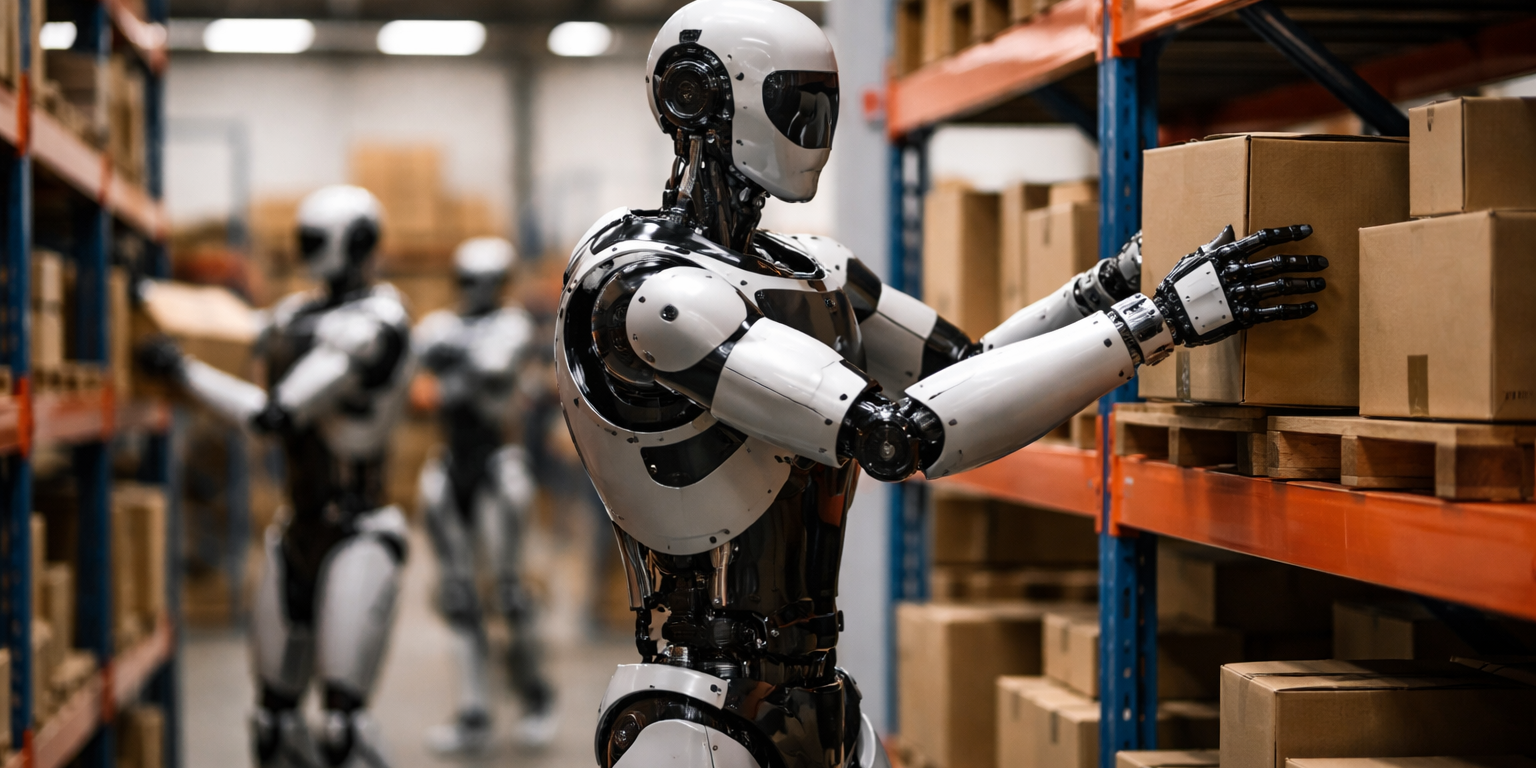
Apptronik now operates a dedicated robot training facility in Austin, where multiple Apollo 2 humanoids cycle through manipulation and mobility scenarios sixteen hours daily. The company declined to specify square footage or unit count at the new site, but confirmed the facility became operational in June 2026 and currently focuses on teaching robots to handle variable-weight packages, navigate congested warehouse aisles, and recover from navigation failures without human intervention. Apollo 2 units destined for pilot deployments spend an average of three weeks in the training center before shipping to customer sites, a timeline Apptronik executives say will compress as the DeepMind partnership matures.
The Apollo 2 represents the first substantial hardware revision since Apptronik introduced the original Apollo in late 2023. Weight dropped from 160 pounds to 143 pounds through a redesigned torso structure that relocates battery mass lower in the chassis, improving stability during rapid direction changes. Peak lifting capacity remains 55 pounds, but the new model sustains that load for longer duty cycles thanks to more efficient actuators in the shoulder and elbow joints. Apptronik specified that Apollo 2 operates for approximately four hours on a single charge under typical warehouse conditions, compared to roughly three hours for the first-generation platform. The company manufactures Apollo 2 at a contract facility in Round Rock, Texas, though it has not disclosed production volumes or unit economics. Apptronik CEO Jeff Cardenas told analysts in May 2026 that the firm aims to deliver Apollo 2 units to at least eight logistics customers before the end of the year, but has not named those partners publicly.
Google DeepMind's involvement centers on sim-to-real transfer, the notoriously difficult process of translating behaviors learned in simulation into reliable real-world performance. DeepMind researchers have embedded at the Austin training center since March 2026, running experiments that compare Apollo 2 performance on tasks learned entirely in simulation against tasks learned through a hybrid approach combining simulation and physical practice. Early results suggest hybrid training cuts the time required to master a new picking task by roughly 40 percent, according to a joint technical paper the teams submitted to the International Conference on Robotics and Automation in April 2026. The collaboration also produced a dataset of more than two million humanoid manipulation attempts, which Apptronik has indicated it may release publicly in late 2026 or early 2027 to support academic research. DeepMind has not confirmed whether insights from the Apptronik work will inform other humanoid partnerships, but the company currently advises at least three other robotics firms on reinforcement learning strategy.
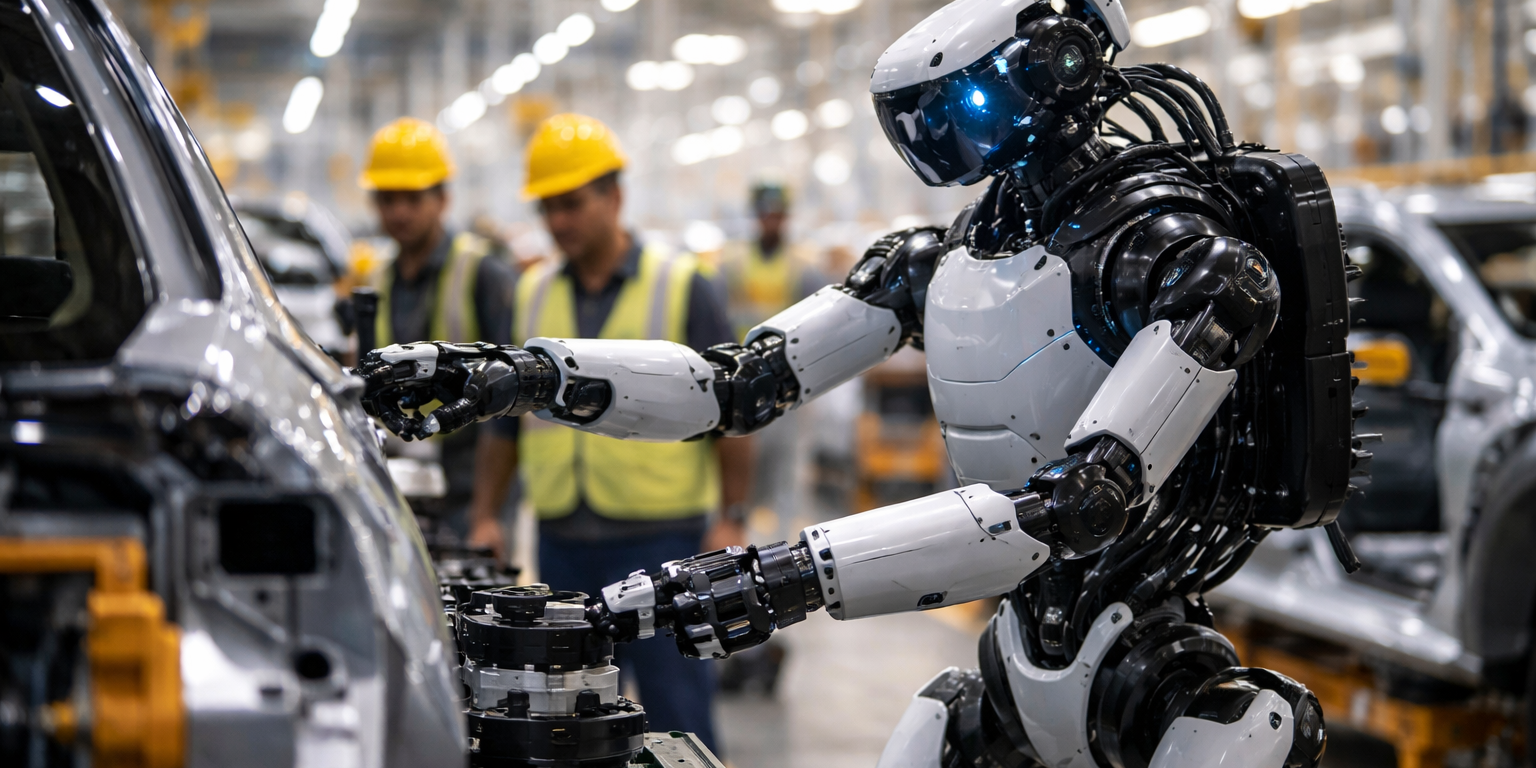
The training center model reflects a broader industry recognition that humanoid robots require far more supervised learning than traditional industrial arms or mobile platforms. Figure AI operates a similar facility in Sunnyvale, California, while 1X maintains training infrastructure in Norway and recently opened a second site in the Bay Area. These facilities serve as intermediaries between pure simulation and customer deployment, allowing companies to identify edge cases and failure modes in controlled settings before robots encounter them in production environments. Apptronik's decision to co-locate training and DeepMind researchers under one roof suggests the company views algorithm development and hardware iteration as inseparable, a philosophy that contrasts with competitors who rely more heavily on third-party AI tools. The Austin facility also functions as a demonstration environment for potential customers, who can observe Apollo 2 units performing tasks similar to those required in their own operations. Apptronik has hosted more than thirty site visits since the facility opened, according to a company spokesperson.
What to Watch: Apptronik has committed to sharing deployment data from its unnamed logistics partners in Q4 2026, which will provide the first independent assessment of Apollo 2 uptime and task completion rates outside company-controlled environments. The joint Apptronik-DeepMind dataset could arrive as soon as late 2026, and its contents will reveal how much training diversity exists across humanoid platforms. Monitor whether other humanoid developers adopt the embedded training center model, and whether DeepMind's multi-company advisory strategy creates conflicts as partners move from pilots to production.