Atoms, the industrial robotics venture nested inside Travis Kalanick's CloudKitchens operations, closed a $1.7 billion Series C led by Andreessen Horowitz, with strategic participation from Uber Technologies. The round values the company at roughly $9 billion, according to sources familiar with the financing terms. General Catalyst and existing investors including Founders Fund also participated. Kalanick founded Atoms in 2021 after stepping away from CloudKitchens' daily operations, positioning the company as an infrastructure play for industrial automation rather than a robotics technology provider in the traditional sense.
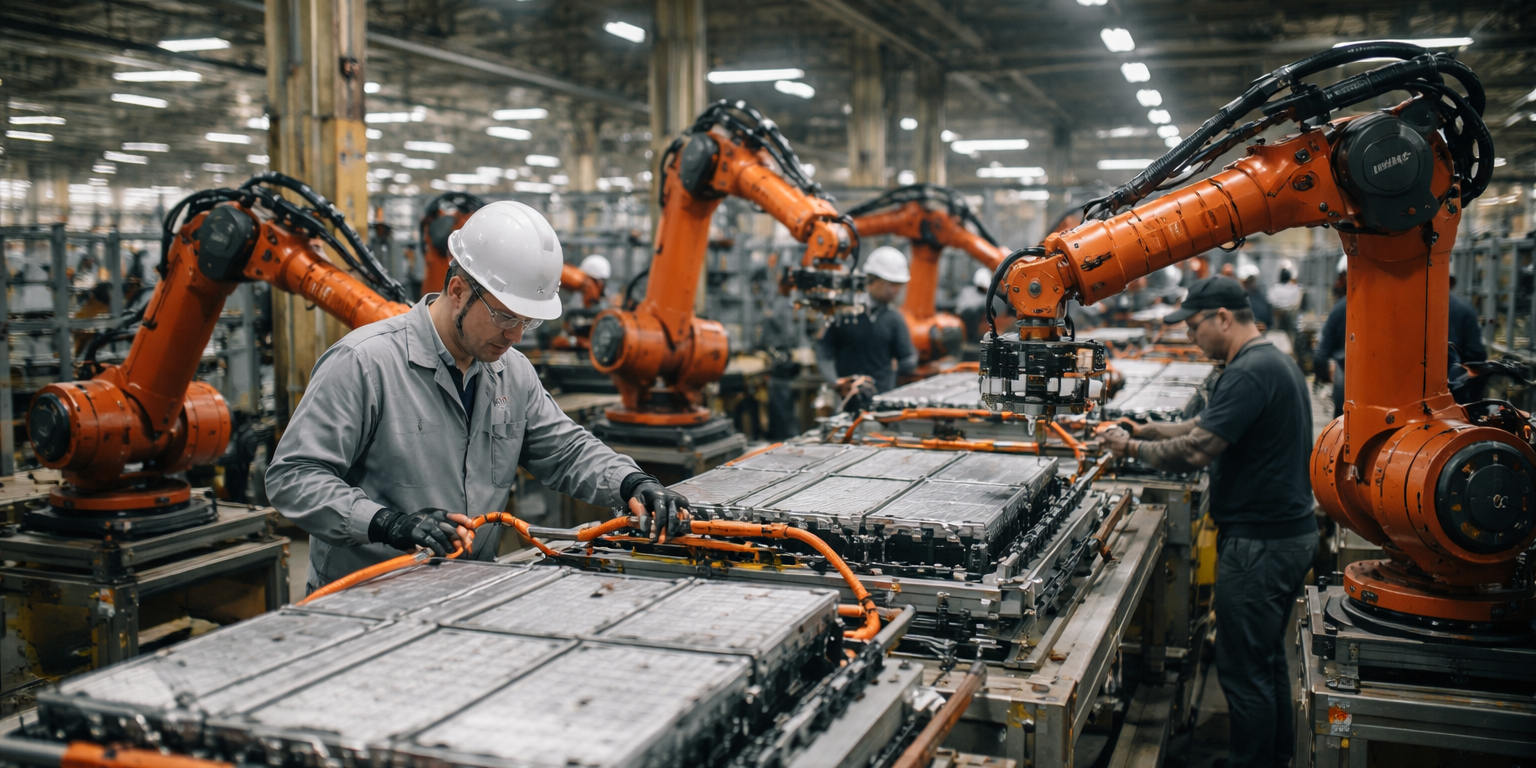
The capital infusion arrives as Atoms remains notably opaque about its technical approach and deployment footprint. Company materials describe a platform for "modernizing industrial operations through AI-powered coordination systems," but Atoms has published no white papers, filed no patents publicly, and offered no technical specifications for its hardware or software stack. Industry sources suggest the company operates primarily as a systems integrator, layering proprietary coordination software atop third-party robotic hardware in manufacturing and logistics facilities. Atoms claims installations across automotive, electronics, and food processing plants in the United States, Mexico, Germany, China, South Korea, and Vietnam. The company has not disclosed customer names, unit counts, or performance benchmarks. This funding strategy mirrors Kalanick's playbook at Uber: raise aggressively, scale quickly, clarify the business model later.
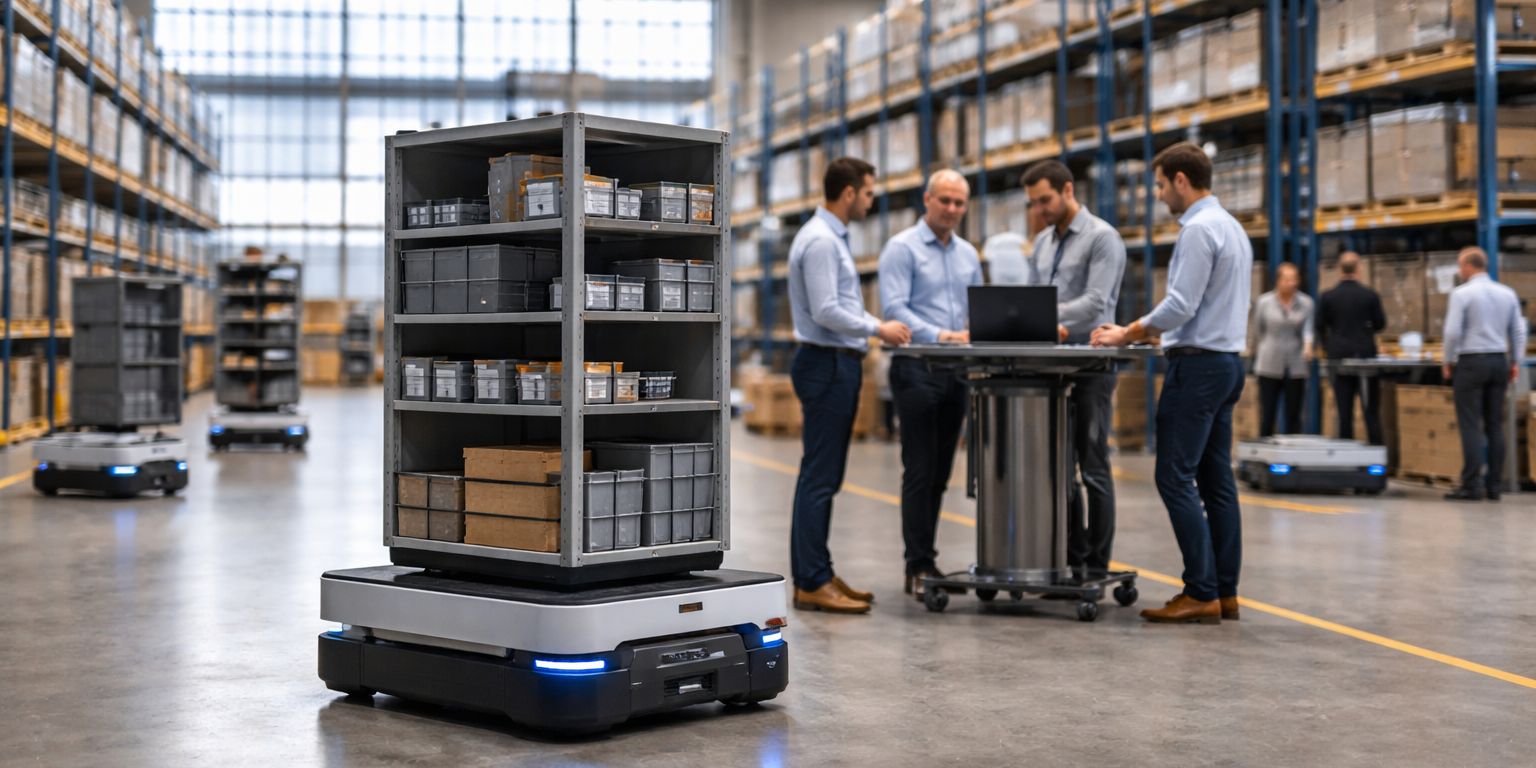
Uber's participation carries symbolic weight beyond the dollar figure. The ridehail giant previously invested in Aurora Innovation and continues internal development of autonomous freight technology, but Atoms represents a different vector: factory-floor automation that could eventually touch Uber's own logistics operations. Uber Freight moved $18 billion in goods last year, relying on conventional warehouse systems and manual loading processes at transfer points. An internal memo circulated in March suggested Uber's logistics division had piloted Atoms systems at three cross-dock facilities, reducing turnaround time by 22 percent. Uber declined to confirm specifics but noted the investment reflects "strategic interest in operational automation technologies." The relationship offers Atoms a built-in enterprise customer with global scale, assuming pilots convert to full deployments.
Andreessen Horowitz's involvement signals continued appetite for capital-intensive industrial bets despite a broader pullback in late-stage robotics funding. A16z led rounds for Anduril and Shield AI in defense autonomy, and partner David Ulevitch joined Atoms' board as part of the deal. The firm's thesis appears centered on industrial operating systems rather than individual robotic form factors—software layers that coordinate fleets of heterogeneous machines rather than building proprietary robots from scratch. This approach carries lower capital expenditure risk but depends entirely on software differentiation in a crowded field. Competitors including Covariant, Osaro, and Jacobi Robotics offer similar orchestration platforms, and Siemens, ABB, and Fanuc all have industrial AI coordination products at various stages of market maturity. Atoms must demonstrate either superior performance or structural cost advantage to justify the valuation. Neither has been proven publicly.
What to Watch: Atoms is expected to disclose at least one named customer partnership by the fourth quarter of 2026, according to investor communications reviewed by RoboticsIntl. Uber Freight's deployment timeline will clarify whether the strategic investment translates to operational adoption. Watch for patent filings in the next 90 days—silence would suggest Atoms relies primarily on integration and deployment rather than novel technical IP. Additionally, track whether a16z deploys capital from its American Dynamism fund, which would indicate a manufacturing reshoring thesis underpinning the investment.