Geekplus has opened a 2,500-square-meter innovation lab in Düsseldorf, giving European logistics providers a hands-on testing ground for warehouse automation before committing to full-scale deployments. The facility went live September 17, positioning the Chinese robotics firm to capture more of the region's growing appetite for autonomous mobile robots in fulfillment centers that face chronic labor shortages and rising consumer expectations for same-day delivery.
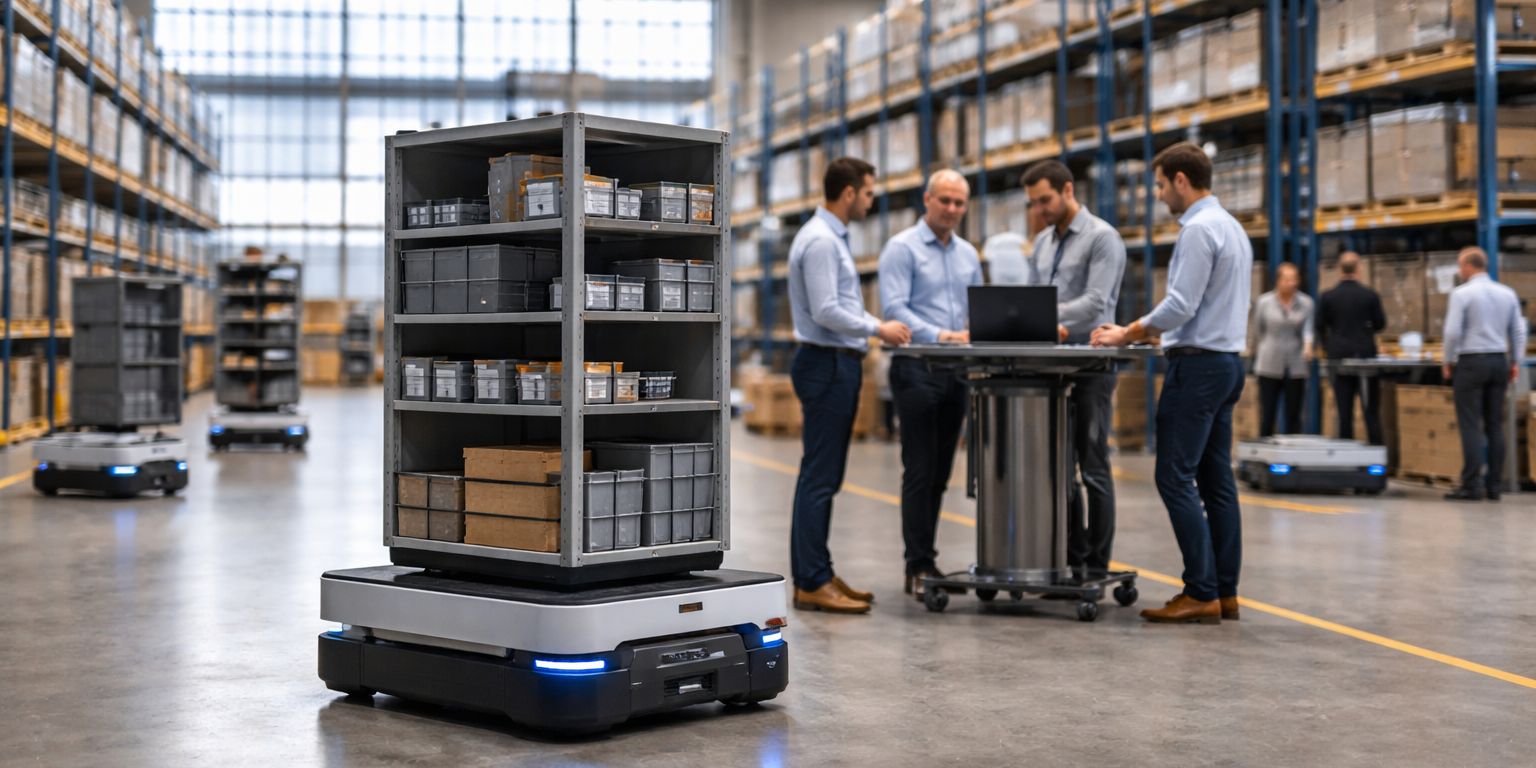
The Düsseldorf lab represents a calculated shift in how robotics vendors approach European enterprise sales. Rather than flying prospects to demonstration facilities in Asia or asking them to sign contracts based on video presentations, Geekplus is embedding engineering resources directly in the market. The facility houses multiple AMR configurations running real-world picking scenarios, from goods-to-person systems to collaborative sorting applications. Clients can bring their own SKU profiles, test throughput under peak load conditions, and work with onsite engineers to model integration with existing warehouse management systems. The lab also supports customization work for European regulatory requirements, particularly around safety protocols that differ from standards in North America and Asia. Geekplus already operates a Paris office focused on sales and customer support, but the Düsseldorf location is the company's first European site with full prototyping and engineering capabilities.
The timing aligns with accelerating AMR adoption across European logistics networks. Third-party data from ABI Research shows European warehouse automation spending grew 31 percent year-over-year in 2025, with goods-to-person robotics accounting for the largest share of new deployments. Labor availability remains the primary driver. Germany's logistics sector reported a 12 percent vacancy rate in warehouse roles during Q2 2026, according to the Federal Employment Agency, while wage inflation in frontline fulfillment jobs has outpaced productivity gains for three consecutive years. AMRs offer a path to scale throughput without proportional headcount increases, particularly in sectors like grocery and apparel where SKU counts are high and order profiles are fragmented. Geekplus counts European retailers including Decathlon and VWFS among its existing client base, with installations ranging from 50-robot pilots to multi-site rollouts exceeding 300 units.
The company faces entrenched competition from regional players who have spent years building relationships with European logistics providers. AutoStore, headquartered in Norway, has more than 1,000 live systems globally and deep penetration in Scandinavian and UK markets. Exotec, based in France, raised €335 million in Series D funding in 2022 and has positioned itself as the European alternative to Chinese vendors, emphasizing data sovereignty and local engineering support. Geekplus is countering with price and speed. The company claims 30 percent lower total cost of ownership compared to AutoStore in comparable deployments, driven by simpler infrastructure requirements and faster installation timelines. A typical Geekplus goods-to-person system can go from contract signing to operational go-live in 12 to 16 weeks, compared to six months or longer for cube-based storage solutions that require extensive racking modifications. The Düsseldorf lab is designed to shorten the front end of that timeline, allowing clients to validate performance assumptions and finalize configurations before breaking ground on a production site.
Geekplus has shipped more than 30,000 AMRs globally since its founding in 2015, with installations in over 30 countries. The company's product lineup spans multiple form factors, including shelf-carrying robots for goods-to-person workflows, tote-handling units for sortation, and forklift-style AMRs for pallet movement. Revenue figures remain private, but the company raised $200 million in Series C funding in 2021 at a reported valuation north of $1 billion. The European expansion follows similar regional hub strategies in North America and Southeast Asia, where Geekplus has opened integration centers to support clients through pilot deployments and provide ongoing technical support post-installation. The Düsseldorf facility will employ approximately 25 engineers and technical staff initially, with headcount expected to double by mid-2027 if demand for pilot projects continues at current levels.
What to Watch: Track whether European clients using the Düsseldorf lab convert pilot projects into production deployments at higher rates than Geekplus's historical European sales cycle, which has averaged nine months from initial contact to signed contract. Monitor competitive responses from AutoStore and Exotec, both of which have established innovation centers in their home markets. Watch for Geekplus to announce anchor clients for multi-site rollouts in Germany or neighboring markets, which would validate the localization strategy and put pressure on pricing across the European AMR segment.