Toyota Motor will spend 1 trillion yen—approximately $6.4 billion at current exchange rates—each year starting in 2028 to modernize its factory infrastructure with advanced robotics and automation systems. The annual budget represents one of the automotive industry's largest sustained commitments to manufacturing technology and underscores the pressure facing established automakers to transform production lines built for internal combustion engines into flexible platforms capable of handling electric vehicle architectures at competitive cost.
The investment timeline reflects Toyota's careful approach to automation deployment. Rather than pursue wholesale factory redesign, the company plans incremental modernization of existing facilities alongside selective greenfield projects. Toyota operates 54 production facilities worldwide, including assembly plants, component factories, and powertrain manufacturing sites. Many date from the 1980s and 1990s, when the company pioneered lean manufacturing principles but relied heavily on skilled human labor for complex assembly tasks. Retrofitting these plants with collaborative robots, computer vision systems, and AI-driven quality control presents both technical and organizational challenges that competitors building new EV-dedicated facilities can avoid entirely.
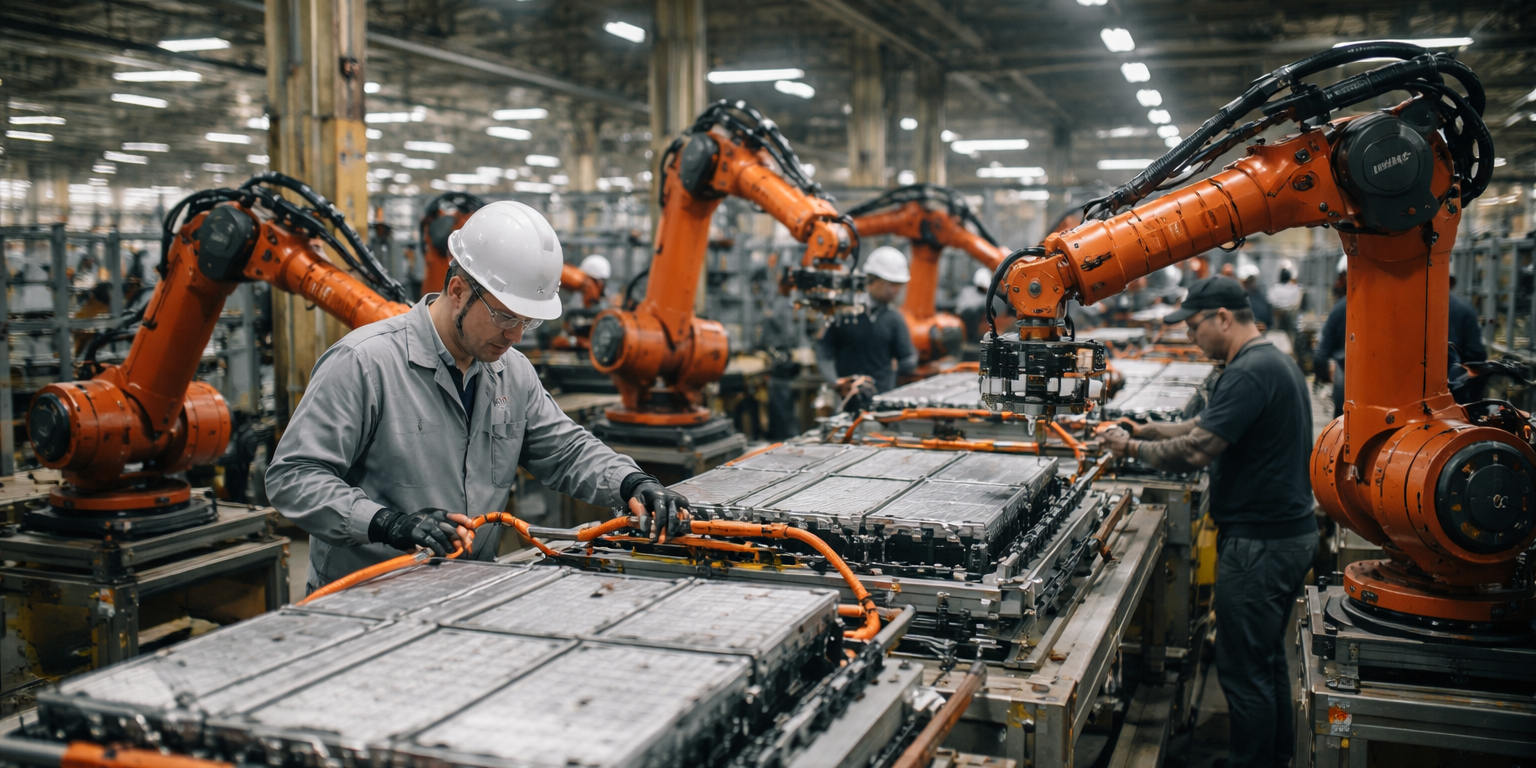
Automakers across segments are ramping robotics spending, though few have disclosed budgets at Toyota's scale. Tesla deployed more than 3,000 robots at its Fremont and Shanghai facilities by early 2026, emphasizing custom-built automation for battery pack assembly and structural casting integration. Volkswagen allocated €2.4 billion through 2027 for factory digitization across its European plants, while General Motors committed $2 billion for automation upgrades at four North American EV production sites. Toyota's annual budget exceeds these multi-year programs, reflecting both the size of its global footprint and the magnitude of its manufacturing transformation challenge. The company produced 10.3 million vehicles in its fiscal year ending March 2026, maintaining its position as the world's largest automaker by volume despite intensifying competition in China and North America.
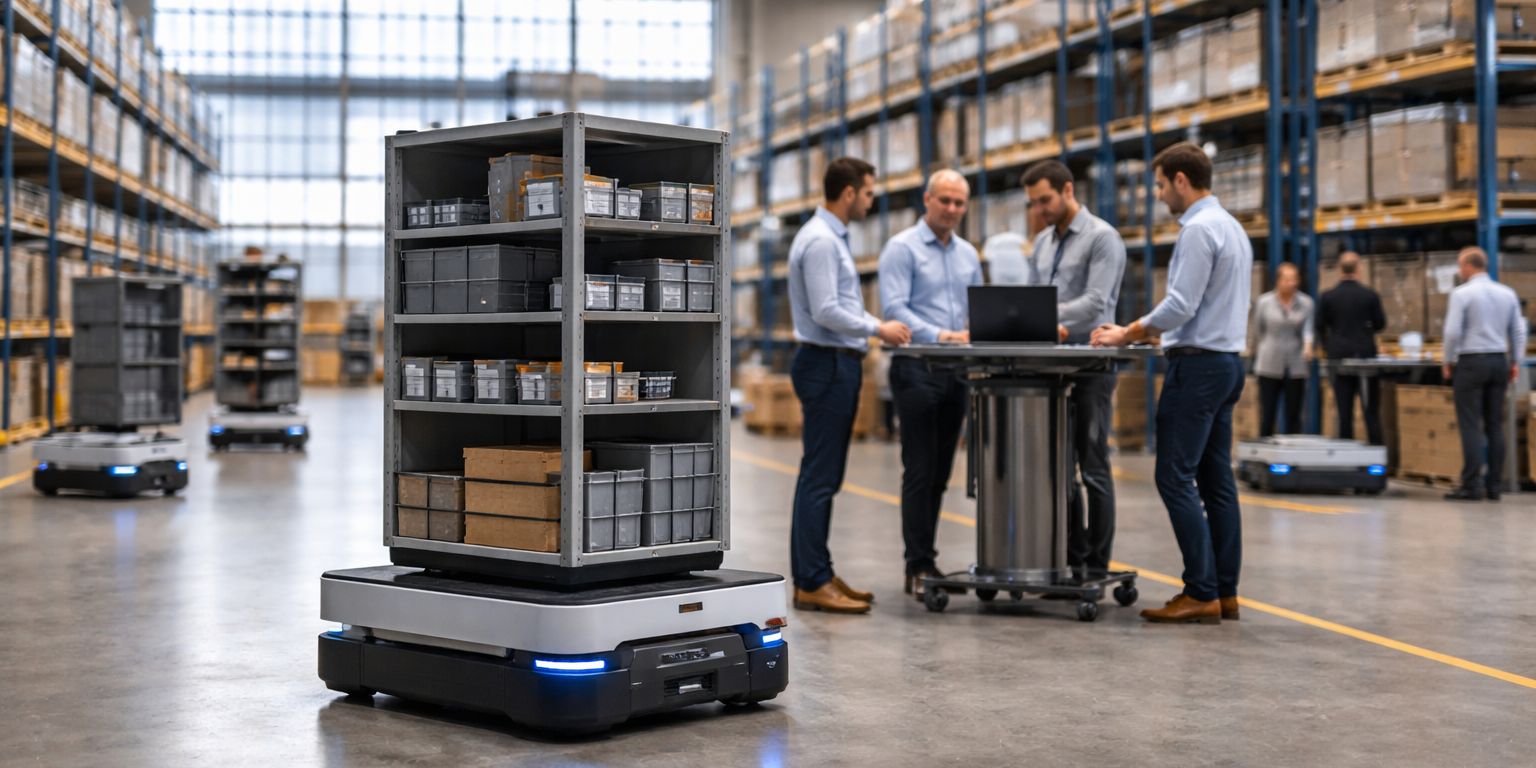
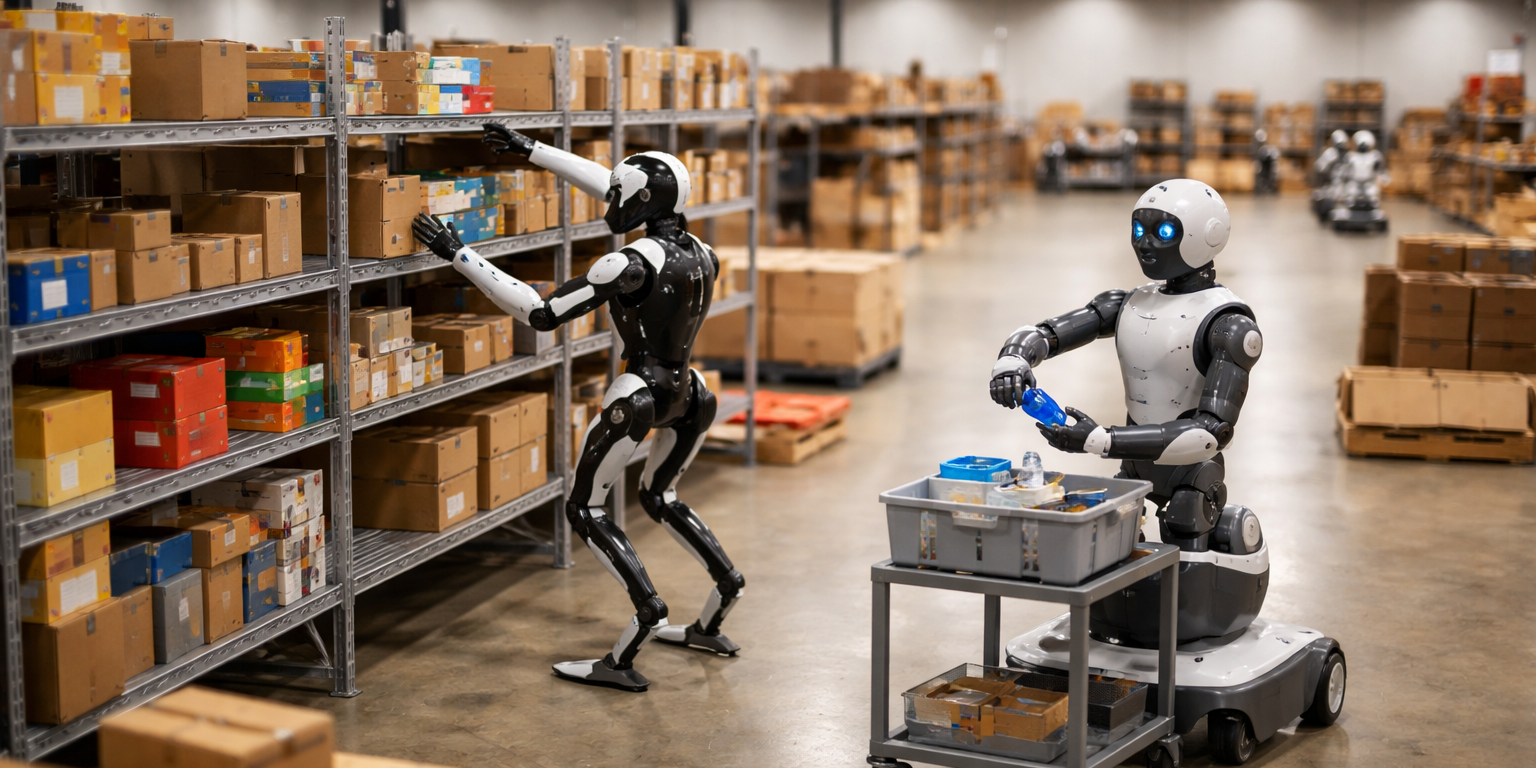
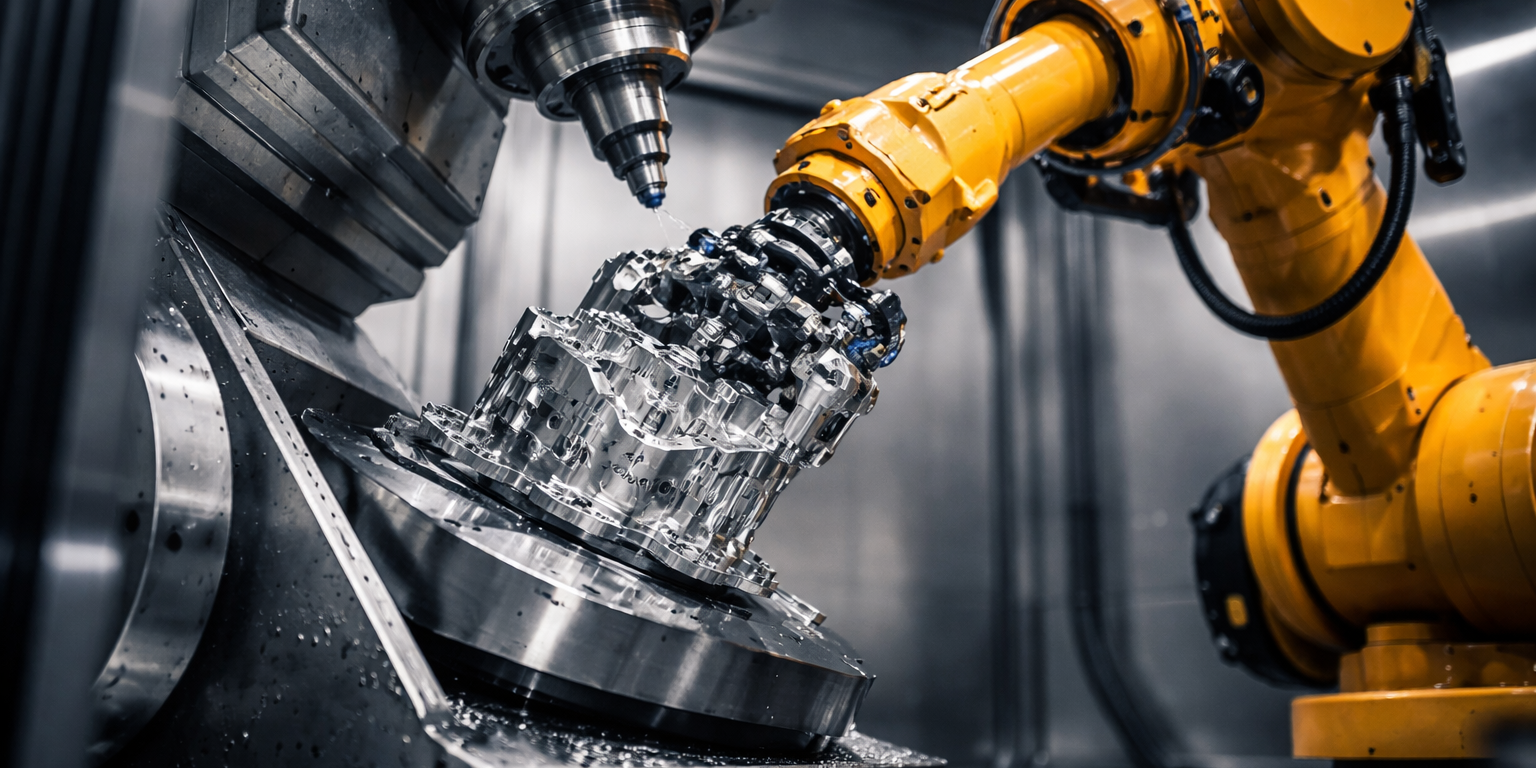
The modernization push centers on three technology domains: collaborative robotics for final assembly, machine vision for quality inspection, and automated guided vehicles for parts logistics. Toyota has partnered with FANUC and Yaskawa Electric, Japan's dominant industrial robotics suppliers, for manipulator systems, while developing proprietary software for production scheduling and predictive maintenance. The company's internal Advanced Manufacturing Engineering division has tested humanoid robots for tasks requiring human-like dexterity, though executives have expressed skepticism about near-term commercial viability for general-purpose humanoids in automotive assembly. More immediate gains come from purpose-built robots handling wire harness installation, seat mounting, and windshield placement—high-variation tasks that have historically required human workers. Toyota aims to reduce direct labor hours per vehicle by 15% by 2030 while maintaining its quality standards, a target that requires substantial automation of tasks currently performed by its 370,000 manufacturing employees worldwide.
What to Watch: Track Toyota's robotics supplier contracts through fiscal Q3 2027, when the company typically finalizes capital equipment orders for the following fiscal year's production line installations. Monitor whether FANUC or ABB wins the majority of collaborative robot orders for North American plants scheduled for upgrades in 2028. Watch for announcements about Toyota's Motomachi plant in Toyota City, often used as the testbed for new manufacturing technologies before broader deployment. Pay attention to how Toyota's automation spending compares to rivals' commitments when automakers report full fiscal 2027 capital expenditure plans in spring 2027.