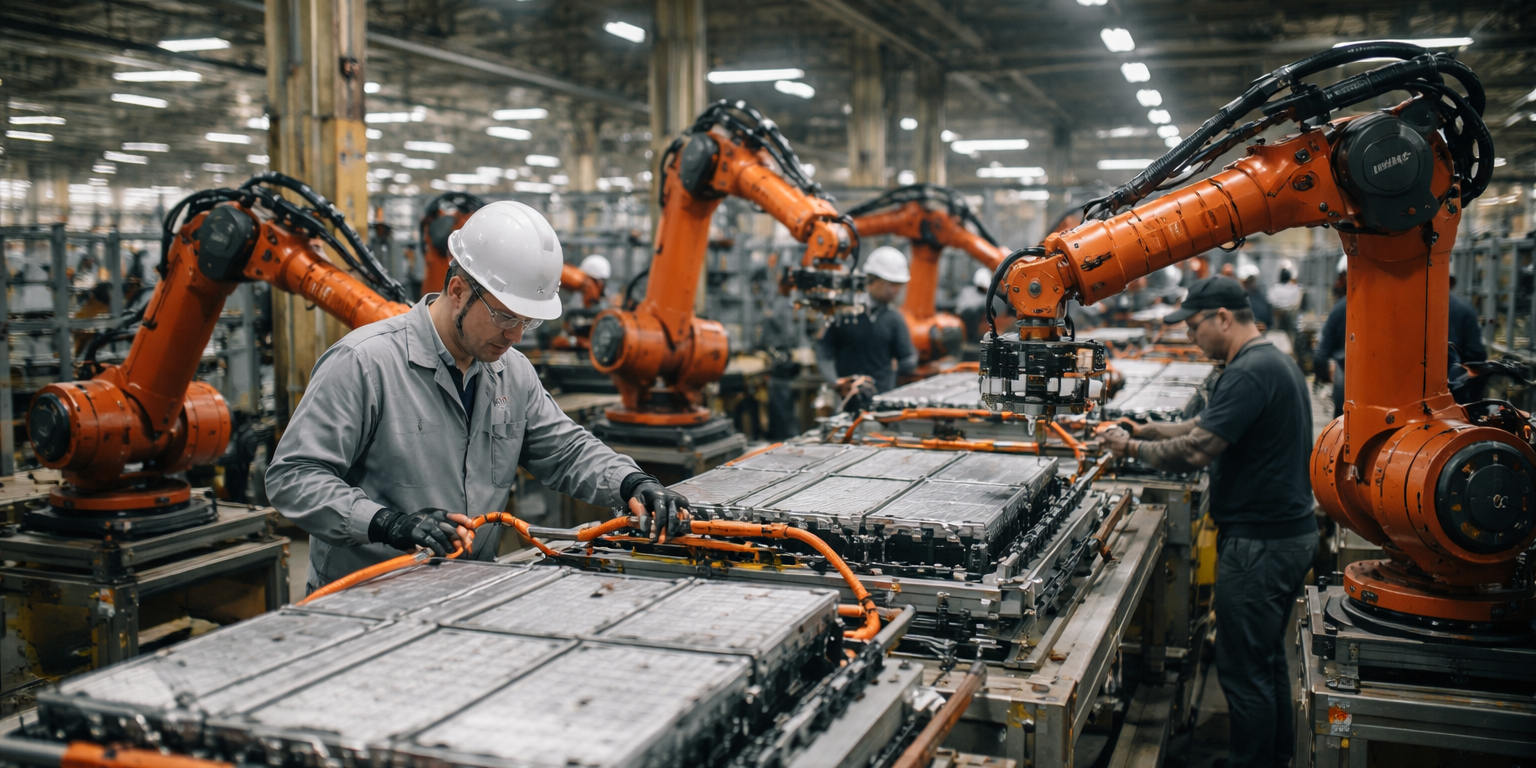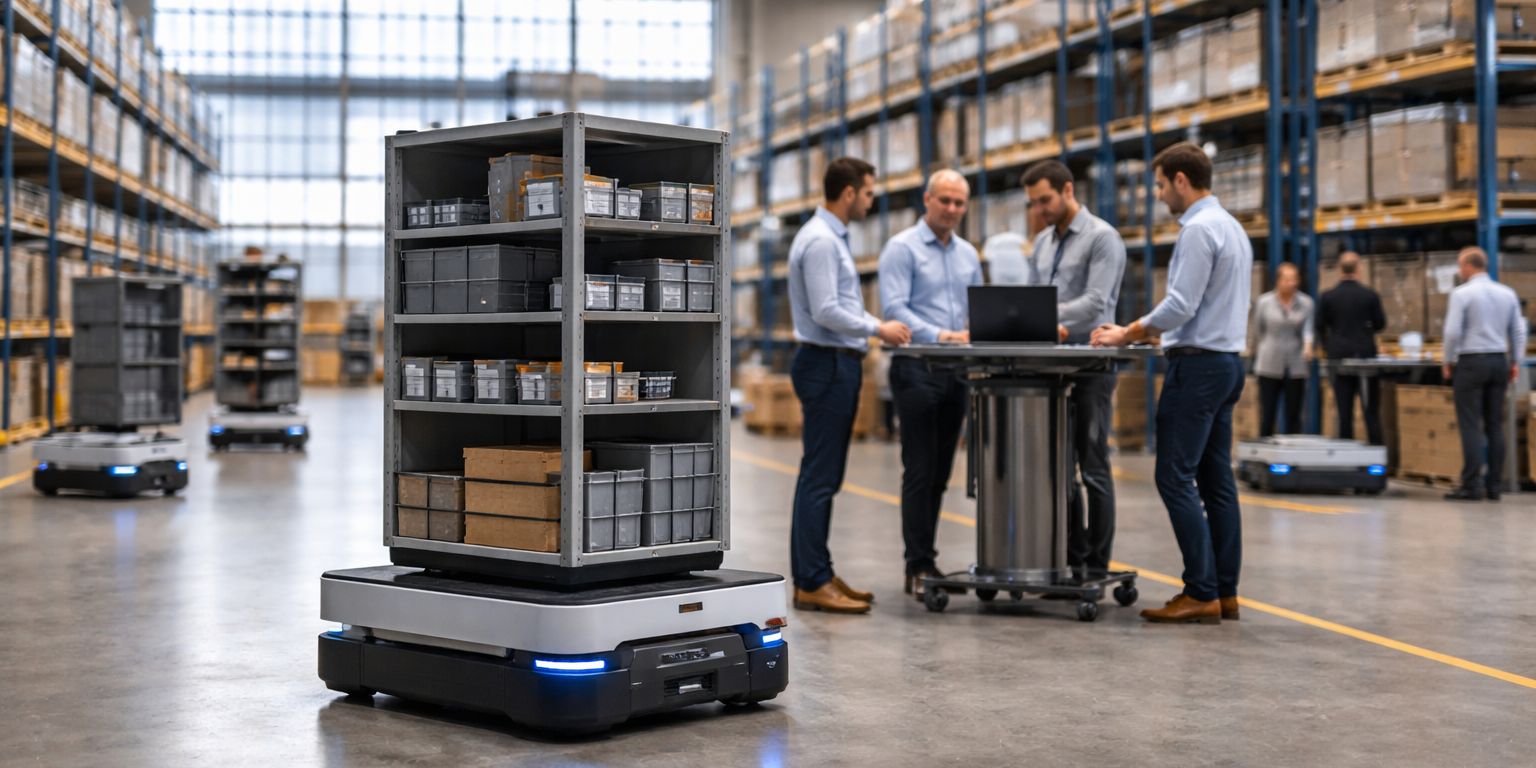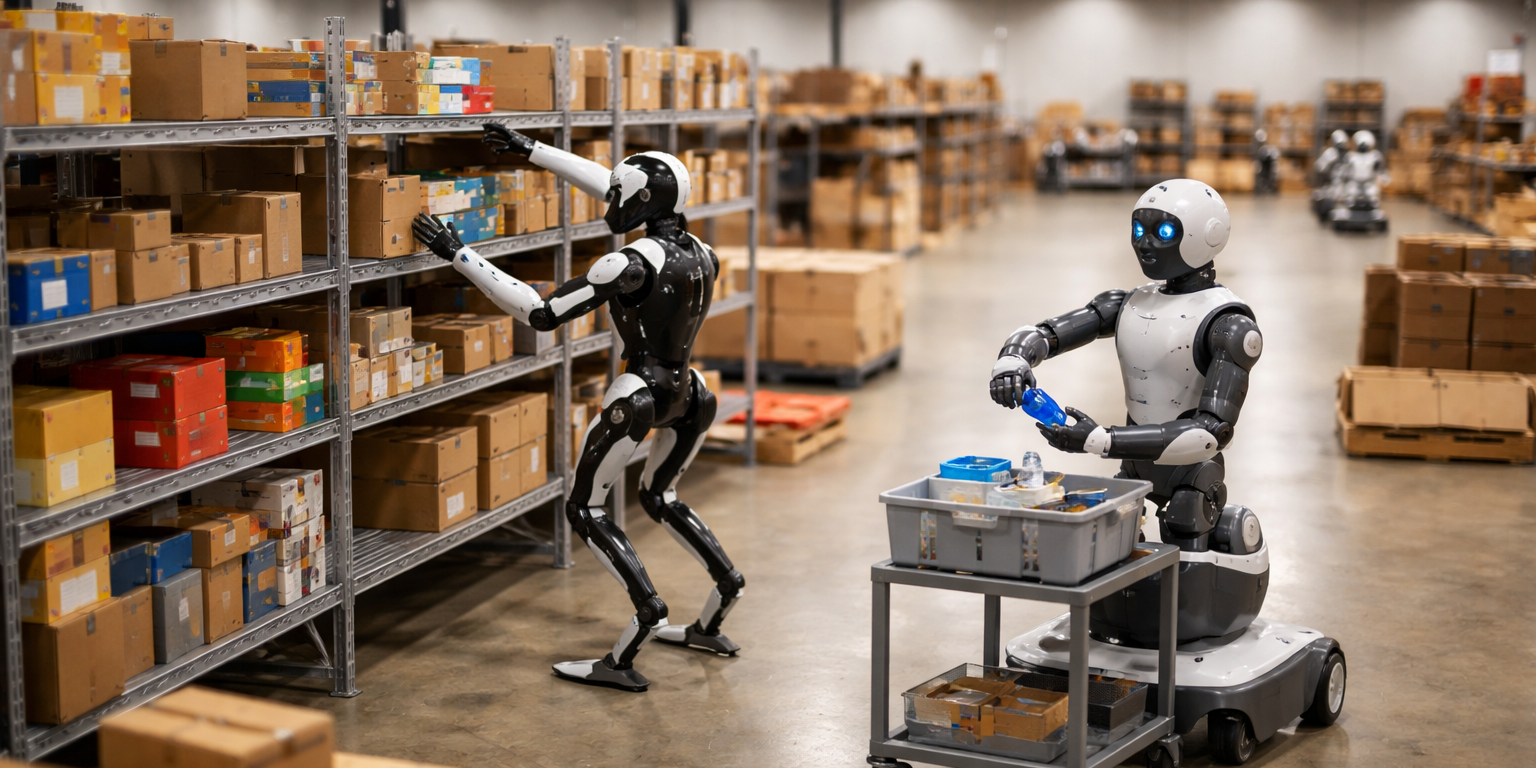
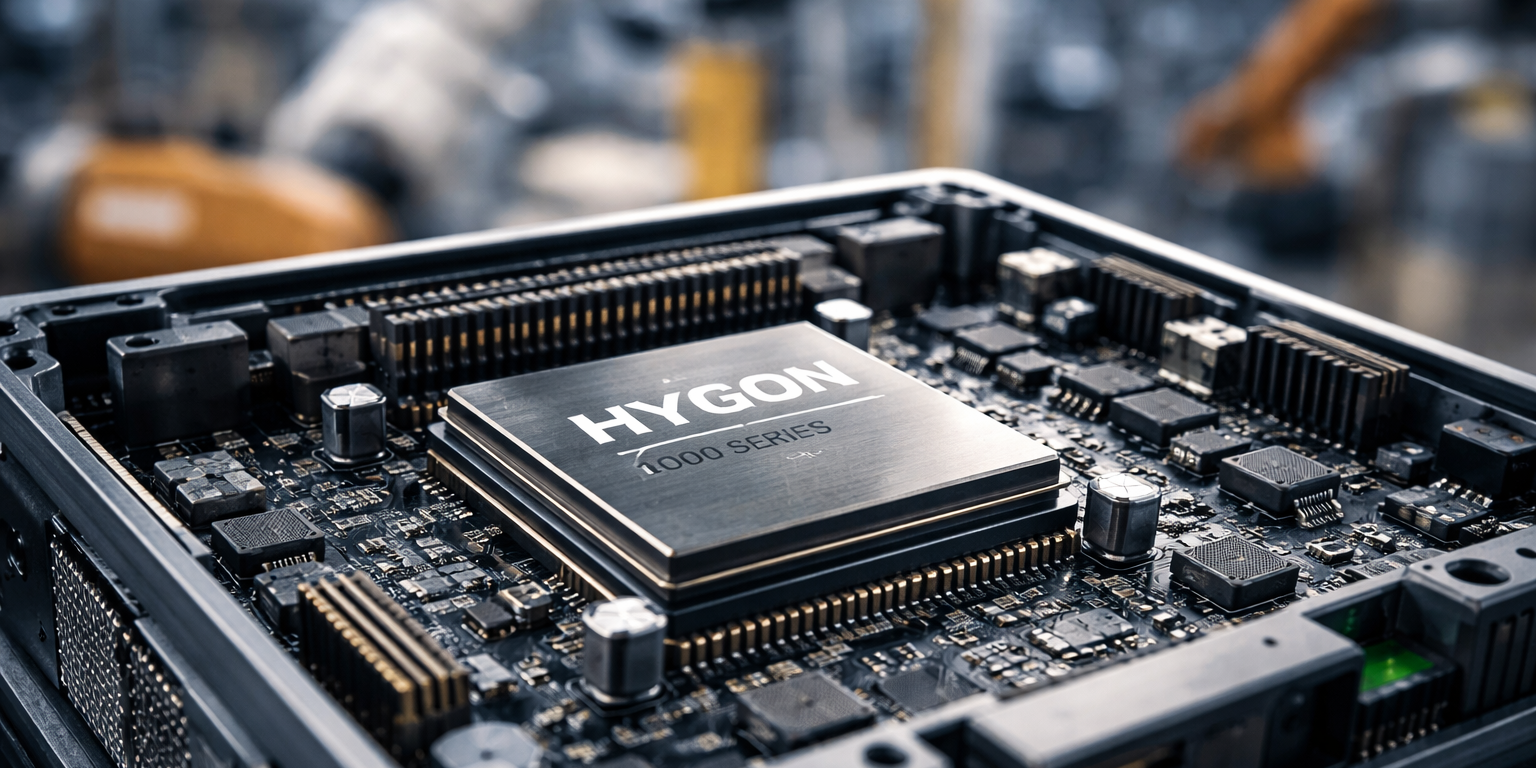
Hygon Information Technology introduced its 1000 series central processing units on Tuesday, chips purpose-built for robotics controllers and industrial edge devices that perform computing tasks without relying on cloud infrastructure. The Chengdu-based semiconductor company, known primarily for server processors used in Chinese data centers, designed the new chips to be embedded directly into factory automation systems, robotic platforms, and edge AI deployments where millisecond-level response times matter more than raw cloud horsepower.
The move represents a calculated expansion for Hygon, which has spent the past several years establishing itself in cloud computing infrastructure despite U.S. export restrictions that limited its access to advanced manufacturing equipment and architectural licenses. Physical AI systems—robots, autonomous vehicles, industrial vision systems—require fundamentally different chip architectures than data center workloads. They need integrated graphics processing for sensor fusion and real-time decision-making, thermal designs that work in factory environments rather than climate-controlled server rooms, and power envelopes measured in watts rather than kilowatts. Hygon's willingness to develop silicon for these constraints suggests confidence in capturing a slice of China's domestic industrial automation market, which research firm IDC estimates will exceed $47 billion in robotics deployments alone by 2028. The company has not disclosed which process node the 1000 series uses, nor which foundry manufactures the chips, details that matter significantly given ongoing semiconductor trade restrictions between the United States and China.
Industrial automation represents a natural adjacency for Chinese chip designers facing limited opportunities in consumer electronics and high-performance computing exports. SMIC, China's largest foundry, has ramped production of 14-nanometer and 28-nanometer process nodes suitable for embedded industrial processors, giving domestic chipmakers manufacturing capacity that does not require cutting-edge extreme ultraviolet lithography equipment restricted under current export controls. Hygon's timing aligns with broader Chinese government priorities around manufacturing self-sufficiency and reducing dependence on foreign technology in critical industrial sectors. The company competes domestically with Loongson and Zhaoxin in the CPU market, though neither competitor has announced dedicated robotics processor lines. Internationally, the 1000 series will compete against established embedded platforms from Intel's Atom and Core families, AMD's Ryzen Embedded line, and increasingly, Arm-based designs from NVIDIA and Qualcomm targeting similar edge AI workloads. Hygon has not announced partnerships with robotics manufacturers or automation system integrators, relationships that typically determine whether industrial processors gain traction beyond development boards.
The broader industrial robotics sector continues consolidating around a handful of computing platforms, making market entry challenging for new silicon vendors. ABB, FANUC, KUKA, and other major industrial robot manufacturers maintain long-standing relationships with established chip suppliers and invest heavily in software stacks optimized for specific processor architectures. Hygon will need to either demonstrate significant performance or cost advantages, or secure design wins with Chinese robotics companies such as Siasun, Estun Automation, or emerging humanoid robot developers like Fourier Intelligence and UBTech Robotics. The company's existing relationships in the data center market may provide limited leverage in industrial automation, where procurement decisions prioritize long-term supply stability and thermal reliability over peak computational performance. Hygon's launch materials emphasized local computing and graphics processing capabilities but provided no benchmark data comparing the 1000 series against competing platforms on standard robotics workloads such as simultaneous localization and mapping, computer vision inference, or motion planning algorithms. Those metrics will determine whether the chips move beyond pilot programs into volume production.
What to Watch: Monitor whether Hygon announces specific robotics partnerships or system integrator relationships within the next quarter, particularly with Chinese humanoid robot developers preparing production deployments. Track whether the company discloses process node specifications or foundry partnerships, details that clarify manufacturing constraints and potential supply volumes. Watch for benchmark data comparing 1000 series performance against Intel Atom, AMD Ryzen Embedded, and NVIDIA Jetson platforms on standard robotics computing tasks. Note any announcements from Siasun Robot & Automation or Estun Automation regarding embedded processor selections for upcoming industrial robot controllers, which would signal whether domestic manufacturers are adopting Hygon silicon.