Legs cost $21,000 per pair on Tesla's Optimus humanoid, accounting for more than a third of the robot's $55,000 total manufacturing expense. The figure, disclosed through supply chain analysis and component pricing data, highlights why no company has yet solved the economics of mass-market humanoid robots. Tesla has publicly stated it aims to sell Optimus for under $30,000 in volume production, which would require cutting current costs by more than half. That gap explains why the robot remains confined to controlled demonstrations rather than customer deployments, despite two years of public showcasing since the concept's 2022 debut.
The $21,000 leg assembly cost breaks down primarily to actuators and the structural components housing them. Each Optimus unit uses twelve actuators in its lower body alone, with six per leg distributed across hip, knee, and ankle joints. High-torque rotary actuators capable of the force densities required for bipedal walking currently run between $1,200 and $2,400 per unit at manufacturing scale, depending on specifications. Boston Dynamics faced similar actuator cost challenges with Atlas, its research humanoid, which the company has never commercialized despite two decades of development. The difference: Boston Dynamics accepted Atlas would remain a research platform, while Tesla committed to a consumer price point before solving the underlying cost structure.
Tesla's vertical integration offers some advantages competitors lack. The company manufactures its own motors for electric vehicles and has developed proprietary battery cell chemistries at scale. Optimus shares motor technology with Tesla's vehicle lineup, and the robot's battery pack uses the same 2170-format cells found in Model 3 and Model Y vehicles. Yet even with those synergies, the company faces actuator costs that remain stubbornly high. The walking problem demands precision and durability that automotive drivetrains do not. An actuator failure in a robot leg creates an immediate fall risk; in a vehicle, redundant systems and different failure modes apply. That reliability requirement pushes component costs upward regardless of manufacturing volume.
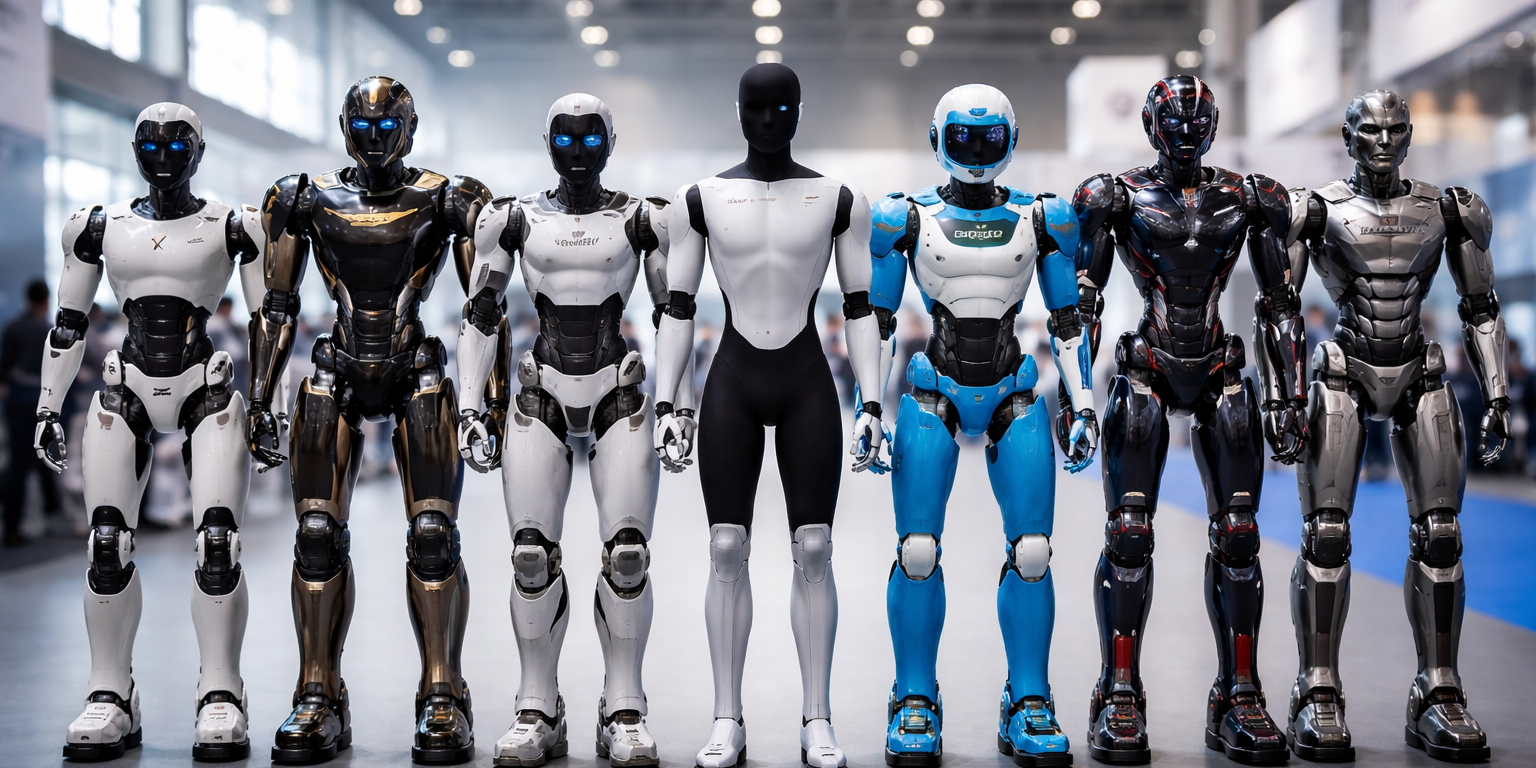
The broader humanoid sector faces identical economics. Figure AI, which raised $675 million in February 2024 at a $2.6 billion valuation, has not disclosed manufacturing costs for its Figure 02 robot but industry analysts estimate a similar range. Agility Robotics' Digit, designed for logistics tasks rather than general purpose work, reportedly costs over $100,000 per unit in current production. Sanctuary AI's Phoenix also remains in limited pilot deployments, with no public pricing. The pattern holds across the sector: every company building humanoids for commercial deployment confronts the same actuator cost wall. Until that changes, the robots remain confined to pilot programs where customers pay for potential rather than immediate return on investment.
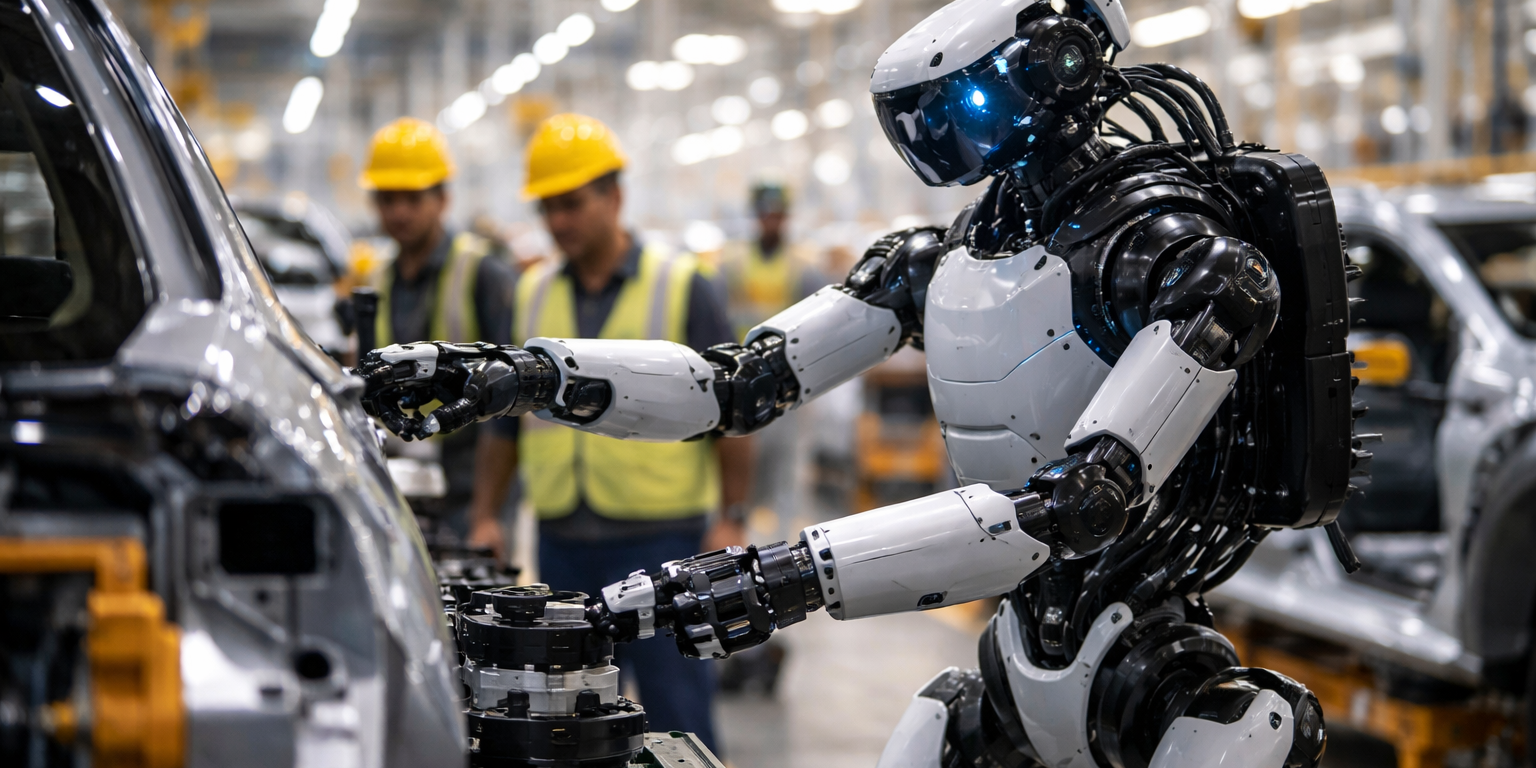
The timing matters because manufacturing costs for complex electromechanical systems typically follow predictable decline curves once production volume reaches certain thresholds. Tesla produced roughly 1.8 million vehicles in 2023, giving it volume advantages in motors and batteries that should translate to robotics. Yet Optimus production remains in the hundreds of units, not thousands, limiting economies of scale on robot-specific components. The company has stated it plans to deploy thousands of Optimus robots in its own factories during 2025, which would provide the volume needed to negotiate better component pricing and refine manufacturing processes. Whether that internal deployment proves the robots economically viable remains the central question. Tesla's factories already use extensive automation; adding humanoids only makes sense if they outperform existing solutions on a cost-per-task basis.
What to Watch: Tesla's Q1 2025 earnings call in April should clarify how many Optimus units the company deployed internally and whether those robots perform billable work or remain in testing. Track actuator suppliers like Kollmorgen, Moog, and Harmonic Drive for any announcements about new product lines optimized for humanoid robotics, as cost reductions there would benefit the entire sector. Monitor Figure AI's pilot expansion with BMW, which began limited factory testing in March 2024 and could scale to hundreds of units by mid-2025 if results warrant continued investment. Finally, watch for Chinese humanoid makers like Fourier Intelligence and UBTech to announce pricing for their production models, as lower labor costs and different supply chains could undercut Western manufacturers on component expenses.