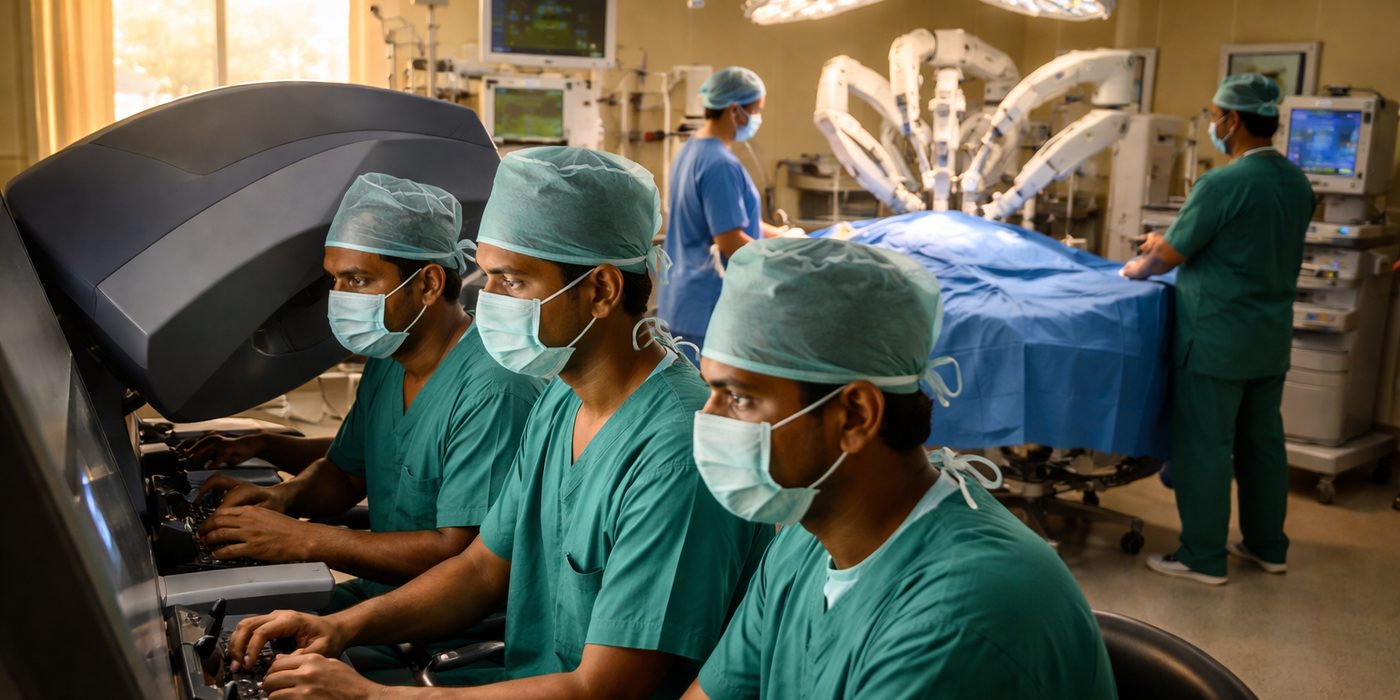

The most telling detail in Brian Lenihan's story is not that surgeons built him a new bladder. It is that he is training for marathons again. The Dublin runner underwent a robotic procedure at St Vincent's University Hospital to create a neobladder, an internal reservoir fashioned from a segment of the patient's own small intestine and connected to the urethra so that he can pass urine without an external bag. Reported by The Irish Times, the case turns on recovery rather than technique: a patient who might once have faced months of limited mobility after a large open abdominal operation is now preparing to race.
Neobladder reconstruction sits near the top of the difficulty curve in urologic surgery. It typically follows a radical cystectomy, the removal of the bladder, most often performed for invasive bladder cancer. The surgeon must then harvest roughly 40 to 60 centimeters of bowel, reconfigure it into a low-pressure pouch, and anastomose it to the urethra while reattaching the ureters. Doing this through an open incision is well established but physically punishing. Doing it robotically means working through small ports, suturing inside a confined pelvis, and sustaining that precision across an operation that can run many hours. Surgeons have long distinguished between robotic cystectomy and fully intracorporeal reconstruction, with the latter far less common and far more demanding.
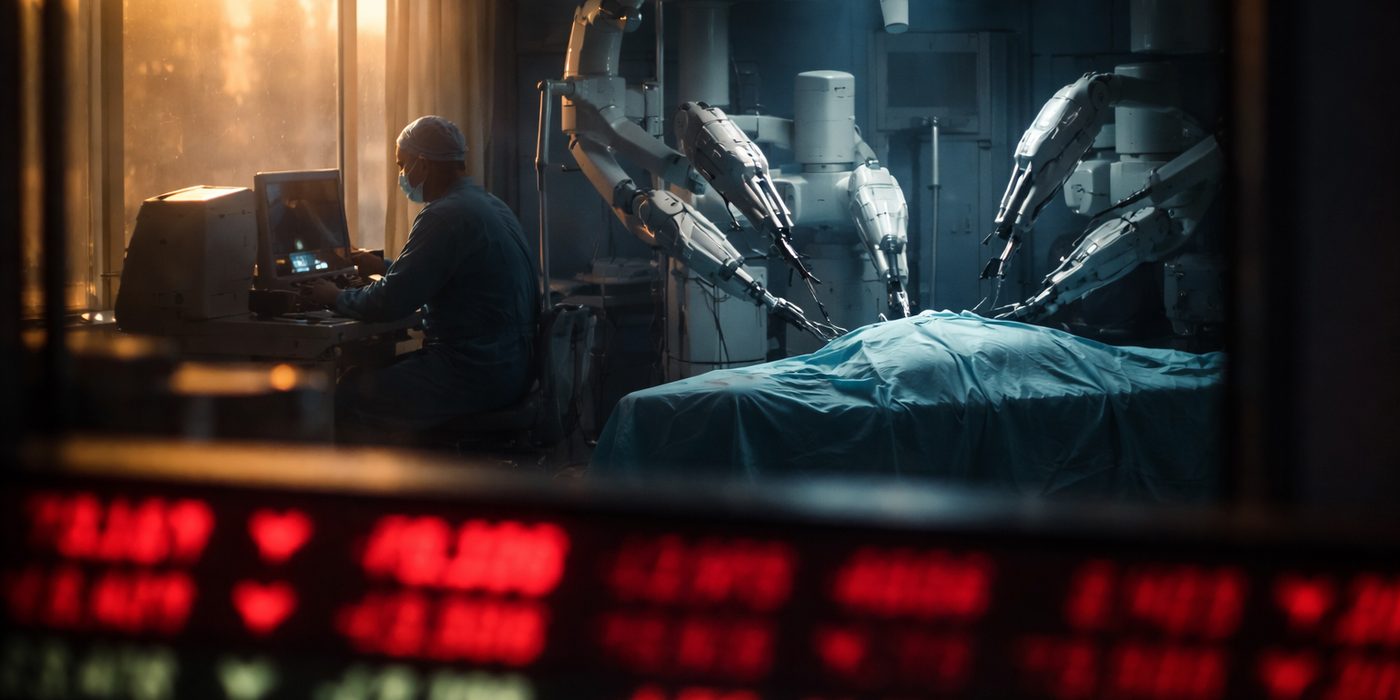
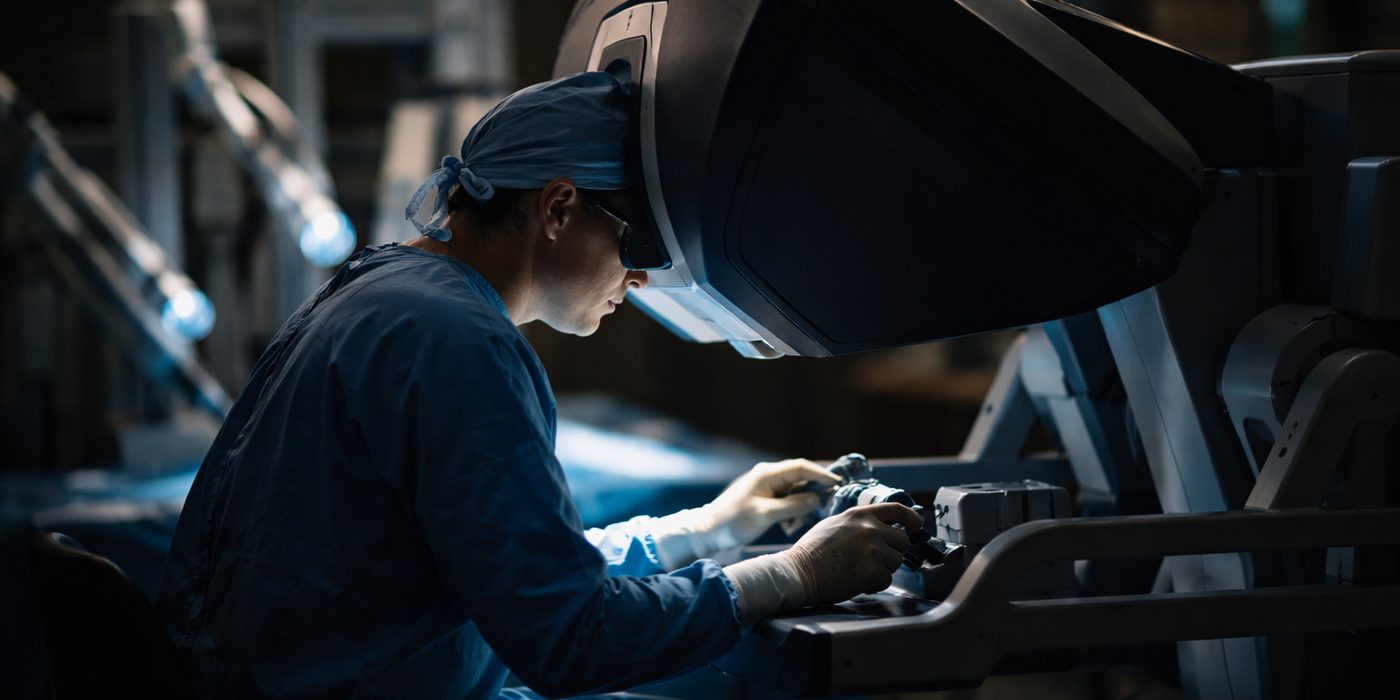
The engineering case for the robot here is concrete. Wristed instruments with a greater range of motion than the human hand, magnified three-dimensional visualization, and tremor filtering all matter most when a surgeon is stitching bowel to urethra deep in the pelvis. The dominant platform in this space remains Intuitive Surgical's da Vinci line, which has accumulated millions of procedures worldwide, though a growing field of competitors, including CMR Surgical, Medtronic's Hugo system, and Johnson & Johnson's Ottava program, is chasing urologic indications. Reconstructive cases like Lenihan's are strategically valuable to these companies precisely because they are hard to do and easy to showcase. A successful neobladder is a clinical proof point that carries weight with hospital procurement committees far beyond the urology ward.
For investors and engineers, the lesson is about how adoption actually spreads. Robotic surgery did not conquer urology through a single breakthrough; it spread through prostatectomy, then kidney surgery, then increasingly complex reconstruction, each step lowering the barrier for the next. Reconstructive procedures also expose the limits of current systems. Operating times remain long, instrument costs are recurring, and the learning curve is steep enough that outcomes depend heavily on case volume at individual centers. Ireland's public system adds a further wrinkle: capital budgets are tight, and every robotic platform must justify itself against waiting-list pressure. Patient stories about returning to marathon running are anecdotal, but they feed the harder evidence on length of stay, complication rates, and time to resumed activity that ultimately drives purchasing decisions.
The unresolved question is whether robotic neobladder surgery produces measurably better long-term function than open surgery, or simply a faster, less painful recovery. Published comparisons have generally shown that robotic cystectomy matches open surgery on cancer control while reducing blood loss and shortening hospital stays, but evidence on the intracorporeal reconstruction step is thinner and largely drawn from high-volume specialist centers. That gap matters commercially. Vendors want indication-specific data they can put in front of regulators and payers, and surgeons want training pathways that spread the skill beyond a handful of experts. Cases like Lenihan's give clinicians a persuasive narrative, but the next phase of growth will depend on registries, standardized training, and cost-effectiveness analyses rather than individual success stories.
What to Watch
Track European urology conference programs through the winter, particularly sessions reporting intracorporeal neobladder outcomes, since multicenter data there will shape how competing systems market reconstructive capability. Watch for further regulatory clearances and European rollouts of Medtronic's Hugo and Johnson & Johnson's Ottava in urology, where each is seeking to dislodge Intuitive's installed base. Monitor Irish health service capital allocations and any announcements of additional robotic systems at public hospitals, which would indicate whether cases like this one translate into procurement. Finally, follow Intuitive Surgical's next quarterly results for procedure growth in urology and for any commentary on instrument-per-procedure economics in complex reconstructive work.