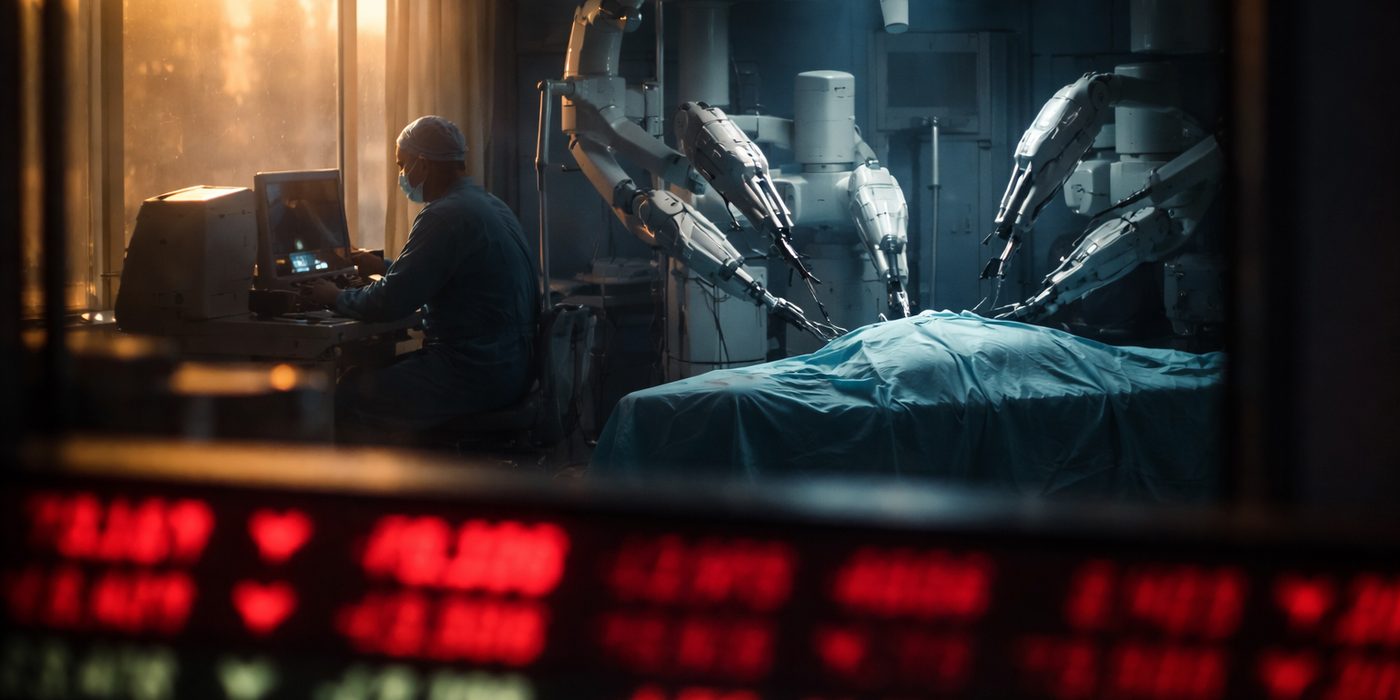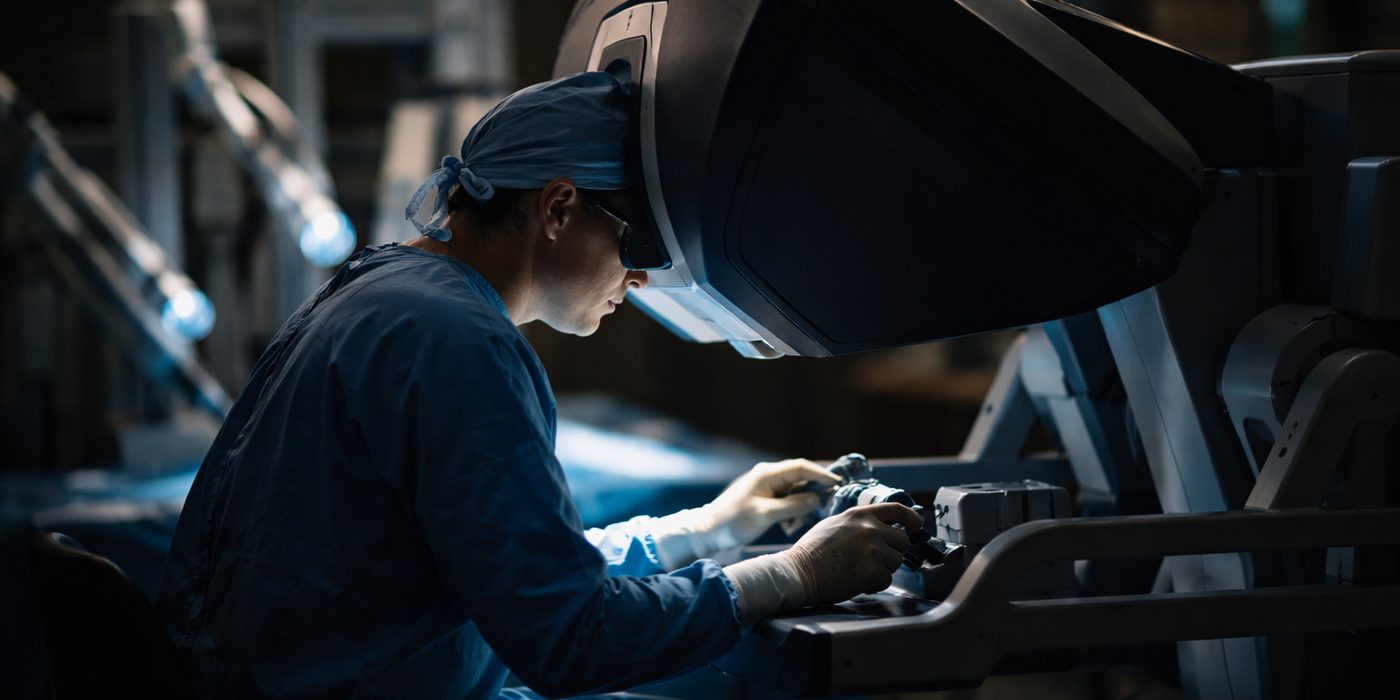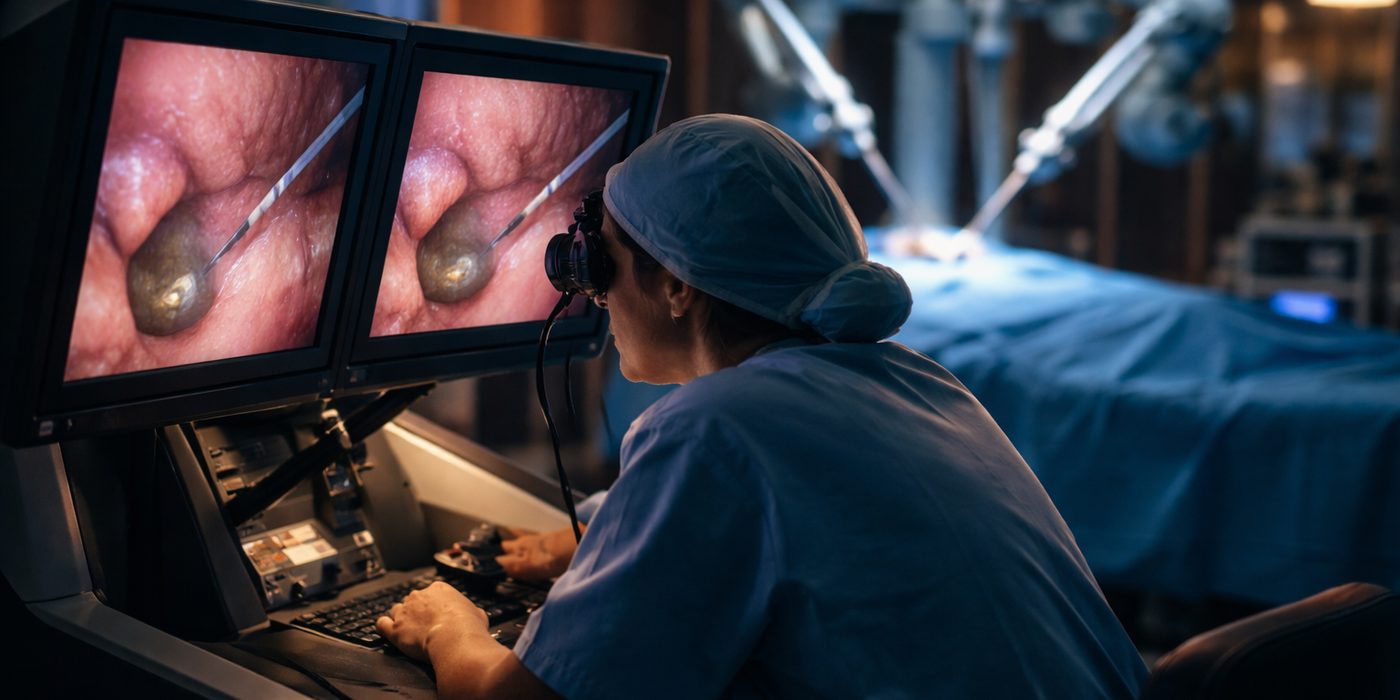
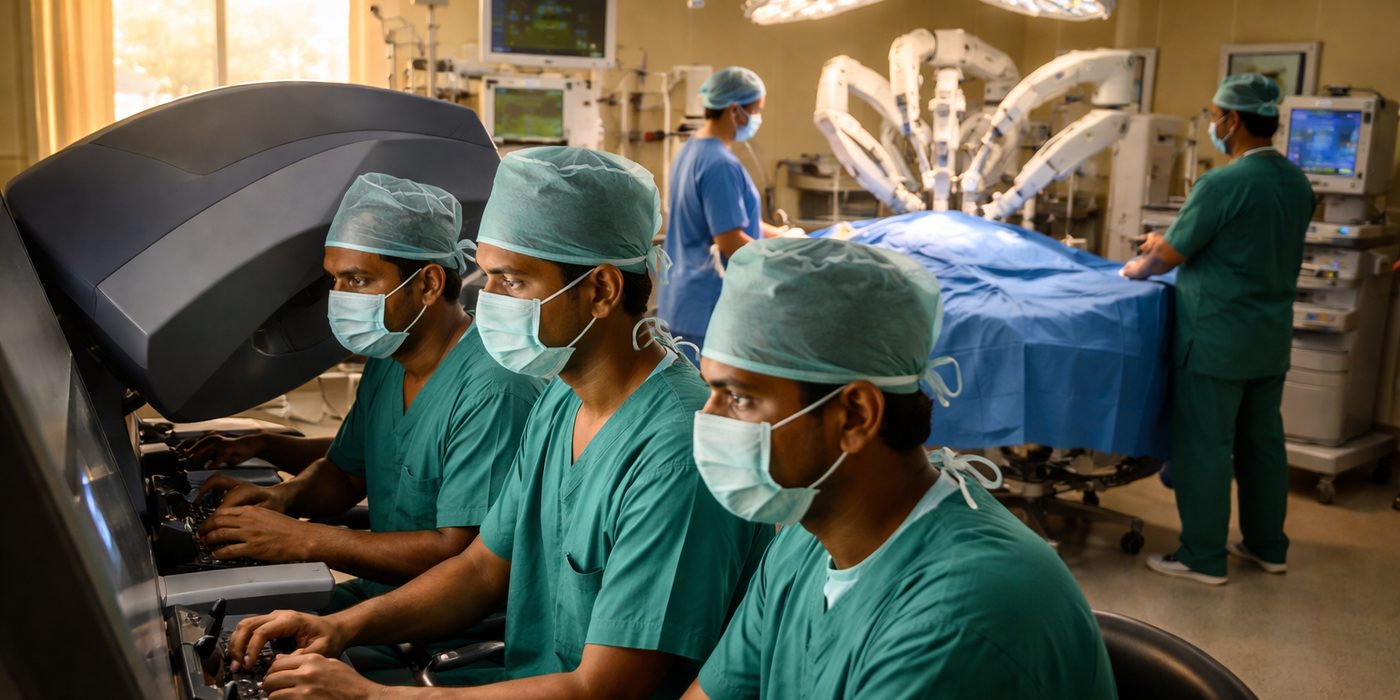
The most consequential line in the launch is not about the robot. It is about who can sit on its table. Homi Bhabha Cancer Hospital & Research Centre (HBCH&RC) in Visakhapatnam began offering robotic surgical services on Friday, and patients covered by the NTR Vaidya Seva scheme, Andhra Pradesh's state health assurance program, are eligible from the first day. The hospital performed its first robotic procedure as part of the opening. Capital funding came with support from NTPC, the state-owned power utility, routed through its corporate social responsibility budget. The facility's vendor, platform and installed system count were not detailed in the reporting available at publication.
That last gap matters to anyone tracking the market. India's robotic surgery installed base has grown steadily over the past decade, but it has clustered in private corporate hospital chains in Delhi, Mumbai, Bengaluru, Chennai and Hyderabad, where per-procedure pricing can absorb the cost of a multimillion-dollar system and its consumables. Visakhapatnam, a port city of roughly two million people and the commercial hub of north coastal Andhra Pradesh, has had far fewer options. Cancer patients there who wanted minimally invasive robotic resection have typically traveled to larger metros or paid private-sector rates. A government-linked cancer centre installing a system changes the local calculus.
HBCH&RC belongs to the Tata Memorial Centre network, which operates under India's Department of Atomic Energy and runs one of the largest oncology caseloads in the world. That lineage shapes how a robotic program gets justified. Tata Memorial's mandate emphasizes affordable cancer care at scale, so a robotic suite there is evaluated less on premium-service revenue and more on throughput, complication rates and length of stay. The NTR Vaidya Seva tie-in follows the same logic. State insurance packages reimburse at fixed rates, which means the hospital must hold per-case costs, including disposable instruments and arms that carry use limits, inside a ceiling it does not control. Vendors selling into this tier compete on consumables pricing as much as on arm dexterity or imaging.
For the wider industry, the funding structure deserves attention. CSR spending in India is legally mandated for companies above certain profit thresholds, and healthcare infrastructure is an eligible category. NTPC underwriting medical capital equipment is a template other public-sector units could copy, and the pool is large: India's CSR obligations run into the tens of thousands of crores of rupees annually across all sectors. If even a modest slice flows toward surgical robotics at government and charitable hospitals, it creates a procurement channel that sits outside the private hospital chains most vendors court. That channel favors suppliers with local service networks, rupee-denominated pricing and training pipelines for surgeons who have never operated from a console. Domestic entrants, including Indian-built systems that have won regulatory clearance in recent years, are positioned to argue that case against established multinational platforms.
What to Watch Watch the first 90 days of case data from Visakhapatnam: procedure mix (urologic, gynecologic and head-and-neck oncology cases are the usual starting points for new programs), conversion-to-open rates and average console time per case. Track whether Andhra Pradesh revises NTR Vaidya Seva package rates for robotic procedures, since reimbursement parity with open surgery determines whether the program stays financially viable. Monitor other state-run oncology centres and public-sector CSR announcements through the remainder of 2026 for similar installations. Finally, watch vendor responses on instrument and consumables pricing in India's public tier, where domestic robotic platforms and multinational incumbents are likely to compete head to head.