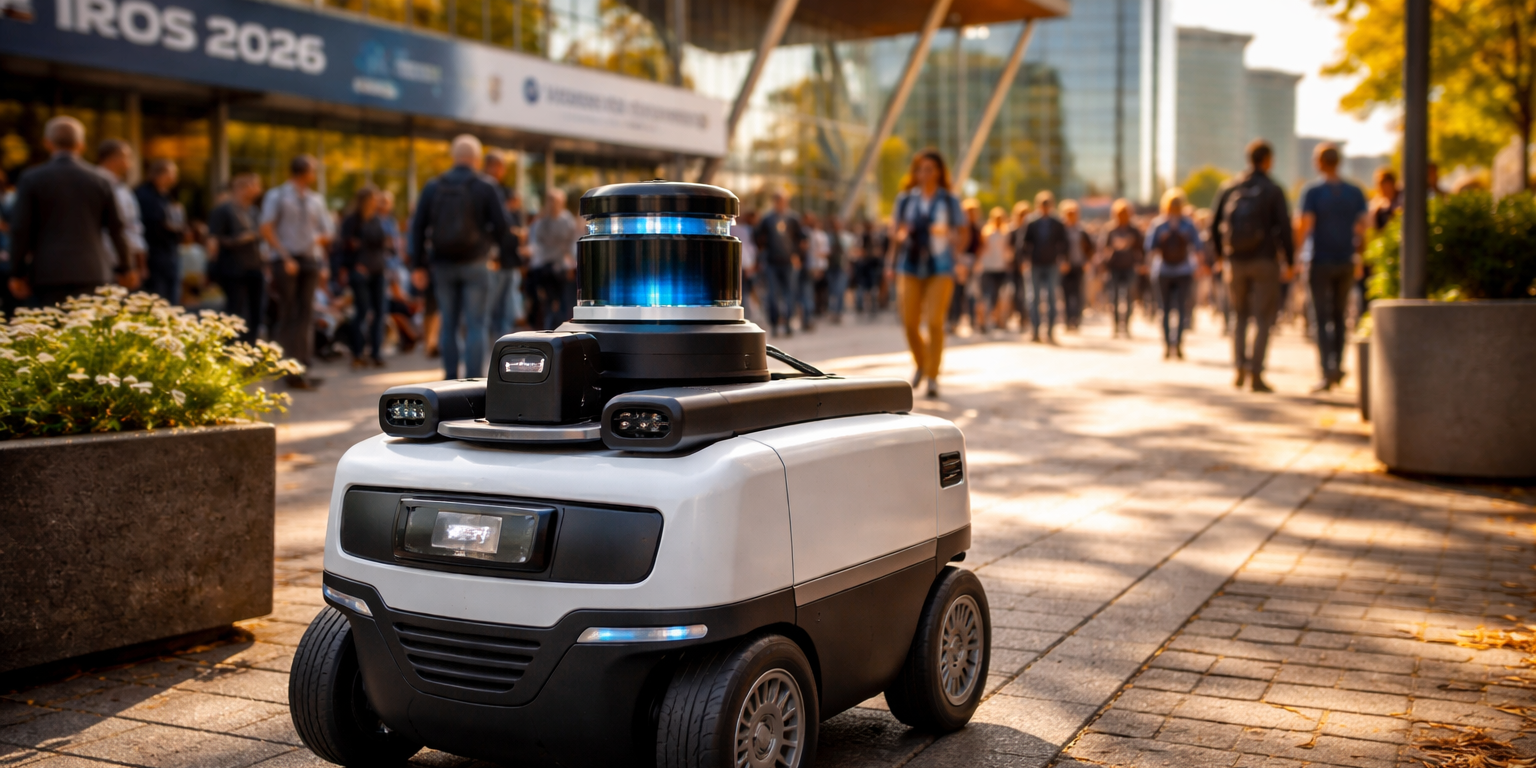
Seyond plans to demonstrate production-grade LiDAR hardware at the IEEE International Conference on Intelligent Robots and Systems in Vancouver this October, focusing specifically on robotics applications that operate outside the structured environments where most autonomous systems currently work. The company, headquartered in Sunnyvale, California, has positioned the IROS 2026 showcase around a single thesis: that the robotics industry's next growth phase depends on sensor technology proven in high-volume automotive deployments, not prototypes optimized for controlled settings.
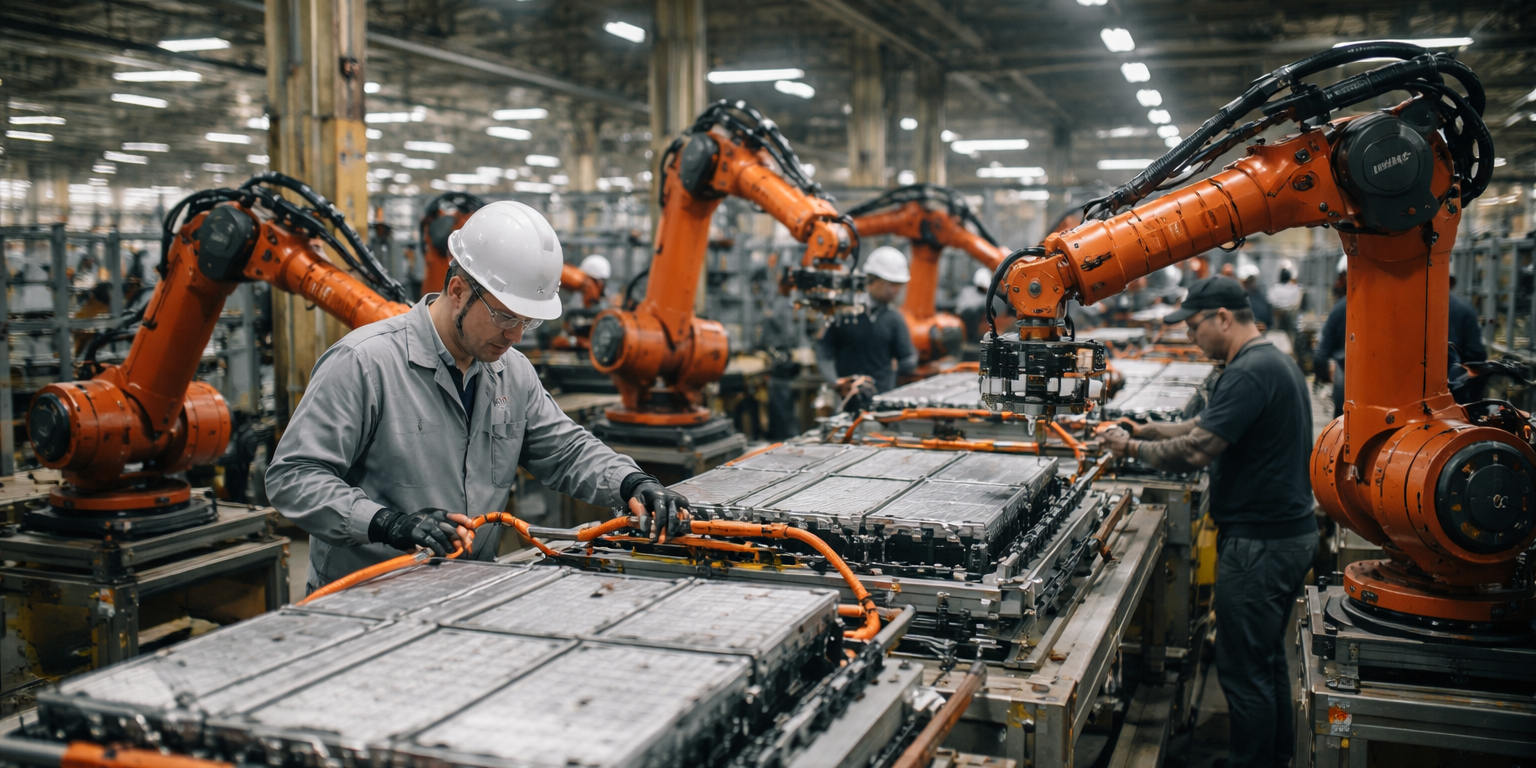
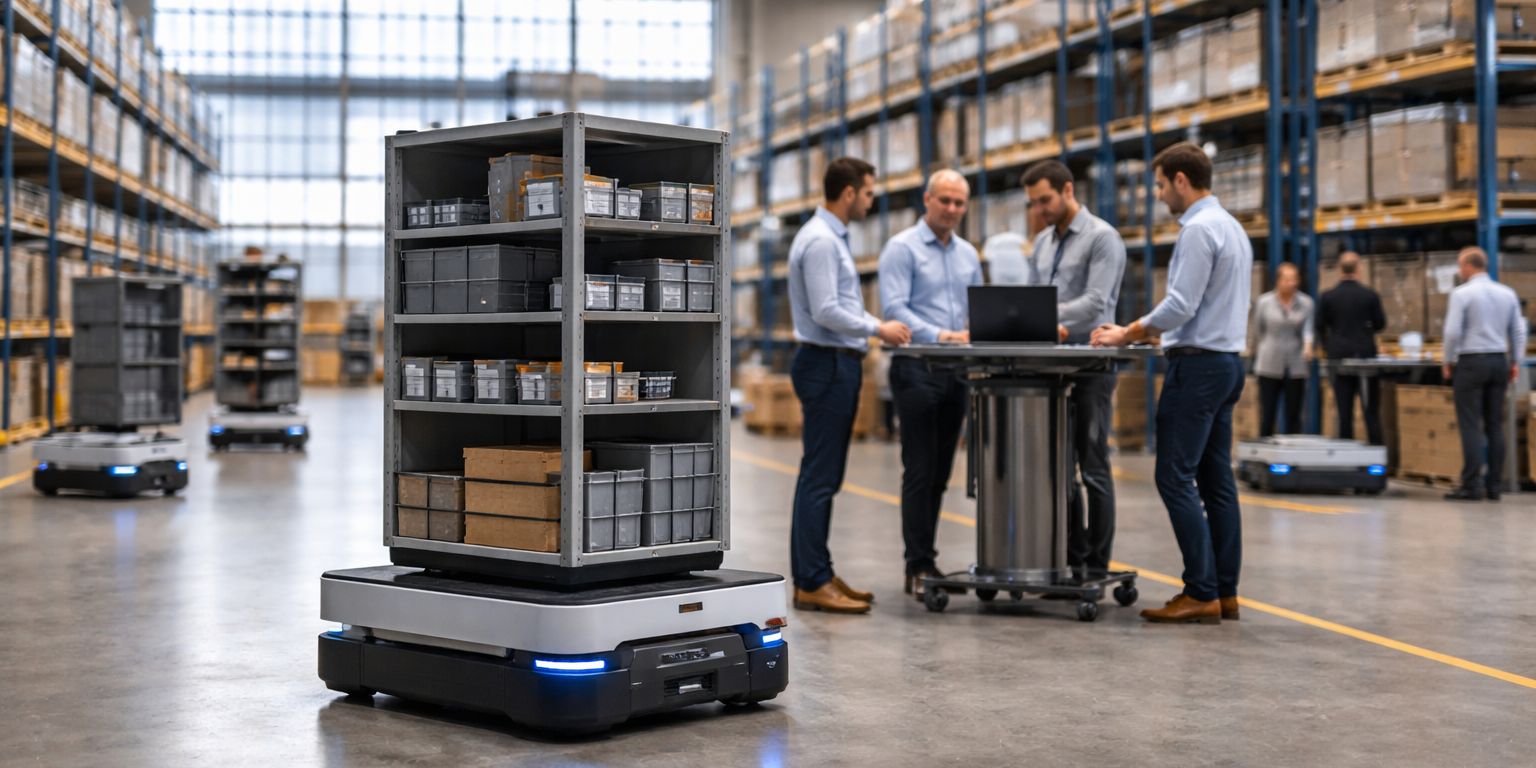
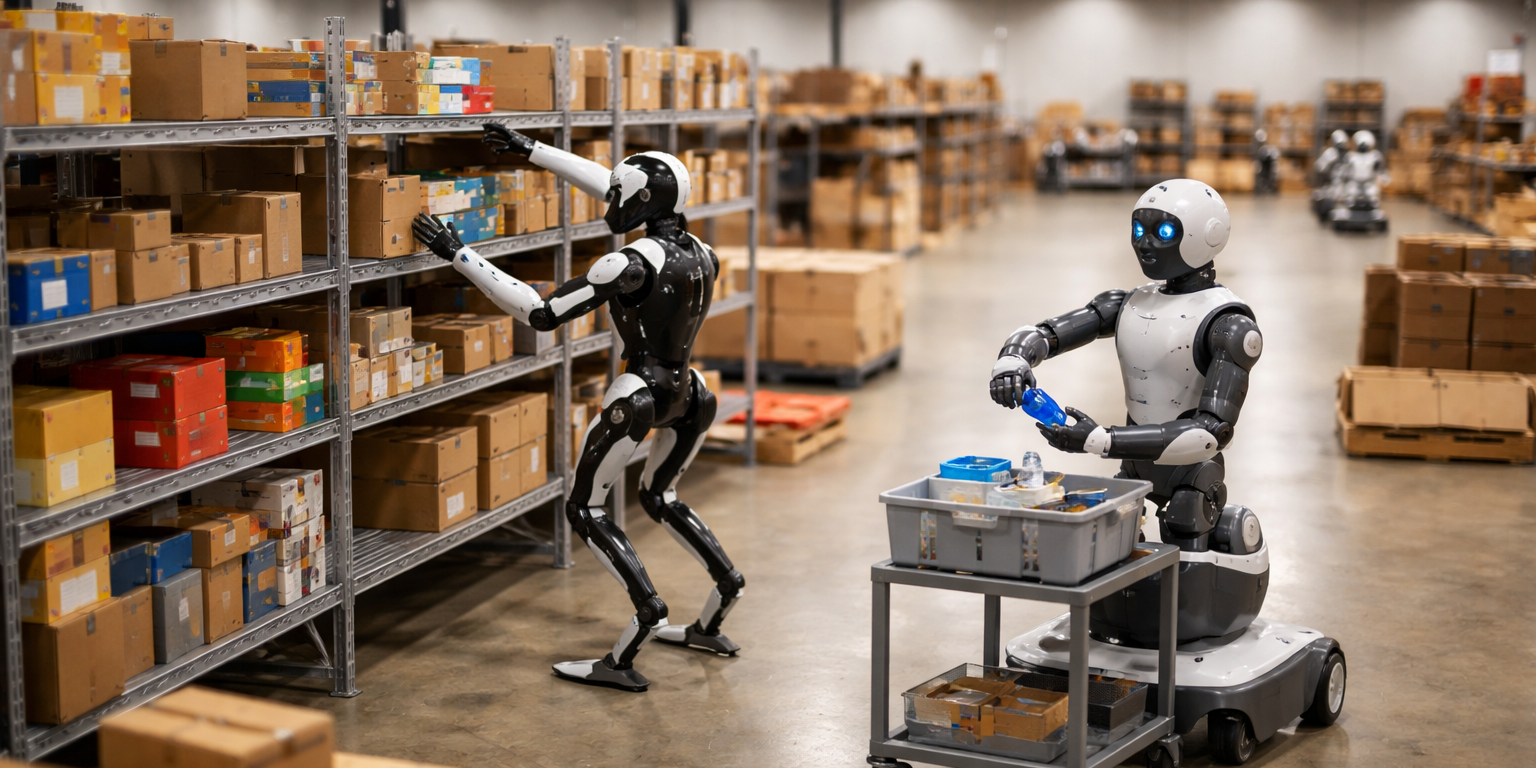
The timing reflects a broader shift in how robotics companies approach hardware selection. Three years ago, most autonomous mobile robots operated exclusively in warehouses, fulfillment centers, and manufacturing facilities where ceiling-mounted beacons, predictable lighting, and restricted human access simplified perception requirements. Those constraints are disappearing. Delivery robots now navigate public sidewalks in dozens of cities. Service robots work in hospitals, airports, and hotels where lighting varies dramatically and human traffic is unpredictable. Industrial AGVs increasingly share space with human workers rather than operating in caged areas. Each expansion multiplies the edge cases a perception system must handle, and LiDAR specifications that worked in 2023 no longer suffice. Seyond's presence at IROS signals that automotive-grade sensor suppliers see this transition as a commercial opportunity large enough to justify dedicated robotics product lines.
Seyond emerged from the automotive LiDAR market, where the company developed solid-state systems for advanced driver assistance and autonomous vehicle programs. That pedigree matters in robotics for reasons beyond raw performance specifications. Automotive LiDAR undergoes validation protocols that robotics-native sensors rarely face: thermal cycling from minus 40 to plus 85 degrees Celsius, vibration testing across three axes, electromagnetic compatibility certification, and mean time between failure measurements exceeding tens of thousands of hours. These same durability requirements apply when a delivery robot operates through a Chicago winter or when a cleaning robot runs three shifts daily in a hospital. Robotics companies scaling from pilot deployments to fleet operations increasingly prioritize sensors with automotive reliability data, even if those sensors cost more than alternatives designed exclusively for indoor use. Seyond's strategy appears calibrated to capture customers at precisely that inflection point, when a robotics company transitions from engineering-led prototyping to operations-led production.
The broader competitive landscape reveals why automotive LiDAR suppliers are targeting robotics now. Velodyne, once the dominant player in robotics perception, filed for bankruptcy in late 2022 and was acquired by Ouster in early 2023, consolidating what had been a fragmented market. Ouster itself merged with Velodyne's assets and continues serving robotics customers, but the automotive market's slower-than-expected adoption of LiDAR has pressured all sensor suppliers to diversify revenue. Robotics represents that diversification opportunity, particularly as unit volumes scale. Industry estimates suggest global deployments of autonomous mobile robots will exceed 2 million units annually by 2028, with each robot requiring at least one and often multiple LiDAR sensors depending on application. That potential volume justifies the engineering investment required to adapt automotive designs for robotics mounting configurations, power budgets, and data interfaces. Seyond's IROS participation indicates the company has completed that adaptation and is ready to compete for design wins as robotics OEMs select sensor suites for their next-generation platforms.
What makes this development significant beyond a single trade show appearance is the maturation it represents. Five years ago, robotics companies built perception stacks around whatever sensors were available, often mixing consumer-grade cameras with industrial encoders and whatever LiDAR units offered acceptable range at acceptable cost. That opportunistic approach worked for pilots but created supply chain fragility and support challenges at scale. Now, as robotics deployments shift from hundreds of units to thousands, OEMs are standardizing on sensor suppliers with automotive production capacity, global support infrastructure, and roadmaps extending multiple product generations. Seyond offering robotics-specific products and support suggests the company sees this market as a strategic priority rather than a side business for automotive overflow. For robotics engineers evaluating sensor options, that commitment matters as much as any individual specification, because it implies continued investment in robotics-optimized features, pricing that reflects competitive dynamics rather than automotive spillover, and technical support that understands their application constraints.
What to Watch: Seyond's booth at IROS 2026 in Vancouver, scheduled for October 14-18, will provide the first detailed look at robotics-specific product variants and pricing structures. Watch for announcements of design wins with major AMR manufacturers in the delivery, service, or industrial automation segments during Q4 2026 or Q1 2027, as those would validate the company's robotics strategy. Also monitor whether Seyond announces partnerships with robotics software platforms like NVIDIA Isaac or Open Robotics ROS 2, which would accelerate integration for customers. Finally, track whether competitors like Ouster, Livox, or Hesai respond with robotics-focused offerings at CES 2027 or Automate 2027, which would confirm this market transition is industry-wide rather than one company's bet.