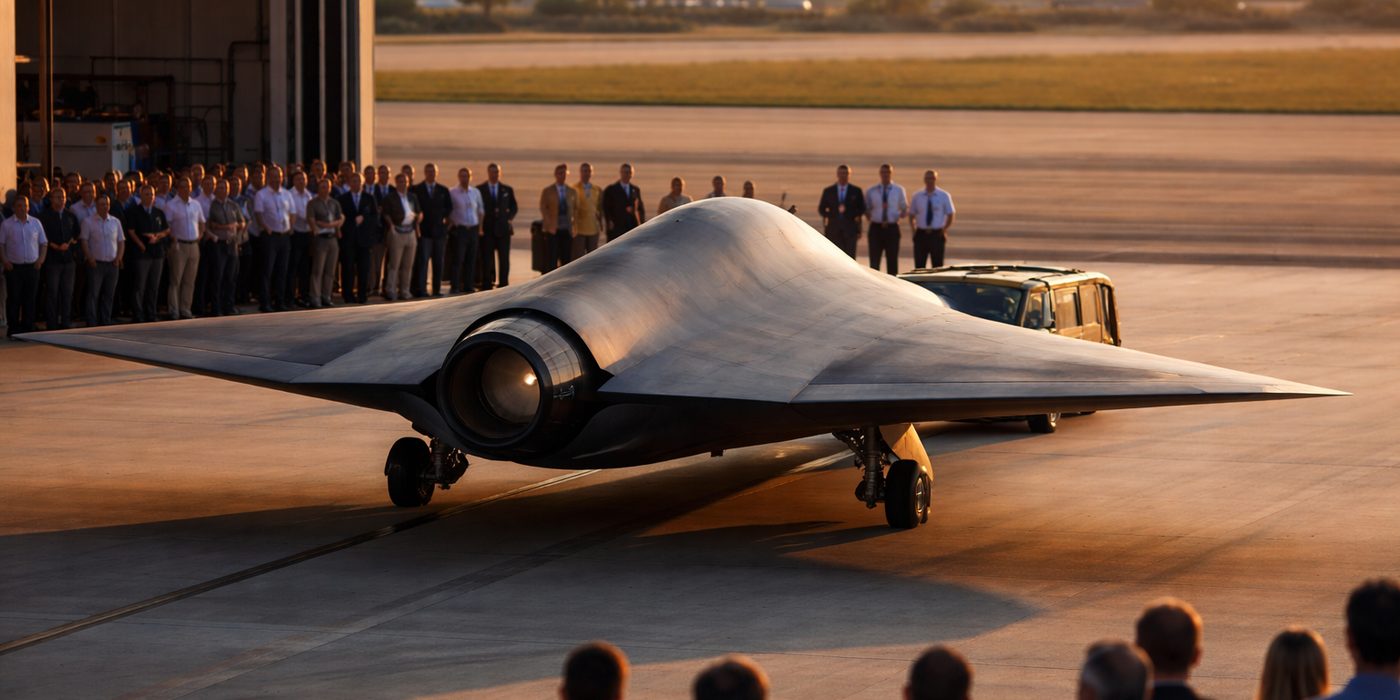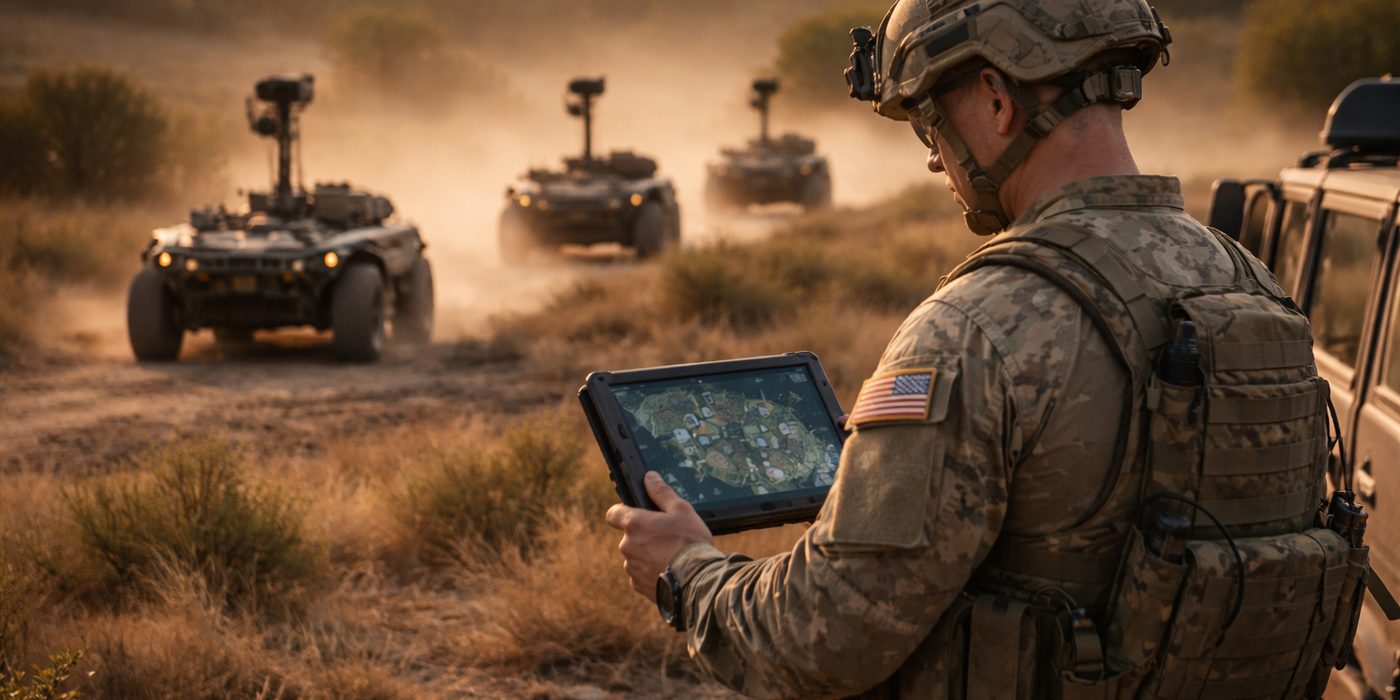
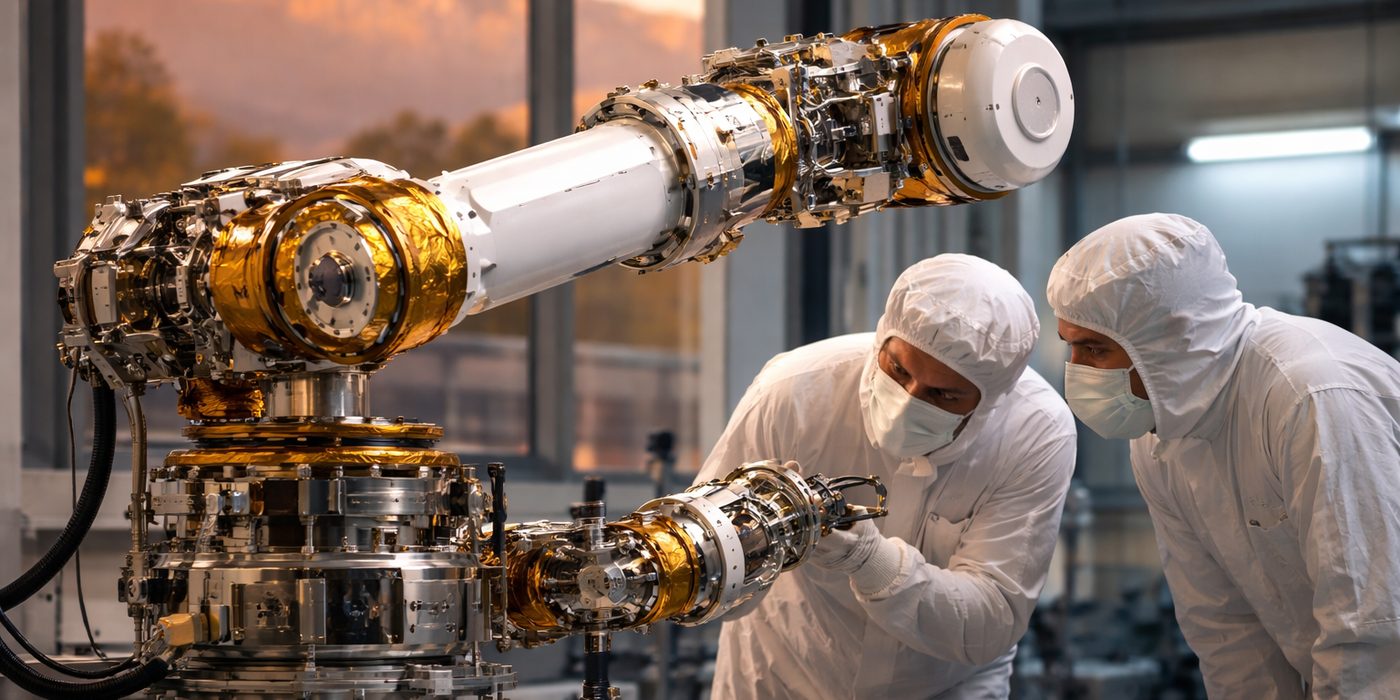
Less than six months. That is how long it took Rocket Lab to turn a robotics acquisition into a product announcement, a pace that stands out in an industry where space hardware roadmaps are usually measured in years. On Friday, the company disclosed that Motiv Space Systems, the Pasadena, California, robotics specialist it bought earlier this year, now operates as Rocket Lab Robotics and has produced its first branded space robot. The announcement was brief on specifications, but the speed is the story: Rocket Lab is behaving less like a launch provider with a side project and more like a company assembling every layer of a space infrastructure stack.
Motiv was never a household name, but it carried credibility where it counts. The firm built its reputation on robotic arms and mechanisms for spaceflight, work that traces back to the heritage of NASA's Jet Propulsion Laboratory, which sits only a few miles from Motiv's home base. Its xLink robotic arm was developed with NASA and DARPA support and is designed for operations in orbit, from servicing satellites to assembling structures. Those programs gave Motiv something money rarely buys quickly: flight-relevant engineering experience in an application where a single mechanism failure can end a mission. Rocket Lab absorbed that team, its test infrastructure, and its relationships with government customers in a single transaction.
For Rocket Lab, the logic follows the playbook that has defined its growth. Founder and CEO Peter Beck has spent years buying capability instead of building it from scratch, folding in companies such as Sinclair Interplanetary for reaction wheels and star trackers, SolAero for solar cells, and Geost for payloads. Each purchase removed a supplier dependency and added margin to missions the company already flies. Robotics fits that pattern, and it fills a conspicuous gap. Rocket Lab launches payloads on Electron, builds spacecraft buses through its Photon line, and is developing the larger Neutron rocket, but until now it lacked an in-house way to physically manipulate objects once they reached orbit or the lunar surface.
The competitive implications reach well beyond one company's product catalog. Orbital servicing has attracted a crowded field. Northrop Grumman's Mission Extension Vehicles have already docked with aging commercial satellites, Astroscale is demonstrating debris removal and inspection, and Maxar's robotics arm, now part of Lanteris after the Advent International acquisition, has supplied manipulators for NASA programs. What distinguishes Rocket Lab's approach is integration: a company that can launch the vehicle, build the spacecraft, supply the arm, and operate the mission can offer a single contract where rivals must stitch together partners. That bundling matters to government buyers under budget pressure, and it matters to engineers who know how much program risk lives in the interfaces between suppliers.
There is also a harder-edged consideration for the robotics community. Space is among the least forgiving environments for manipulators. Radiation, thermal swings of hundreds of degrees, vacuum lubrication problems, and communication delays force designers into conservative architectures that look nothing like the fast-moving humanoid and warehouse robotics sectors. Rocket Lab Robotics inherits that discipline, and its customers will judge it on reliability rather than novelty. If the company can keep unit costs down while preserving flight heritage, it could pressure the traditional prime contractors that have long dominated space manipulators, where prices for a single arm can reach into the tens of millions of dollars.
What to Watch
Watch Rocket Lab's next quarterly earnings call for any segment-level disclosure on robotics revenue and backlog, since investors will want to see whether Motiv's government contracts are being converted into recurring product sales. Track NASA and Space Force solicitations for on-orbit servicing, assembly, and manufacturing through early 2027, where Rocket Lab Robotics would be a natural bidder alongside Northrop Grumman and Astroscale. Keep an eye on Neutron's progress, because a heavier launch vehicle makes larger robotic payloads and servicing missions commercially viable. Finally, look for the first named customer or flight manifest entry for the new robot, which would show whether this is a demonstration article or the start of a production line.