
A comprehensive market intelligence report released this week catalogues the players steering robotics and autonomous transportation through what analysts describe as the industry's first real consolidation phase. The report profiles research groups, robotics manufacturers, and electric vertical takeoff and landing aircraft developers across six major segments: industrial robotics, medical systems, service and warehouse platforms, self-driving vehicles, robotaxis, urban air mobility, and commercial drones. The timing reflects a market that has moved decisively beyond proof-of-concept demonstrations. Companies with deployed units and recurring revenue now command investor attention. Those still presenting slideware face tougher questions.
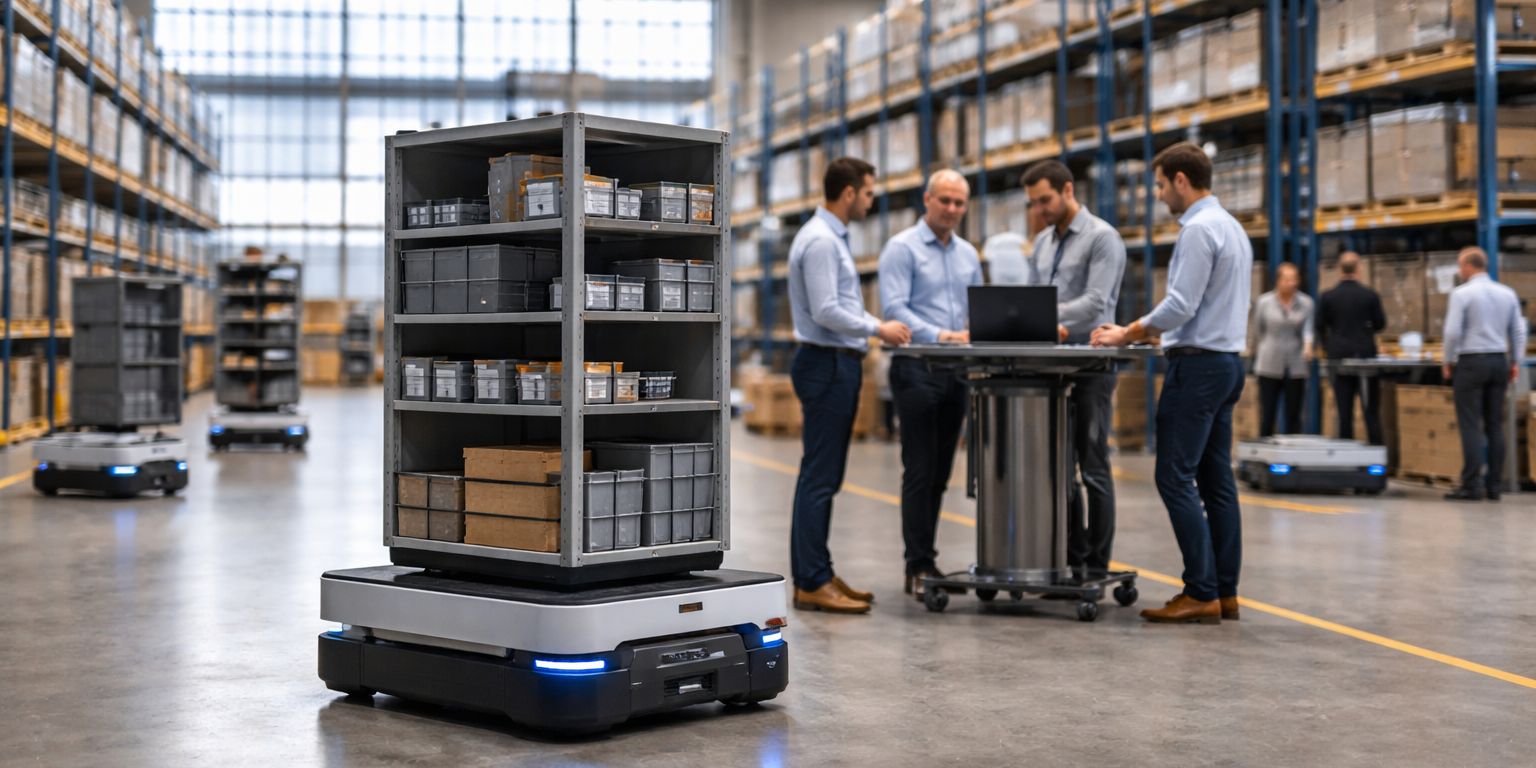
The industrial robotics segment continues to account for the largest installed base, though growth rates have moderated as manufacturers replace older fixed-arm systems with mobile platforms capable of multi-station operation. Humanoid robots, once relegated to research labs and conference demos, now appear in pilot programs at automotive assembly plants and logistics centers. The shift happened faster than most forecasts predicted. Warehouse robotics represents the most mature autonomous mobile robot deployment environment, with several operators now managing fleets exceeding ten thousand units. Service robotics remains fragmented, with applications ranging from hospital delivery systems to hospitality platforms, each requiring different regulatory pathways and safety certifications. Medical robotics commands premium pricing but faces longer sales cycles tied to capital equipment budgets and clinical validation requirements.
Autonomous transportation splits into distinct commercialization tracks. Robotaxi services operate in defined geographic zones across multiple U.S. cities, though expansion beyond initial service areas has proven slower than early projections suggested. Self-driving trucks focus on hub-to-hub freight routes where highway miles dominate and human drivers handle first-mile and last-mile segments. Urban air mobility and eVTOL development continues to generate headlines, but commercial passenger operations remain confined to demonstration programs and limited certification flights. The gap between announced timelines and actual revenue service has widened considerably over the past eighteen months. Drone operations have moved furthest toward routine commercial use, particularly in infrastructure inspection, agricultural monitoring, and limited package delivery corridors. Regulatory frameworks vary significantly by jurisdiction, creating a patchwork deployment environment that favors operators with experience navigating multiple certification regimes.
The report arrives as public market valuations for robotics companies have compressed from 2024 peaks. Private funding rounds now emphasize unit economics and path to profitability over total addressable market projections. Several high-profile developers have extended timelines for next-generation platforms or pivoted from consumer applications toward enterprise customers willing to pay for customization and integration services. The shift reflects a maturing industry where technical capability alone no longer guarantees commercial success. Companies that can demonstrate repeatable deployment processes, predictable service costs, and measurable productivity gains have pulled ahead of competitors still optimizing for laboratory performance metrics. Strategic partnerships between robotics developers and established industrial operators have become the preferred commercialization path, replacing the direct-to-market approach favored during the previous funding cycle. This consolidation phase separates platform companies building reusable technology from application-specific developers solving narrow use cases.
What to Watch: Track quarterly deployment numbers from warehouse automation leaders through Q3 2026 to gauge whether mobile robot adoption maintains current momentum or plateaus as early adopters complete initial installations. Monitor eVTOL certification milestones from Joby Aviation, Archer Aviation, and Wisk Aero over the next ninety days, particularly any announcements regarding commercial passenger service timelines. Watch for humanoid robot pilot program results from automotive manufacturers, expected to inform 2027 capital equipment budgets. Follow robotaxi operators' geographic expansion announcements, which signal regulatory progress and insurance framework development in new markets.