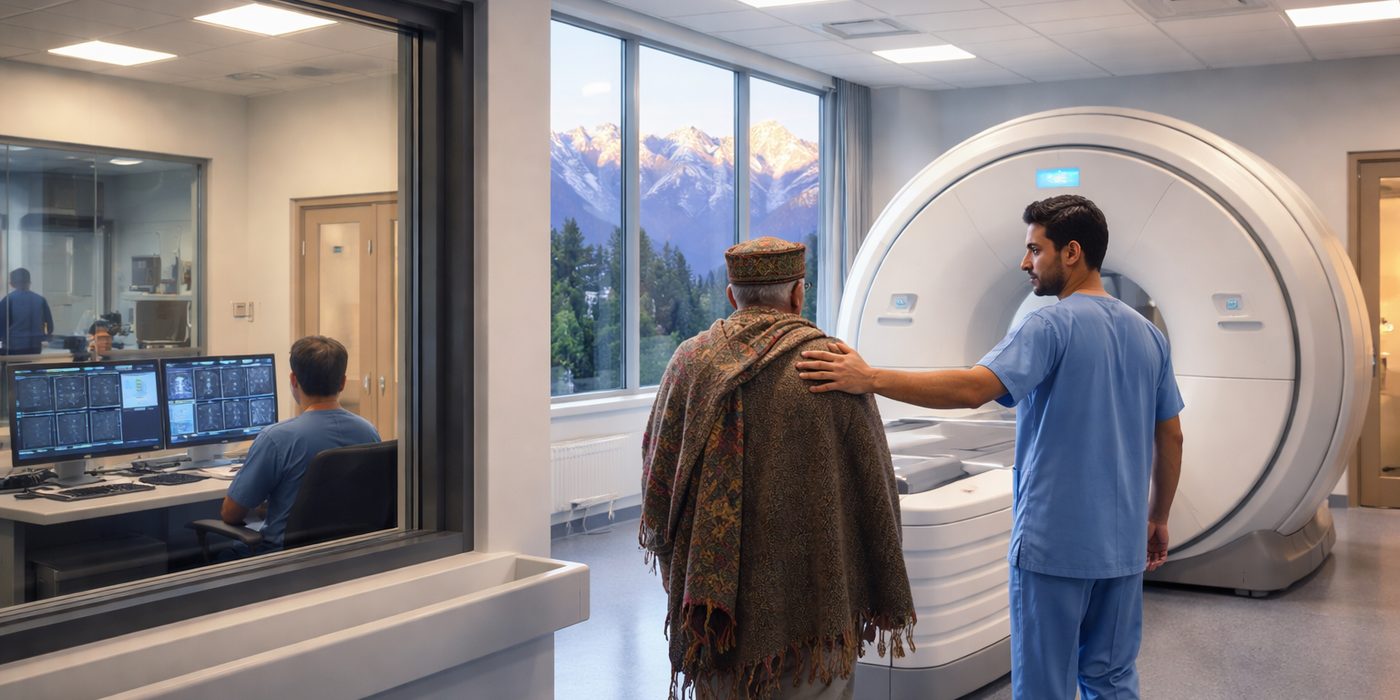

A robotic hysterectomy can look fully covered on paper and still send a patient home with a bill running into several lakh rupees. That gap, between what a policy nominally covers and what it actually pays, is the subject of a Business Standard analysis of how Indian health insurance treats robotic-assisted surgery, and it describes a friction point the surgical robotics industry has largely avoided discussing publicly. The mechanics are mundane but costly. Sub-limits cap what an insurer will pay for a given procedure. Room-rent restrictions can trigger proportionate deductions across the entire claim. And the single-use instruments that robotic platforms require are often classed as non-payable consumables.
The problem traces back to how robotic surgery is priced. Systems such as Intuitive Surgical's da Vinci, the market leader for more than two decades, carry capital costs that hospitals recover through procedure charges, and each operation draws on disposable instruments and drapes that are replaced after a limited number of uses. A conventional laparoscopic procedure uses far fewer proprietary consumables. Insurers, working from claim histories built around open and laparoscopic surgery, frequently treat the robotic premium as an optional upgrade rather than a medically necessary cost. Policyholders discover this at the point of discharge, when the claim is settled at the rate for the cheaper procedure and the difference lands on them.
The specifics vary by insurer and by plan, which is precisely what makes the situation hard to navigate. Some policies cover robotic surgery under the same heading as other surgical procedures, with no separate limit. Others impose explicit sub-limits or exclude the robotic component altogether. Pre-existing condition waiting periods, co-payment clauses and cashless network restrictions add further layers. The practical advice the analysis offers is blunt: read the policy wording for robotic-assisted procedures before surgery, ask the hospital for an itemised estimate that separates the robotic charges, and seek pre-authorisation in writing. Patients who skip those steps carry the risk themselves, and the people best placed to warn them, surgeons and hospital billing teams, have little incentive to raise the issue unprompted.
For engineers and investors, the lesson is that reimbursement now shapes the addressable market as much as technology does. Hospitals in India's private sector have bought robotic systems partly to attract patients and referring surgeons, but utilisation depends on whether patients can afford the cases. If insurers continue to pay only the laparoscopic-equivalent rate, case volumes concentrate among self-paying and well-insured patients, which slows the procedure counts that justify a system's capital outlay. That dynamic also strengthens the position of lower-cost entrants, including domestic Indian platforms such as SS Innovations' SSi Mantra, whose pitch rests on bringing per-procedure costs down far enough that the coverage gap narrows. A cheaper robot does not fix a reimbursement policy, but it shrinks the amount left uncovered when the policy falls short. Clinical evidence is the other lever: insurers move on outcomes data, and shorter stays or fewer complications are the arguments that eventually move payment terms.
What to Watch
Track whether major Indian insurers publish explicit robotic-surgery clauses or revise sub-limits in policy renewals through early 2027, since written coverage terms are the clearest signal of where reimbursement is heading. Watch hospital chains' disclosures of robotic case volumes and average billing per procedure, which show whether the coverage gap is suppressing utilisation. Follow SS Innovations' installation counts and pricing for the SSi Mantra against Intuitive Surgical's India placements to see whether lower-cost platforms change what patients end up paying. Finally, monitor any regulator or insurance ombudsman guidance on consumables classification, because a ruling on disposable instruments would reshape claim settlements overnight.