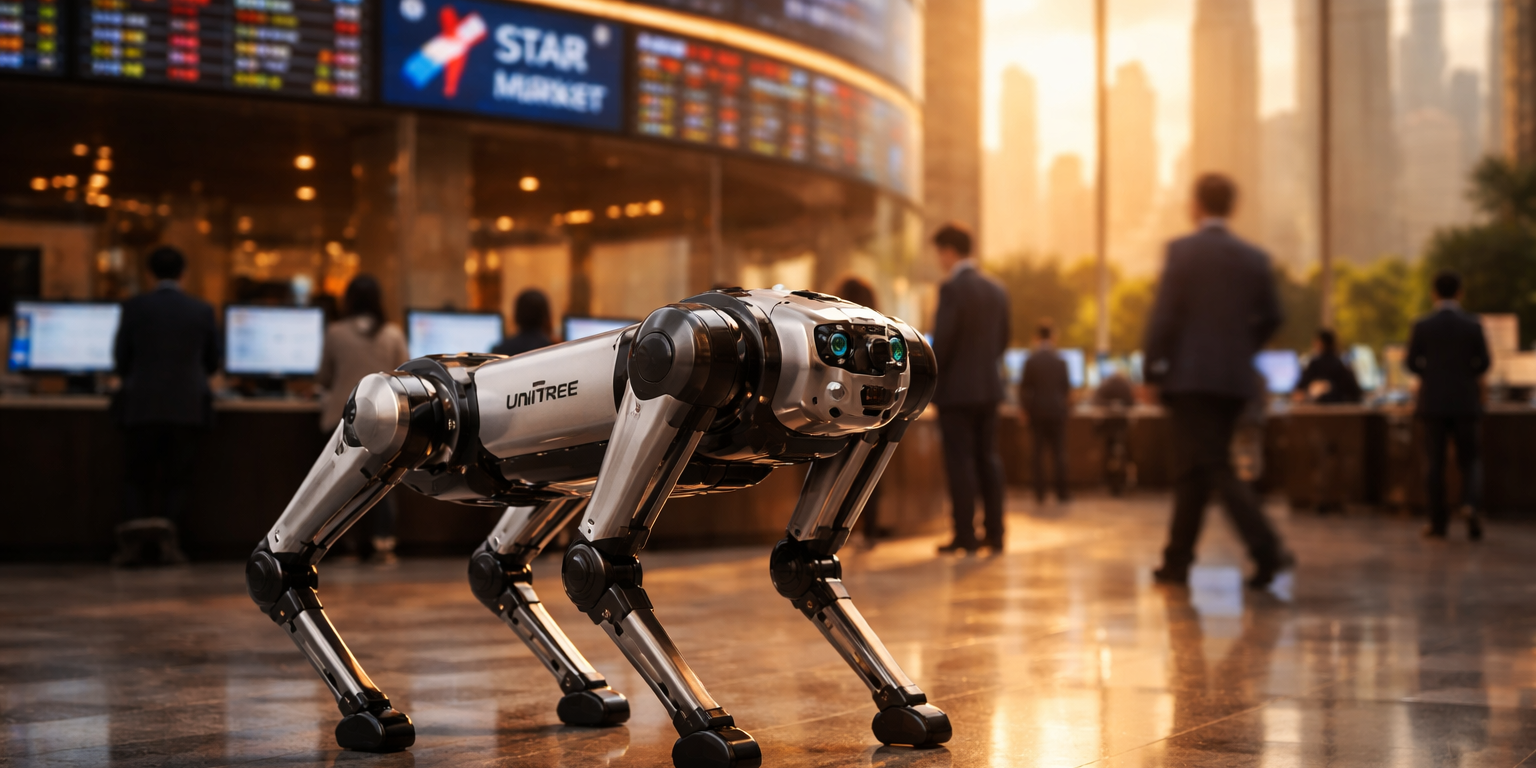
Hangzhou-based Unitree Robotics secured registration approval from China Securities Regulatory Commission on July 1 for a listing on Shanghai's STAR Market, the science and technology innovation board established to fund domestic tech companies competing with Western counterparts. The company's prospectus targets RMB 4.2 billion (approximately $580 million at current exchange rates) in gross proceeds, capital earmarked for scaling manufacturing capacity and expanding its robotics portfolio beyond the quadruped platforms that established its reputation. The approval clears a critical regulatory milestone but leaves pricing, subscription windows, and the actual trading debut unscheduled—details that typically emerge within 30 to 60 days of CSRC clearance based on recent STAR Market patterns.
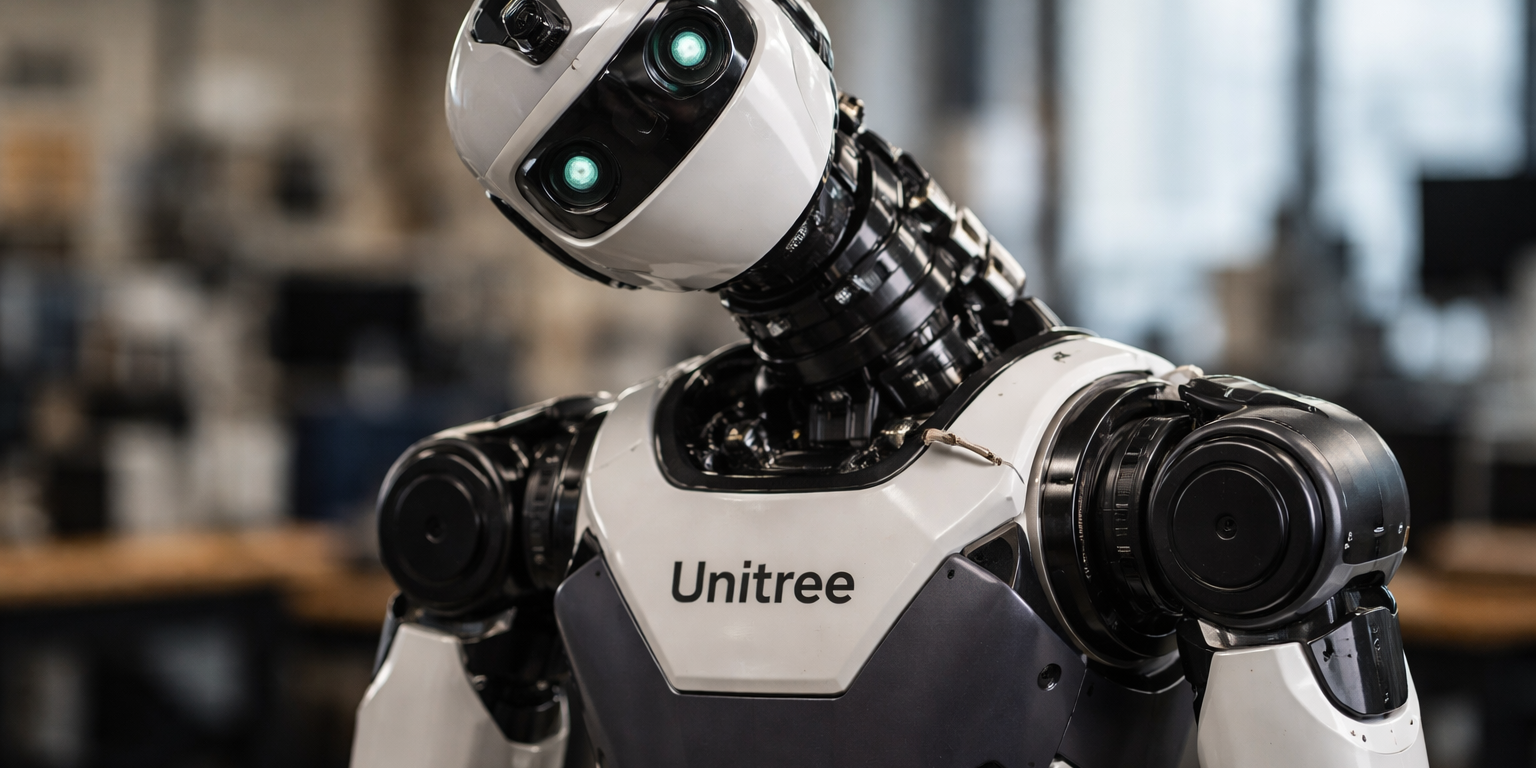
Unitree has emerged as one of the most commercially aggressive robotics manufacturers globally, undercutting Boston Dynamics and other established players on price while maintaining feature parity in mobility and sensor integration. The company's Go2 quadruped retails for $1,600 in base configuration, roughly one-tenth the cost of comparable platforms, a pricing strategy enabled by vertical integration across motors, controllers, and vision systems. In late 2025, Unitree began shipping its G1 humanoid robot at $16,000 per unit for the educational and research edition, drawing immediate comparisons to Figure AI's pricing structure and Tesla's ambitions with Optimus. Manufacturing capacity currently sits at approximately 10,000 units annually across both quadruped and humanoid lines, a figure the IPO proceeds are expected to expand significantly. The company has not disclosed production allocation between product families, but industry observers note quadrupeds still constitute the revenue majority given longer market presence and deployment across logistics, inspection, and public safety applications.
The STAR Market listing aligns with Beijing's strategic push to cultivate domestic robotics champions capable of matching or exceeding Western technological benchmarks while maintaining price advantages. Unitree competes directly with firms like Agility Robotics, Boston Dynamics, and Figure AI in international markets, but benefits domestically from procurement preferences and subsidy structures favoring Chinese manufacturers. The company's prospectus, filed earlier this year, revealed 2025 revenue of approximately RMB 890 million with a net margin of 18 percent, figures that position it as one of the few robotics hardware manufacturers operating profitably at scale. Research and development expenditures represented 22 percent of revenue, concentrated in actuator torque density improvements, reinforcement learning frameworks for bipedal locomotion, and vision-language model integration for task execution. Unitree has also filed more than 230 patents related to joint design, force control algorithms, and humanoid balance recovery, intellectual property that will likely factor into valuation discussions as the offering nears.
The timing carries significance beyond Unitree's individual ambitions. Three other Chinese robotics firms—two focused on collaborative industrial arms, one on autonomous mobile robots for warehousing—have filed for STAR Market listings in the past eight months, signaling investor appetite for robotics exposure despite broader market volatility. Valuations for these companies have centered on revenue multiples between 6x and 9x, reflecting optimism about manufacturing automation demand and the strategic importance Beijing assigns to robotics self-sufficiency. Unitree's inclusion of both commercial quadrupeds and humanoids in its portfolio may command a premium given the latter's perceived applicability to labor shortage mitigation in manufacturing and elder care, two areas where Chinese policy has explicitly encouraged robotic solutions. The company's international sales—approximately 35 percent of revenue originates outside China, primarily in North America and Europe—also differentiates it from competitors with predominantly domestic customer bases. Whether foreign institutional investors can access STAR Market shares through connect programs will influence liquidity and price discovery, a question that remains unresolved for several recent tech listings.
What to Watch: Monitor for Unitree's announcement of the final offering price and subscription date, typically disclosed 10 to 15 business days before trading begins. Track whether the company adjusts its proposed raise amount based on investor feedback during roadshow presentations, a common occurrence that signals demand strength or weakness. Observe competitor responses from Agility Robotics and Figure AI, both of which have hinted at their own capital raises in late 2026. Finally, watch for disclosure of Unitree's production allocation plans—specifically, how much of the RMB 4.2 billion flows toward humanoid versus quadruped capacity, as this reveals management's confidence in market readiness for each form factor.