Net profit at Roborock grew faster than revenue in the first half of 2026, a rare outcome in consumer robotics that signals improving unit economics as the company scales. The Beijing manufacturer reported net income attributable to shareholders rose 45% while revenue climbed 27.6% to RMB 10.084 billion in the six months ended June 30. That margin expansion comes as Roborock navigates component cost pressures and increased competition in both its home Chinese market and abroad. The profit acceleration suggests the company is extracting better pricing power from new product lines or achieving operational leverage from its manufacturing footprint.
Roborock built its business on robotic vacuum cleaners, launching its first model in 2016 under a white-label partnership with Xiaomi before establishing its own brand identity in 2017. The company went public on Shanghai's STAR Market in February 2020 and has since diversified into wet-dry vacuum systems, handheld cleaners, and washing machines. That product expansion has coincided with aggressive geographic growth. International markets now account for more than half of Roborock's revenue, with Europe representing the largest overseas region. The company operates research facilities in Beijing, Shenzhen, and Shanghai, with manufacturing concentrated in China through contract partners. Its engineering team numbers over 800, focused primarily on navigation algorithms, sensor fusion, and battery management systems that differentiate premium robotic cleaners from budget competitors.
The first-half results reflect broader momentum in the home robotics sector, where unit shipments have climbed as prices fall and performance improves. Global sales of robotic vacuum cleaners reached approximately 23 million units in 2025, according to industry estimates, with Roborock, iRobot, Ecovacs, and Shark capturing the majority of revenue in premium segments. Roborock's average selling price typically runs higher than mass-market alternatives, targeting consumers willing to pay RMB 2,500 to RMB 5,000 for advanced obstacle avoidance, mapping precision, and multi-floor memory. The company's flagship S-series and Q-series models incorporate lidar and structured light sensors for room mapping, paired with AI-driven object recognition to avoid cables, pet waste, and other floor-level obstacles. Those capabilities require significant compute resources on-device, pushing Roborock toward custom ASIC development to manage power consumption while delivering real-time navigation decisions.
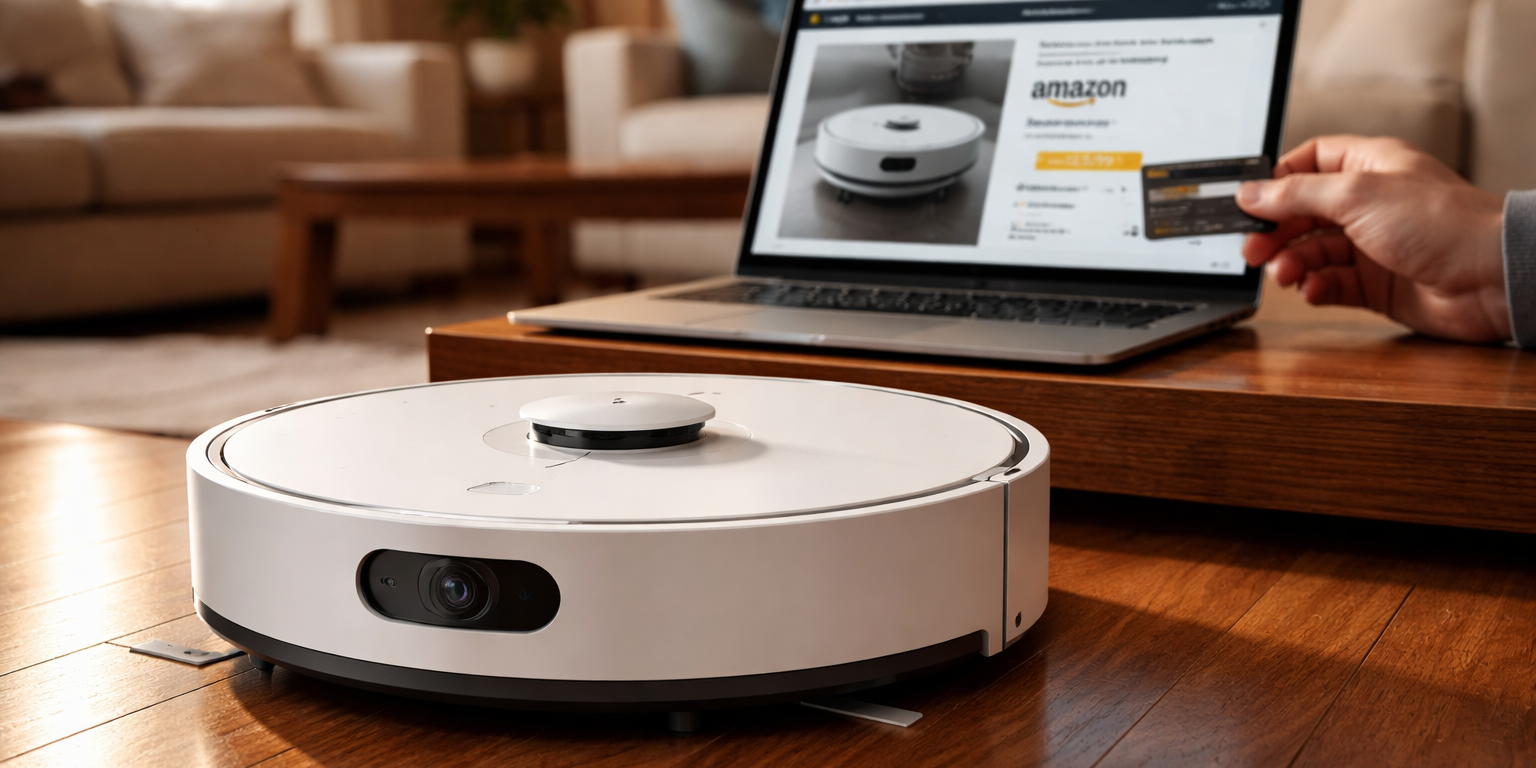
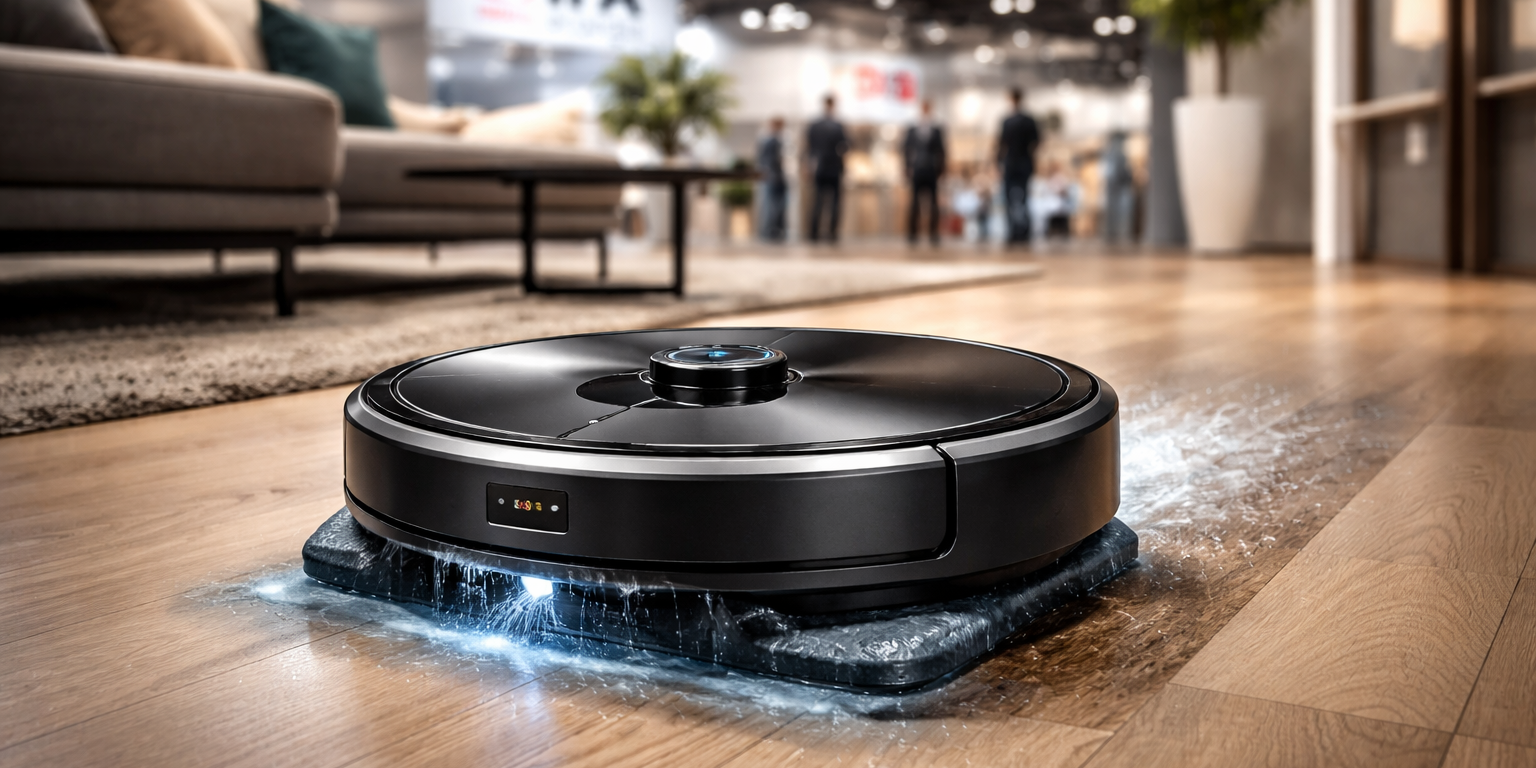
Competitive pressure in China remains intense, with Ecovacs, Dreame, and Midea all vying for market share through aggressive pricing and feature parity. Roborock has responded by emphasizing software differentiation and ecosystem integration, linking its devices to smart home platforms including Apple HomeKit, Amazon Alexa, and Google Home. The company has also moved upmarket, introducing models priced above RMB 6,000 that combine vacuuming with hot water mopping and self-cleaning dock stations. Those premium SKUs generate higher gross margins and appeal to affluent urban households in Tier 1 Chinese cities and Western Europe. International expansion has required localized go-to-market strategies. In the United States, Roborock sells primarily through Amazon and its own e-commerce site, avoiding the retail overhead that has burdened competitors like iRobot. In Europe, the company has built distribution partnerships with major electronics retailers while maintaining direct-to-consumer channels. The dual-channel approach allows Roborock to capture price-sensitive online shoppers while gaining shelf presence in physical stores where consumers often compare models side-by-side before purchase.
What to Watch: Roborock's full-year guidance and third-quarter earnings, expected in late October 2026, will show whether the company can sustain margin expansion into the back half as it enters peak holiday selling season. Monitor any announcements around U.S. tariff exposure or supply chain adjustments, particularly for lidar components sourced from specialized optics suppliers. Track new product launches at IFA 2027 in Berlin, where Roborock traditionally unveils flagship models ahead of the spring buying cycle. Watch for patent filings related to humanoid or mobile manipulation platforms, as several Chinese home robotics firms are exploring adjacent categories beyond floor care.