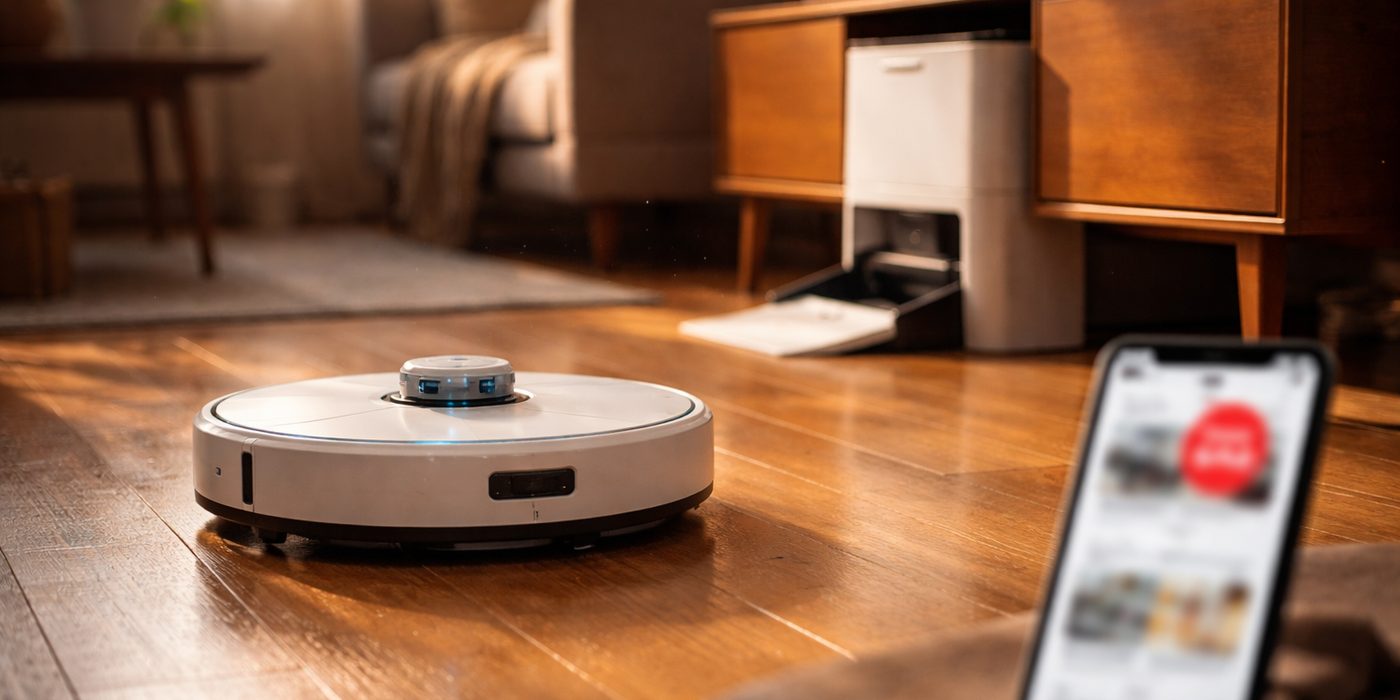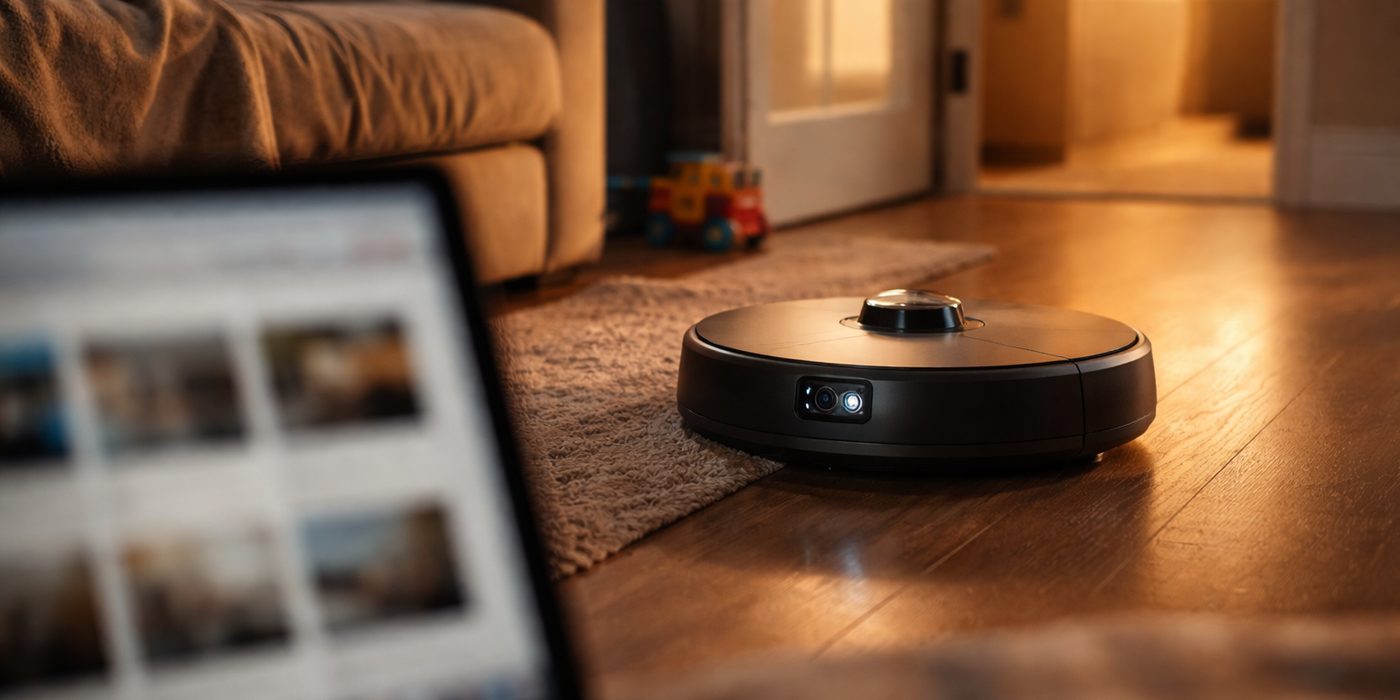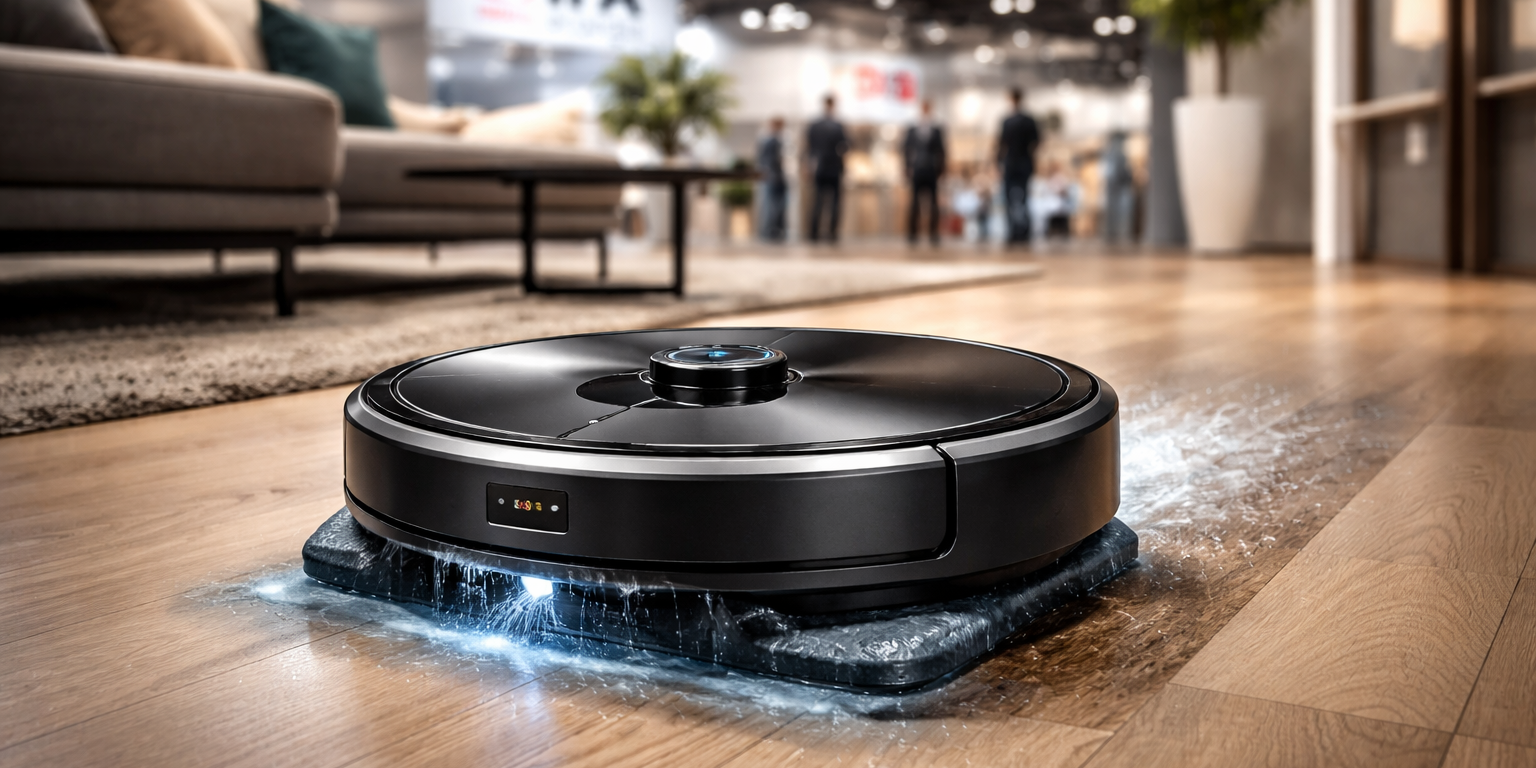
iRobot priced its new flagship robotic vacuum at $1,199, crossing the four-digit threshold for the first time in the company's consumer product lineup. The Roomba Max 875 Combo, announced at IFA 2026 in Berlin on September 2, combines vacuuming and mopping capabilities in what the company describes as its most powerful autonomous cleaning platform. The announcement arrives sixteen months after European regulators blocked Amazon's planned $1.7 billion takeover of iRobot, leaving the 34-year-old robotics firm to chart an independent path in an increasingly crowded market.
The Max 875 Combo represents a strategic bet on premium consumers willing to pay significantly more for advanced cleaning automation. iRobot also introduced the Roomba Plus 678 Combo at $899, positioning it below the flagship but above the company's base models that typically retail between $275 and $650. The dual launch suggests iRobot recognizes it cannot compete solely on price against Roborock, Ecovacs, and Dreame, all of which have expanded aggressively in North American and European markets over the past three years. Those Chinese manufacturers have compressed margins across the robotic vacuum category, with average selling prices dropping roughly 18 percent between 2023 and 2025 according to NPD Group data. By pushing upmarket, iRobot aims to defend margin rather than volume.
The company declined to specify technical improvements that justify the Max 875's premium over competing models from Roborock and Ecovacs that retail between $800 and $1,000. iRobot has historically emphasized software and navigation algorithms as differentiators, arguing its obstacle avoidance and room mapping capabilities outperform rivals despite comparable hardware specifications. Whether consumers perceive sufficient value at $1,199 remains an open question. The robotic vacuum market has matured considerably since iRobot introduced the original Roomba in 2002 at $200. Today's buyers expect mopping, self-emptying bins, and obstacle detection as standard features, not premium add-ons. The Max 875 enters a market where Roborock's S8 MaxV Ultra offers similar functionality at $1,600, establishing a ceiling that iRobot appears unwilling to test.
The Plus 678 Combo at $899 targets the volume segment where iRobot has hemorrhaged share. The company held approximately 28 percent of the U.S. robotic vacuum market in 2023, down from 45 percent in 2020, according to estimates from Omdia. Ecovacs and Roborock collectively captured most of those lost points, leveraging manufacturing scale in Shenzhen and Suzhou to undercut iRobot's Massachusetts-based production. iRobot still manufactures some components domestically, a decision that provides supply chain control but limits pricing flexibility. The Plus 678 likely aims to staunch share losses without triggering a margin-destroying race to the bottom. Whether iRobot can stabilize revenue while Chinese competitors continue iterating remains the central question for the company's 1,100 employees and its shareholders, who have watched the stock decline 62 percent since the Amazon deal collapsed in January 2025.
Both new models will ship in the fourth quarter of 2026, arriving in time for the critical holiday selling season that typically accounts for 40 percent of annual robotic vacuum sales. iRobot's performance during that period will signal whether its premium positioning can offset volume pressure. The company has not disclosed sales targets for either model, nor has it provided updated full-year guidance. Investors will watch third-quarter earnings, expected in late October, for early indicators of consumer reception. The broader question facing iRobot extends beyond two product launches: can a legacy robotics firm command premium pricing when manufacturing advantages have shifted to Asia and software improvements have become increasingly incremental across the industry?
What to Watch: iRobot's third-quarter earnings in late October 2026 will reveal early sales data for both Combo models and updated full-year guidance. Monitor pricing moves from Roborock and Ecovacs during the fourth quarter, particularly any promotions that undercut the Plus 678's $899 position. Track whether iRobot announces manufacturing partnerships or supply chain changes that could reduce production costs. Watch for CES 2027 announcements in January, where competing robotic vacuum makers typically unveil next-generation models that may challenge iRobot's technical claims.