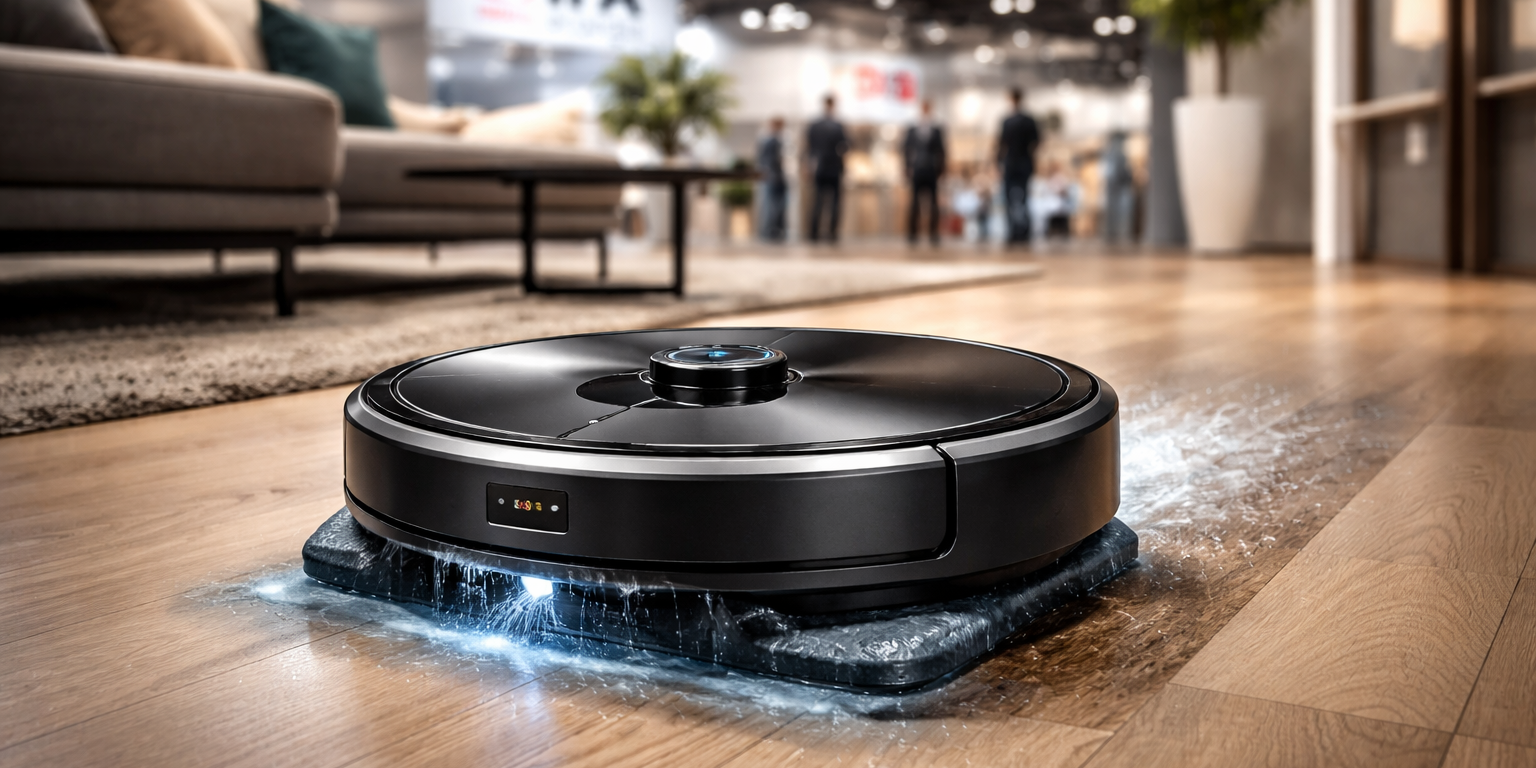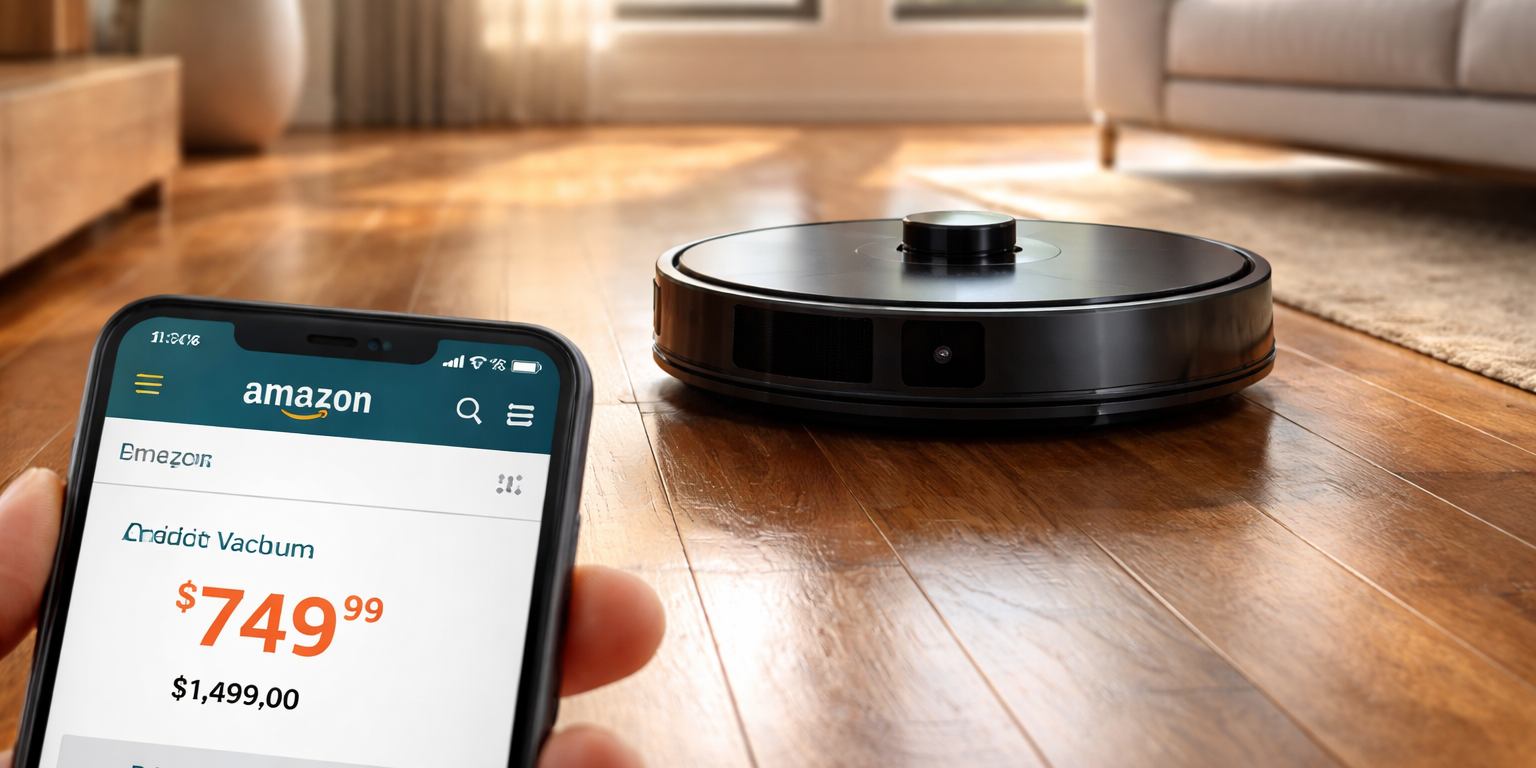

Forbes China released its first global home robotics brand ranking this week, naming ECOVACS the worldwide leader across four categories: robotic vacuums, mopping systems, lawn mowers, and window cleaners. The research, published ahead of IFA Berlin 2026, evaluated manufacturers on unit sales, regional distribution, patent portfolios, and customer retention metrics collected between January 2025 and June 2026. ECOVACS outscored competitors including iRobot, Roborock, and Dyson in aggregate performance, though Forbes China did not disclose raw sales figures or scoring methodology. The ranking arrives as home robotics revenue is projected to reach $28 billion globally by year-end, up from $19 billion in 2024, according to IDC estimates.
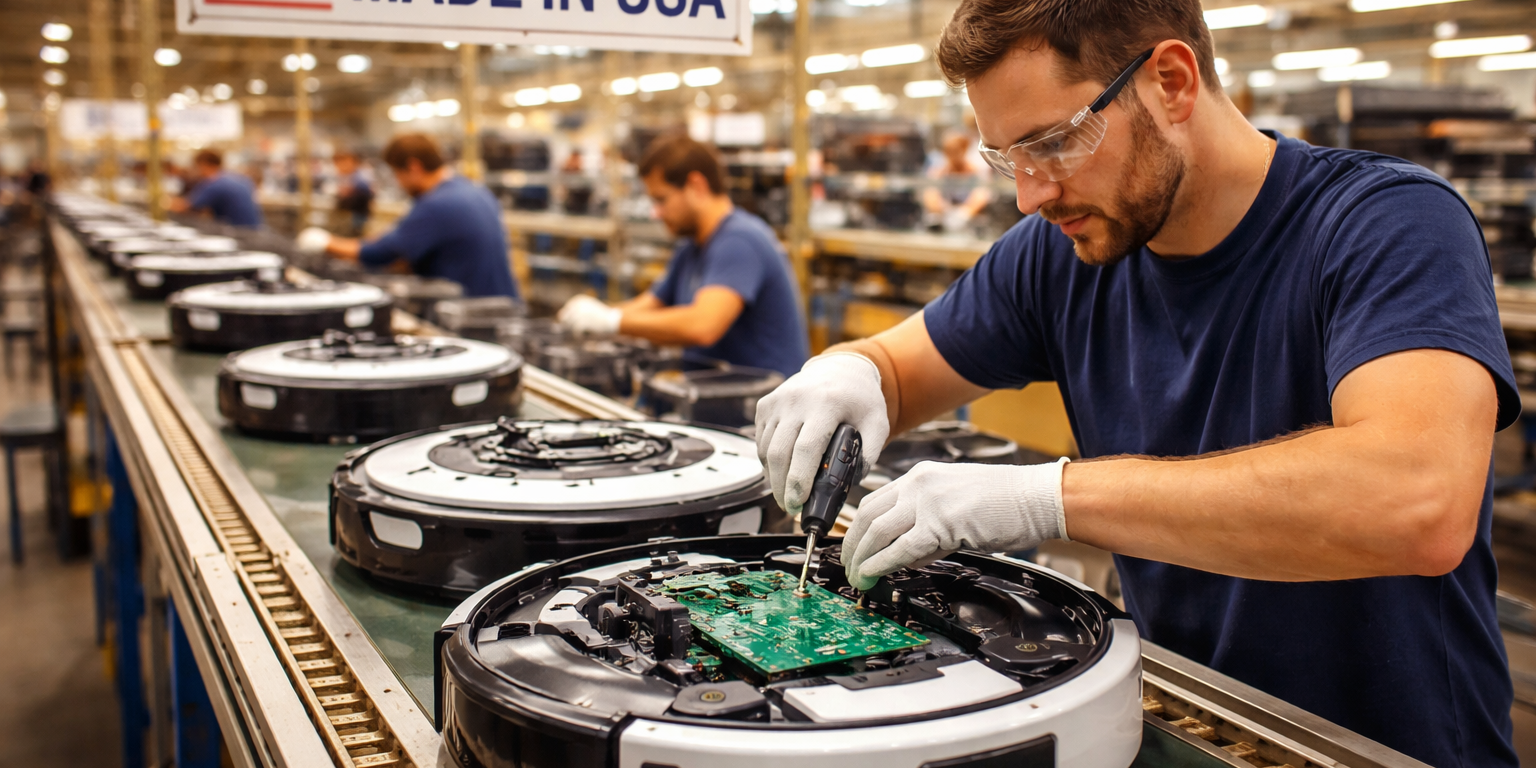
The company attributes its position to a deliberate shift away from third-party suppliers. ECOVACS began developing proprietary brushless motors in 2021, followed by ToF sensors and dToF lidar modules in 2023. By mid-2026, internal manufacturing covered 73% of critical components, including circuit boards, battery management systems, and SLAM processing units. That vertical integration reduced per-unit production costs by 18% between 2024 and 2026, according to financial disclosures filed with the Shenzhen Stock Exchange. Competitors like Roborock and Eufy still source motors from Nidec and lidar from Xiaomi supplier Roborock Technology, limiting their ability to customize sensor fusion algorithms or optimize power consumption at the hardware level. ECOVACS also operates final assembly lines in Suzhou, Changzhou, and a newly opened facility in Ho Chi Minh City that began production in March 2026, giving it faster turnaround on design changes and regional SKU variations. The Ho Chi Minh plant focuses on Southeast Asian and European markets, cutting shipping time from Jiangsu Province by an average of nine days.
At IFA Berlin, ECOVACS is demonstrating updated versions of its DEEBOT X8 Pro vacuum and WINBOT W2 Omni window cleaner, both released in late 2025 but now running firmware updates that improve obstacle recognition in low-light conditions. The X8 Pro uses a dual-laser system with 10-meter range and 1mm vertical resolution, allowing it to map floor transitions and avoid cables without physical contact. The W2 Omni, designed for high-rise residential and commercial buildings, applies variable suction based on glass thickness detected via ultrasonic sensors, a feature that reduces streaking on double-pane windows by 40% compared to fixed-pressure models. ECOVACS engineers added a secondary microfiber pad rotation mode in the firmware update, activated when the unit detects heavy soiling based on camera input and light reflectivity measurements. These incremental improvements reflect a broader trend among home robotics manufacturers: differentiation now happens in software tuning and sensor fusion rather than chassis design or suction wattage. Competitors are responding. Roborock announced a similar low-light navigation upgrade for its Q-series in August, while Dyson's 360 Vis Nav, shipping in October, will include a secondary infrared emitter for shadow detection.
The Forbes China ranking does not include commercial cleaning robots, a segment where ECOVACS has limited presence compared to Gaussian Robotics and Avidbots. It also excludes humanoid or mobile manipulation platforms, categories where startups like 1X Technologies and Agility Robotics dominate development. Still, home robotics represents the largest deployed base of autonomous mobile robots globally, with an estimated 47 million units sold in 2025 across all form factors. That installed base generates continuous data streams used to train perception models, a resource that large-scale manufacturers can leverage for new product categories. ECOVACS has filed 112 patents related to computer vision and path planning since January 2025, including applications for stair-climbing mechanisms and outdoor navigation under direct sunlight, both notoriously difficult environments for consumer robots. Whether those patents translate into shipping products remains uncertain, but the R&D investment signals intent to expand beyond flat indoor surfaces. The company has not announced plans for a humanoid platform or articulated arm attachment, two areas where competitors like Samsung and LG are conducting early-stage research.
What to Watch: ECOVACS is expected to report Q3 2026 earnings in late October, which will clarify whether the vertical integration strategy has improved gross margins beyond the 18% cost reduction already disclosed. Watch for updates on the Ho Chi Minh City facility's output capacity, particularly any announcements about doubling production lines before year-end. Also monitor patent filings related to outdoor navigation and stair climbing, as these would indicate the company's next hardware category. Finally, track whether Roborock or Dyson respond with their own in-house motor or sensor development programs, as a broader shift toward vertical integration would reshape supplier relationships across the home robotics supply chain.