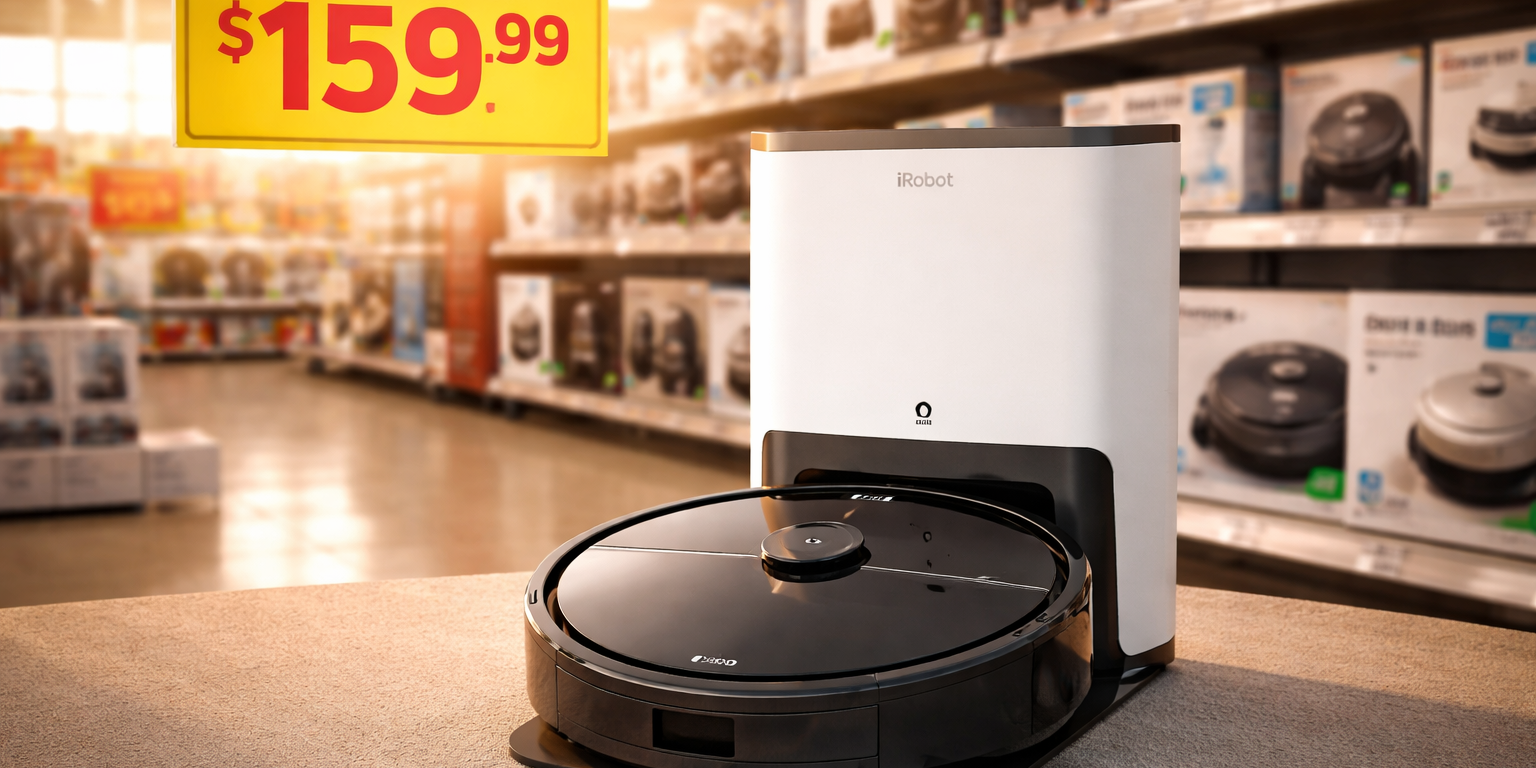
A Roborock QX Revo, a robot vacuum that arrived on the market with a flagship-tier price and a base station the size of a small appliance, is now available for $229.99 with free shipping from daily-deal retailer Meh. The catch is the word on the listing: refurbished. Buyers select their configuration from a dropdown at checkout, and the offer follows the single-item, limited-run model that has made Meh a reliable source of stock liquidation. For an industry that spent the last five years arguing that dock automation justifies a premium, a $230 price on the complete system is a data point worth reading closely.
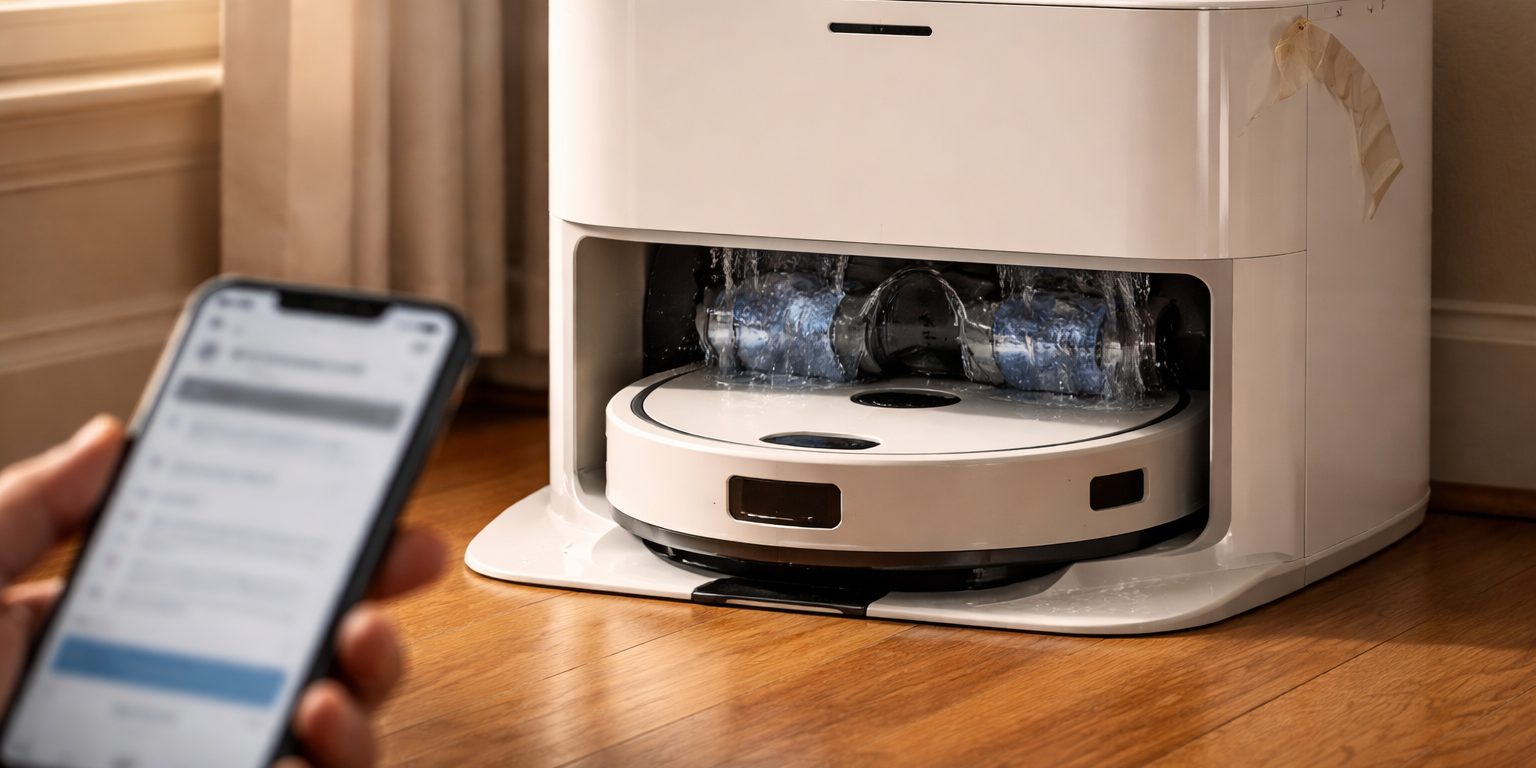
The QX Revo belongs to the generation of robots that turned the dock into the product. The vacuum itself handles navigation, suction and a spinning mop, but the base station does the work that used to require a human: it empties the dustbin, scrubs and rinses the mop pads, dries them with warm air, and refills the onboard water tank. Roborock pitched the pairing as a way to push maintenance intervals from days to weeks. That promise is the real selling point, and it is also the source of the product's complexity, since every pump, valve and heating element in that dock is a potential failure point that refurbishment has to address.
Refurbished pricing on connected hardware has become its own market signal, and the QX Revo deal fits the pattern. Consumer robotics has an unusual depreciation curve. A new unit launches near $1,000 or more, discounts steadily as successor models arrive, and then collapses once returns, open-box inventory and manufacturer-certified stock hit secondary channels. Roborock, which competes with iRobot, Ecovacs, Dreame and Narwal, has released a rapid cadence of dock-equipped models, and each new generation pushes the previous one into clearance territory faster than shoppers expect. The refurbished tier is where that churn becomes visible to buyers, and $229.99 for a full dock system sits well below what many entry-level robots without any dock cost new.
For engineers and investors, the interesting question is not the discount but what sits behind it. Refurbished volume is a lagging indicator of sell-through, return rates and product durability, and a steady flow of dock-equipped units into the secondary market suggests both healthy first-wave adoption and meaningful churn. It also pressures the economics of the category. If a certified refurbished flagship costs less than a new midrange robot, manufacturers face a harder case for premium pricing on current models, and the secondary market starts to function as a de facto price ceiling. Service and parts availability matter here too, because a refurbished robot is only a good deal if the consumables, replacement pads and dock components remain obtainable for years. Roborock has built a reasonably deep accessory ecosystem, which is a quiet competitive advantage when buyers weigh refurbished risk.
Who refurbished the units, and under what warranty terms, will decide whether this is a bargain or a gamble, and the deal listing itself leaves those details to the product page. Buyers should confirm the warranty length, whether the refurbishment was performed by Roborock or a third party, and what the return window looks like, since a dock with a failed water pump is a poor trade at any price. The broader takeaway for the industry is that automation hardware is aging into a mature, tiered market. The same pattern that played out with smartphones and laptops is now arriving in home robotics, and the companies that manage their residual values, through certified programs and reliable parts supply, will protect their brands better than those that let liquidators set the narrative.
What to Watch
Track how Roborock prices its next dock-equipped refresh through the 2026 holiday shopping window, since new launches typically push prior-generation units into deeper clearance within weeks. Watch whether Meh restocks the QX Revo or whether other liquidators such as Woot and manufacturer outlet stores list comparable refurbished docks at similar price points before the end of the year. Monitor the Black Friday and Cyber Monday pricing from Dreame, Narwal and Ecovacs to see whether refurbished flagships continue to undercut new midrange models. Finally, keep an eye on warranty and parts-availability policies as certified refurbished programs expand, because those terms will determine whether secondary-market robotics becomes a durable channel or a source of support headaches.