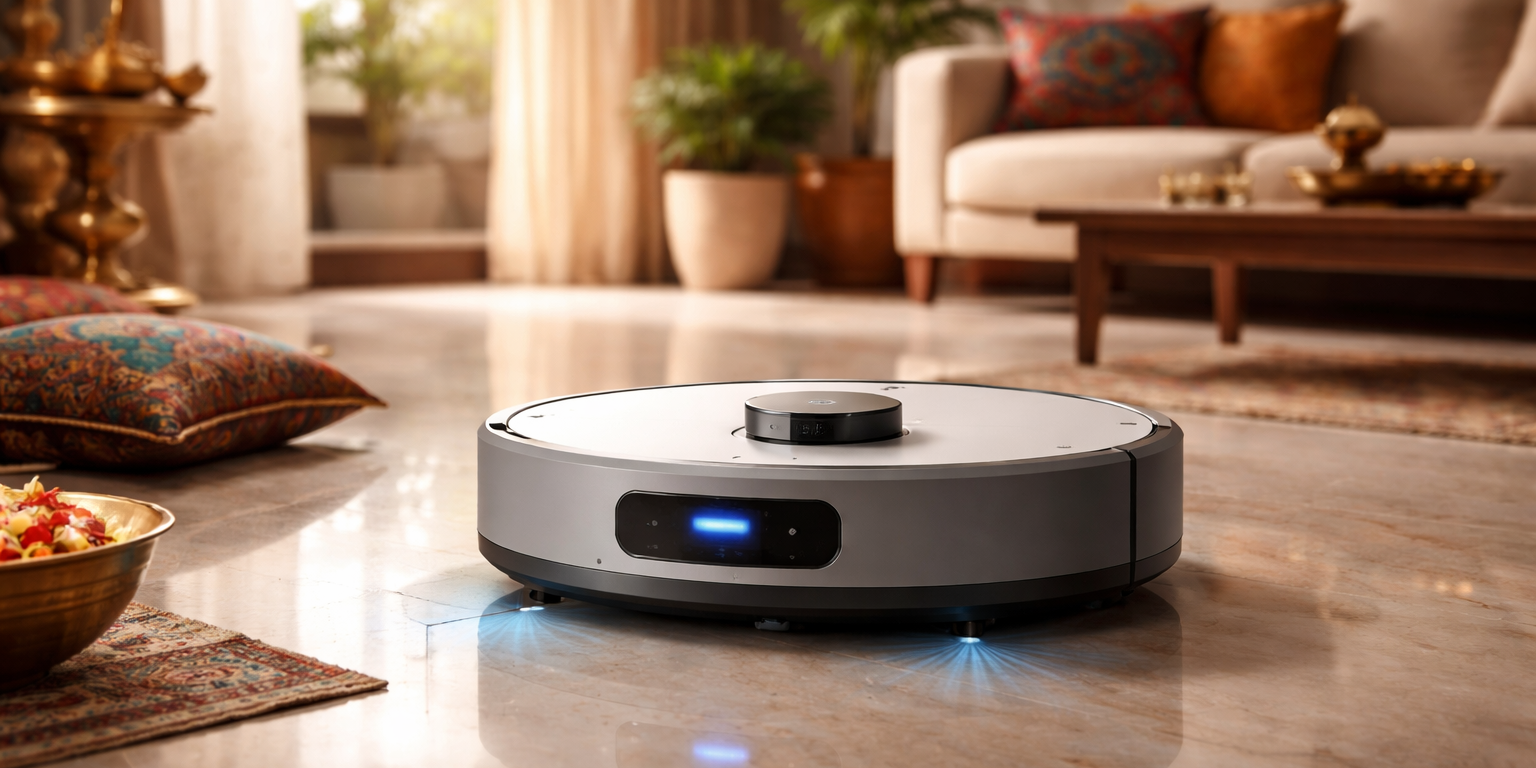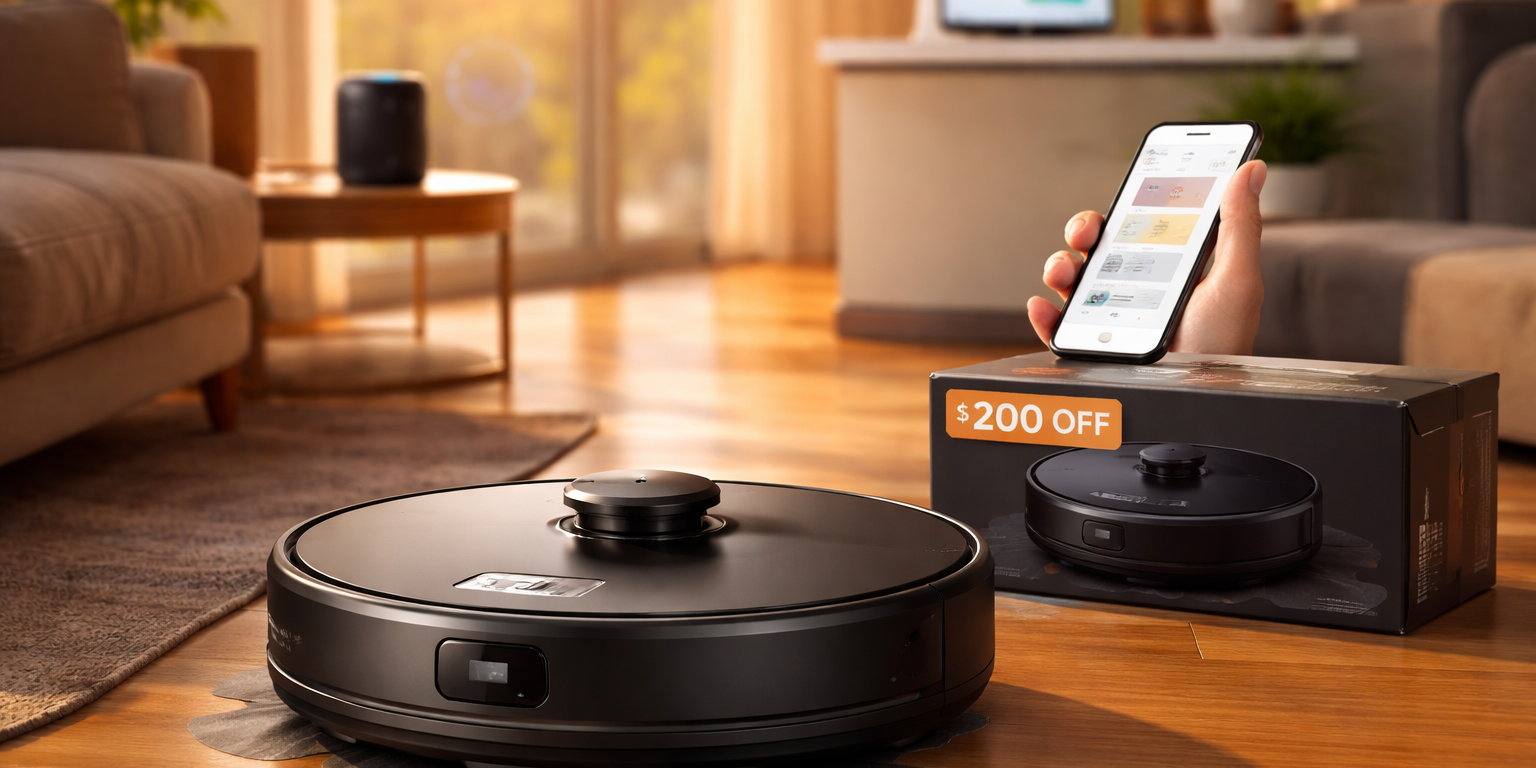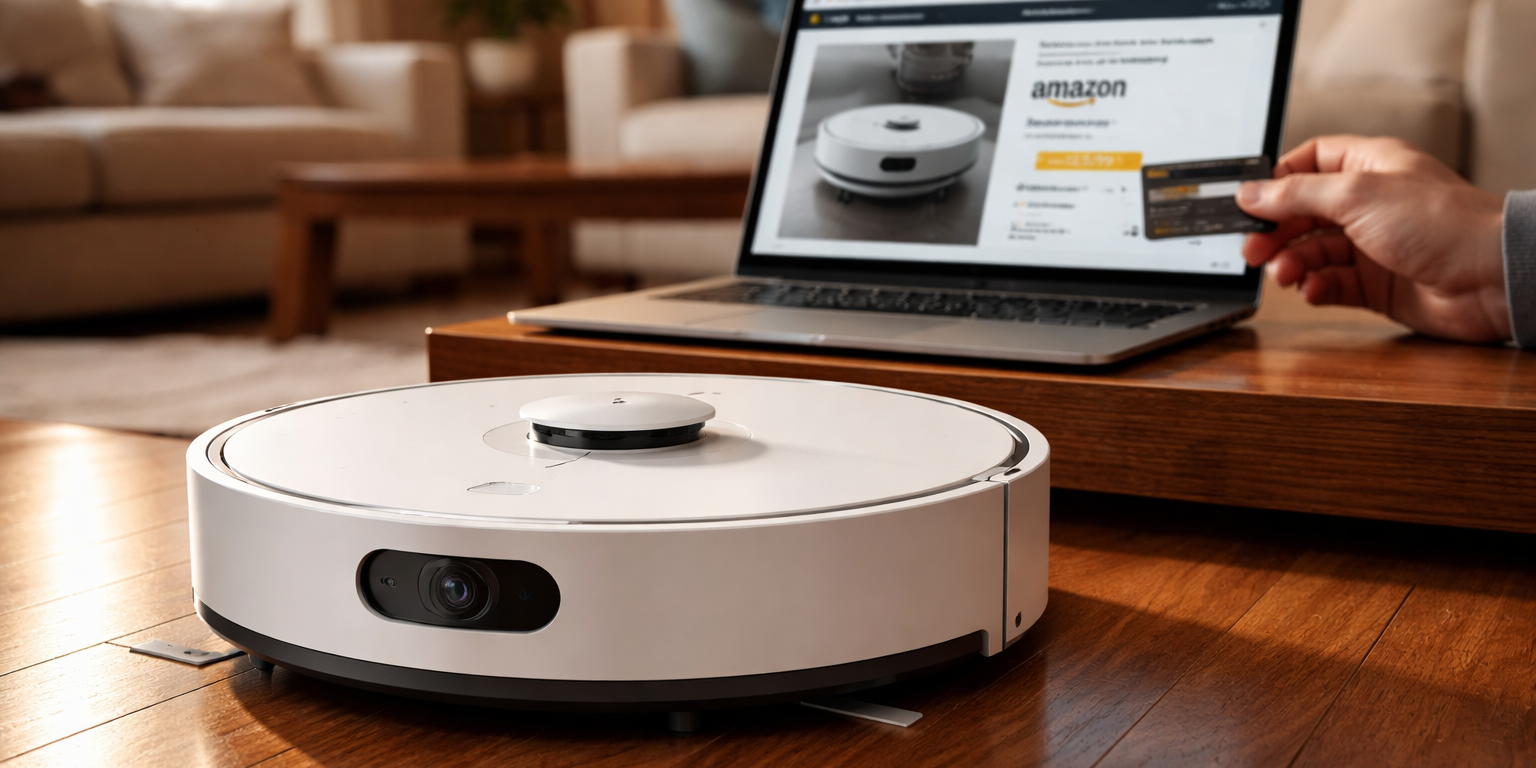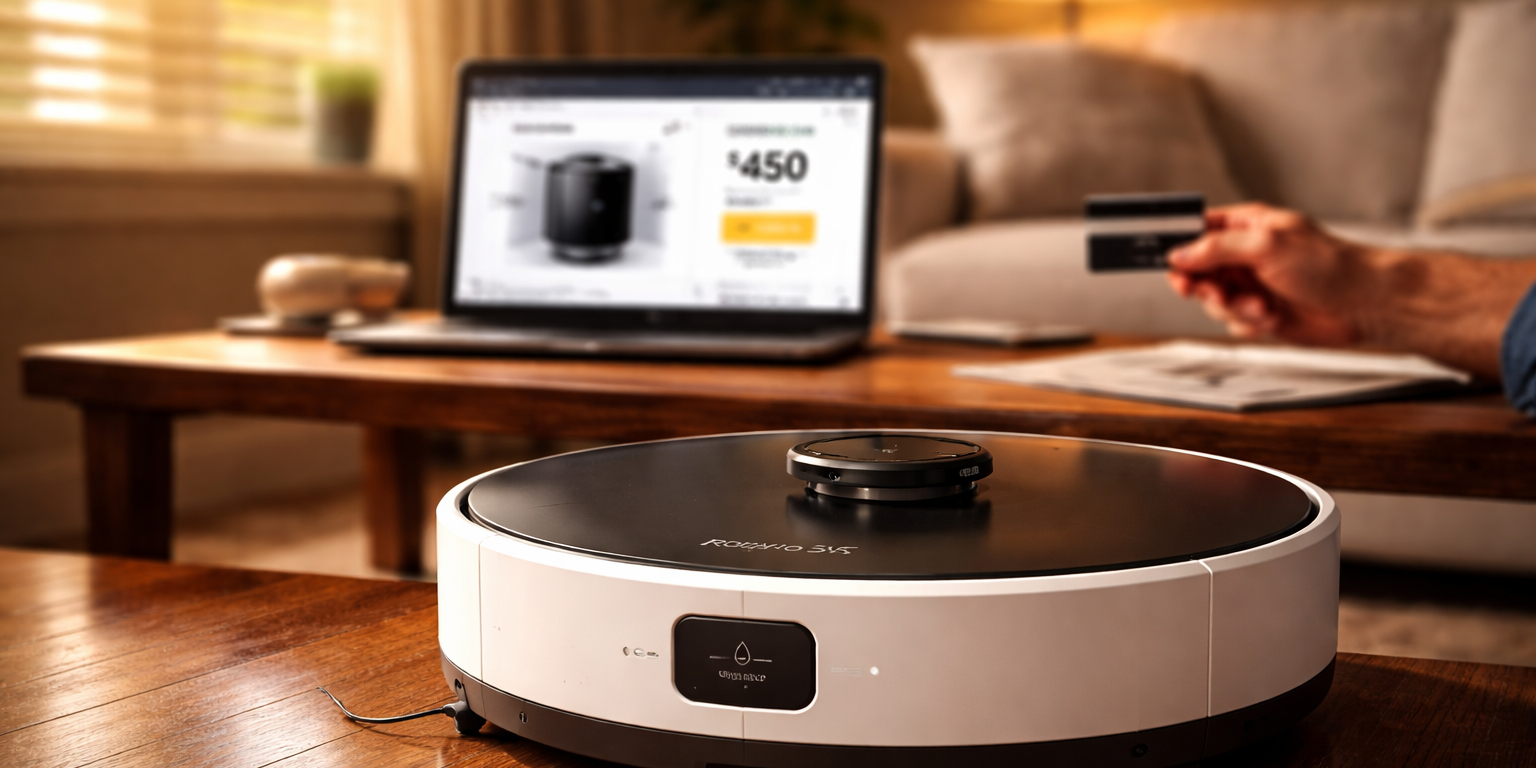
A flagship robot vacuum from Roborock now sells for $450, exactly half its original $900 price point, marking one of the steepest discounts yet seen in the premium tier of autonomous floor-cleaning systems. The Qrevo S5V, which combines vacuuming and mopping functions with automated waste disposal and mop-cleaning capabilities, represents a significant data point in the ongoing price compression across consumer robotics. The discount, available through Amazon Prime with free shipping, places a previously premium-tier product within reach of the mass market segment that has historically purchased single-function robotic vacuums in the $200-$350 range.
The aggressive pricing comes as Chinese robotics manufacturers face mounting pressure to maintain volume in North American and European markets where consumer spending on discretionary home automation products has softened over the past eighteen months. Roborock, which went public on the Shanghai Stock Exchange in 2020 and has historically positioned itself as a premium alternative to iRobot's Roomba line, appears to be prioritizing market share retention over margin preservation. The company's decision to halve the price of a current-generation model rather than simply clearing inventory of older units suggests a strategic recalibration rather than a temporary promotional tactic. Industry analysts have noted that Roborock's parent company, Beijing Roborock Technology, reported a 12.3 percent year-over-year decline in international revenue in its most recent quarterly filing, with North American sales particularly soft.
The Qrevo S5V itself represents the technological maturity now standard in the $800-$1,200 segment of the market. Its auto-empty docking station holds up to seven weeks of debris, eliminating one of the primary friction points that has historically limited consumer adoption of robotic vacuums. The self-cleaning mop function addresses another common complaint: manually washing reusable mop pads after each cleaning cycle. The unit employs what Roborock describes as a dual-roller brush system with 5,500 pascals of suction pressure, comparable to mid-tier Dreame and Ecovacs models but below the 7,000-plus pascal figures now appearing in flagship units from competitors. Navigation relies on LiDAR mapping combined with obstacle detection cameras, a sensor fusion approach that has become table stakes in this product category. The mop lifting mechanism raises the pads by 10 millimeters when the unit transitions from hard floors to carpet, preventing cross-contamination but also highlighting the design compromises inherent in combination vacuum-mop systems compared to dedicated single-function units.
Beyond the immediate consumer appeal, the pricing move offers insights into the economics of manufacturing consumer robotics at scale in 2026. Component costs for LiDAR sensors, brushless DC motors, and lithium-ion battery packs have declined by 30 to 40 percent over the past three years, driven largely by oversupply in the electric vehicle component market and improvements in semiconductor packaging for motor controllers. Contract manufacturers in Guangdong and Jiangsu provinces have added significant capacity for robotic vacuum assembly, creating pricing leverage for brands willing to commit to high-volume orders. The result is a market where the bill-of-materials cost for a unit like the Qrevo S5V likely sits between $180 and $220, leaving substantial margin even at the discounted retail price after accounting for Amazon's referral fees, shipping costs, and channel partner cuts. What has changed is not the manufacturing economics but rather the customer acquisition cost required to convert browsers into buyers in an increasingly saturated market where most interested households already own at least one robotic vacuum.
What to Watch: Monitor whether iRobot responds with comparable discounts on its Roomba Combo j9 series before the third quarter earnings period in October 2026, which would signal a broader industry margin reset. Track Roborock's next earnings call in August for commentary on whether the company is prioritizing installed base growth to support future recurring revenue from consumables and accessories. Watch for similar deep discounts from Ecovacs, Dreame, and Eufy on current-generation models, which would confirm this is an industry-wide pricing correction rather than a Roborock-specific inventory issue. Pay attention to whether Roborock begins offering subscription services for replacement parts or extended warranties, a business model shift that would justify lower upfront hardware prices.