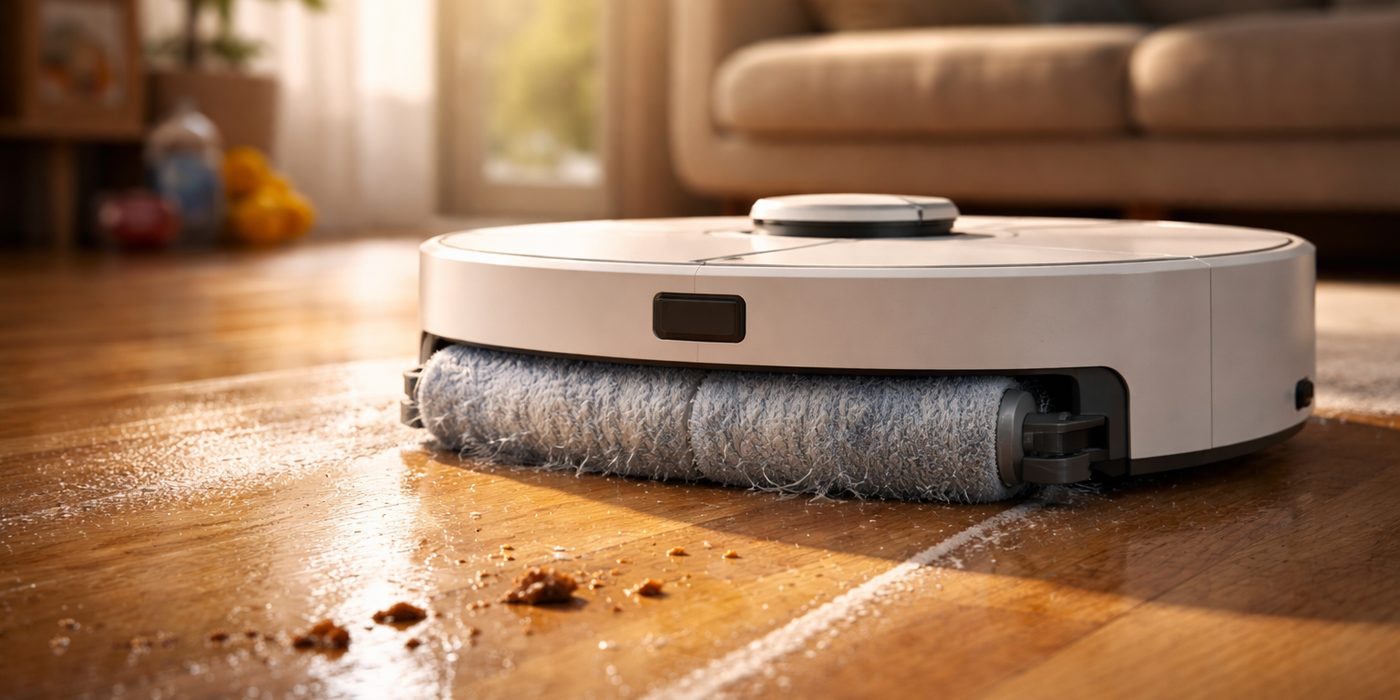
The most telling line in the BGR review is not about suction. It is about positioning. Roborock's Qrevo 2 Pro sits in the midrange on price, yet the reviewer treats it as a flagship in everything but sticker. That gap, between what a machine costs and what it can do, is the whole competitive game in robot vacuums now. A decade ago, a unit with strong suction, active mop lift and a self-emptying, self-washing dock would have commanded north of $1,000. Today it arrives in a bracket that mainstream households treat as an impulse-adjacent purchase.
How the category got here is a story about component economics. Roborock, the Beijing-based manufacturer that has spent years climbing the global shipment rankings, built its reputation on LiDAR navigation and aggressive suction ratings, and it has steadily pushed both down its product stack. The Qrevo line was designed as the volume play: a robot-plus-dock bundle that borrows engineering from the S-series flagships while trimming the costliest extras. Strong suction power, the review's headline hardware claim, is no longer exotic. Brushless motor suppliers have flooded the market, and Pascal ratings that once separated tiers have inflated across the board, which is why reviewers increasingly test real-world pickup rather than quoting spec sheets.
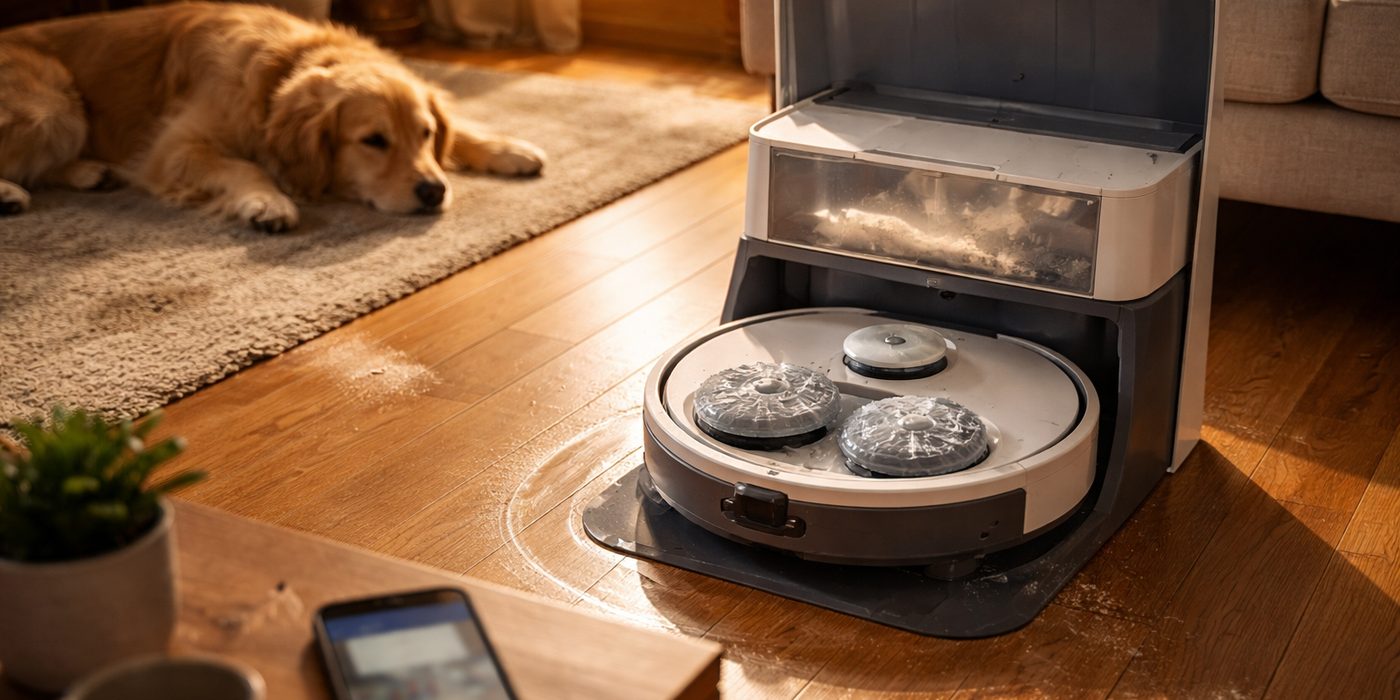
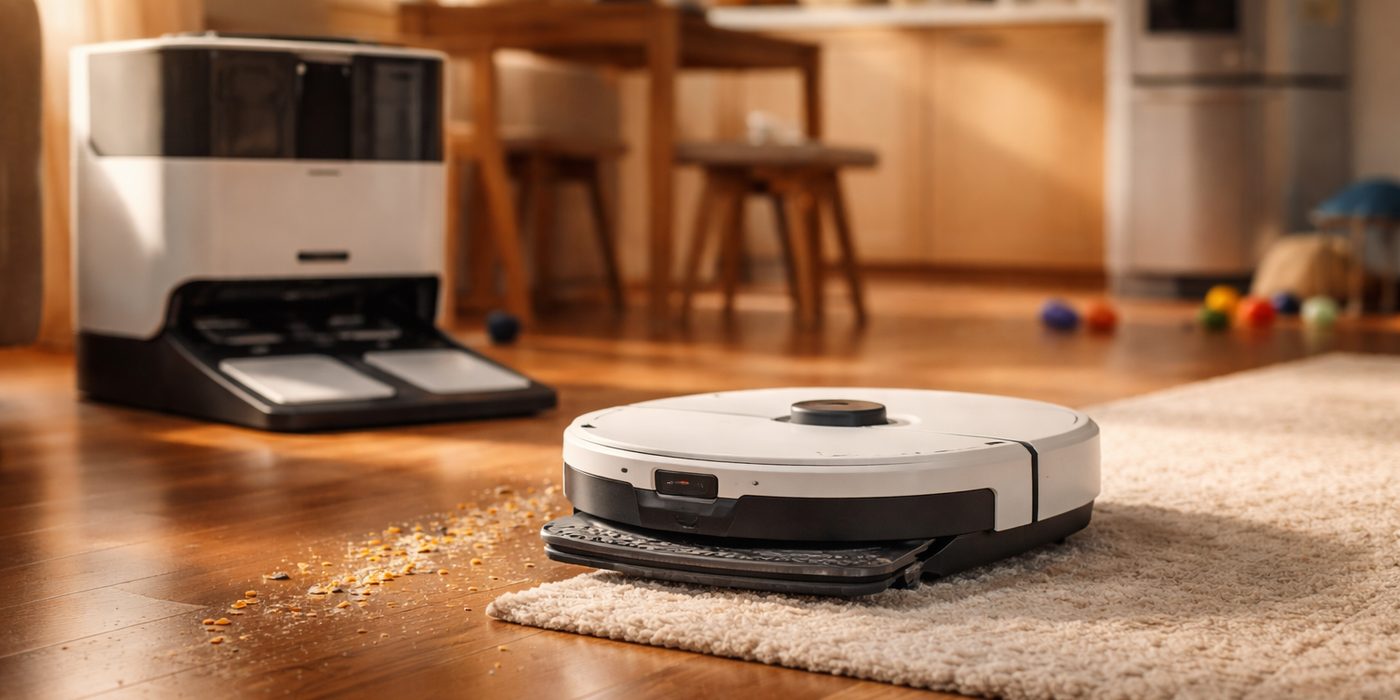
What separates a good midrange robot from a merely cheap one is the dock. The automation wrapped around the robot, including mop-pad washing, hot-air drying, dust bag handling and water management, is where the labor savings actually accrue to the owner, and it is where the bill of materials quietly balloons. Roborock's decision to put a full-function station in a midrange bundle is a margin bet. It assumes that scale, vertical integration of motors and sensors, and a mature supply chain in Guangdong and Jiangsu can absorb costs that Western competitors with thinner volumes cannot. For engineers, the interesting question is which subsystems Roborock chose to economize on, since that choice reveals where the company believes customers will not notice.
The broader implication is uncomfortable for incumbents. iRobot, the company that created the category, has spent the past two years navigating financial distress, a collapsed Amazon acquisition and a restructuring that left its pricing power badly eroded. Meanwhile Roborock, Ecovacs and Dreame are trading blows on feature parity at ever-lower price points, and the Qrevo 2 Pro is a clean example of the squeeze. When a midrange unit earns flagship language from a mainstream consumer outlet, the premium tier has to justify itself with something genuinely new: manipulator arms, stair climbing, or smarter object avoidance. That is precisely the direction Roborock is already signaling with its more experimental hardware.
For the robotics industry at large, household robots remain the only autonomous mobile platform shipping in true mass-market volume, measured in the tens of millions of units annually. That installed base is a data and supply-chain asset. Cost-down wins in this segment, in lidar modules, drive motors, batteries and edge compute, flow directly into adjacent categories such as lawn mowing, pool cleaning and light commercial cleaning. A midrange vacuum that performs like a flagship is not just a consumer story. It is evidence that the component ecosystem feeding humanoid and service-robot startups is getting cheaper and more reliable every quarter, and that the companies able to manufacture at this scale hold a structural advantage that venture-backed hardware firms will struggle to replicate.
What to Watch Track holiday-season pricing through November 2026, since Black Friday and Cyber Monday discounting will reveal how much margin Roborock is willing to sacrifice to defend share against Dreame and Ecovacs. Watch whether Roborock extends its manipulator-arm and stair-climbing hardware, previously shown on higher-end models, down toward the midrange in early 2027 product refreshes. Monitor iRobot's quarterly results and any new ownership or financing news, as its pricing posture will signal whether the legacy brand can still compete below $700. Finally, keep an eye on tariff and import-duty developments affecting Chinese-made consumer robots in the US market, which could erase the very price advantage reviewers are celebrating.