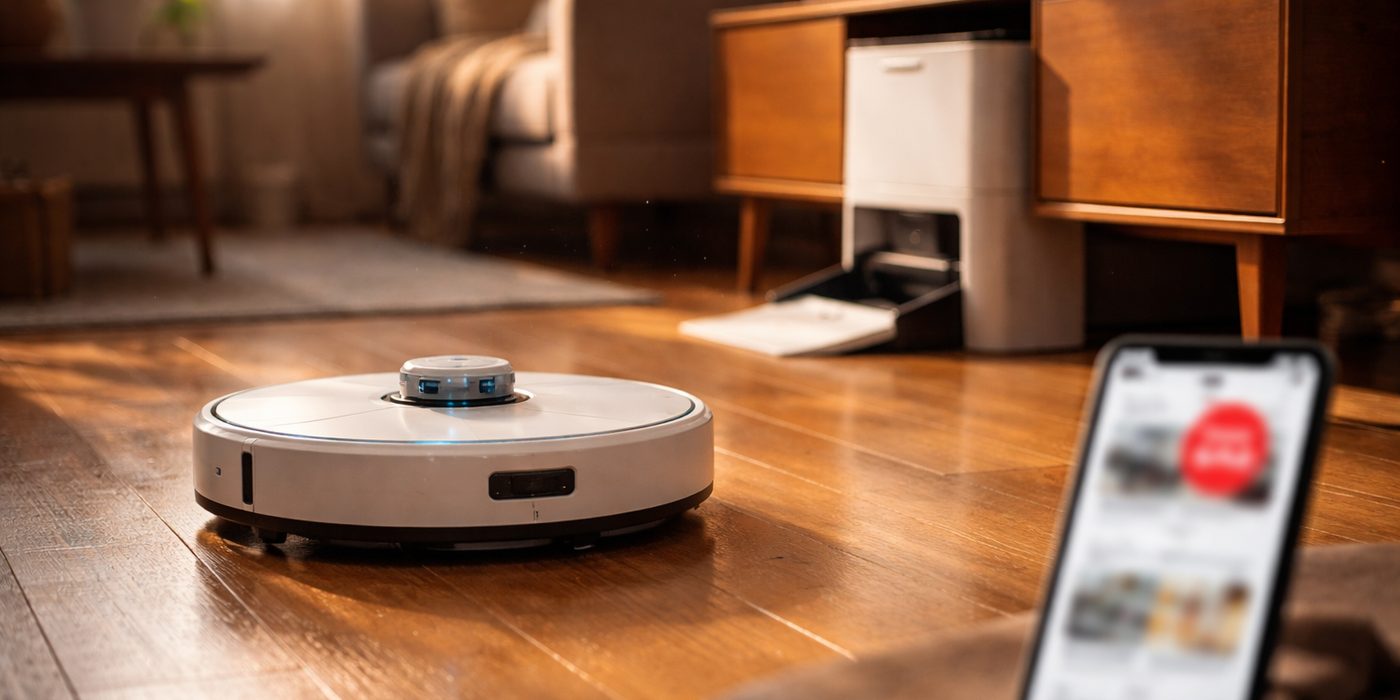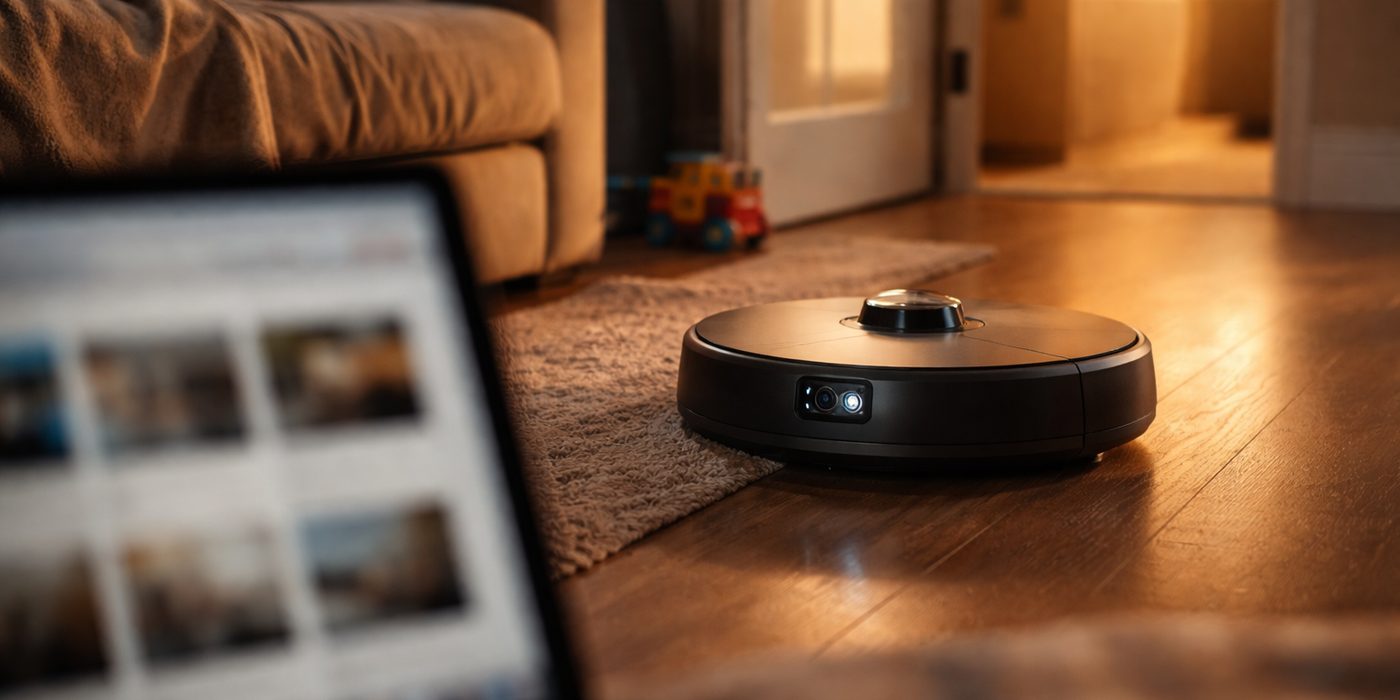
Three hundred dollars used to buy a robot vacuum that bumped around furniture and needed its bin emptied every few days. Today it buys the Roomba Plus 405 (G181), a dual-spinning-mop machine with a dock that washes and dries its own pads and holds roughly 75 days of debris before a human has to touch it. The deal, posted to Slickdeals at $299.99 and drawing early community attention, is a small item on its face. But the specification sheet attached to that price tag tells a larger story about how fast capabilities that were premium differentiators two product cycles ago have collapsed into the entry tier.
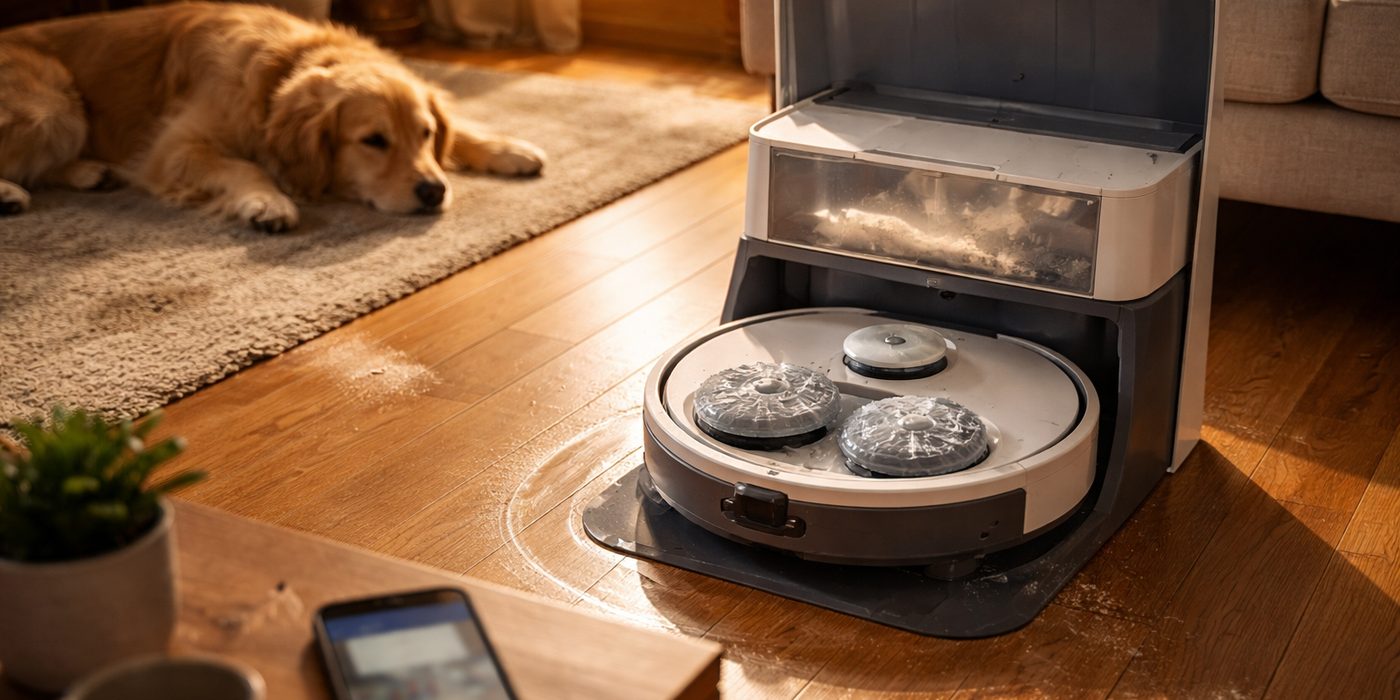
The G181 is built around a two-in-one architecture: a vacuum with intense suction and a pair of spinning mop pads, paired with an AutoWash dock that handles bin evacuation, pad cleaning, and drying. iRobot pitches fast mapping and pet-hair performance as headline features, and the 75-day self-empty interval is the number engineers should note. That figure depends on bag capacity and debris density in the dock, and it reflects a design philosophy of minimizing user touchpoints rather than maximizing cleaning pass count. Autonomous docks that wash mop pads were, not long ago, the exclusive province of $800-plus flagships from Roborock, Ecovacs, and Dreame. iRobot is now offering the same functional loop at a price that undercuts many of those machines' sale prices.
Context matters here, because iRobot's position in this market has changed dramatically. The company that created the category in 2002 spent the past several years under severe pressure from Chinese competitors that iterated faster on mopping hardware, obstacle avoidance, and dock design. Amazon's proposed acquisition collapsed in early 2024 under European regulatory scrutiny, leaving iRobot to restructure, cut staff, and renegotiate its manufacturing and debt arrangements. Its lineup since has emphasized getting competitive hardware into mid-priced SKUs rather than defending a premium brand halo. The Plus 405 fits that pattern: a product designed to be sold at volume, discounted aggressively by retailers, and judged on feature-per-dollar rather than brand prestige.
For robotics professionals, the interesting layer is what this reveals about commoditization. Wet-dry floor cleaning with automated pad maintenance is a nontrivial systems problem, involving fluid handling, heating or airflow for drying, pad detection, and floor-type logic that lifts mops over carpet. Delivering that integration at $299.99 implies either thin margins, heavy supplier leverage, or deliberate loss-leading to protect market share. Investors parsing iRobot's financials should care less about the Roomba's navigation and more about gross margin per unit at this price. If the dock and pad hardware can be built cheaply enough to sustain the discount, iRobot has found a cost structure that rivals its Asian competitors. If not, the deal is a clearance signal, and the company's path back to profitability gets steeper.
The broader implication extends past a single SKU. Consumer cleaning robots remain the only mass-market proof that domestic mobile autonomy can be sold at scale to non-technical buyers, and the price trajectory here will shape expectations for every adjacent category, from lawn robots to the early household humanoids now in development. Each time a feature migrates to a sub-$300 product, it resets what consumers consider baseline. Companies building more ambitious home robots will inherit that expectation: users who have grown accustomed to a machine that cleans, washes itself, and ignores them for two and a half months will not tolerate a hands-on learning curve from the next device.
What to Watch
Track whether the $299.99 price holds through the Black Friday window on November 27, 2026, and whether it drops lower; sustained sub-$300 pricing would confirm this as the new street price rather than a promotional dip. Watch iRobot's next quarterly earnings report for gross margin and unit-volume commentary tied to its mid-tier lineup. Compare competing AutoWash-style docks from Roborock and Dreame at similar price points through the holiday shopping period, since feature parity at this tier will determine who wins share. Finally, monitor retailer inventory signals and any firmware updates to the G181's mapping software, which will show whether iRobot is investing in the platform or simply moving units.