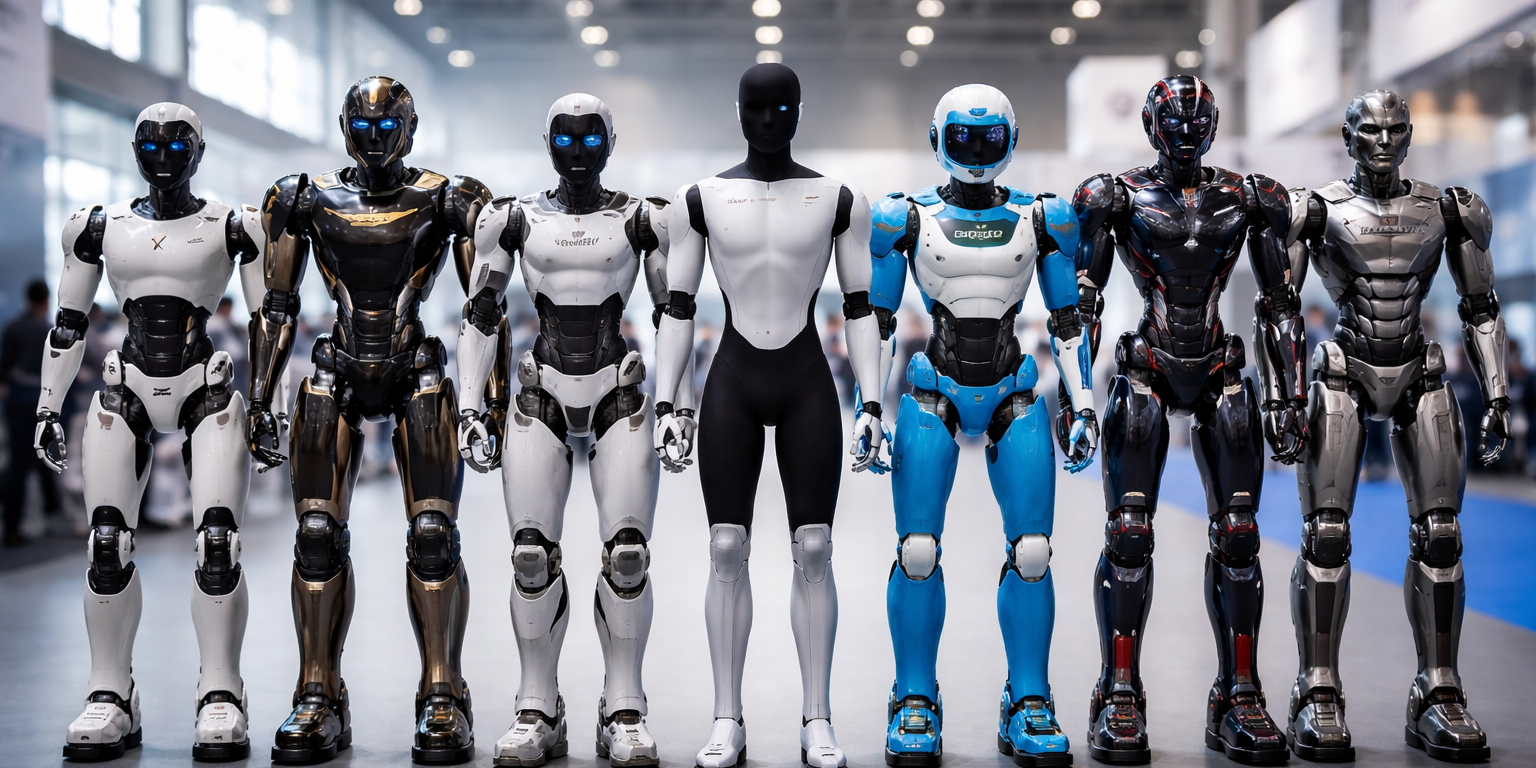
The Association for Advancing Automation will launch its first dedicated humanoid robotics pavilion at Automate 2026, with Richtech Robotics' DEX selected as a featured exhibitor at booth 2088. DEX will perform live demonstrations of precision carving operations, producing custom pendants for trade show attendees throughout the event. The pavilion designation marks a strategic shift for the trade organization, which historically grouped anthropomorphic robots within broader automation categories. Jeff Burnstein, president of A3, confirmed the pavilion responds to exhibitor demand that tripled year-over-year for humanoid-specific floor space.
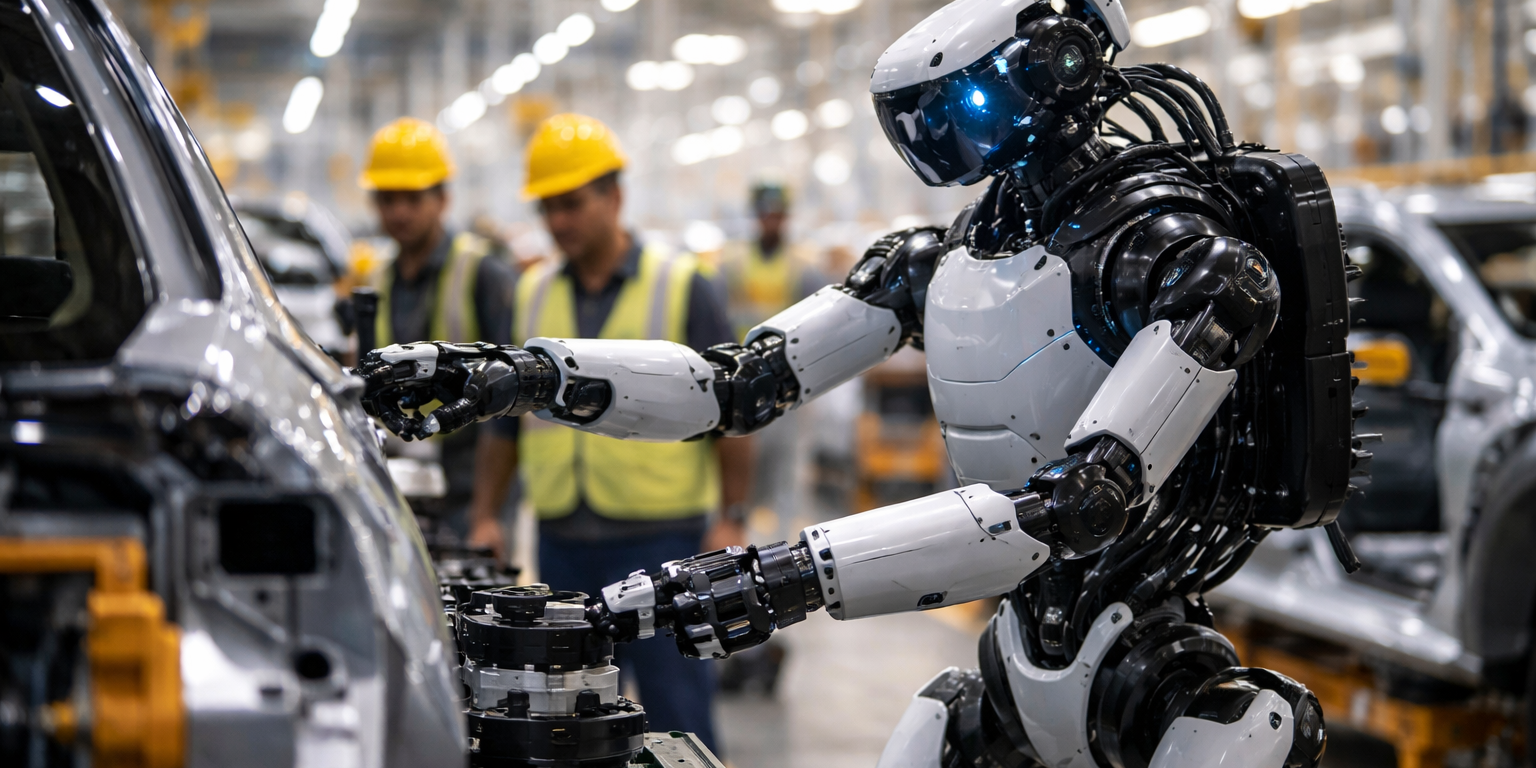
Richtech positions the demonstration as "The DEX Experience," centering on fine motor control rather than the payload capacity or walking speed metrics competitors emphasize. The pendant carving task requires sub-millimeter precision across variable materials, testing the kind of dexterity industrial buyers claim separates viable platforms from research prototypes. Richtech has deployed DEX units in food service environments since late 2024, where the robot handles plating, garnishing, and beverage preparation. The pendant demonstration applies those manipulation capabilities to harder materials, expanding the use case profile beyond soft goods. Matt Casner, Richtech's chief strategy officer, said the company targets manufacturers evaluating humanoids for assembly stations currently staffed by human workers performing detail work that resists conventional automation.
The Automate pavilion appears as capital flows into the humanoid sector at unprecedented velocity. Figure AI closed a $675 million Series B in February at a $2.6 billion valuation, with BMW and OpenAI listed among strategic investors. Agility Robotics opened a 70,000-square-foot manufacturing facility in Salem, Oregon, with stated capacity for 10,000 Digit units annually. Apptronik signed a commercial agreement with Mercedes-Benz to pilot Apollo robots in European assembly plants, with initial deployment scheduled for Q3 2026. Tesla continues development of Optimus, though production timelines remain speculative following Elon Musk's repeated projection adjustments. The proliferation of funded platforms creates competitive pressure on differentiation, pushing exhibitors toward task-specific demonstrations that showcase capabilities beyond laboratory environments.
The humanoid form factor debate continues to divide engineering opinion, with skeptics arguing wheeled or tracked bases offer superior stability and payload efficiency. Sanctuary AI's Phoenix, Boston Dynamics' Atlas, and Unitree's H1 represent divergent design philosophies on torso articulation, hand complexity, and power distribution. DEX uses electric actuation across 23 degrees of freedom, a relatively conservative count compared to research platforms approaching 40 DOF. Richtech emphasizes commercial reliability over academic benchmarks, targeting mean time between failures that align with industrial equipment expectations rather than laboratory demonstration standards. The company has not disclosed DEX unit economics, though industry analysts estimate production costs between $85,000 and $120,000 per unit based on comparable actuator bills of material. Pricing models remain opaque across the sector, with most developers pursuing initial leasing arrangements rather than outright sales.
Automate draws roughly 25,000 attendees across manufacturing, logistics, and supply chain disciplines. The 2024 event featured 600 exhibitors across 400,000 square feet of exhibition space at the Huntington Place convention center in Detroit. The 2026 event relocates to a larger venue to accommodate the humanoid pavilion and expanded cobotic demonstration areas. The Association for Advancing Automation represents over 1,100 member companies spanning robotics manufacturers, integrators, component suppliers, and end users. The organization's decision to establish a dedicated humanoid pavilion reflects member requests for concentrated exposure to bipedal platforms as evaluation cycles accelerate across automotive, electronics, and heavy equipment sectors.
What to Watch: Monitor Richtech's customer announcements through Q3 2026 for commercial DEX deployments beyond food service applications. Track pavilion exhibitor count at Automate to gauge industry commitment to the humanoid form factor versus alternative mobility platforms. Observe whether competing humanoid developers adopt task-specific demonstrations similar to Richtech's pendant carving approach, signaling a shift from generalized capability showcases to application-focused positioning.